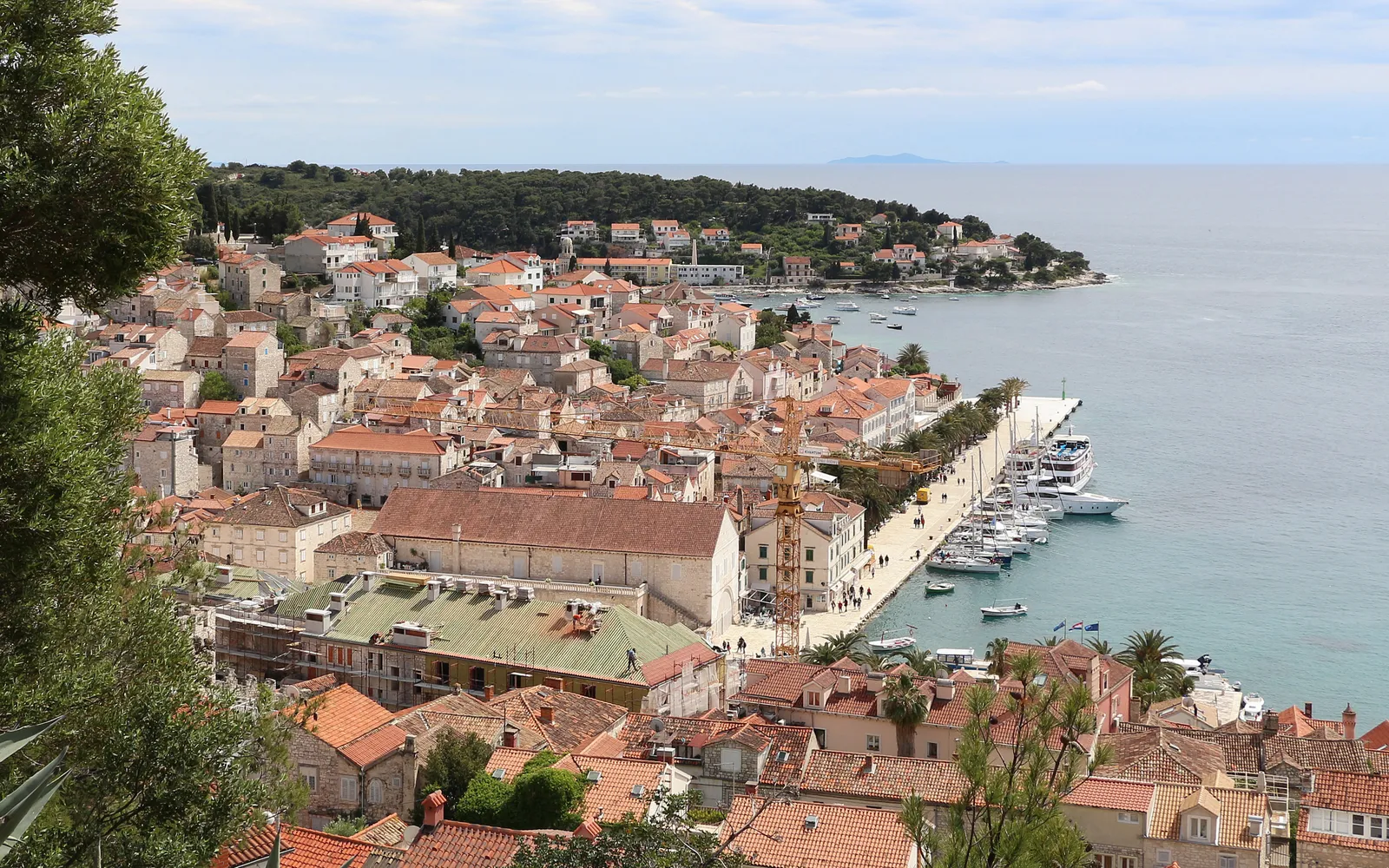
Hvar is the island that keeps pulling travelers back. It mixes genuine Dalmatian island life, centuries-old lavender traditions, and the liveliest resort scene in Croatia — from the Pakleni Islands where the water is clear enough to see the seafloor, to a 16th-century Spanish fortress with 360-degree views over the Adriatic. Whether you come to unwind, dig into history, or party into the night, Hvar covers it all. Fair warning though: summer crowds are intense and prices roughly double compared to the shoulder season.
 #1
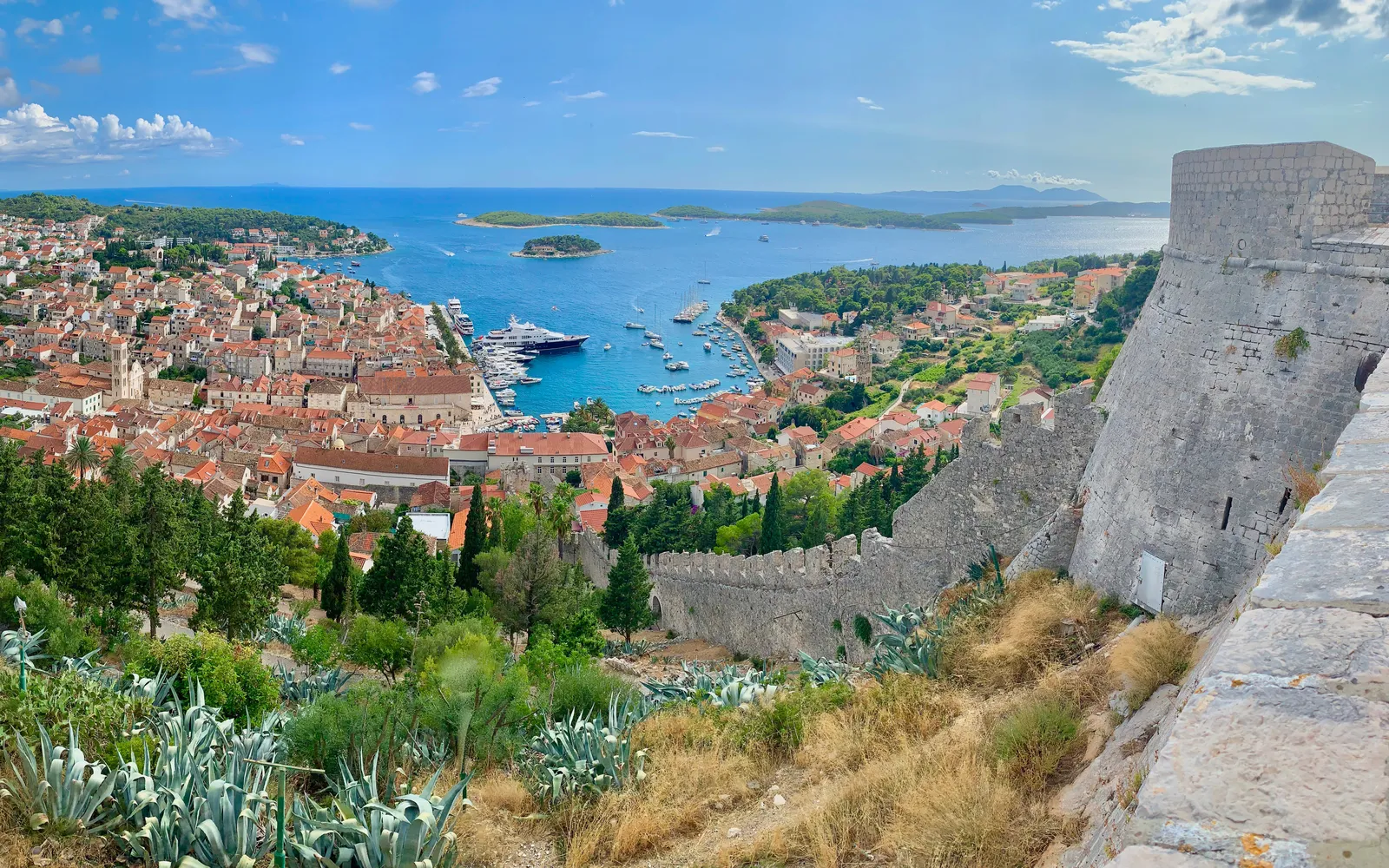
#1 Spanish Fortress (Fortica)
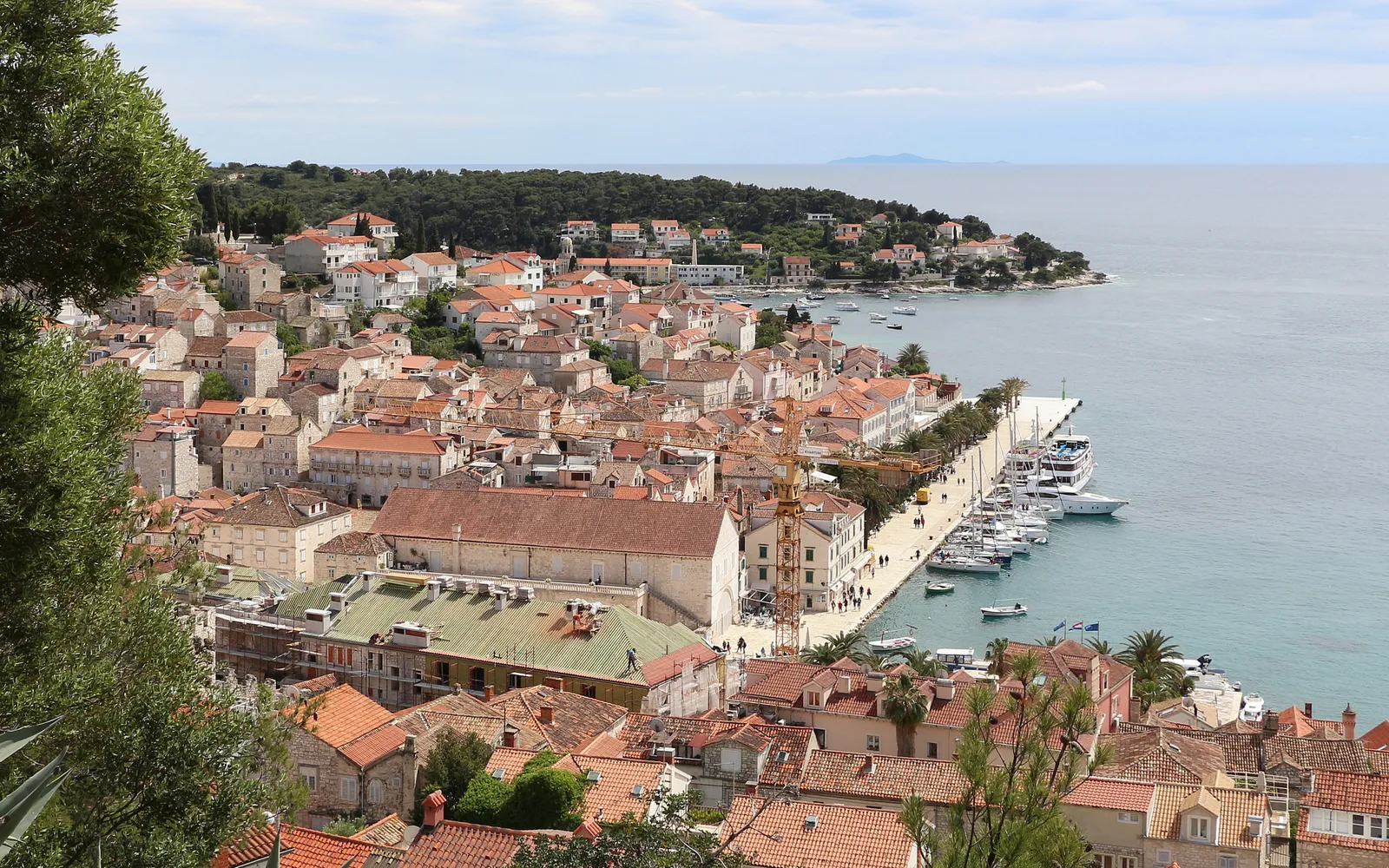
The best viewpoint on Hvar and the island's most distinctive landmark. The fortress was built in the 16th century during Venetian rule and later reinforced by the Spanish. From the main square, a steep stone staircase takes about 20–30 minutes to climb. The reward at the top is a full 360-degree panorama — Hvar town, the harbour, the Pakleni Islands, and the Adriatic stretching to the horizon. It is the kind of view that stays with you.
- Go in the early morning or the hour before sunset to avoid the midday glare and peak-season crowds
- Admission is 40–50 HRK (kuna) and includes the displays inside the fortress; allow 1–1.5 hours
- The path up is unrailed stone steps — wear non-slip shoes, especially when the stone is damp
 #2
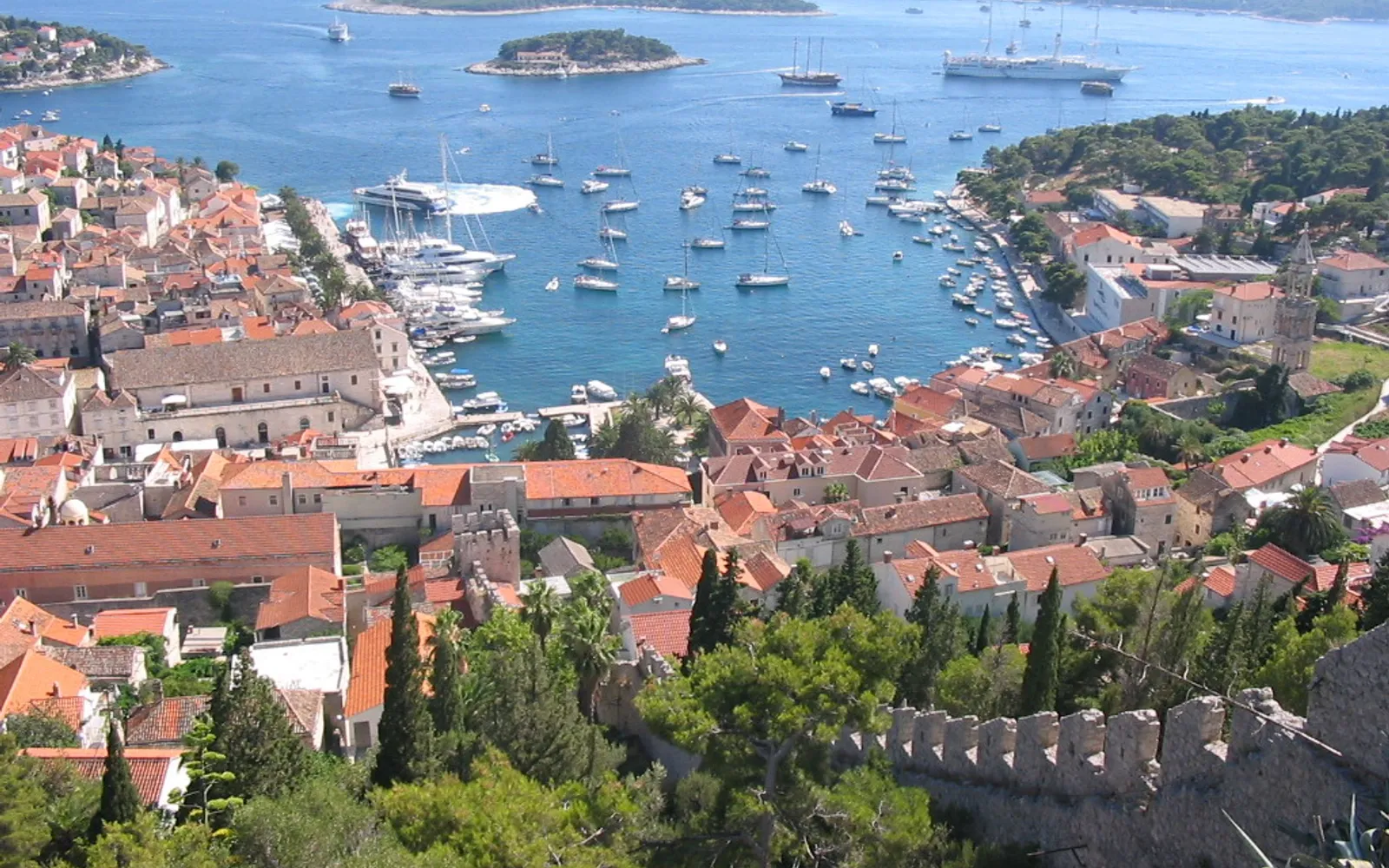
#2 Pakleni Islands
A chain of just over 20 small islands spread across the water in front of Hvar town, with some of the clearest water in the entire Adriatic. The bays of Palmizana and Stipanska are the most popular for swimming and snorkelling. Sveti Klement — the largest island — has good seafood restaurants and hidden anchorages packed with yachts in summer. Stunning as they are, be prepared: in July and August the islands are crowded and a beer on the beach costs considerably more than you would expect.
- Water taxis depart frequently from Hvar harbour for around 30–50 HRK per trip; pick your bay as you go
- Vinogradisce and Jerolim bays are quieter than Palmizana and not much farther — a good choice for couples wanting some peace
- Sveti Klement has short forest trails through pine trees and wild lavender, worth exploring in the cool of the morning before the sun gets fierce
 #3
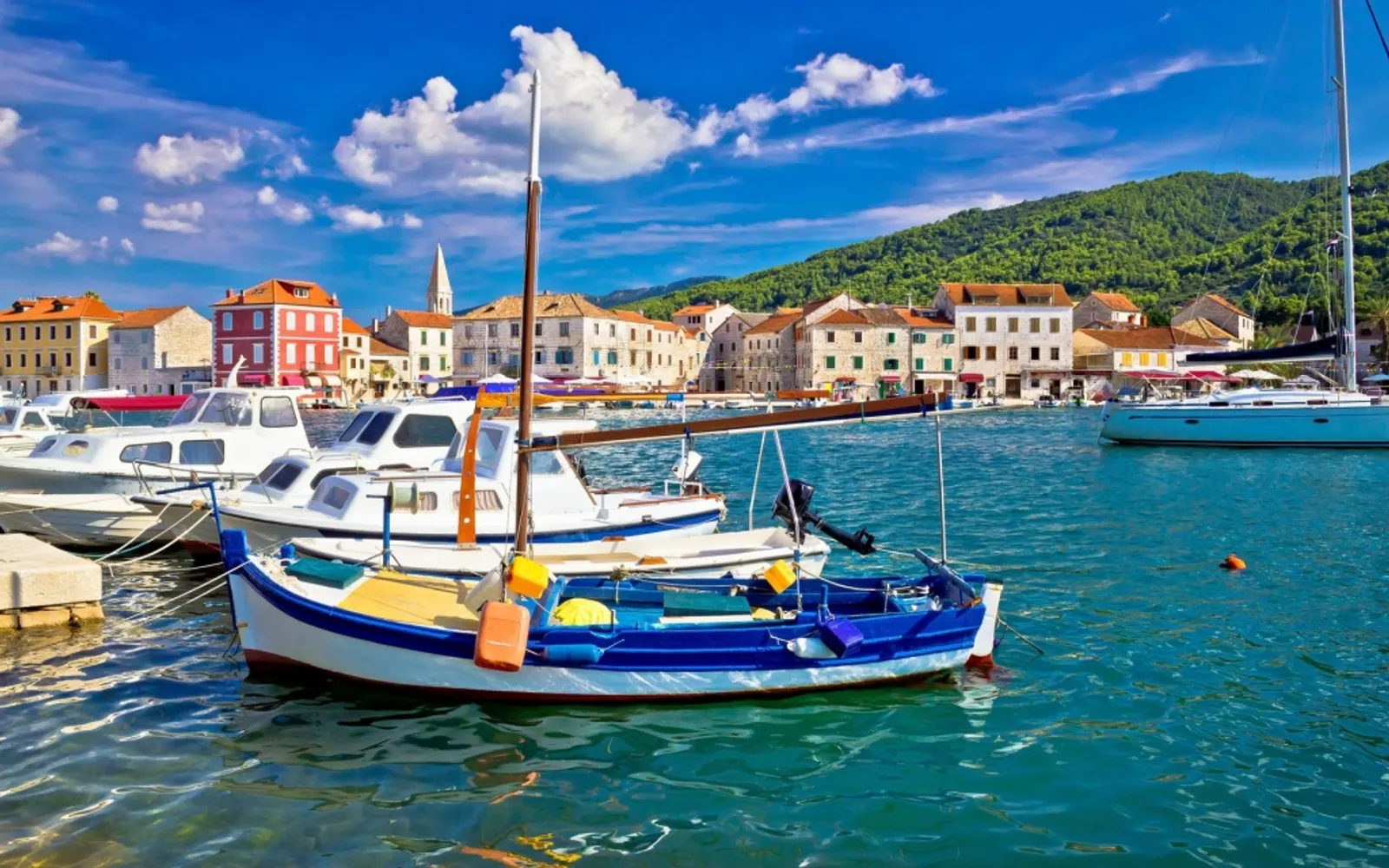
#3 Stari Grad
The oldest town in Croatia, founded by Greeks more than 2,400 years ago. Narrow stone lanes, ancient churches, and an atmosphere of quiet that is completely unlike Hvar town. On the edge of Stari Grad lies the Stari Grad Plain — a UNESCO World Heritage Site recognised as the most intact surviving example of ancient Greek agricultural land division anywhere in the world. Grapevines and olive trees have been grown here in the same plots for 24 centuries.
- Walk without a plan — getting slightly lost in Stari Grad is the best experience it offers, with small cafés tucked down every other alley
- The Tvrdalj Museum, the fortified manor of Croatian Renaissance poet Petar Hektorovic, is open seasonally and very worth the modest entrance fee
- The UNESCO plain is ideal for a morning or late-afternoon cycle; the road follows the ancient field boundaries and is pleasantly shaded
 #4
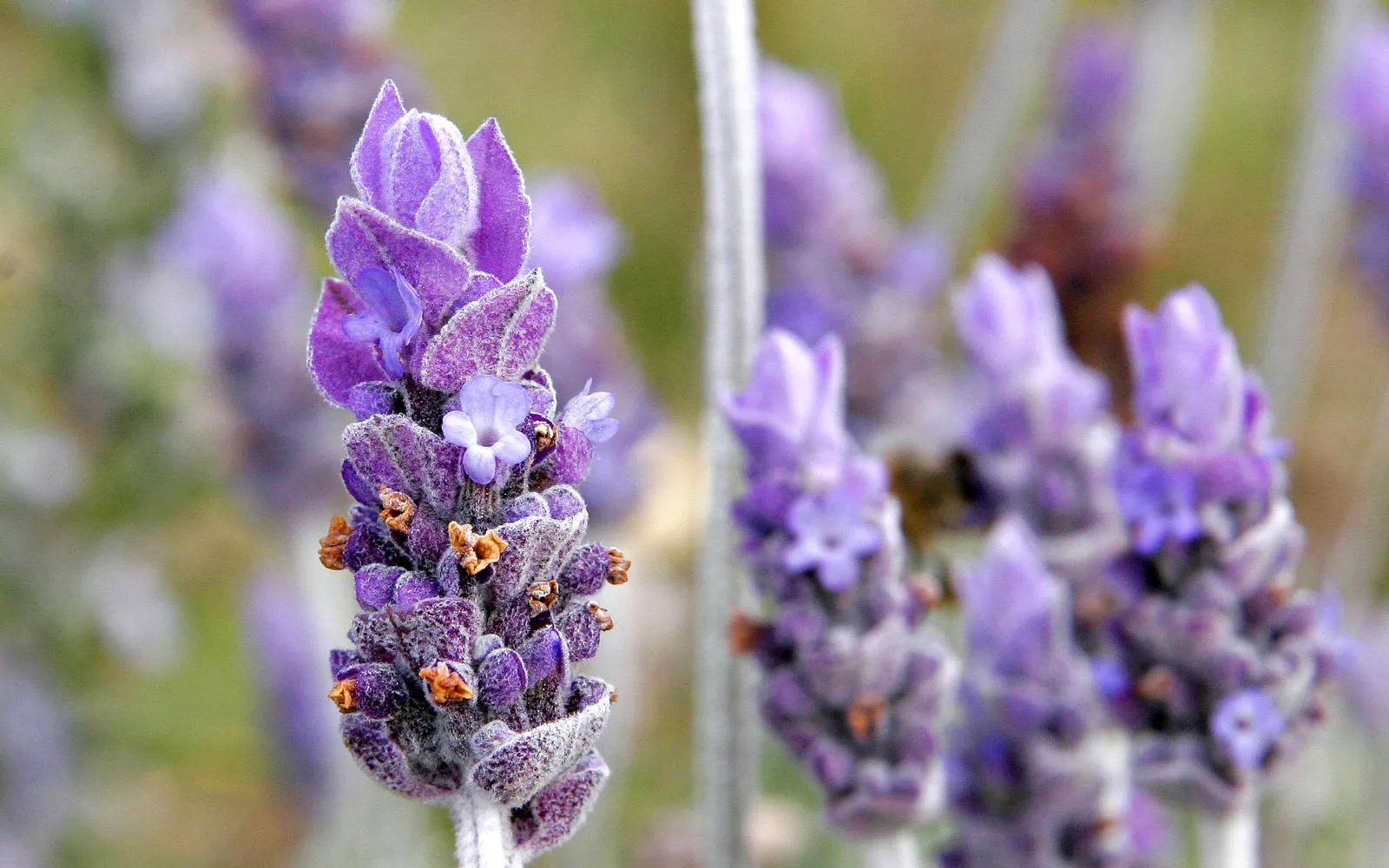
#4 Hvar Lavender Fields
Hvar was once the world's largest lavender producer, at its peak in the 20th century. Production has dropped significantly since then, but the lavender terraces on the island's central hillsides are still beautiful in June. The village of Velo Grablje is nearly abandoned today, though a handful of elderly residents still distil lavender oil by traditional methods. You can buy genuine lavender oil directly from the villagers at a fairer price than in town. The scent and the view from this hilltop village is the most authentic Hvar experience available.
- Lavender only flowers in June — come at any other time and you will see the plants but not the purple; still scenic, just different
- Genuine Hvar lavender oil is also sold at the market in Hvar town, but buying direct from the village gets you a better price and the real thing
- A scooter or motorbike is more practical than a bus for exploring the inland villages — some roads are narrow but the views are excellent
 #5
#5 Dubovica Beach
The most beautiful cove on Hvar for anyone wanting to avoid the crowds. White pebbles, sheer limestone cliffs on either side, and mirror-clear water. A medieval stone house — still inhabited — sits at the edge of the same cove, giving the place a quietly romantic, time-stood-still feel. There are no facilities, no sunbed rentals, and no shops, which is precisely why Dubovica has stayed this good.
- No facilities at all — bring your own water and snacks
- The path down to the beach is steep with steps and not suitable for young children or anyone with knee problems
- Arrive before 10:00 or after 16:00 to avoid the midday sun and the busiest period
 #6
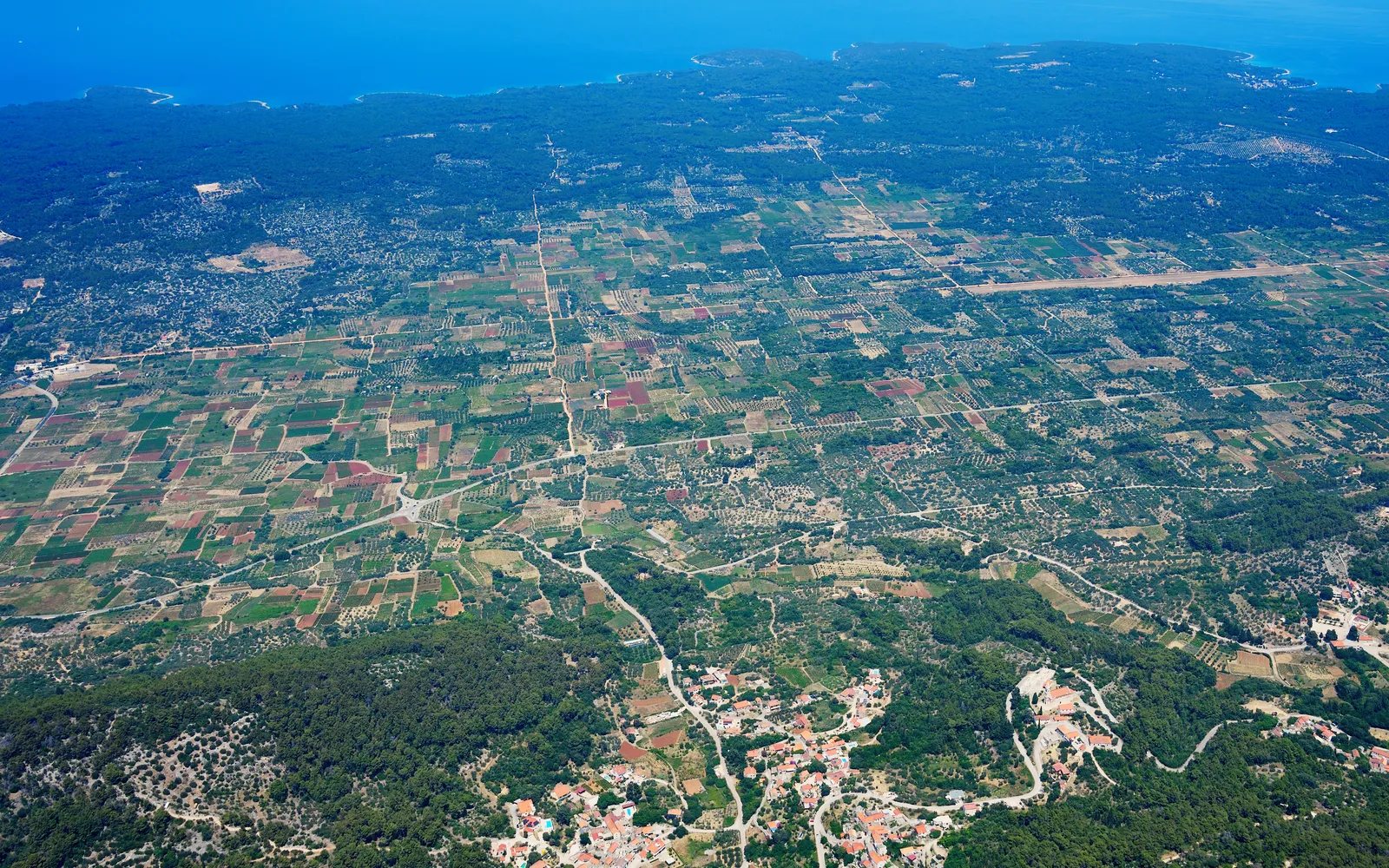
#6 Stari Grad Plain
A UNESCO World Heritage Site that most visitors walk straight past, and one of the most genuinely astonishing places in Croatia for anyone interested in history or agriculture. The field system was laid out by Greek settlers from the city of Pharos in 384 BC and has remained essentially unchanged since. Dry-stone walls divide the same plots of vines and olives along the same lines. Several Hvar families still make wine and olive oil on land their great-grandparents farmed.
- The UNESCO visitor centre in Stari Grad town has free maps and information — worth stopping there before you head out
- The Stari Grad Plain Loop cycling route is about 15 km and passes ancient agricultural plots and small villages; allow 2–3 hours
- The September grape harvest is the most alive the plain gets all year — some families welcome visitors to join in
Where to stay in Hvar for this trip
A well-located hotel means less commuting and more sightseeing. Here are real, top-rated stays in Hvar — compare Agoda · Booking · Trip.com in one click.
Palace Elisabeth, Hvar Heritage Hotel
Affiliate links — we may earn a commission at no extra cost to you. Details
Maslina Resort
Affiliate links — we may earn a commission at no extra cost to you. Details
Hotel Moeesy, Blue & Green Oasis
Affiliate links — we may earn a commission at no extra cost to you. Details
Adriana Hvar Spa Hotel
Affiliate links — we may earn a commission at no extra cost to you. Details
Tours, tickets & activities in Hvar
Day tours, attraction tickets and travel essentials for Hvar — book ahead on Klook with mobile e-tickets.
Affiliate links — we may earn a commission at no extra cost to you.
Before You Pack
Hvar is at its best in May–June and September, on either side of the peak-season surge that fills the island in July and August. Plan at least 3–4 days to do justice to Hvar town, the Pakleni Islands, and the quieter inland routes that most visitors never reach.