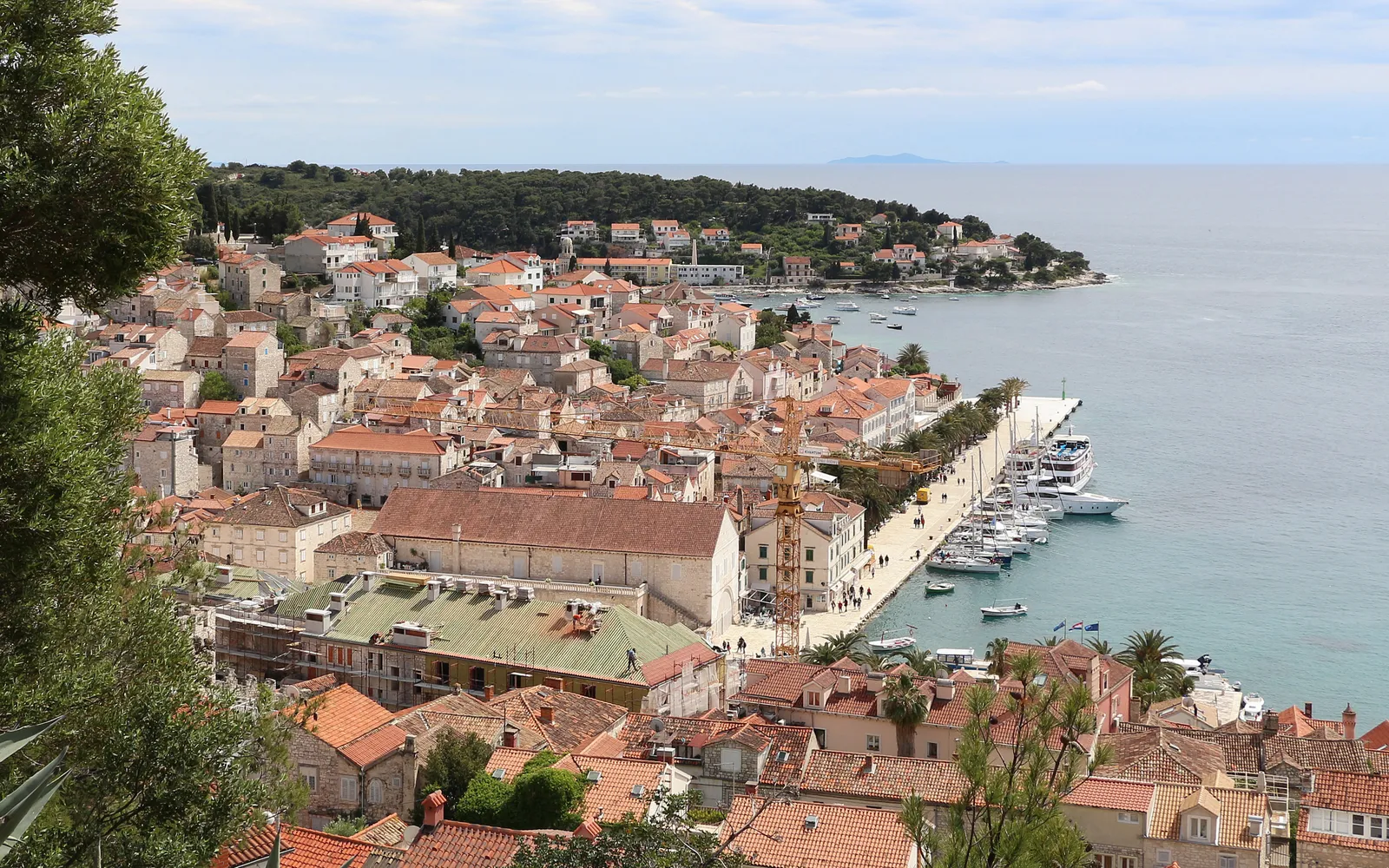
Hvar's food is classic Dalmatian coastal cooking — fish and seafood hauled in fresh from the town's own fishing boats, olive oil pressed from ancient groves on the island, and wine from vines planted in patterns laid out by Greek settlers thousands of years ago. Everything is simple, and the ingredients are exceptional — that's the Dalmatian kitchen philosophy. One practical note: restaurants right on Hvar's waterfront charge significantly more in summer. Walk a street or two inland, or head to Stari Grad, for local spots at fairer prices.
 #1
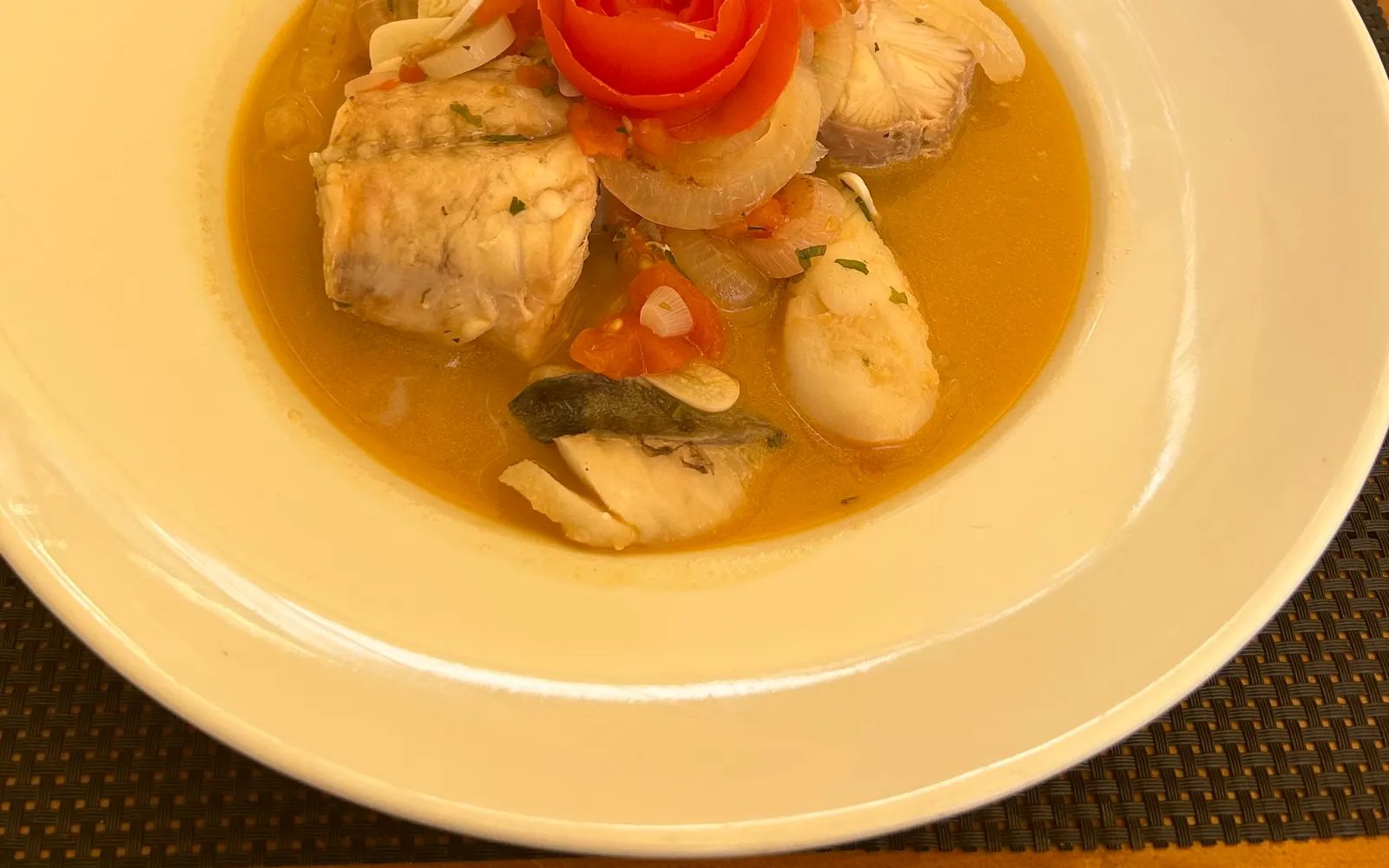
#1 Gregada
The soul of the Hvar and Dalmatian kitchen. Gregada is a stew of fresh white fish simmered in an earthenware pot with potatoes, onion, garlic, Hvar olive oil, and fresh herbs. The technique is almost disarmingly simple — but the quality of the ingredients is everything. The broth carries a clean scent of sea and olive. Fishermen have been cooking this on their boats for hundreds of years, and it remains the backbone of every Dalmatian restaurant menu today.
- Ask the restaurant which fish they're using that day. White bream or fresh sea bass are the best choices for gregada.
- The olive oil is the most important ingredient. A serious restaurant will use oil pressed on Hvar itself — the difference in flavour is immediately clear.
- Eat it with white bread to soak up the broth. Do not skip the broth — it's the best part of the dish.
 #2
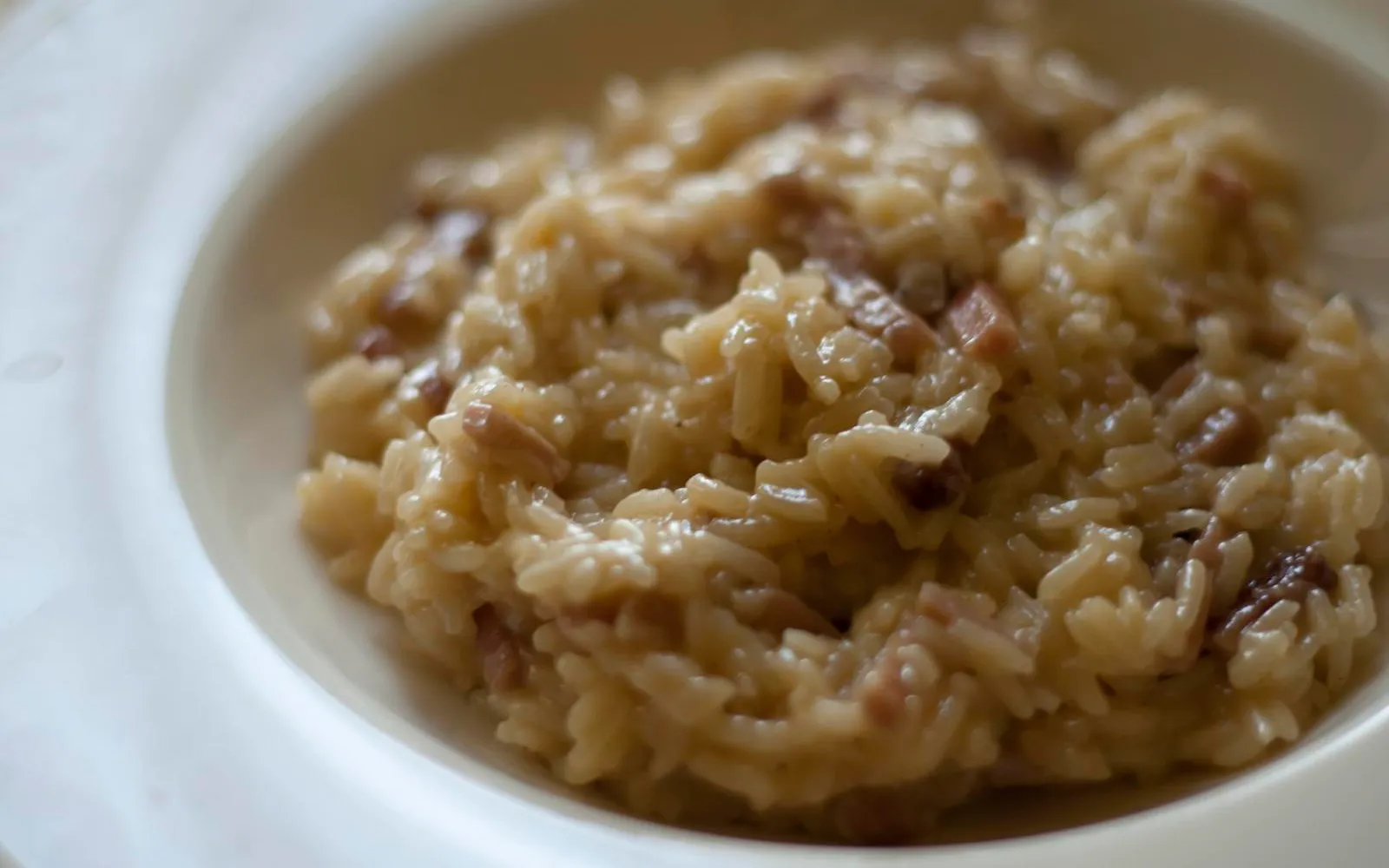
#2 Black Risotto
The signature of Dalmatian cooking that draws the most attention from visitors. Rice cooked entirely black from cuttlefish ink, stirred together with fresh cuttlefish, onion, garlic, white wine, and olive oil. The colour is dramatic; the flavour is gentle and oceanic — not bitter or intense the way many people fear. Croatians take real pride in this dish, and it's often the test of whether a restaurant genuinely knows Dalmatian cooking.
- Ask for an apron before eating — the ink stains clothing and teeth without question. Any restaurant that knows its regulars will bring one automatically.
- A good kitchen uses fresh cuttlefish, not frozen. The sea smell should be clean and present. Heavy fishiness can point to lesser-quality ingredients.
- The dish improves considerably alongside a chilled Croatian white wine — try Pošip or Grk from nearby Korčula island.
 #3
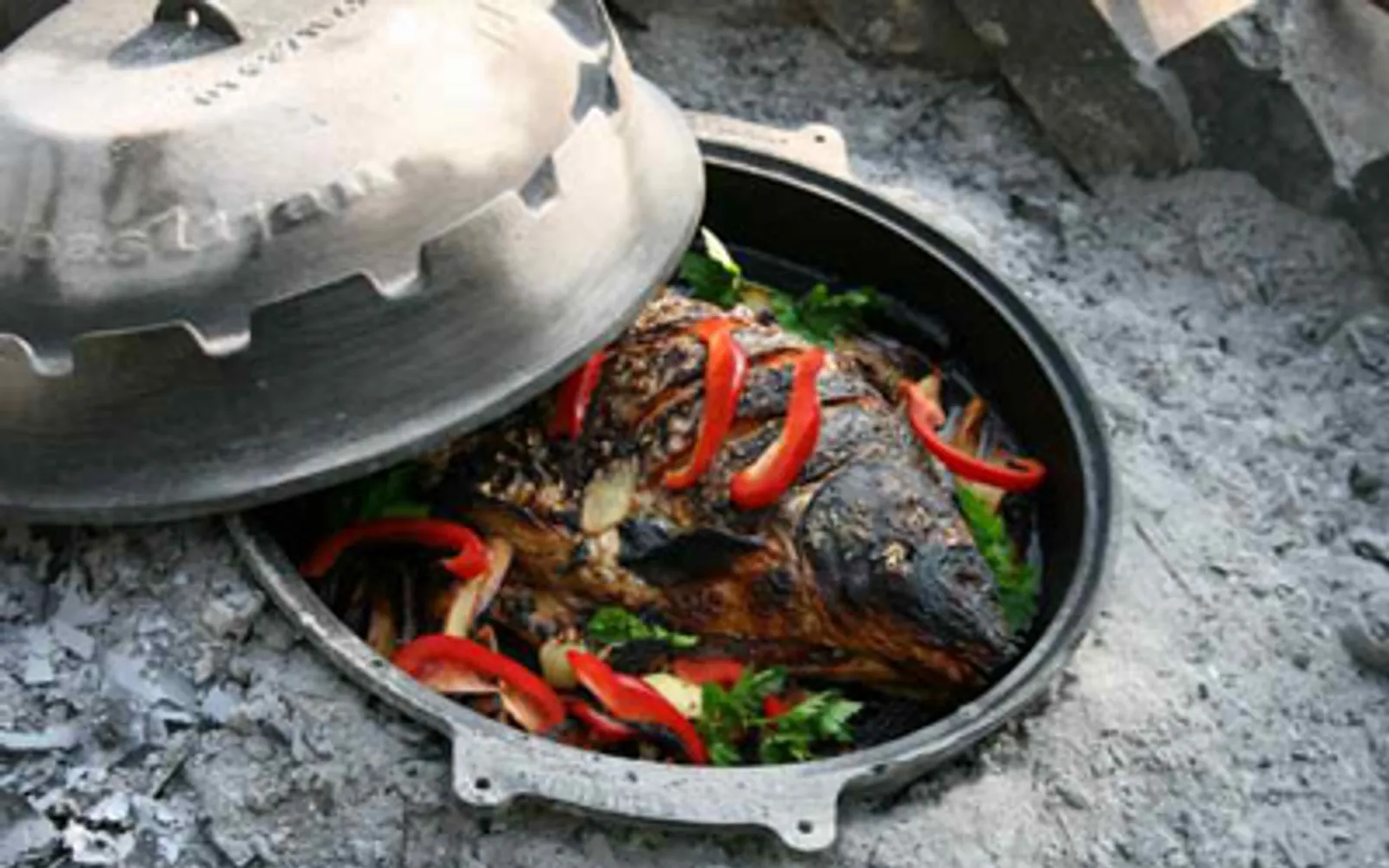
#3 Peka
An ancient Dalmatian cooking method that has not changed in centuries. Peka is a domed clay or cast-iron lid placed over meat, vegetables, and herbs, then buried under hot embers and left to cook slowly for several hours until the meat melts on contact. Hvar's version typically uses lamb or fresh white fish with vegetables. You must order at least 24 hours in advance because of the cooking time — but the result is worth every minute of the wait.
- Always book ahead and confirm your order in advance. Some restaurants need 24–48 hours' notice. There is no walk-in peka.
- A standard peka serves 4–6 people generously. If you're a couple, ask whether the kitchen can prepare a smaller portion.
- Eat it with bread, polenta, or mashed potato. The flavour is mellow, herbaceous, and noticeably different from anything grilled.
 #4
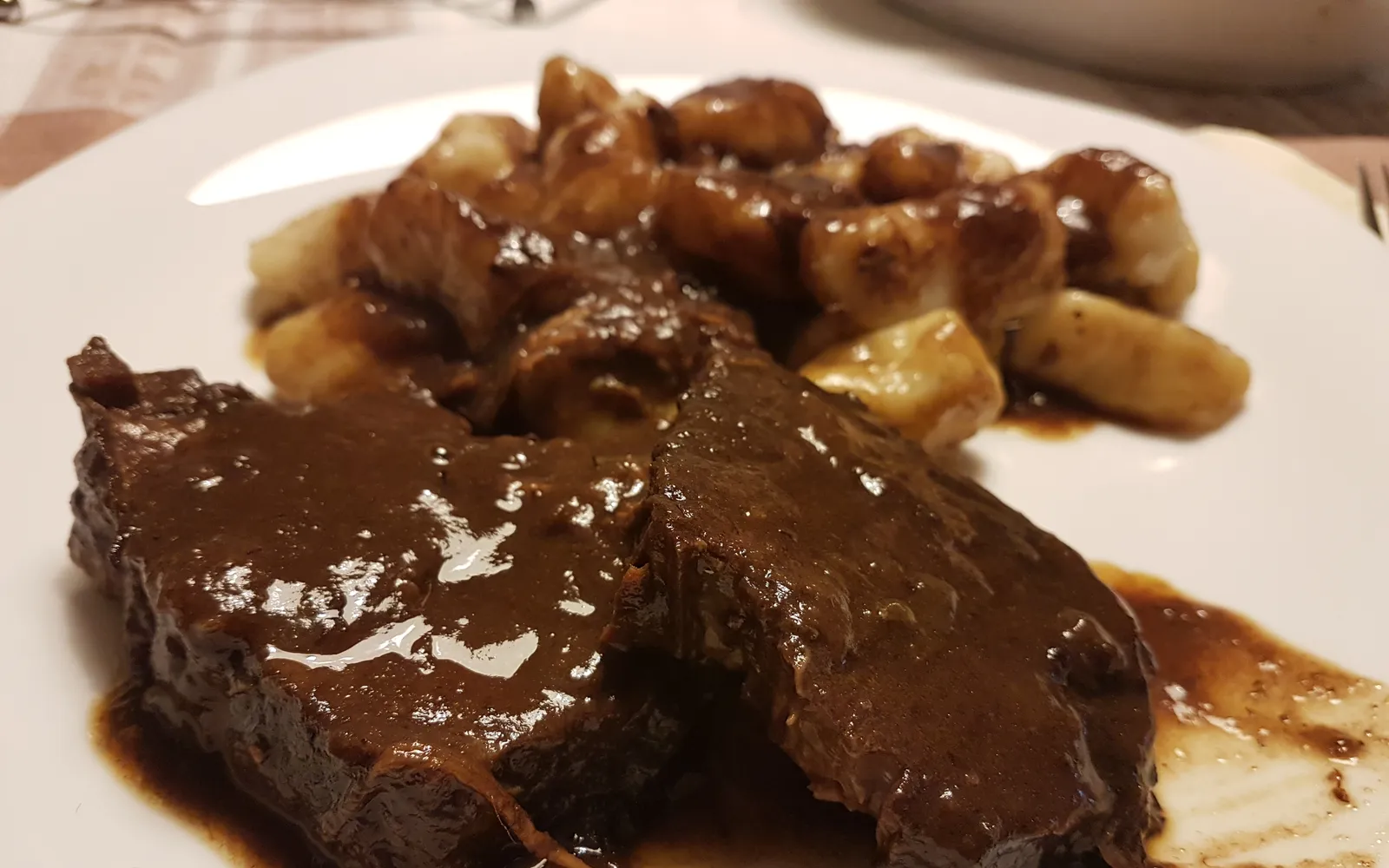
#4 Pašticada
The queen of Dalmatian cooking and a dish tied to centuries of festivals, weddings, and celebrations across the region. Beef is marinated overnight in wine vinegar, then braised slowly in red wine with onion, garlic, herbs, and dried fruit until the texture becomes extraordinary. It arrives with homemade potato gnocchi. The flavour is sweet-sour, layered, and deeply warming — a dish that takes real time and genuine care to get right.
- Pašticada requires overnight marinating. A serious restaurant prepares a fresh batch every day — ask before ordering whether it's available.
- Eat at least half the homemade gnocchi alongside it. They're a core part of the dish, not a side.
- Plavac Mali red wine from Hvar island itself is the best pairing for pašticada. Ask the restaurant for a recommendation.
 #5
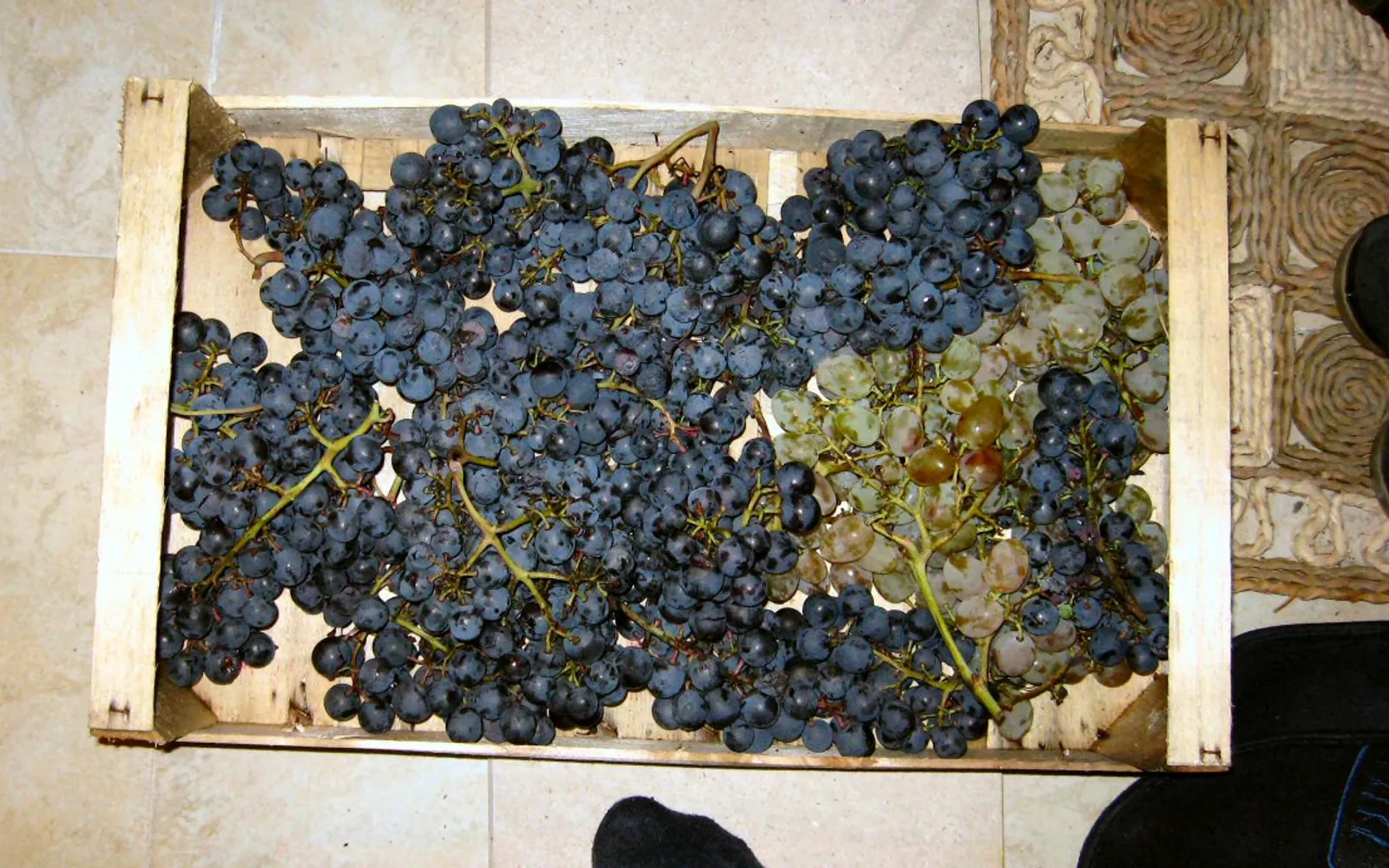
#5 Plavac Mali Wine
Plavac Mali is a native Croatian red grape variety grown on steep south-facing slopes overlooking the Adriatic on Hvar island. The vineyards at Ivan Dolac have a reputation for producing some of the finest Plavac Mali anywhere — intense, tannic, fruit-forward, with a thread of Mediterranean herbs running through. Some estates welcome visitors for tastings and vineyard walks. It's an experience that explains quickly why Hvar wine has been famous since the Greek era.
- Several wineries at Ivan Dolac accept bookings in advance and offer vineyard tours with tasting sessions at reasonable prices.
- You can buy bottles to take home from shops in Hvar town or directly from the winery. Winery prices are noticeably lower than town retailers.
- If you prefer white wine, try Bogdanuša — a pale native variety from Hvar with a fresh, gently acidic character that pairs well with seafood.
 #6
#6 Dalmatian Prosciutto and Cheese Board
Meza is the light opening course no Dalmatian meal begins without. It includes Dalmatian smoked dry-cured ham (<em>pršut</em>) — saltier and smokier than Italian prosciutto di Parma — alongside Croatian goat's or sheep's milk cheese, oil-marinated olives, crisp bread, and Hvar olive oil. It looks straightforward; it demonstrates the quality of local ingredients better than almost any other dish. Order it, sit facing the sea with a cold glass of wine, and the day sorts itself out.
- Good Dalmatian prosciutto has a distinct smoky fragrance and is not aggressively salty. Excessive saltiness can be a sign the product has been sitting too long.
- Homemade olives marinated in Hvar olive oil are the best souvenir you can take off the island. Find them at the morning markets in Hvar town and Stari Grad.
- Meza works well as a light lunch after a swim, or as an aperitivo before the main evening meal.
Where to stay in Hvar for this trip
A well-located hotel means less commuting and more sightseeing. Here are real, top-rated stays in Hvar — compare Agoda · Booking · Trip.com in one click.
Palace Elisabeth, Hvar Heritage Hotel
Affiliate links — we may earn a commission at no extra cost to you. Details
Maslina Resort
Affiliate links — we may earn a commission at no extra cost to you. Details
Hotel Moeesy, Blue & Green Oasis
Affiliate links — we may earn a commission at no extra cost to you. Details
Adriana Hvar Spa Hotel
Affiliate links — we may earn a commission at no extra cost to you. Details
Tours, tickets & activities in Hvar
Day tours, attraction tickets and travel essentials for Hvar — book ahead on Klook with mobile e-tickets.
Affiliate links — we may earn a commission at no extra cost to you.
Before You Pack
The best food in Hvar tends to come from small places where the owner fishes personally or buys directly from fishing boats each morning. If a restaurant's seafood menu never changes with the season, that's a reasonable sign it's not the best kitchen in town. Seasonality is what gives Dalmatian cooking its freedom.