Beachside Hotel Dili
by the TopOfHotel team
Beachside Hotel Dili is a small owner-run boutique that trades downtown buzz for the sound of waves under the Cristo Rei statue — the draw here is friend-of-the-family warmth and an organic cafe most guests end up loving.
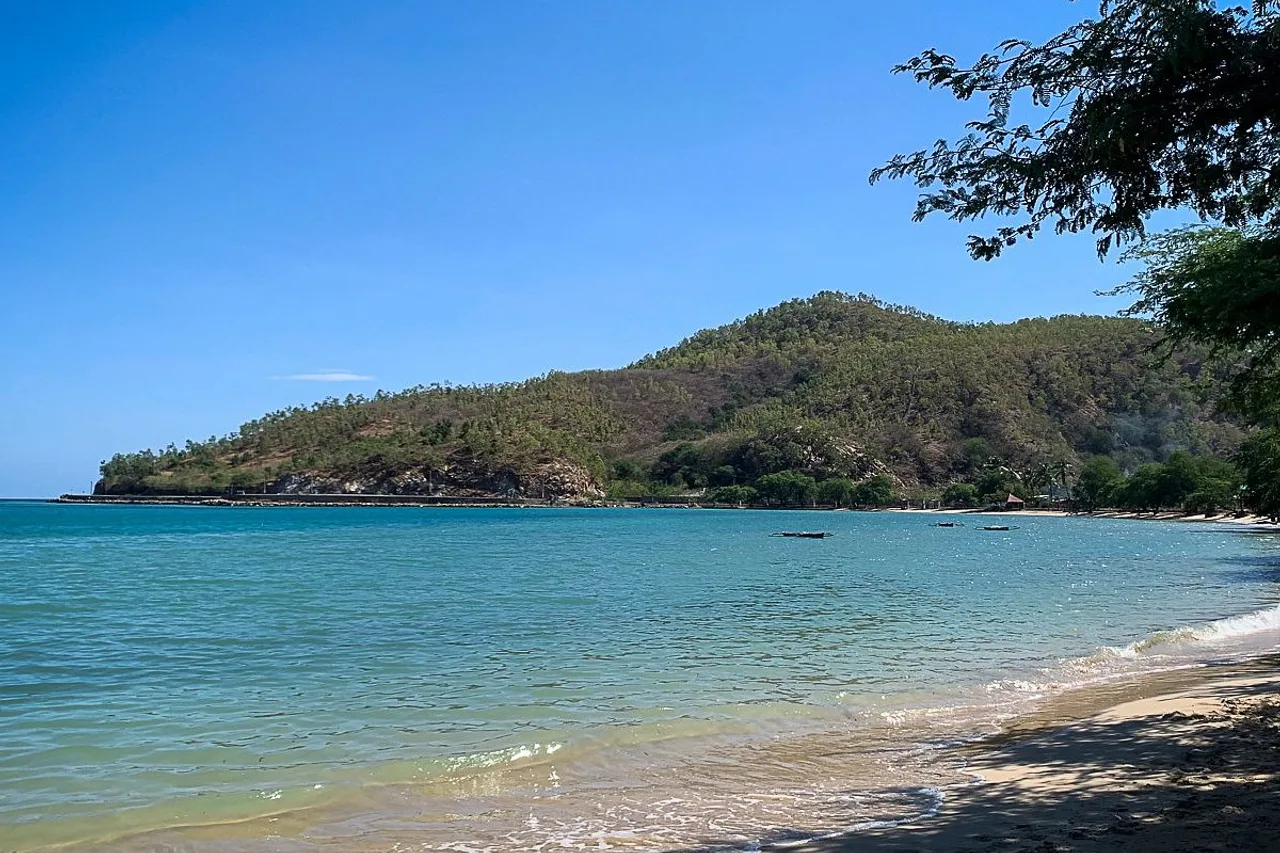
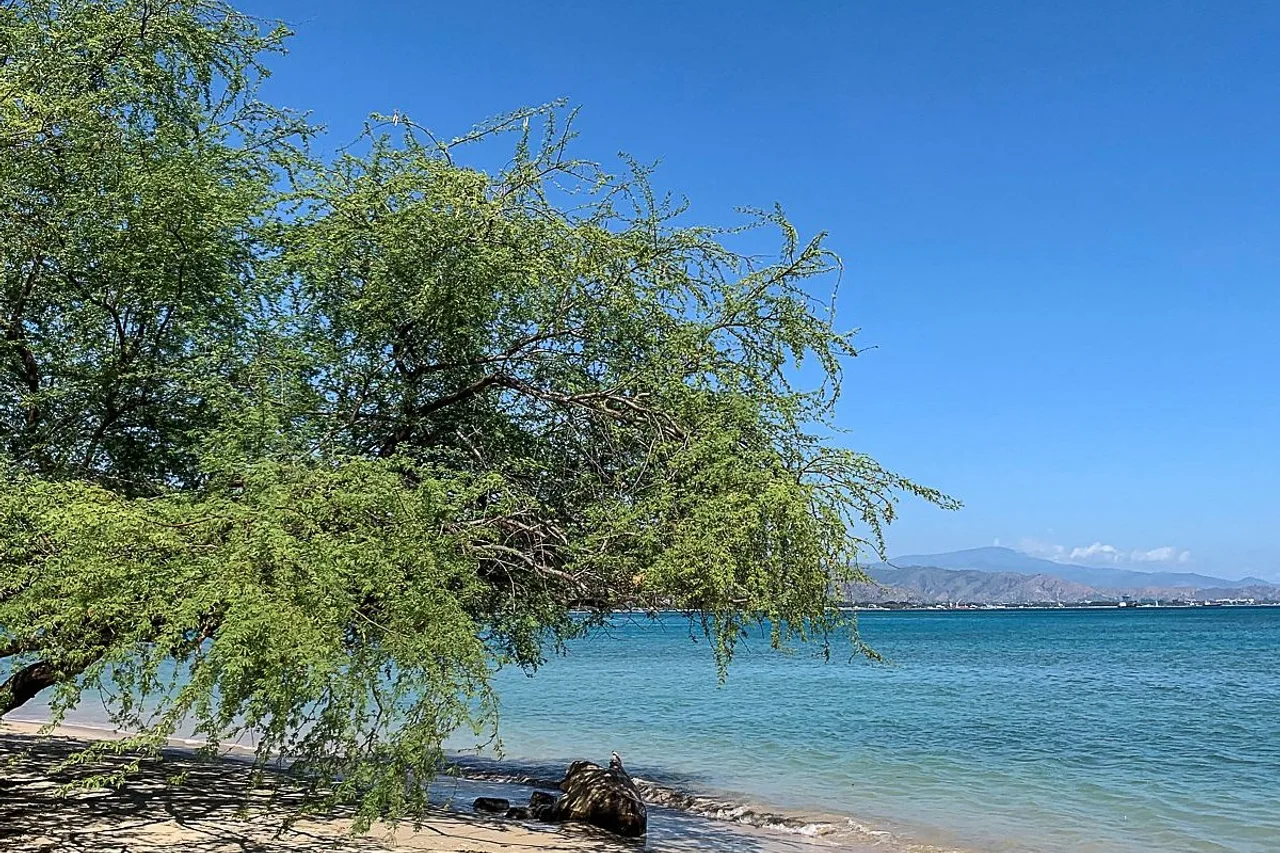
Beachside Hotel Dili is a small owner-run boutique that trades downtown buzz for the sound of waves under the Cristo Rei statue — the draw here is friend-of-the-family warmth and an organic cafe most guests end up loving.
In-Depth Review
Rooms and decor
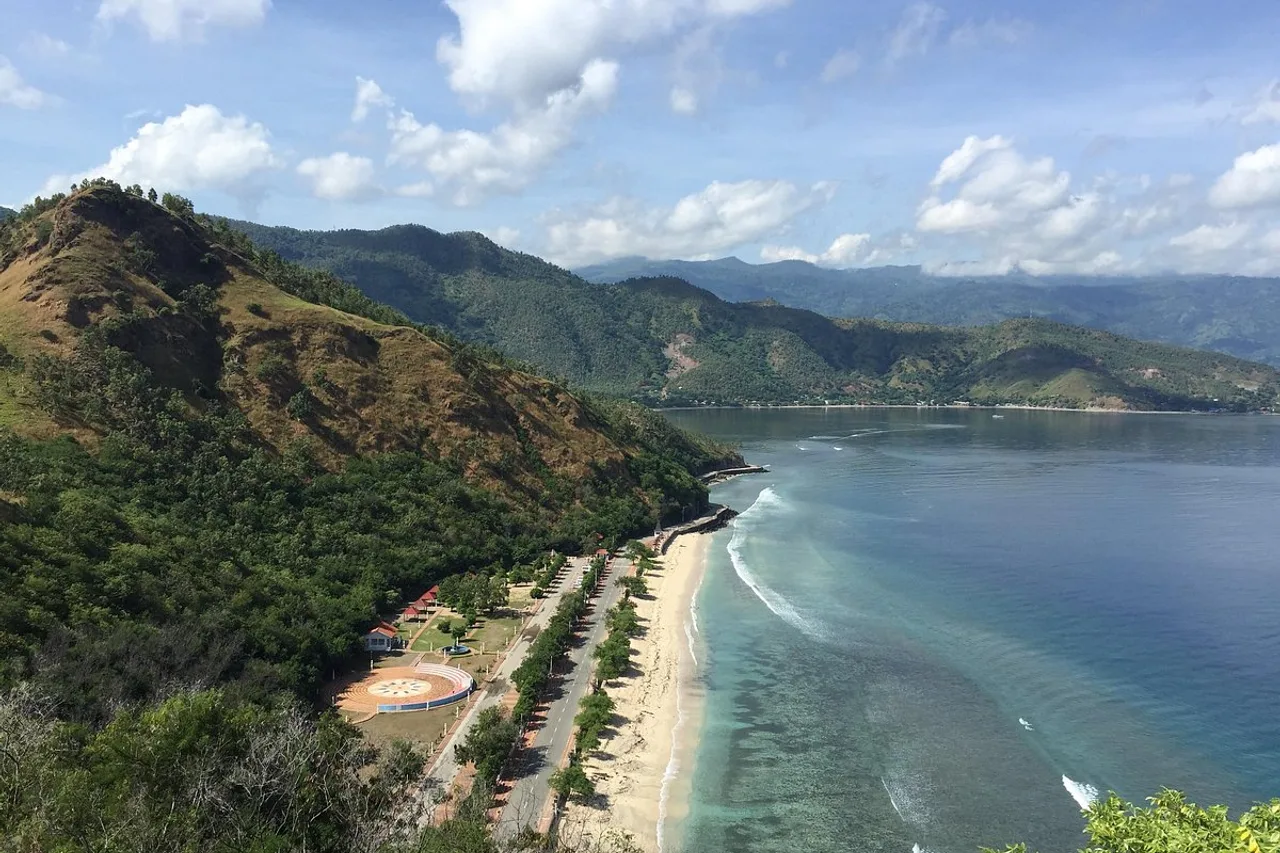
Picture a long white-sand beach on the eastern edge of Dili, Timor-Leste's capital, sitting under the shadow of the 27-metre Cristo Rei statue up on the hill — that's the setting for Beachside Hotel Dili. The beach is called Areia Branca, or White Sands to locals and expats, and it's one of the cleanest and quietest stretches of coast in the city, about 7 km from the downtown buzz. Pull into the property and you find a low white building wrapped in a small garden of coconut palms and tropical trees. There's no marble lobby, no concierge in a row to greet you — just Bruce and Kathy, the owners, often wandering out with a coffee or arranging flowers in a vase. Reviews repeat the same description: it feels like a friend's house, not a hotel. The 12 or so rooms split between standard hotel rooms and studio apartments with a kitchenette. Decor stays simple — white and ocean-blue tones, slow ceiling fans, air-con for hot afternoons, and many rooms open onto the garden or the sound of waves.
Food and amenities
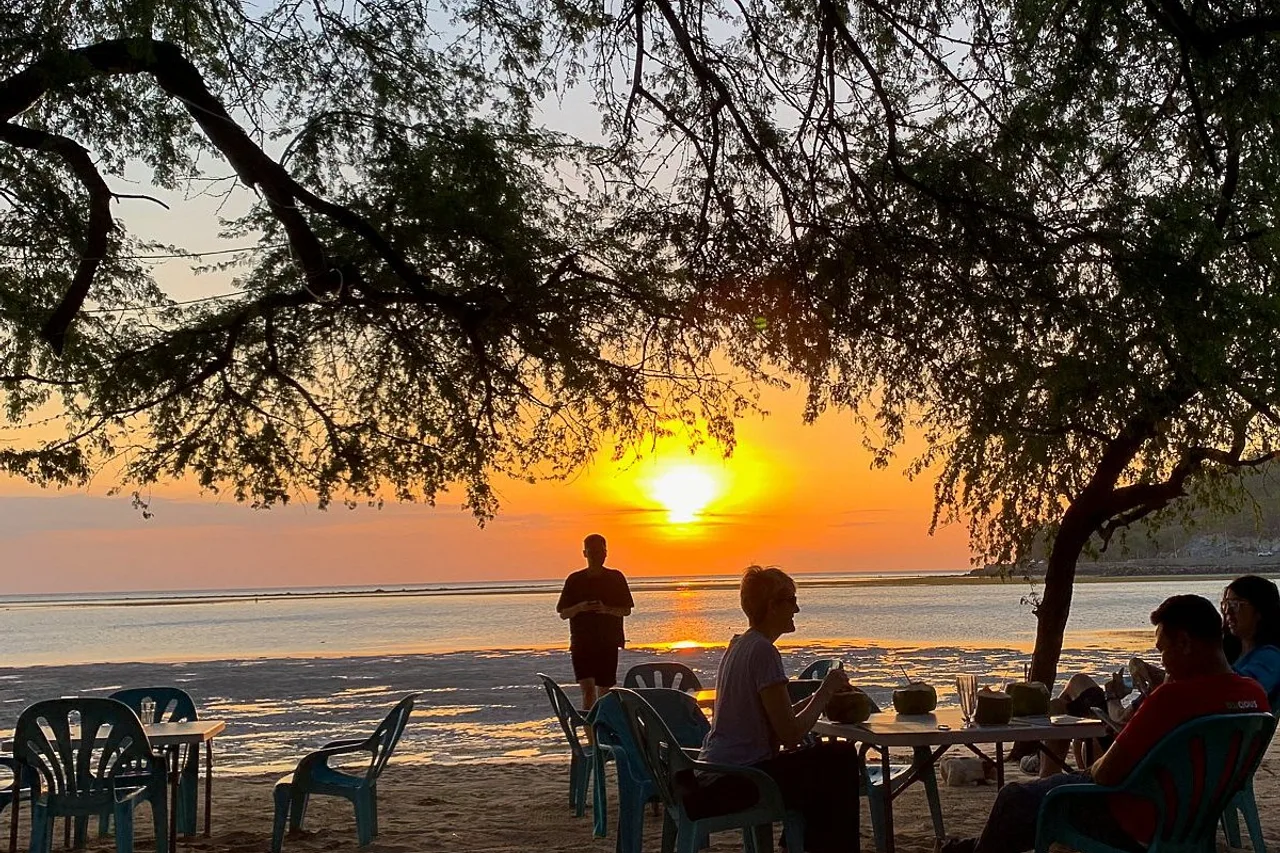
The other heart of the property is the small in-house cafe, which serves organic dishes built on local produce. Kathy hand-picks vegetables and fruit from the morning markets in town and from a small garden plot behind the hotel. Reviews single out the Timor-roasted coffee, smoothie bowls with fresh mango and papaya, homemade bread baked each morning, and a simple egg-and-toast breakfast served with fresh-squeezed juice. The cafe is open-air, with mismatched wood tables and rattan chairs catching the sea breeze, and it's open to non-guests too — so you'll often share a table with expats or NGO workers from the dozens of international organisations based in Dili. Beyond the cafe, there's an outdoor terrace for sunset drinks, free parking inside the hotel walls, and in-room Wi-Fi that handles messaging and maps but won't carry video calls reliably — Timor-Leste's broadband still lags the rest of Southeast Asia. The studio rooms come with a small stove, fridge, and basic cookware, which makes a real difference if you're staying multiple nights and want to do breakfast or dinner yourself.
Location and getting there
Beachside Hotel Dili sits on Areia Branca beach on the eastern side of the city, about 7 km from central Dili and the waterfront — a 15-minute drive. From Dili airport (Presidente Nicolau Lobato, DIL) it's a 20-25 minute ride, and the hotel arranges pickup if you message ahead. City taxis are available but you'll need to agree the fare in advance every time. This location works best for travellers who want a calm beachside base away from city traffic and dust — you wake up to waves and step out onto sand for a walk before breakfast. From the beach you can walk to the base of Cristo Rei — the 570 steps up to the statue's base is the city's signature morning activity, with sunrise views over the sea worth the climb. There's a smaller adjacent beach often empty enough to feel private. For day trips, the Dili waterfront has speedboats out to Atauro Island, which holds the highest reef-fish biodiversity in the world per Conservation International — a real bucket-list dive most travellers don't know about.
Things to know before booking
Straight talk to help you decide. First, the location trade-off: you're 7 km from central Dili and most restaurants, so an evening in town means calling a taxi or ride — it's not walkable. Budget roughly $3-6 per one-way trip. Second, this is a small boutique with only about 12 rooms, so weekends, festivals, and the entire dry season (May to November) book out fast. Reserve several weeks ahead or you risk being pushed to a generic downtown hotel. Third, the Wi-Fi situation: Timor-Leste's internet is slower than the rest of Southeast Asia. The hotel signal handles messaging and maps but won't carry video calls or 4K streaming. Remote workers should buy a Telkomcel or Timor Telecom SIM at the airport for hotspot backup. Finally, facilities are limited by design — no pool, no gym, no spa. The whole pitch is small home-stay-style boutique with cafe and beach. If your idea of a trip is full-amenity resort, this isn't the right fit.
Our take
Pulling together real guest reviews and our own scan of the property, Beachside Hotel Dili lands as a small boutique that sells warmth and beachside atmosphere honestly and well. The best fit: couples who want calm, solo travellers easing into the slow rhythm of Timor-Leste, and small families staying multiple nights who'll use the studio kitchen to cook. If your trip vision is waking up to waves, climbing the Cristo Rei steps for sunrise, eating an organic breakfast at Bruce and Kathy's cafe, then spending the afternoon reading on the sand — this is exactly the right answer, starting from around $70 a night. If you want a big hotel with pool, gym, and a row of restaurants you can walk to, look elsewhere. Overall we give it 8.2/10 — a place with a heart rather than just rooms, and a warm starting point for getting to know one of Southeast Asia's last under-the-radar countries.
Score Breakdown
Assessed by our editorial team from data and real guest reviews
The Honest Verdict — pros & what to know
- Beachfront location on Areia Branca (White Sands) on Dili's eastern edge — open the door and you're on white sand looking at the Timor Sea. The setting is meaningfully calmer than any downtown hotel.
- Owners Bruce and Kathy are on the property daily, greeting guests by name and giving detailed local recommendations. Reviews repeatedly describe stays here as feeling like a friend's home.
- Studio apartments include a small kitchen, fridge, and dining table — practical for families or anyone staying multiple nights who wants to cook with market produce instead of eating out every meal.
- The in-house cafe serves organic food using ingredients from local markets and Kathy's own garden. Reviews single out the Timor-roasted coffee, smoothie bowls, and homemade bread at breakfast as standouts.
- Sits directly under Cristo Rei, the 27-metre statue of Christ that's Dili's main landmark. The 570-step climb up for sunrise is one of the city's signature experiences and starts on foot from the hotel.
- You're 7 km from central Dili and most of the city's restaurants. Going into town for dinner means calling a taxi or arranging a ride — not walkable. Budget roughly $3-6 per one-way trip into town.
- It's a small boutique with only about 12 rooms, so it sells out fast during festivals, weekends, and especially through the dry season (May to November). Book several weeks ahead or risk being pushed back to a generic downtown hotel.
- Internet in Timor-Leste is slower than the rest of Southeast Asia overall. The hotel Wi-Fi handles messaging and maps fine, but don't expect smooth video calls or 4K streaming. Remote workers should grab a Telkomcel or Timor Telecom SIM for hotspot backup.
Who It’s For
Match Score by travel style
Amenities
Location & Nearby Spots
Things to do near Dili
Day tours, attraction tickets and experiences around Dili — book ahead on Klook with mobile e-tickets.
See activities in DiliAffiliate link — we may earn a commission at no extra cost to you.
Insider Tips
- Request a studio with a kitchen if you're staying 3+ nights — the fridge and stove pay for themselves once you've done a morning run to the city market for tropical fruit and fresh bread.
- Climb the 570 steps up to Cristo Rei for sunrise — get there before 6 am for cool air, fewer people, and the best photo light over the sea.
- Ask Bruce or Kathy to help organise a snorkel day trip to Atauro Island (speedboat from Dili waterfront) — the surrounding reefs hold the highest reef-fish biodiversity in the world per Conservation International, and most guidebooks still don't mention it.