Atauro Dive Resort
by the TopOfHotel team
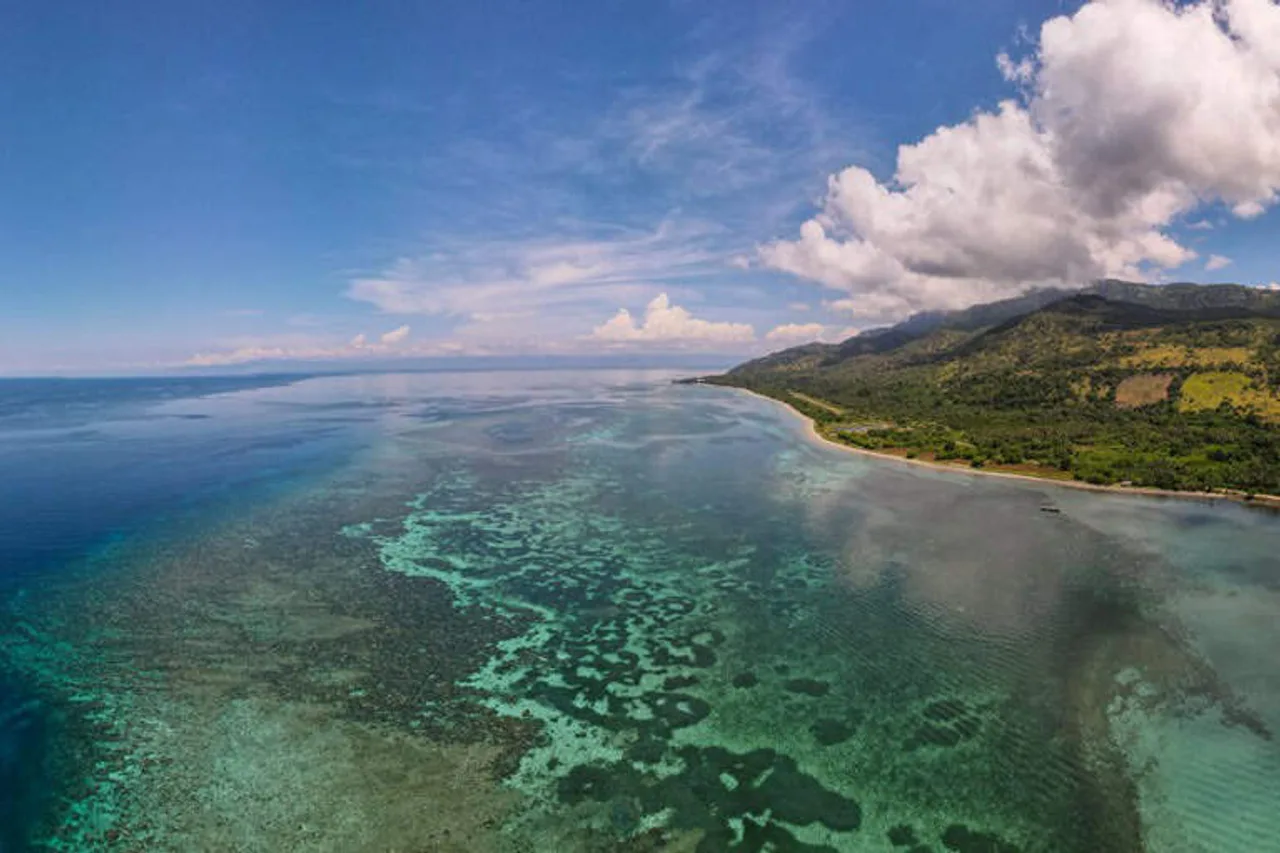
Atauro Dive Resort is off-grid diving on what may be the most biodiverse reef on the planet — simple beachfront wooden bungalows in trade for nature you can't replicate anywhere else.
Atauro Dive Resort is off-grid diving on what may be the most biodiverse reef on the planet — simple beachfront wooden bungalows in trade for nature you can't replicate anywhere else.
In-Depth Review
Rooms and decor
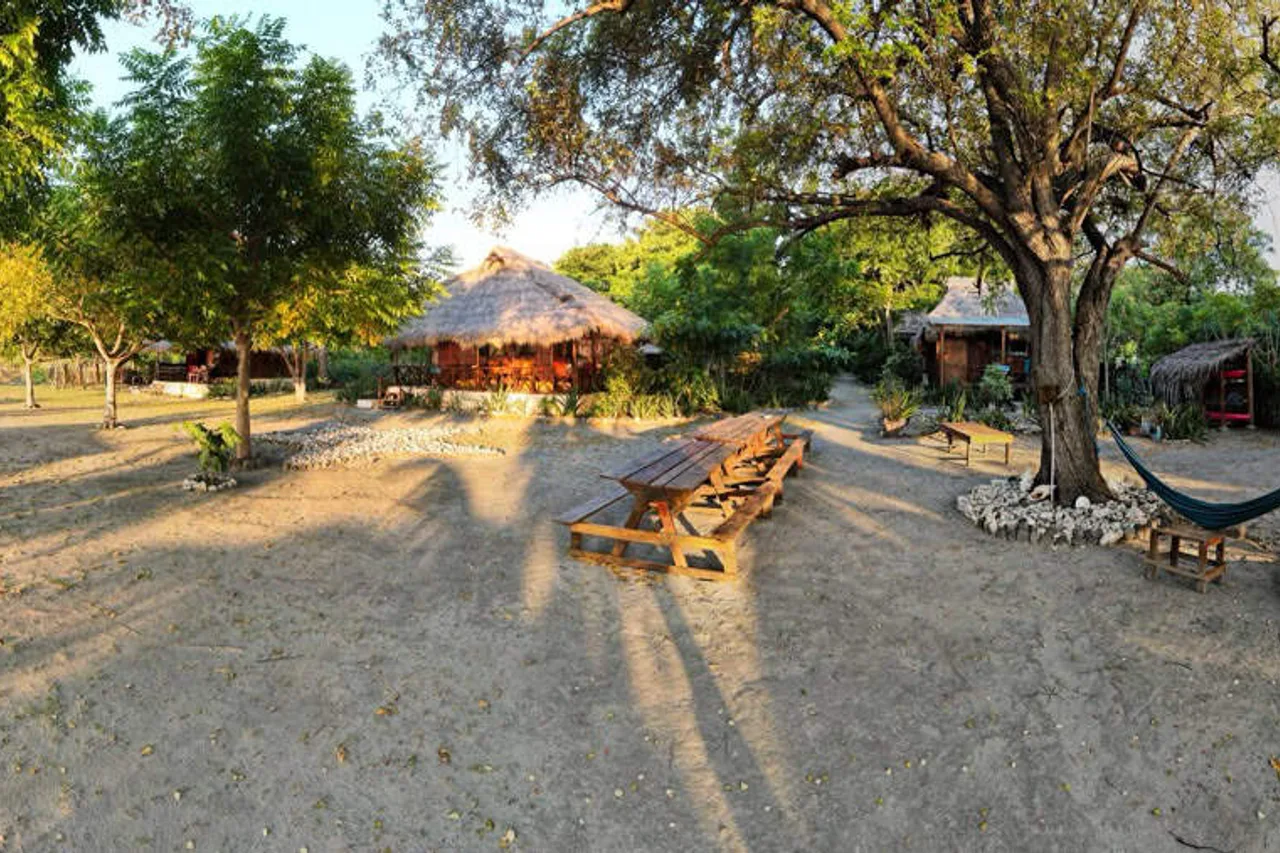
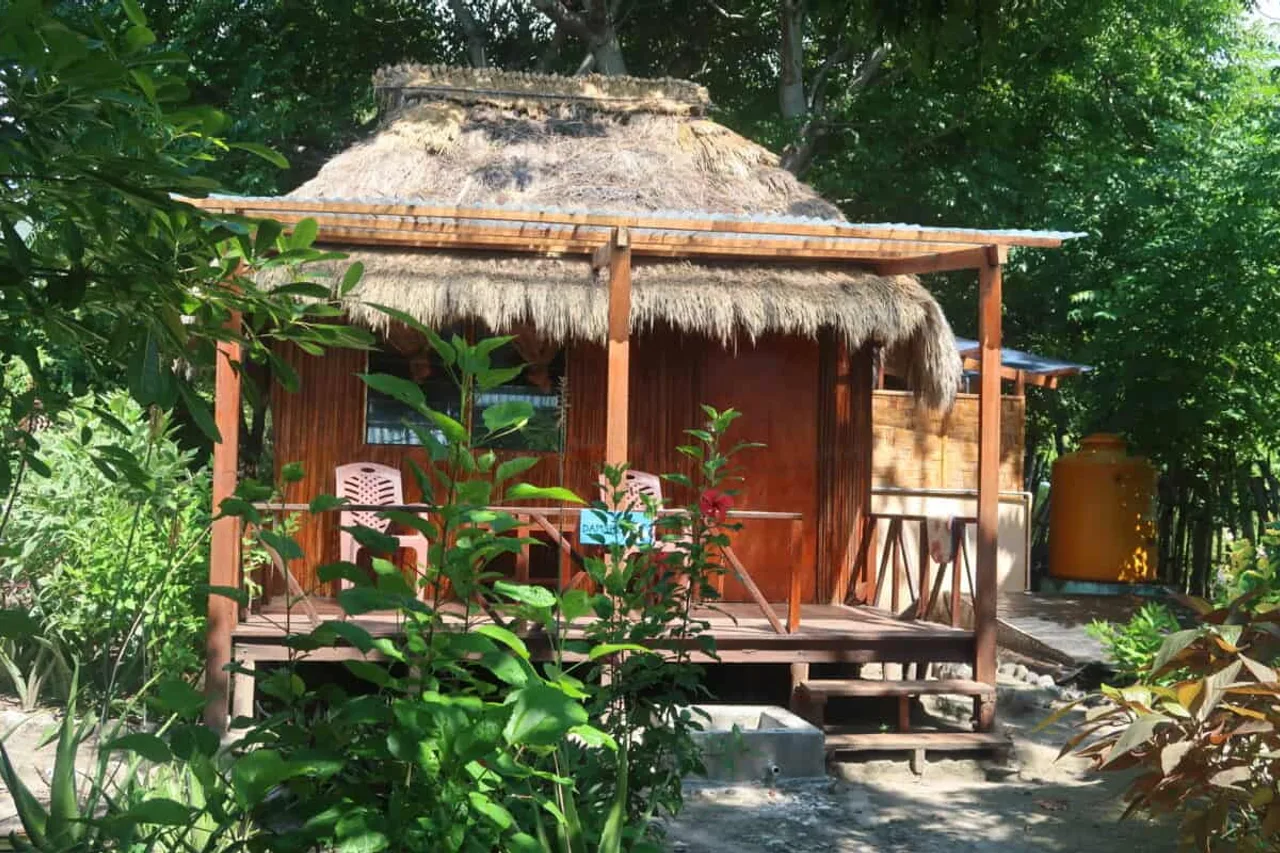
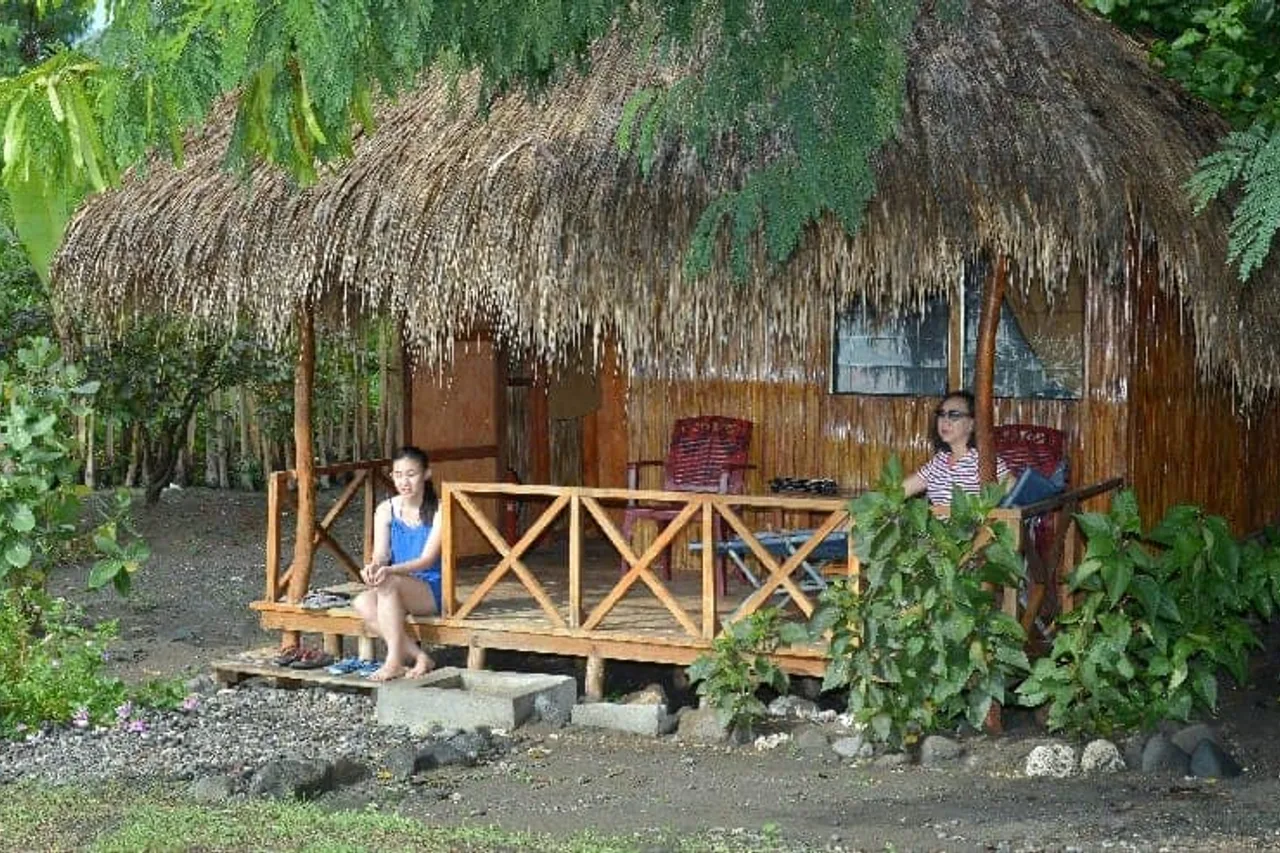
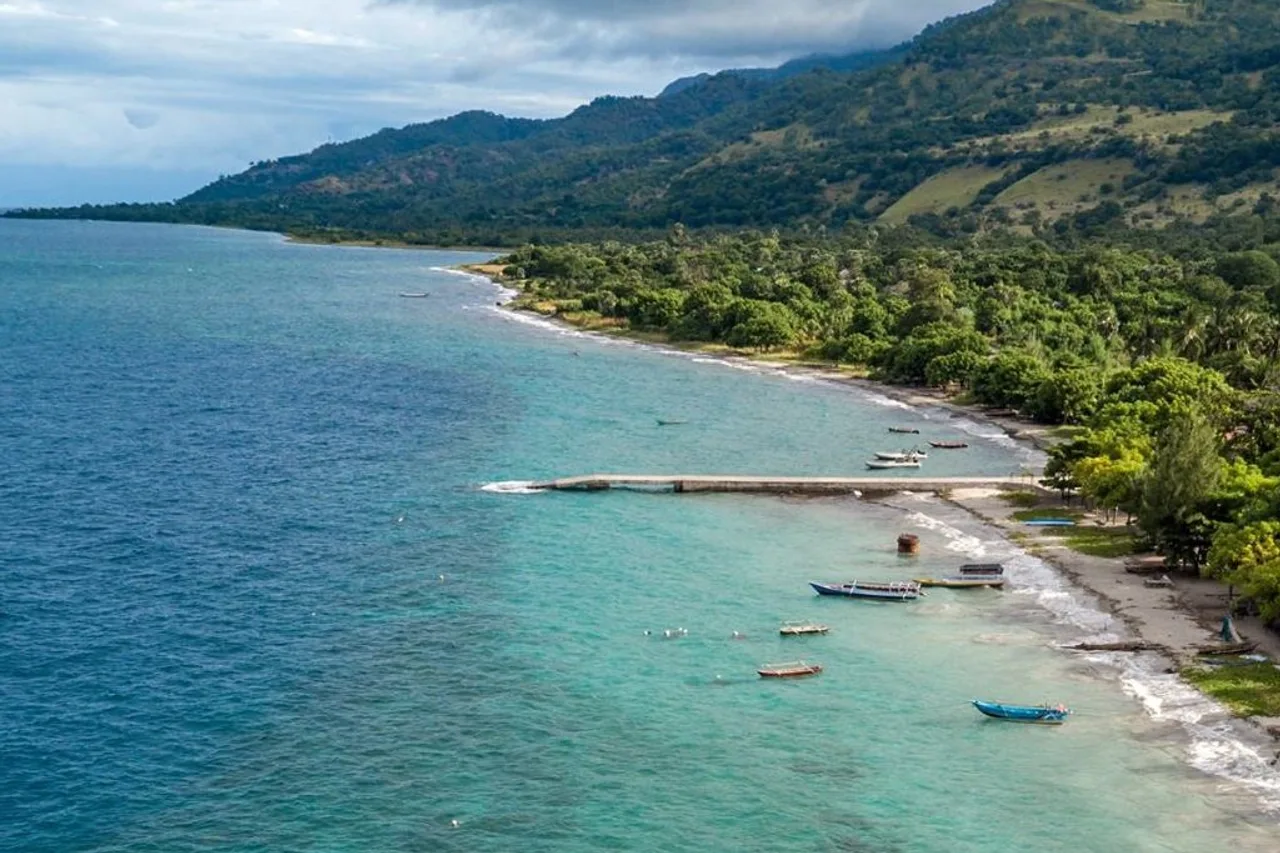
Picture a row of small wooden bungalows with thatched roofs strung along Beloi Beach — step off the veranda and you're standing in white sand staring at water clear enough to spot fish from shore. That's the vibe at Atauro Dive Resort. There are around 14 units, a mix of doubles and family rooms, decorated in straightforward tropical eco-lodge style — no superfluous extras, just soft beds under white mosquito netting, polished wood floors, and a hammock strung on every veranda for an afternoon's worth of staring at the sea. Some units face the water directly and catch the sunset over the deck; others tuck under coconut palms for shade and a few extra degrees of cool. Bathrooms are partly open-air for light, plumbed with a mix of collected rainwater and local well water. Power comes from solar panels and runs on a schedule. There's no air-con, just ceiling fans — but the sea breeze runs strong enough at night that you can leave the veranda doors open, listen to the surf, and sleep just fine. If your idea of a great stay is raw, beachfront glamping that feels real from the moment you step off the boat, this place delivers.
Food and amenities
Meals here are quietly one of the best things about the stay. The kitchen sits in an open-sided pavilion in the middle of the resort, and from mid-afternoon onward you'll smell spice and hear fish being filleted. The headline ingredient is whatever the local fishermen dropped off that morning — tuna, red snapper, and seasonal lobster — paired with rice and vegetables from the village garden next door. Dinner is set-menu, changing nightly, and a lot of reviews call it surprisingly excellent: simple but cooked with care, eaten communally with other guests trading dive stories from the day. Mornings start with strong Timorese coffee, fresh bread, fruit, and eggs from village hens. As the sun drops, the small bar pours cold beer and a few decent wines hauled across the strait from Dili. Sitting on the wooden veranda with a drink, listening to the waves over a Bluetooth speaker playing local tracks — that's about as content as a Friday night gets. The on-site dive centre is the other big amenity: full PADI training, well-maintained gear, and divemasters who actually know the reef.
Location and getting there
The resort is on the east coast of Atauro Island, a volcanic peak about 25 km north of Dili across the Timor Sea. The two ways across are the Berlin Nakroma public ferry — about 1 hour, leaving Dili Saturday and Tuesday mornings, very affordable — or a speedboat run by Compass Diving or Dive Timor in about 25 minutes, more expensive but flexible on days. Either way you land at Beloi jetty, and the resort is a five-minute walk along the beach. From Dili Airport (DIL), it's about 15 minutes by taxi to the ferry terminal, so a same-day arrival is doable if your flight lands before the ferry sails. The reef is the headline, but the island itself is worth exploring — guided hikes climb to a central ridge with views across to West Timor, and the village of Vila on the west coast is where you'll find tais weavers working backstrap looms exactly as their grandmothers did. Everything is bike or short-truck distance.
Things to know before booking
Let's be honest, because this matters. First: USD cash only, and no ATMs anywhere on Atauro. Withdraw enough in Dili to cover the room, your dive packages (around US$90-120 a day for two dives), food, drinks and tips — and bring an extra US$50-100 buffer for the inevitable extras. Second: power and Wi-Fi run on the solar schedule, so expect daytime blackouts and don't plan to take Zoom calls from your bungalow. Rooms have ceiling fans, not air-con. Third: the Berlin Nakroma ferry only sails some days each week (usually Saturday and Tuesday), and during the January-to-March monsoon, seas get rough and crossings can be cancelled outright — build a buffer day into your Dili itinerary. A few reviews mention mosquitoes around dusk, so pack repellent and long sleeves. Tap water in the rooms is brackish well water — fine for showering, not for drinking — but the resort provides free bottled water. Most Western passports get visa-on-arrival for Timor-Leste (30 days, around US$30 cash) at Dili Airport.
Our take
After reading through reviews from international divers and a few Thai-language travel write-ups, here's where we land: Atauro Dive Resort doesn't sell luxury. It sells something rarer — a reef that scientists rank as the most biodiverse on Earth, sitting one step off your veranda; a wooden bungalow that opens onto sand and surf; fresh seafood eaten with strangers who become friends in three nights; and an off-grid pace that genuinely separates you from the city. If your dream trip looks like that — diving with rare fish, falling asleep in a hammock, sharing dinner with people from four continents — this place delivers fully. If you need fast Wi-Fi, ice-cold air-con, and the ability to swipe a card for everything, look elsewhere. Overall we score it 8.4/10. Best for serious divers, nature-first travelers, and solo wanderers who want a corner of Timor-Leste that hasn't been discovered yet.
Score Breakdown
Assessed by our editorial team from data and real guest reviews
The Honest Verdict — pros & what to know
- Unbeatable location for divers — the Atauro reef ranked highest biodiversity on Earth in a 2016 Conservation International survey, averaging over 250 reef-fish species per dive site.
- Local divemasters who know every corner of the reef — guests consistently praise their safety standards and attentiveness, and their knack for spotting tiny nudibranchs and elusive white-tip reef sharks.
- Wooden bungalows that open straight onto Beloi Beach — step off the veranda into sand and water clear enough to see fish from shore. Several units face the sea directly and catch a postcard sunset.
- Food cooked fresh in the open-air kitchen — local fishermen drop off the day's catch (tuna, snapper, seasonal lobster), paired with rice and vegetables from community gardens. Multiple reviews call the dinners surprisingly excellent.
- Tight ties to the Beloi village community — most staff are local, and the resort arranges trips to see tais weaving and guided hikes to the island's ridge viewpoint with village guides.
- USD cash only — no credit card terminals, and there are no ATMs anywhere on Atauro Island. You must withdraw enough in Dili before boarding the ferry to cover the room, dive packages, food, drinks and tips.
- Power and Wi-Fi run on the island's solar schedule — long outages are possible, and rooms have ceiling fans only (no air-con). Come prepared for glamping, not a polished hotel.
- The Berlin Nakroma ferry only sails a few days a week, and the January-to-March monsoon brings rough seas and cancellations. Check the schedule and pad your itinerary with a buffer day.
Who It’s For
Match Score by travel style
Amenities
Location & Nearby Spots
Things to do near Dili
Day tours, attraction tickets and experiences around Dili — book ahead on Klook with mobile e-tickets.
See activities in DiliAffiliate link — we may earn a commission at no extra cost to you.
Insider Tips
- Withdraw enough USD cash in Dili before boarding — budget roughly US$90-120 a day for room plus a 2-dive package, plus another US$50-100 buffer for meals, drinks and tips.
- Book the Berlin Nakroma ferry ahead (it leaves Dili Saturdays and Tuesdays). For speed, take the Compass Diving or Dive Timor speedboat instead — about 25 minutes, but more expensive.
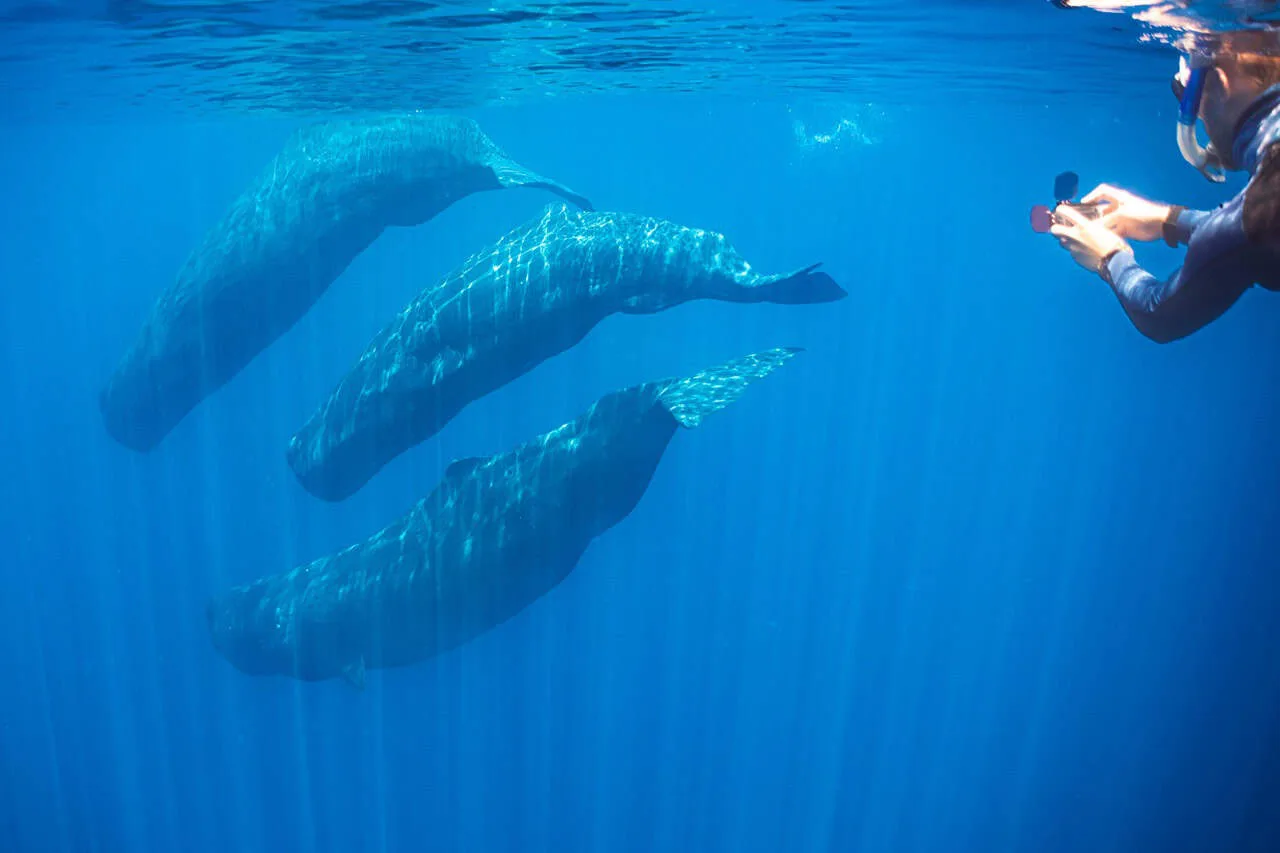
- Visit October to December for pilot-whale season — pods transit the Wetar Strait. Ask the resort to arrange a morning boat tour; sighting odds are high and the photos are unforgettable.