
Aranwa Cusco Boutique Hotel
by the TopOfHotel team
Aranwa Cusco is a night inside a 400-year-old colonial mansion packed with real Cusco School art, an oxygen tank beside the bed and unmistakably warm Peruvian service — and that historic atmosphere two blocks off the main square is the thing you simply cannot get elsewhere.
Aranwa Cusco is a night inside a 400-year-old colonial mansion packed with real Cusco School art, an oxygen tank beside the bed and unmistakably warm Peruvian service — and that historic atmosphere two blocks off the main square is the thing you simply cannot get elsewhere.
In-Depth Review
Rooms and decor
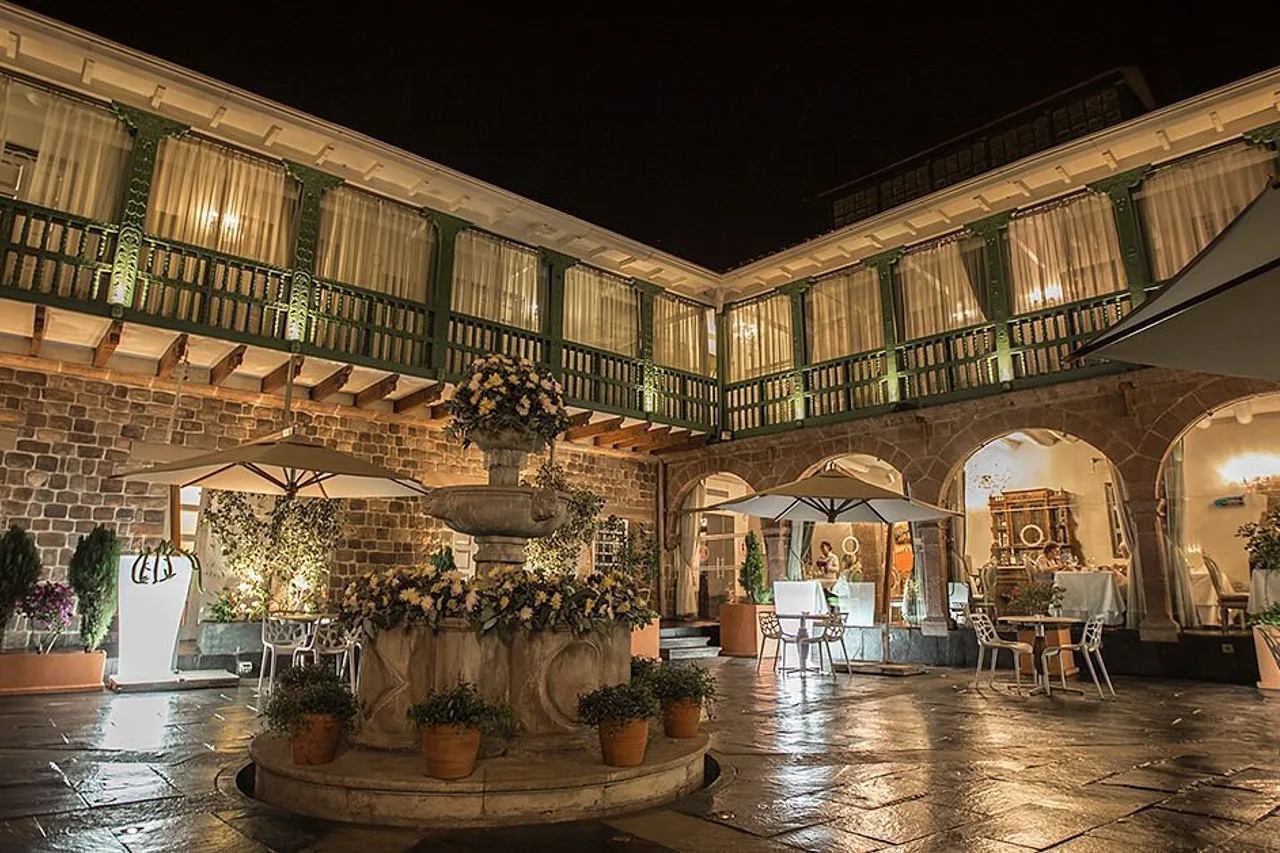
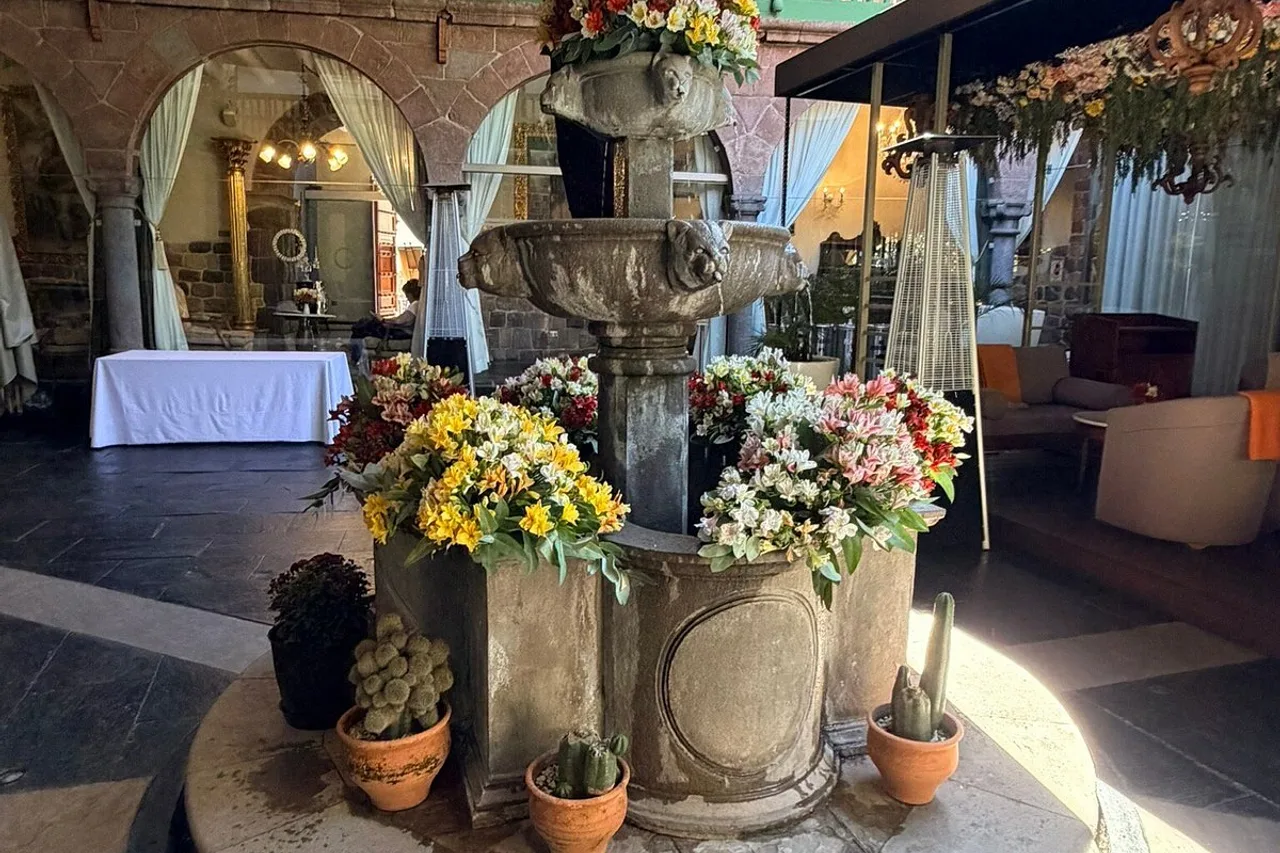
Picture this: you step out of the bustle of the Plaza de Armas, turn down a narrow stone lane in Centro Historico just two blocks along, and find a tall, weathered wooden door that looks like any other old house. Push it open and a different world greets you at once — a wide stone courtyard with a small fountain at its centre, carved wooden balconies running around the upper floor, and walls that still show layers of Inca and Spanish construction stacked on top of each other. This is Aranwa Cusco Boutique Hotel, a 16th-century Spanish colonial mansion the Peruvian government registered as a National Historic Monument back in 1980, restored into a 43-room 5-star boutique stay that lets you sleep inside living history. No two rooms are alike, since they follow the shape of the old building — some have high wood-beam ceilings, some bare Inca stone walls, and all of them carry warm Andean textiles, wool rugs, and a soft bed you will want to collapse into after a full day exploring.
Food and amenities
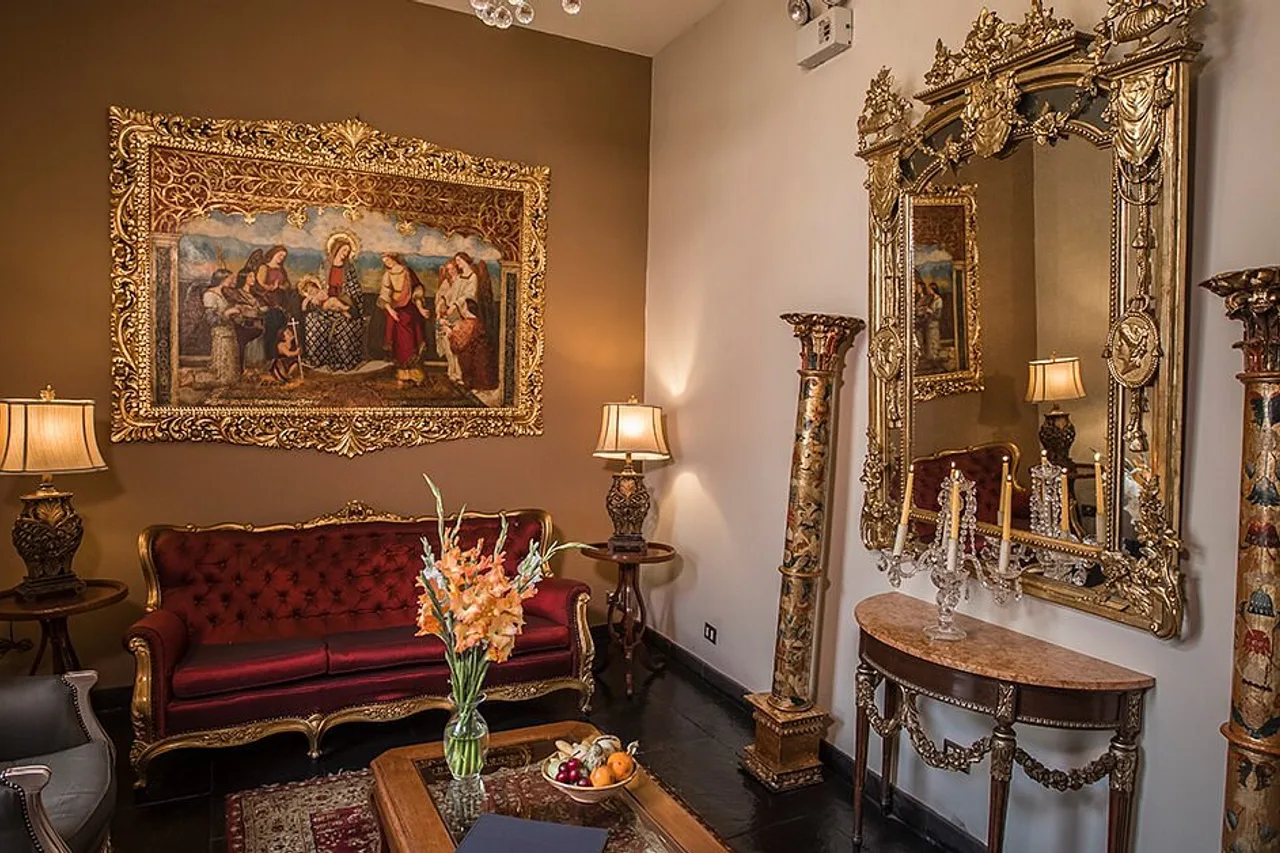
What sets Aranwa apart from the usual Cusco luxury hotel is its Cusco School art collection — roughly 300 colonial-era Cusquena pieces spread along the corridors, the lobby, and the rooms, alongside religious sculpture and antiques arranged with real care. Walking to breakfast feels like passing through a quiet private museum; staff say many pieces come from the Aranwa group owner's own collection, meant to give guests the real roots of Peruvian culture rather than mere decor. The in-house restaurant, Inkafe, serves contemporary Peruvian food built on local ingredients — quinoa, alpaca steak, and dozens of Andean potato varieties — plus a pisco sour several reviewers call the best of their trip. The Aranwa Spa, set in a restored basement, runs treatments drawn from traditional Andean healing, and plenty of guests rate it a real relief after a full day climbing Sacsayhuaman.
Location and getting there
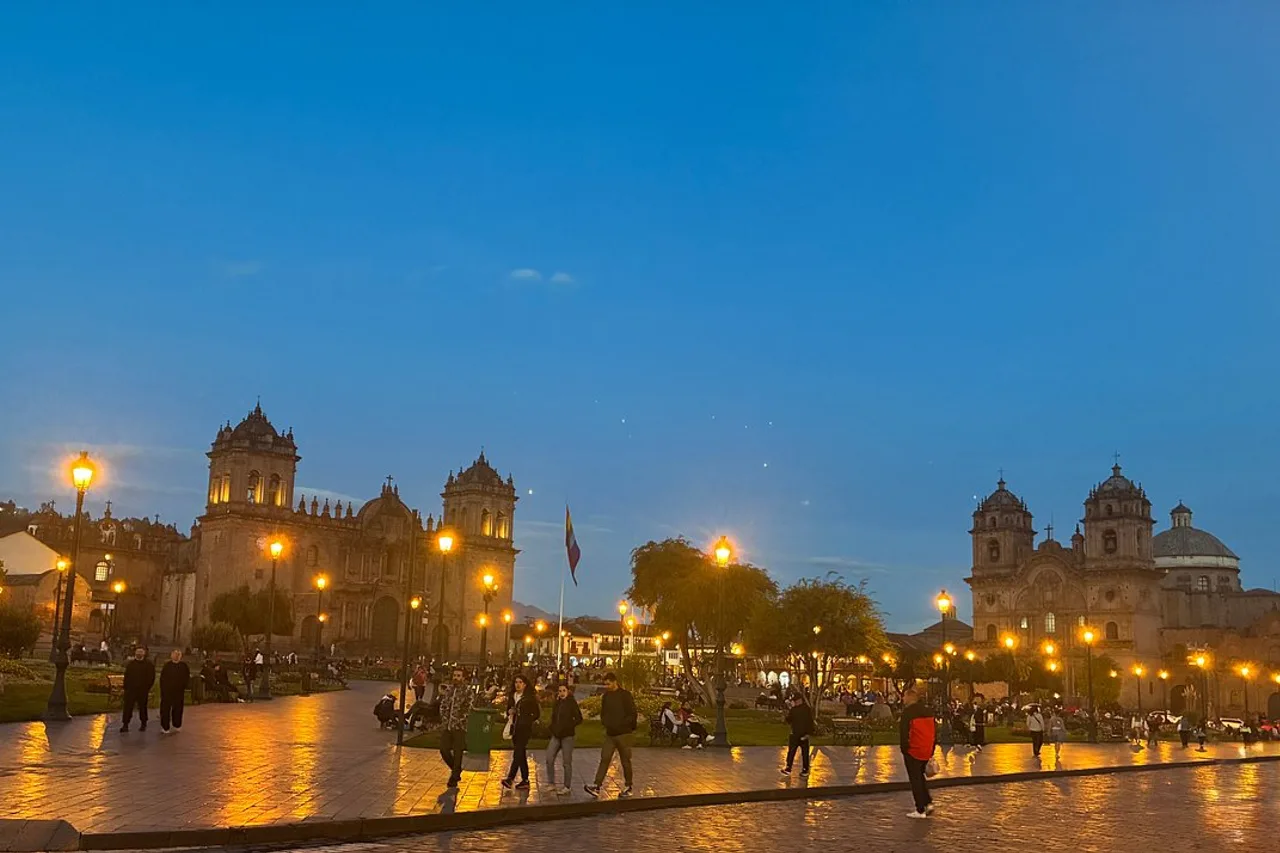
Location is the trump card here. Aranwa sits on Calle San Juan de Dios in Centro Historico, just two blocks — a 3-4 minute walk — from the Plaza de Armas. The Iglesia de la Compania de Jesus church and the local San Pedro market are both minutes away on foot. What surprises many reviewers is how quiet the lane stays despite all that: wake up early and you mostly hear church bells and birdsong, none of the traffic or tourist noise you get standing in the square itself. Wanchaq station, the PeruRail starting point for Machu Picchu, is about 10 minutes by taxi, and the domestic airport, Alejandro Velasco Astete (CUZ), is only 15-20 minutes out. The hotel runs pre-booked airport transfers, and the concierge is used to arranging full trips to the Sacred Valley, Ollantaytambo, and Machu Picchu.
Things to know before booking
Straight talk to help you decide: because the building is a genuine old mansion, the rooms are not all neatly square, and some standard rooms run fairly small for a modern 5-star. If the budget allows, upgrading to a Junior Suite or Master Suite gives you clearly more space, and a few suites show off an Inca stone wall right in the room. The complaint that comes up most in reviews is Wi-Fi — the thick old stone walls block the signal, so rooms set deep in the building may push you to work from the lobby or a nearby cafe; if you are coming for a workation, flag it in advance and ask for a room with a strong connection. Restaurant prices also run well above the city's many cheap, excellent eateries (normal for a 5-star, but in Cusco it pays to eat out). Last, the weather: during Peruvian winter (June to August) Cusco gets cold at night, and the heating in some rooms may not be warm enough for the cold-prone. Ask for an extra blanket without hesitation — the service is good.
Our take
Having read through hundreds of real reviews, Aranwa Cusco Boutique Hotel is the hotel that sells the experience of actually sleeping inside a 400-year-old colonial mansion, with a genuine Cusco School art collection you will not find elsewhere, a central old-town location two blocks from the Plaza de Armas that stays unexpectedly quiet, and the warm Peruvian service reviewers praise almost unanimously. If your trip in your head is waking in a carved-wood-ceiling room, sipping warm coca tea over the stone courtyard, walking two blocks to a historic square, then soaking in the spa before a pisco sour at Inkafe, this is about as fitting a base as it gets. If instead you expect a modern hotel room with perfect square footage and strong Wi-Fi in every corner, the old mansion may not suit. Overall we give it 9.0/10 — best for couples and luxury travellers who want to soak up Cusco's history in full, and to visit Machu Picchu from a base that is beautiful, close, and genuinely helps you adjust to the altitude.
Score Breakdown
Assessed by our editorial team from data and real guest reviews
The Honest Verdict — pros & what to know
- A genuinely historic building — a 16th-century Spanish colonial mansion registered as a National Historic Monument of Peru since 1980, restored with real care to preserve the carved-wood ceilings and the original stone courtyard.
- A central Centro Historico location, roughly 2 blocks (a 3-4 minute walk) from the Plaza de Armas and close to the Iglesia de la Compania church and the San Pedro market, yet the lane the hotel sits on stays quiet and uncrowded.
- Around 300 authentic colonial-era Cusco School (Cusquena) artworks spread along the corridors and inside the rooms, so wandering to breakfast feels like walking through a private museum that happens to be alive.
- A bedside oxygen tank in every room to ease the 3,400m altitude, plus a coca-tea welcome drink at check-in that plenty of guests credit with genuinely helping their altitude sickness.
- An Aranwa spa, a gourmet kitchen serving contemporary Peruvian food, and staff that a large number of reviews praise in the same breath — warm, personable, remembering guest names and arranging full Machu Picchu and Sacred Valley trips end to end.
- Because it is a historic building, some standard rooms are fairly small and not perfectly square. If you want real space, upgrading to a Junior Suite or higher is the better value.
- The thick old stone walls leave Wi-Fi uneven in spots, especially rooms set deeper into the building — some reviewers ended up working in the lobby. If you are on a workation, ask in advance for a room with a strong signal.
- Meals in the hotel restaurant run high against the city's many cheap, excellent eateries, and the heating in some rooms can struggle on cold winter nights (June to August). Ask for an extra blanket — staff are happy to oblige.
Who It’s For
Match Score by travel style
Amenities
Location & Nearby Spots
Things to do near Cusco
Day tours, attraction tickets and experiences around Cusco — book ahead on Klook with mobile e-tickets.
See activities in CuscoAffiliate link — we may earn a commission at no extra cost to you.
Insider Tips
- Book a Junior Suite or higher if you can — some standard rooms are small and oddly shaped from the old layout, while the upgrade gives you noticeably more space and, in a few suites, an exposed Inca stone wall right in the room.
- Use the free oxygen tank and coca tea from your very first night. Cusco sits at 3,400m, and a lot of guests say it genuinely cut their altitude sickness and helped them sleep better straight away.
- Have the concierge lock in Machu Picchu tickets ahead of time, especially the PeruRail trains from Wanchaq or Poroy station — the staff know the routes and can plan your days around acclimatising to the altitude.