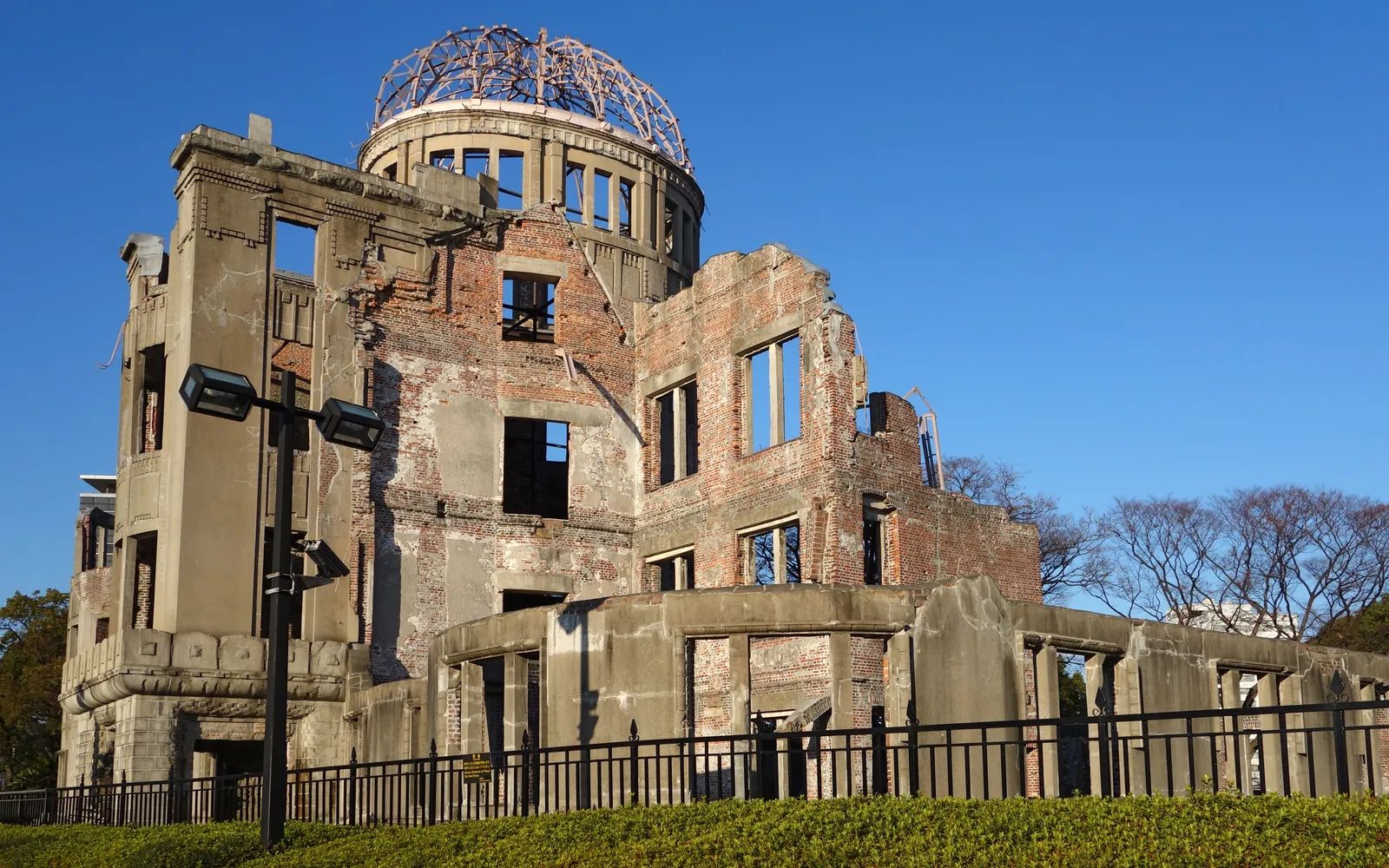
Hiroshima has a food identity that is unusually strong and unlike anywhere else in Japan. Hiroshima-style okonomiyaki is built in careful, distinct layers — a method that has nothing in common with the mixed Osaka version. And the oysters farmed in Hiroshima Bay account for over 60% of Japan's entire national output, with bay currents rich enough in nutrients to produce shellfish that grow fast and taste noticeably sweeter. Markets and local restaurants here serve the real thing — flavors you simply cannot find anywhere else.
 #1
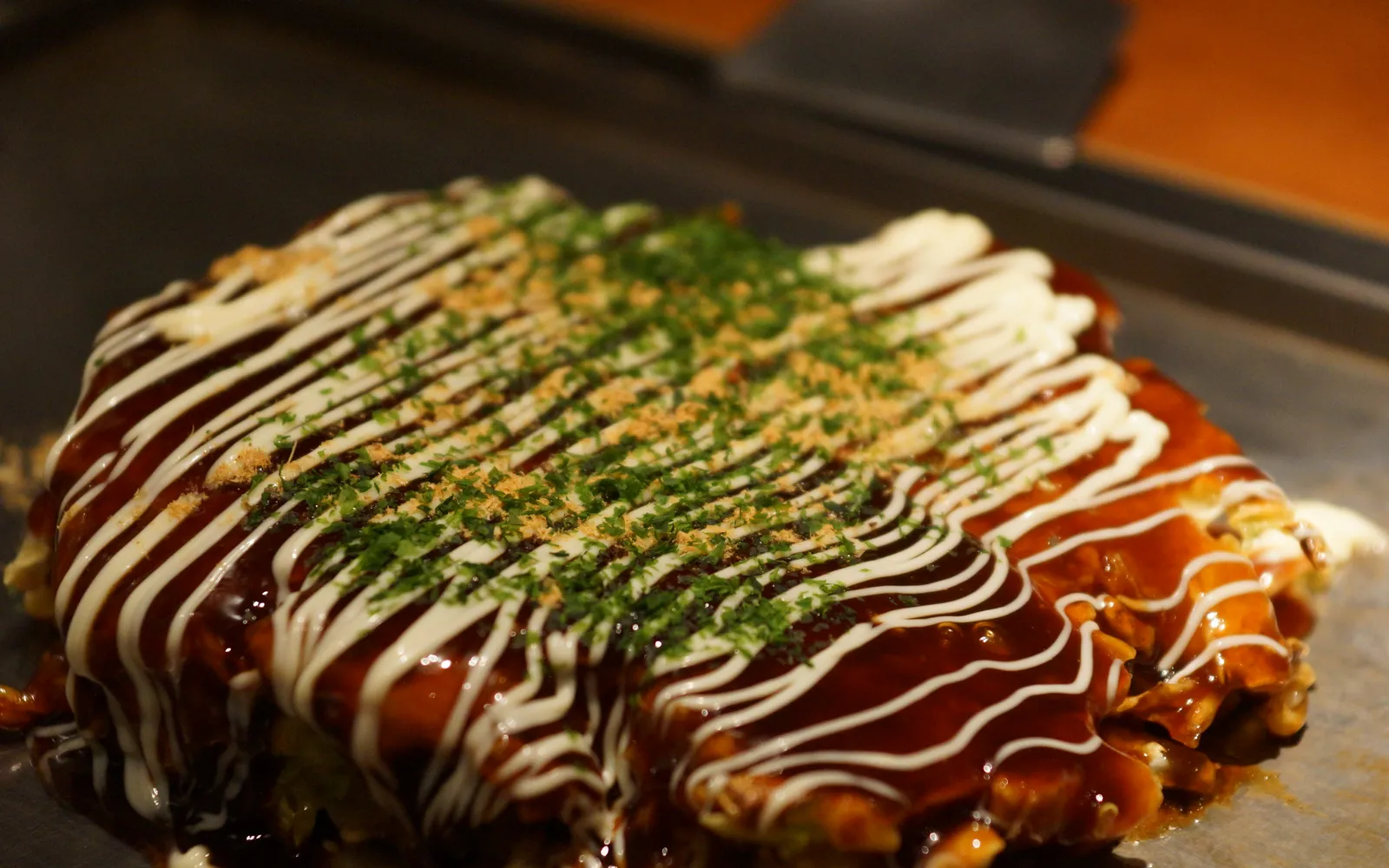
#1 Hiroshima-style Okonomiyaki
Unlike Osaka okonomiyaki, where everything is mixed together before cooking, the Hiroshima method is all about careful layering. It starts with a thin batter base, then densely packed cabbage, pork, soba noodles, and a fried egg on top, finished with a thick pour of otafuku sauce. You eat it straight off the hot iron griddle in front of you. Hiroshima locals take extraordinary pride in this dish.
- Okonomimura in the Naka district is a 3-storey building housing 24 okonomiyaki stalls — ideal for sampling and comparing several cooks side by side.
- Order 'soba-iri' for the classic thin noodle version, or 'udon-iri' if you prefer a thicker, chewier noodle.
- Watch the chef build the layers right in front of you — the live performance genuinely adds to the eating experience.
 #2
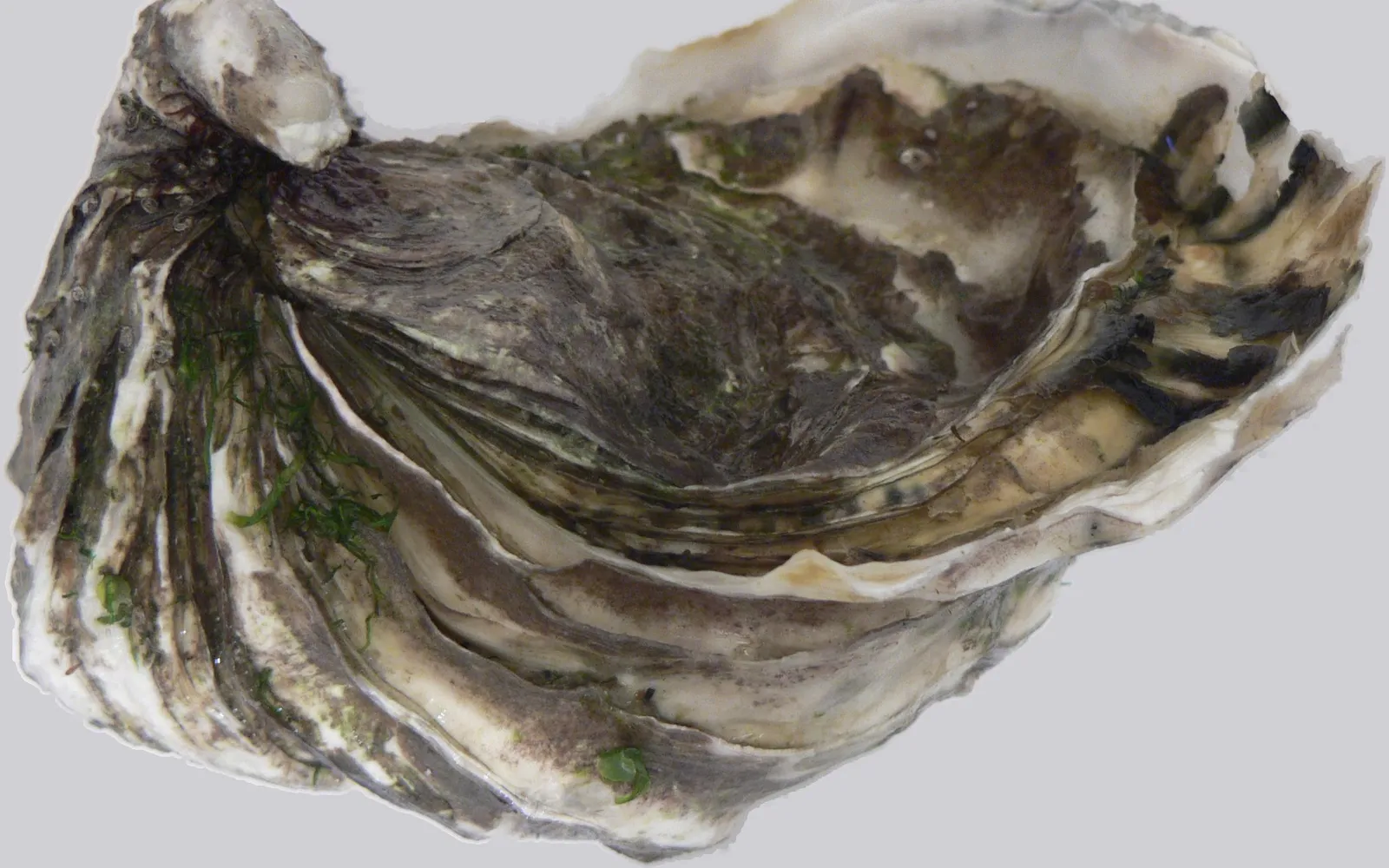
#2 Hiroshima Oysters (Kaki)
Hiroshima produces over 60% of all oysters farmed in Japan. The bay's currents are nutrient-dense, which means the oysters grow quickly and develop a noticeably mild sweetness. You can eat them raw as sashimi, grilled in the shell over charcoal, deep-fried in panko breadcrumbs as <em>kaki furai</em>, or simmered in miso soup. Winter oysters (November–March) are the fattest and sweetest.
- Winter is peak oyster season, but summer oysters farmed in deeper water are still available and worth ordering.
- Kakiya (牡蠣屋), near the Miyajima ferry pier, is a legendary oyster restaurant with a long-standing reputation.
- The grill-your-own oyster experience on Miyajima Island is an essential stop — do not skip it.
 #3
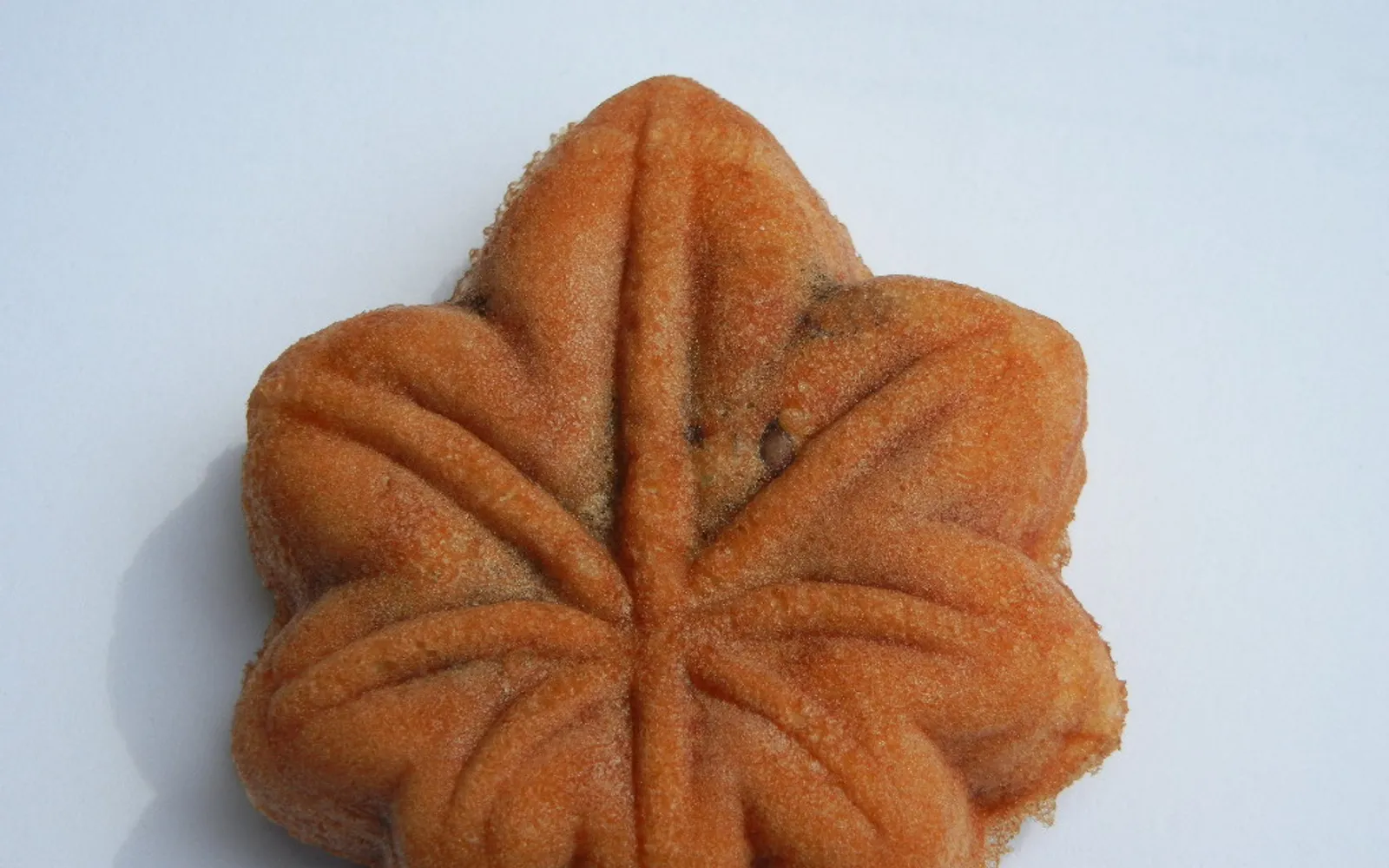
#3 Momiji Manju
These maple-leaf-shaped cakes are made from a soft castella sponge filled with sweet Japanese red bean paste, and they have been the symbol of Miyajima Island for over 100 years. Beyond the classic red bean filling, shops now offer cream, chocolate, custard, and matcha. Some bake them fresh in the doorway so you can watch. They are cheap, fragrant, and keep well for several days — a practical souvenir.
- Yamadasuya and Fujitaya on Miyajima Island are the two most celebrated shops.
- Try 'age momiji' (deep-fried) from Miyajima Ropeway Service — a newer preparation that is crisp outside and soft within.
- Boxed sets make excellent take-home gifts; the packaging is neat and presentable.
 #4
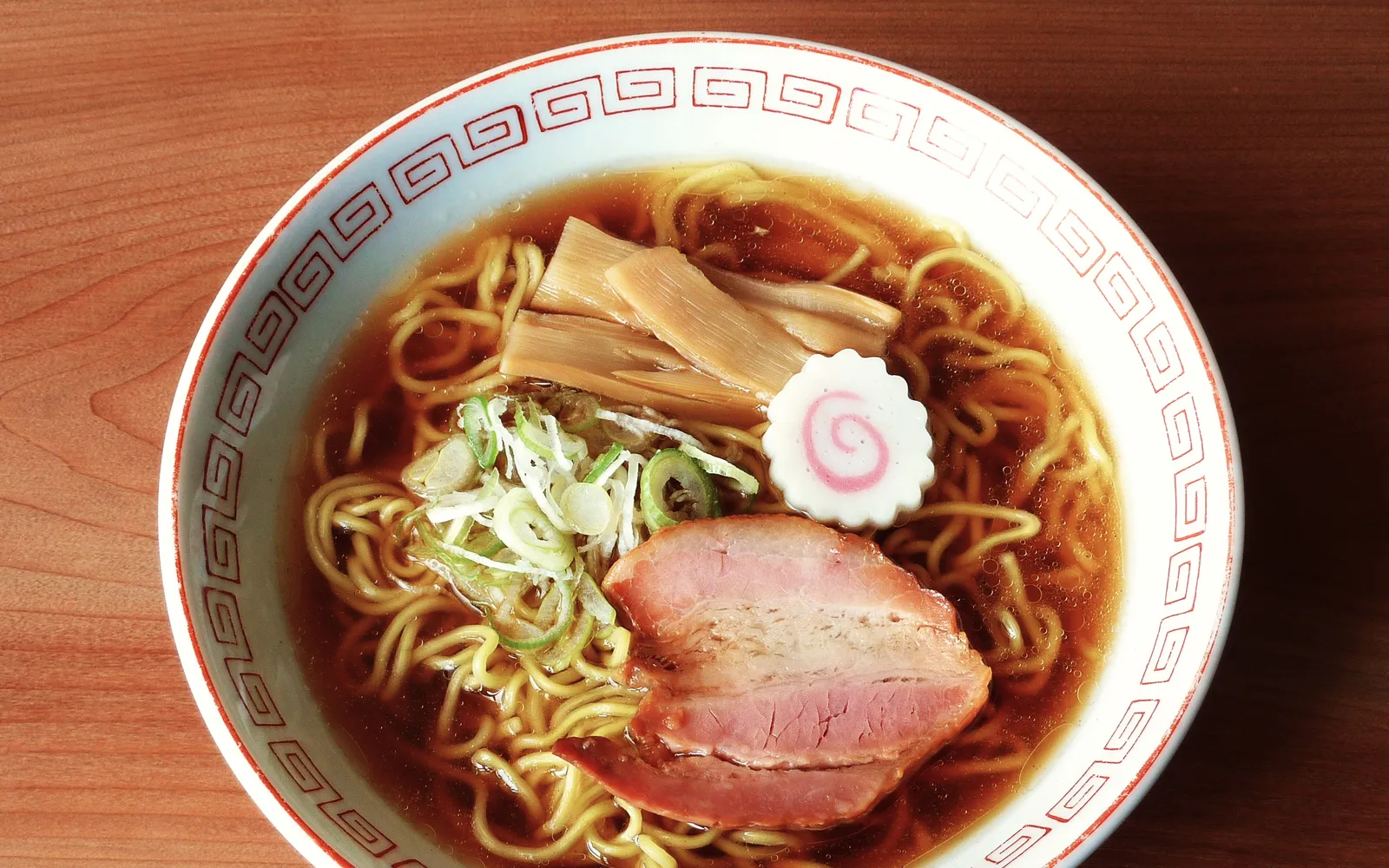
#4 Hiroshima Ramen
Hiroshima ramen is defined by its clear but deeply colored broth — soy sauce blended with chicken or pork stock. It is not thick like tonkotsu or miso-based ramen, but the depth of flavor is real and layered. The noodles are thin and cooked just right. Standard toppings are thinly sliced chashu pork, fried gyoza, pickled bamboo shoots, and sliced spring onion. Many shops run recipes passed down across multiple generations.
- Sato in Yokogawa is a 70-year-old ramen institution that stays open until 3 a.m.
- Ask for 'kaedama' — a free extra serve of noodles — at shops that offer it.
- Locals eat ramen late, after 10 p.m., as a post-drinking ritual. It is part of the culture here.
 #5
#5 Anago-meshi (Conger Eel Rice)
Miyajima Island's other great dish alongside the oysters. <em>Anago</em> — conger eel fished from the Miyajima Strait — is grilled over charcoal and glazed with a sweet-savory sauce that resembles unaju, but the flesh is lighter and less fatty. It is served over Japanese rice in an elegant woven wooden box. People on the island have been eating this for several hundred years.
- Fujitaya, founded in 1900, is the oldest anago-meshi restaurant on the island.
- Anago-meshi bento boxes at Miyajimaguchi Ferry Terminal are well suited to eating on the train — a practical option if you are moving on.
- Anago differs from unagi (freshwater eel): the flesh is lighter and availability is not restricted to a single season.
 #6
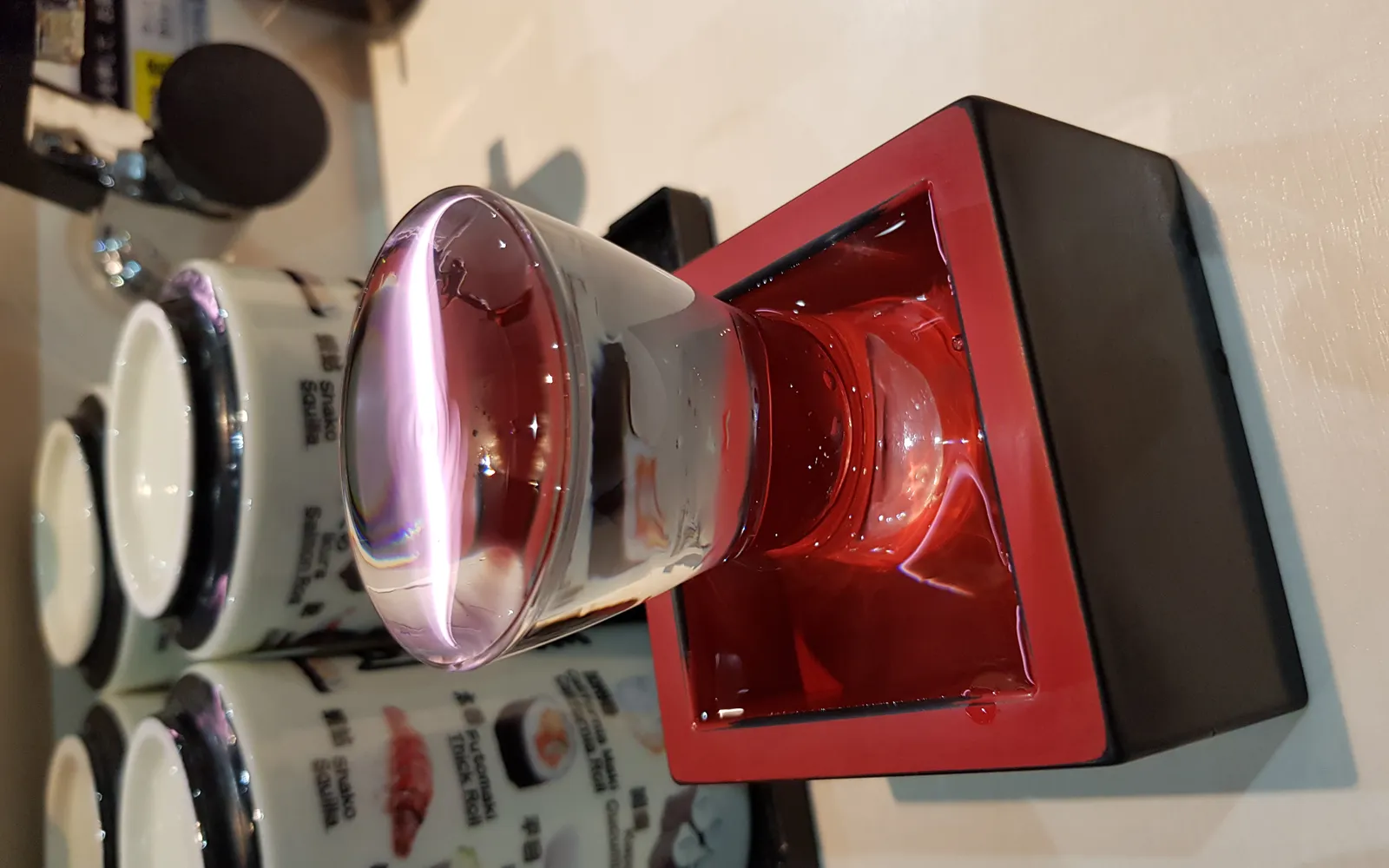
#6 Hiroshima Sake (Nishino-ichi, Kamotsuru)
The <strong>Saijō</strong> district in Higashi-Hiroshima is one of Japan's three largest sake-producing centers. Eight breweries stand side by side along a single stretch of road, each with a tasting room and retail shop. The exceptionally soft water flowing down from the Chugoku Mountains gives Hiroshima sake its signature gentle sweetness. The annual <strong>Sake Matsuri</strong> festival runs every October.
- The Saijō Sake Festival (October) draws over 200,000 visitors — book accommodation well in advance.
- Buy small bottles to taste across several breweries; each producer has a distinct flavor profile.
- Kamotsuru and Taketsuru are the two brands with the widest international export presence.
Where to stay in Hiroshima for this trip
A well-located hotel means less commuting and more sightseeing. Here are real, top-rated stays in Hiroshima — compare Agoda · Booking · Trip.com in one click.
Hotel Granvia Hiroshima
Affiliate links — we may earn a commission at no extra cost to you. Details
Mitsui Garden Hotel Hiroshima
Affiliate links — we may earn a commission at no extra cost to you. Details
Sheraton Grand Hiroshima Hotel
Affiliate links — we may earn a commission at no extra cost to you. Details
Hilton Hiroshima
Affiliate links — we may earn a commission at no extra cost to you. Details
Tours, tickets & activities in Hiroshima
Day tours, attraction tickets and travel essentials for Hiroshima — book ahead on Klook with mobile e-tickets.
Affiliate links — we may earn a commission at no extra cost to you.
Before You Pack
Hiroshima's food is not simply about good eating — each dish carries the pride of a city that rebuilt itself from the ground up through the work of its own people. Work through everything on this list and you will understand exactly why the people who live here are so deeply attached to the place.