Hakone is more than hot springs and views of Fuji. The food here is genuinely part of the journey — black eggs slow-boiled in sulfurous spring water, fresh soba ground from mountain buckwheat, steaming manju sold outside the train station. Every bite is tied to the landscape and the onsen-resort culture Hakone has been building for hundreds of years. Try them all before you head home.
 #1
#1 Kuro-tamago (Black Eggs)
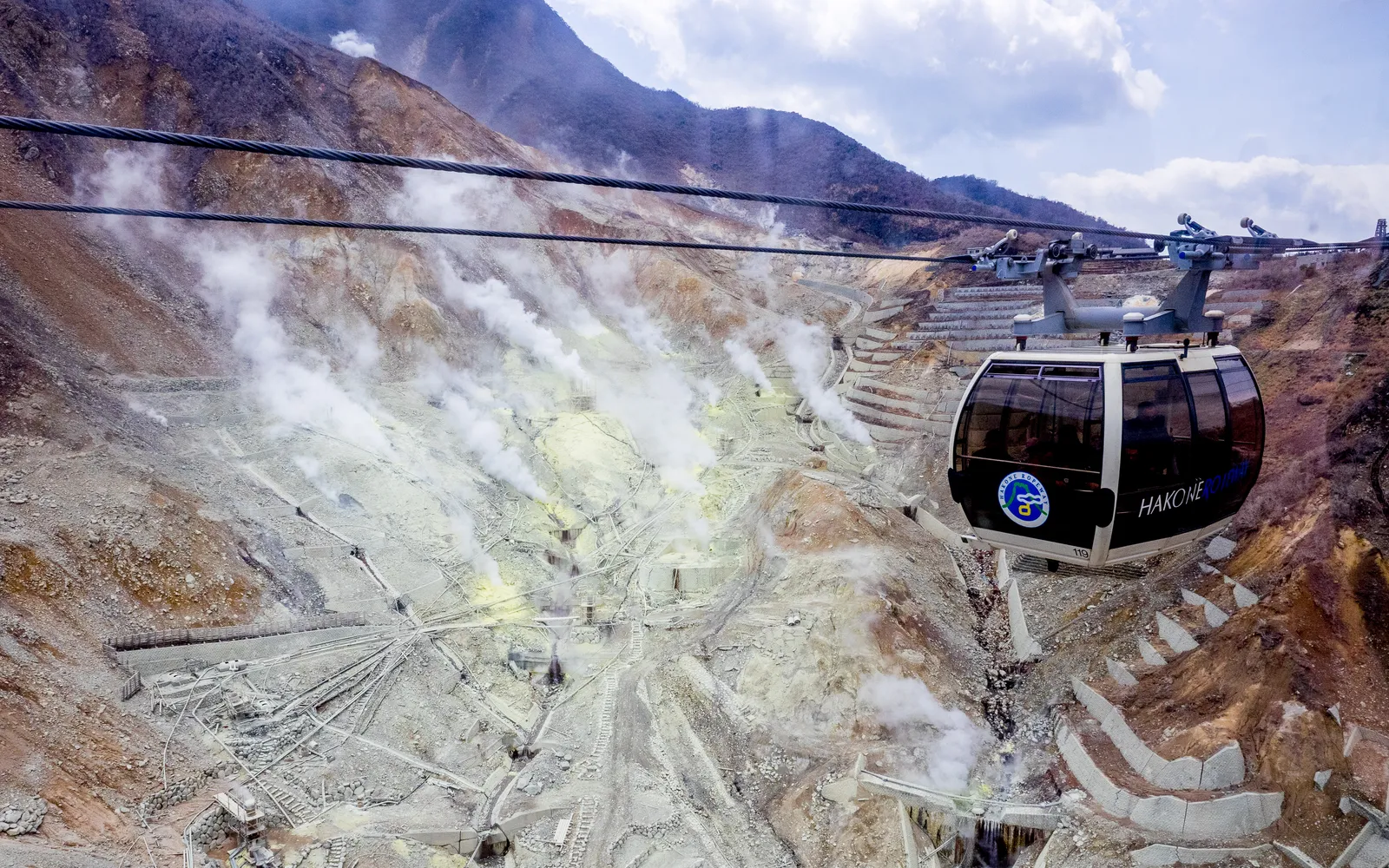
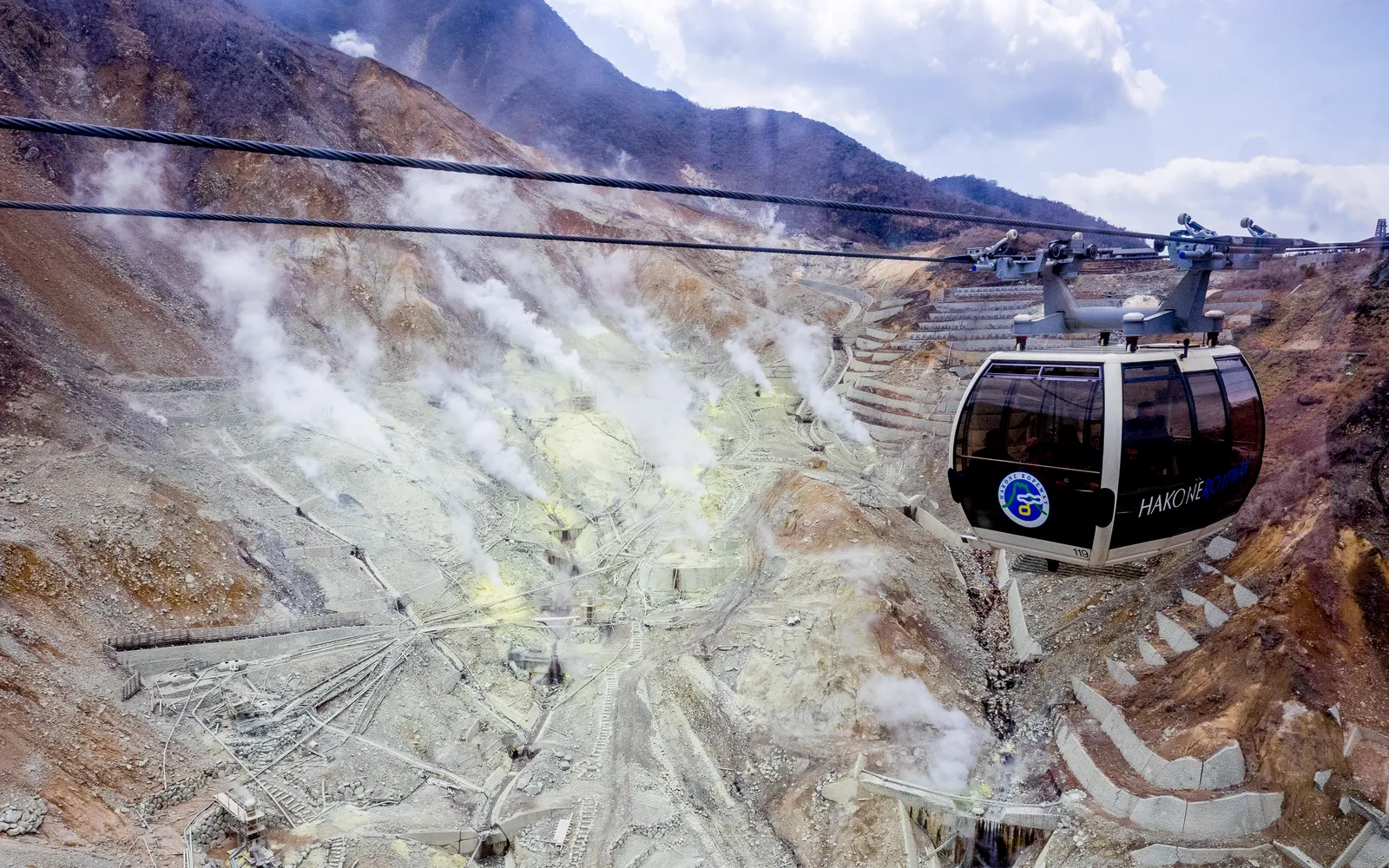
These eggs are boiled for 1 hour in a hot spring at 80°C. Hydrogen sulfide gas reacts with iron in the water, turning the shell a glossy black — while the white and yolk inside stay perfectly normal. Local legend holds that eating one egg extends your life by 7 years, with two being the maximum. They are sold nowhere else in Japan, a recipe pioneered by a local company in 1955.
- Sold in bags of 4 for ¥500 at Oowakudani Kurotamagokan — no other vendor carries them
- You must ride the Hakone Ropeway up to Owakudani to buy them; they are not available at any other stop
- The taste is identical to a regular boiled egg — the draw is the jet-black shell and the sulfur-tinged atmosphere around you
 #2
#2 Hakone Soba
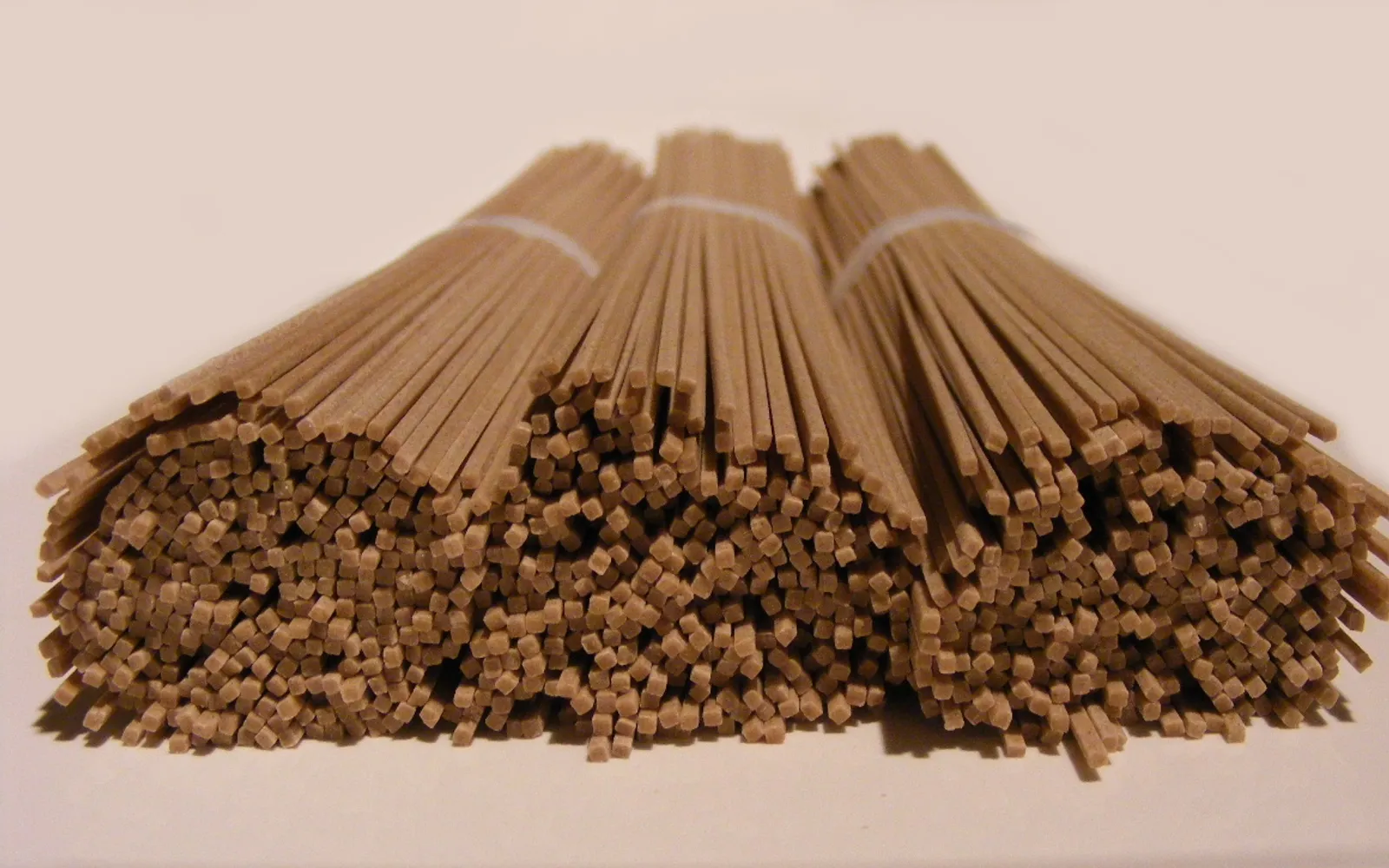
The cool mountain air and clean spring water give Hakone soba a particularly nutty buckwheat aroma. Hatsuhana Soba, one of the area's most respected shops, serves Jinenjo Soba — noodles blended with wild mountain yam that give a chewier, more elastic texture than standard buckwheat. In winter most diners order them hot in broth; in summer, chilled and dipped in cold dashi. Both versions are worth trying on their own terms.
- Hatsuhana Soba Main Store in Hakone-Yumoto draws long queues on weekends — arrive before 11:30 am
- Cold soba comes with freshly grated wasabi; use it sparingly so it doesn't drown the buckwheat flavour
- If the menu lists Tempura Soba with seasonal mountain vegetables, order it
 #3
#3 Onsen Manju
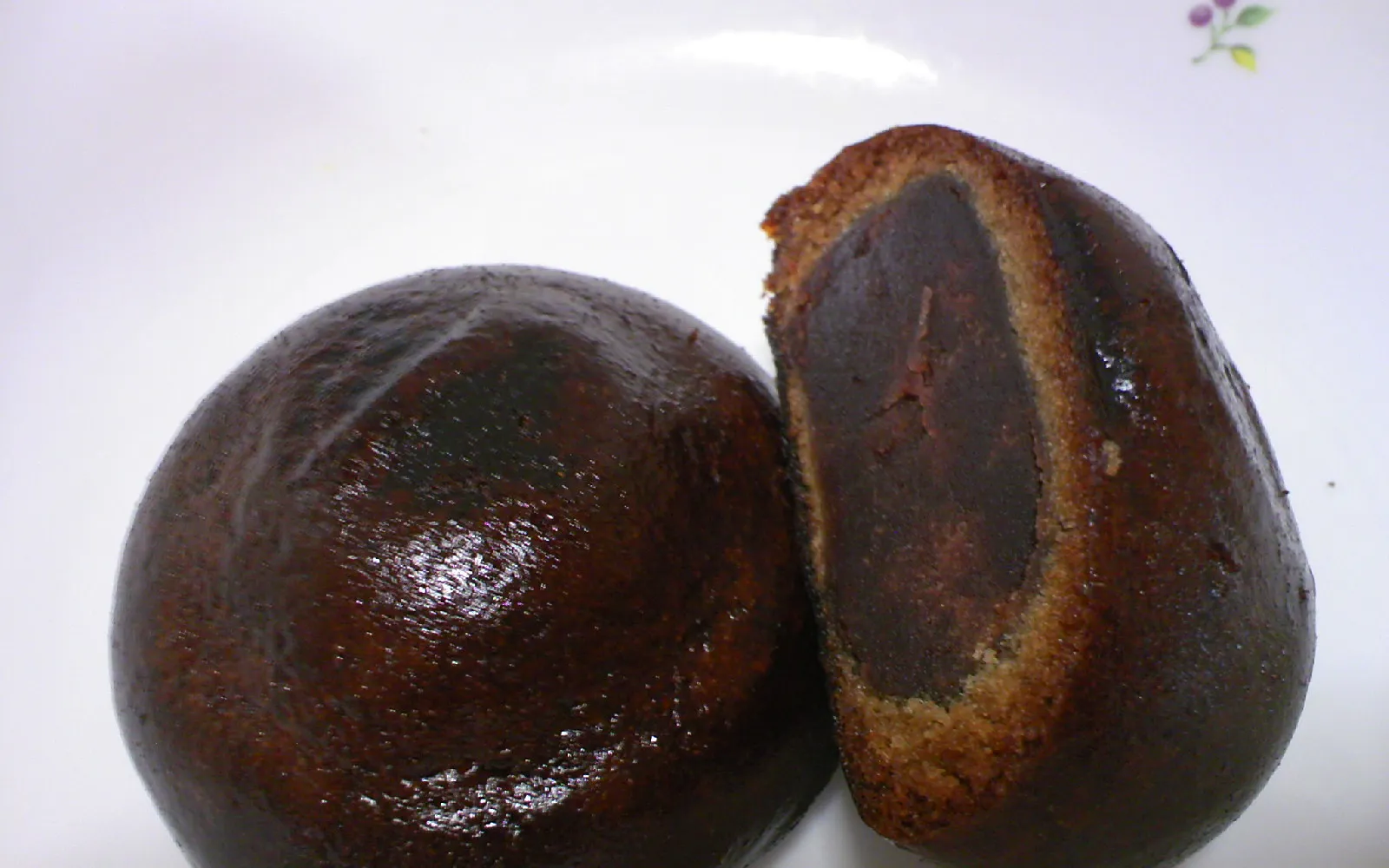
These small brown buns have a soft, fragrant skin and a sweet azuki red-bean filling, steamed with sulfurous hot-spring vapour that gives a faint, distinctive aroma. They are sold hot in small bags right outside shops — ideal for eating as you walk. Pair with green tea or cold barley tea and they shine. They are also the single most popular souvenir out of Hakone.
- Inariya in Hakone-Yumoto has been selling manju for decades and is considered the original
- Buy a boxed set to take home as a gift, or buy them one at a time to eat fresh off the tray
- Beyond red bean, look for matcha and sesame fillings
 #4
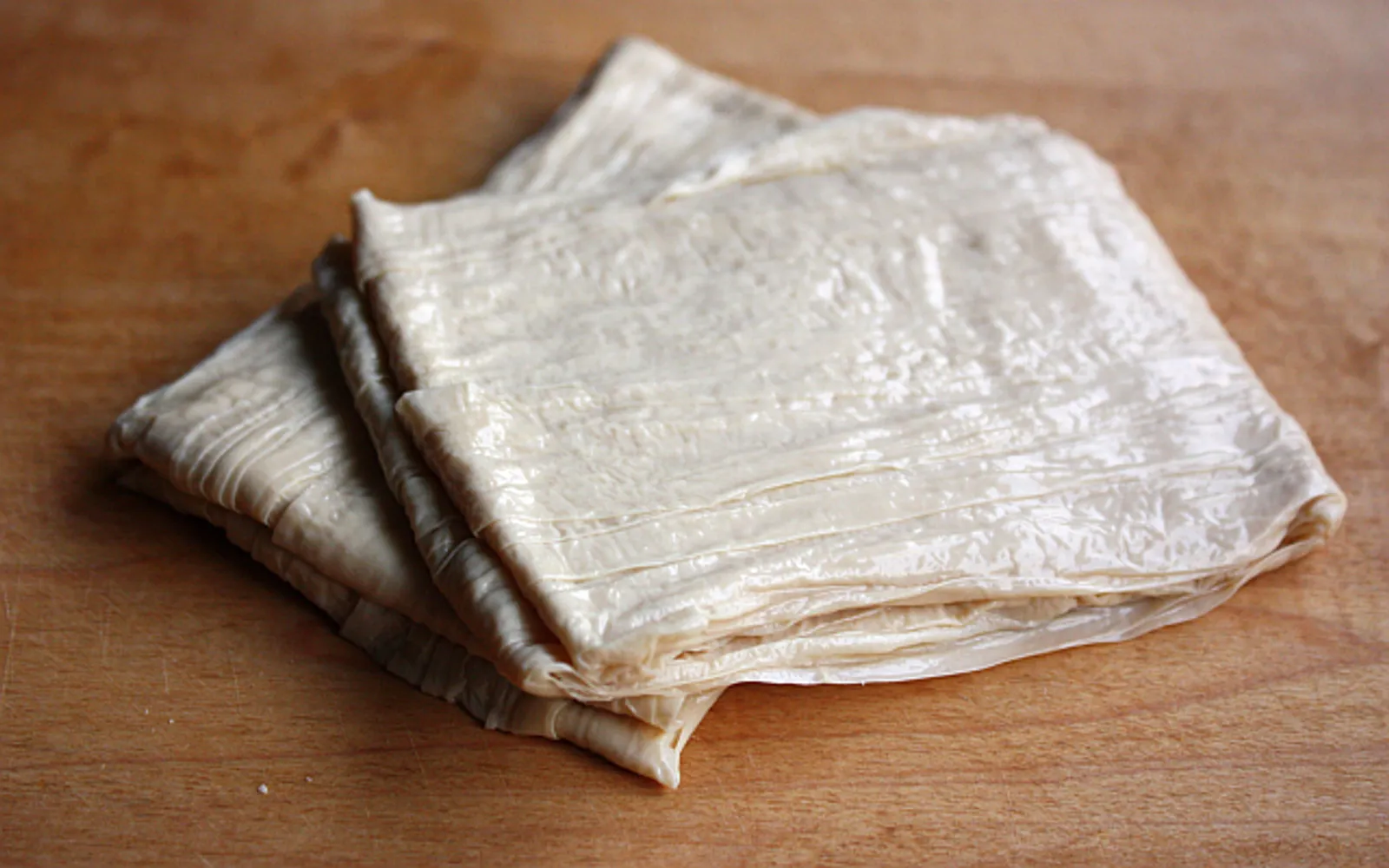
#4 Yuba (Tofu Skin)
Yuba is the thin film that forms on the surface of heated soy milk and is lifted off in delicate sheets. The flavour is mild and nutty; the texture is silky and gentle. It is served raw (sashimi-style) with soy sauce for dipping, in miso soup, or hot in a small hot pot. Hakone's ryokan tradition has featured yuba in kaiseki meals for generations — valued because it is light and considered good for the body.
- Order Yuba Sashimi chilled — the flavour is cleaner than the cooked versions
- Most traditional ryokan include yuba as part of the multi-course kaiseki dinner
- It costs noticeably less than in Tokyo because it is made fresh locally
 #5
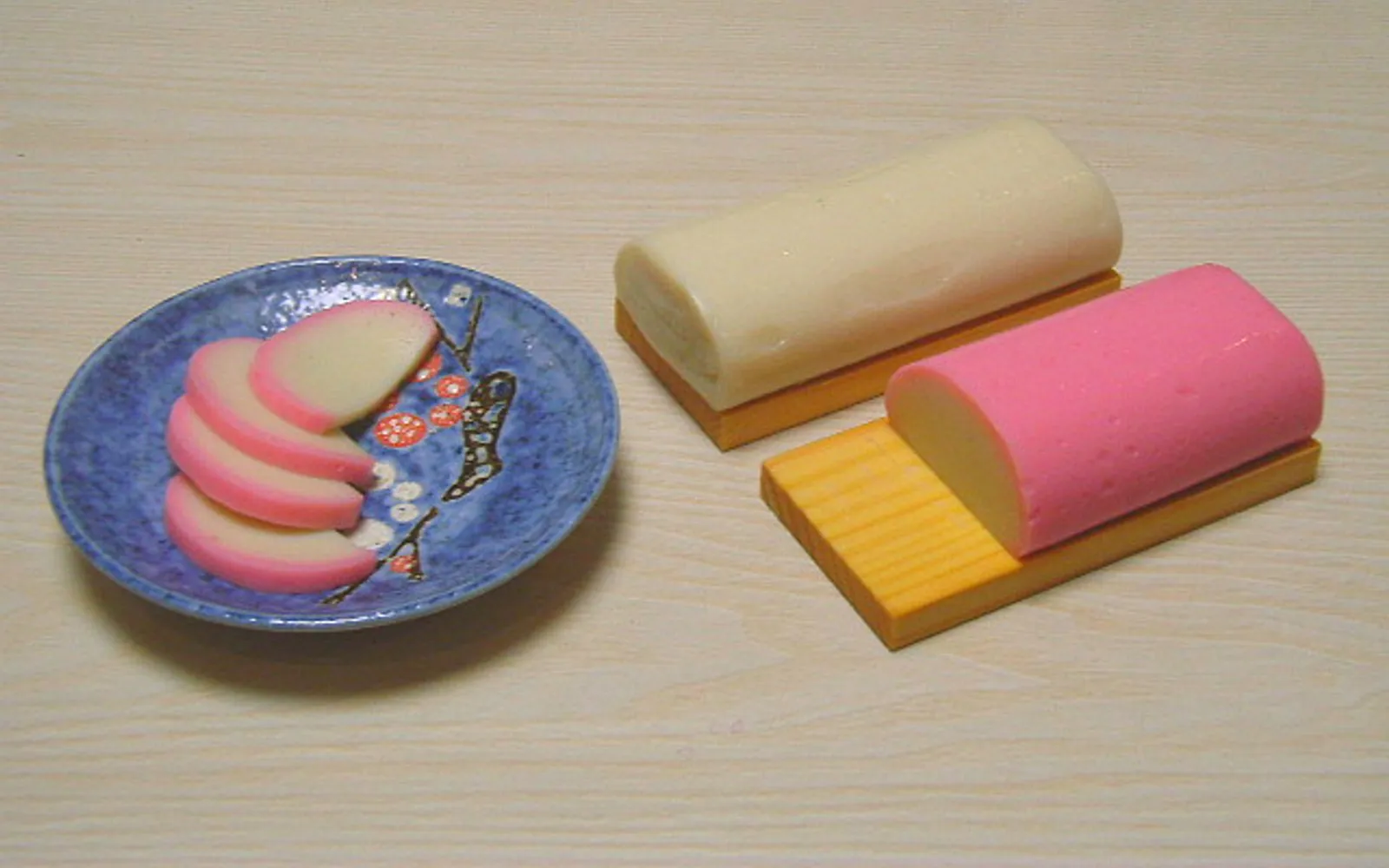
#5 Deep-Fried Kamaboko
Kamaboko is a Japanese fish cake; at Hakone-Yumoto it comes deep-fried on a skewer in a range of flavours — cheese, onion, squid, and bamboo shoot among them. It looks something like takoyaki but has a denser, firmer bite: crispy on the outside, soft within. It is street food you eat while walking, affordable, and convenient. Both travelers and locals snap it up throughout the day.
- Hakone-Yumoto Bussankan carries the widest selection of flavours
- Eat it immediately while hot — it is at its best straight from the fryer
- Cheese and squid are the most popular flavours among international visitors
 #6
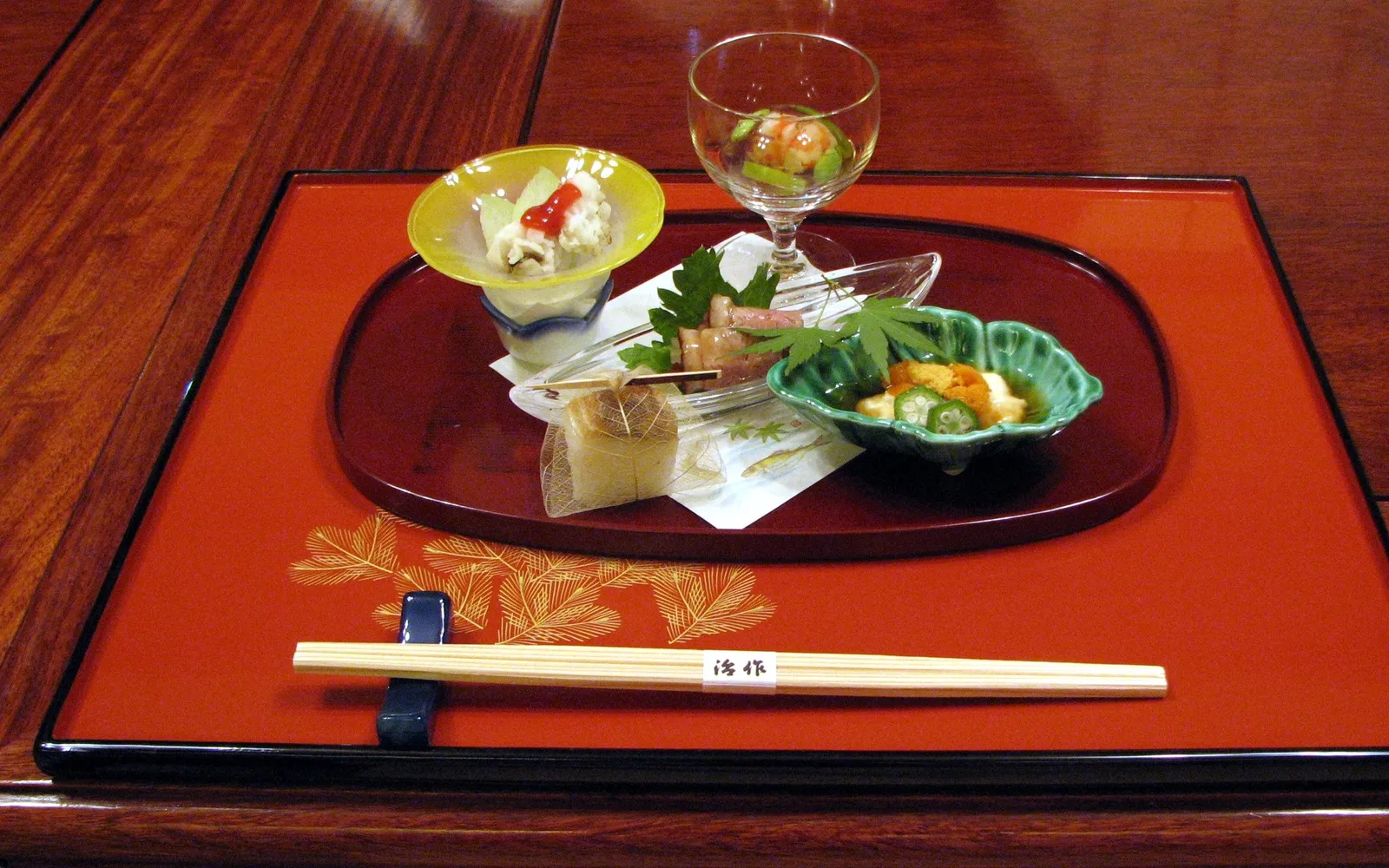
#6 Ryokan Kaiseki Dinner
Kaiseki is Japan's multi-course meal format, built around seasonal ingredients presented in a precise sequence. Hakone has hundreds of ryokan serving kaiseki at 7 to 14 courses — sashimi, steamed dishes, grilled items, simmered broth, rice, and dessert. Local ingredients run through every course: yuba, fish from Lake Ashi, mountain vegetables. Dinner is served either in your room or in a traditional Japanese dining room.
- Book a ryokan with a 2-meal plan (2食付) — it works out cheaper than paying for dinner separately
- Declare allergies or dietary restrictions at the time of booking; most ryokan can adjust the menu
- Kaiseki takes 1 to 1.5 hours — plan it before your evening soak, not after
Where to stay in Hakone for this trip
A well-located hotel means less commuting and more sightseeing. Here are real, top-rated stays in Hakone — compare Agoda · Booking · Trip.com in one click.
Yoshimatsu
Affiliate links — we may earn a commission at no extra cost to you. Details
The Prince Hakone Lake Ashinoko
Affiliate links — we may earn a commission at no extra cost to you. Details
Hakone Ashinoko Hanaori
Affiliate links — we may earn a commission at no extra cost to you. Details
Odakyu Hotel de Yama
Affiliate links — we may earn a commission at no extra cost to you. Details
Tours, tickets & activities in Hakone
Day tours, attraction tickets and travel essentials for Hakone — book ahead on Klook with mobile e-tickets.
Affiliate links — we may earn a commission at no extra cost to you.
Before You Pack
Hakone's food is quiet and unshowy, but every dish has a story behind it. Pick up a warm manju and eat it while you walk, or settle into a soba shop and watch the street through the window. That is the real Hakone.