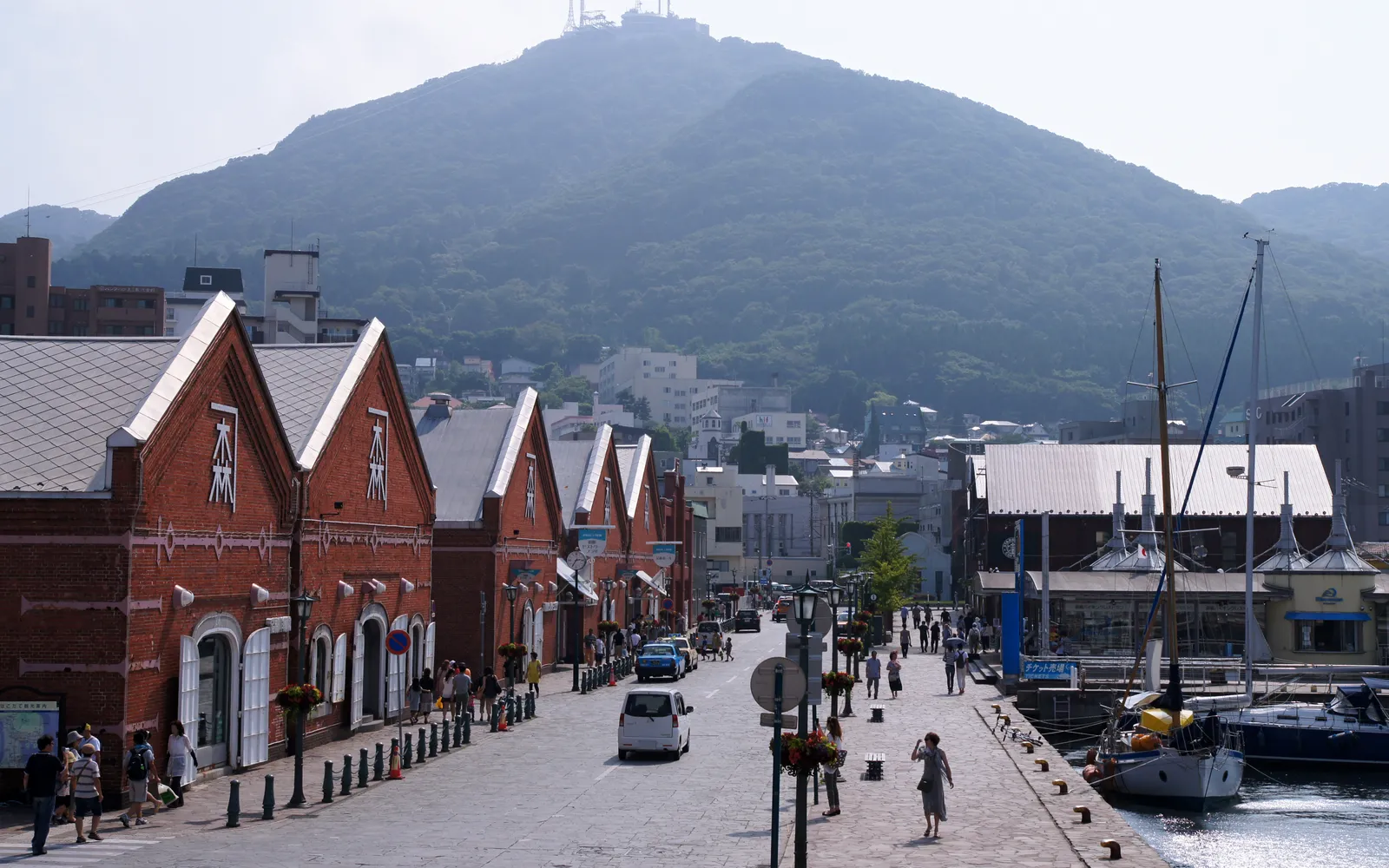
Hakodate opened to Western trade in 1859, making it one of the first Japanese ports to welcome foreign ships — and that history left a permanent mark on the skyline. The city is famous worldwide for a night view ranked in Japan's top three and for Goryokaku, the country's only Western-style star-shaped fort. From an early-morning seafood market to red-brick waterfront warehouses and a seaside hot-spring district, almost everything sits within easy reach of the city centre.
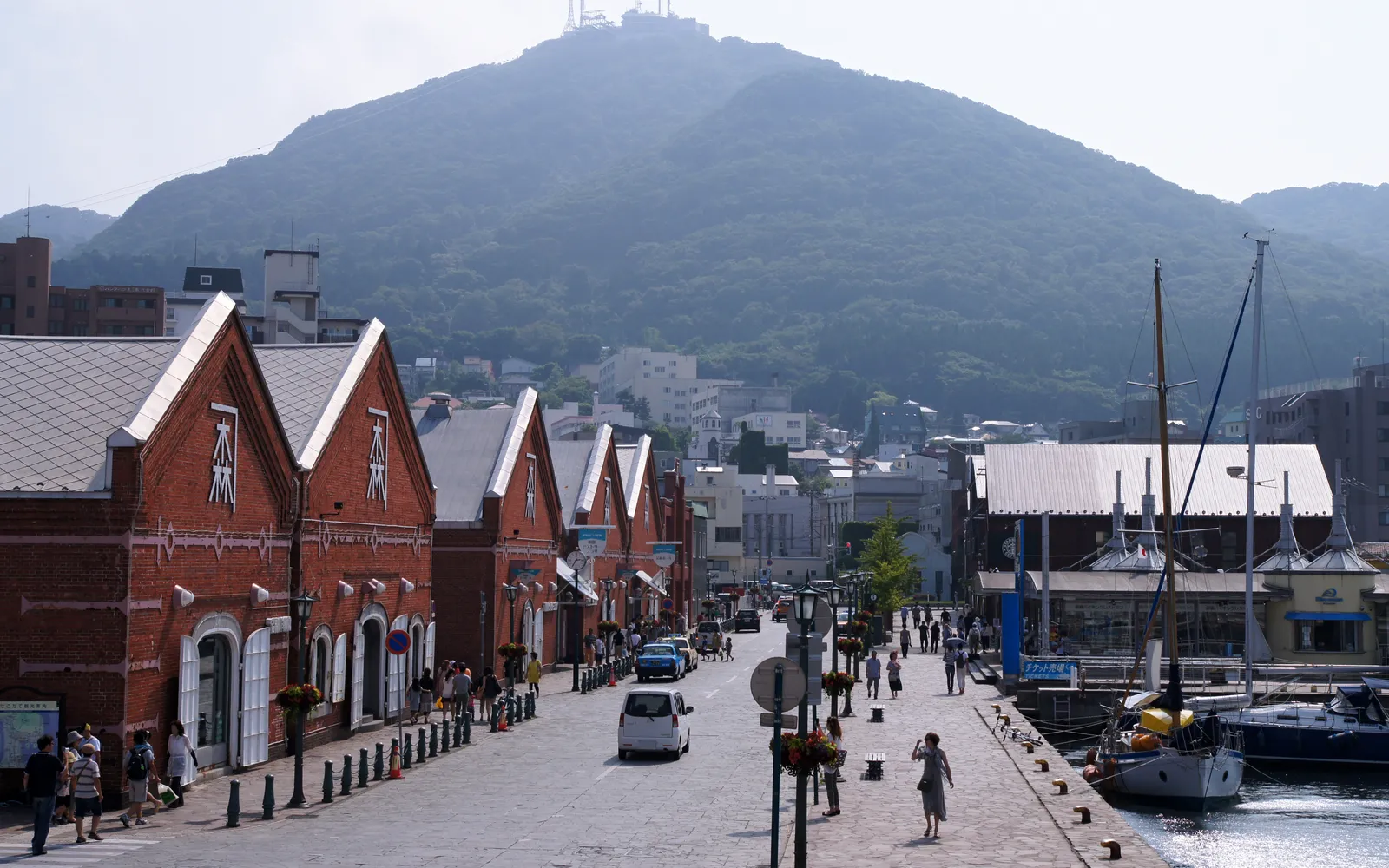 #1
#1 Mount Hakodate
At 334 metres, Mount Hakodate delivers a night panorama ranked in Japan's top three alongside Mount Inasa in Nagasaki and Mount Rokko in Kobe. The city lights stretch in a narrow band between two bays, glittering like scattered gems against the dark water. The ropeway reaches the summit in just 3 minutes, and the Michelin Green Guide awards the view a full 3 stars.
- The 30-minute window just before and after sunset is the golden hour for photography — both the fading sky and the emerging city lights are on show at once.
- In winter the ropeway may suspend service during heavy snowfall — check the operating schedule before you go.
- Buses and private cars can also reach the mid-station car park if the ropeway is full or closed.
 #2
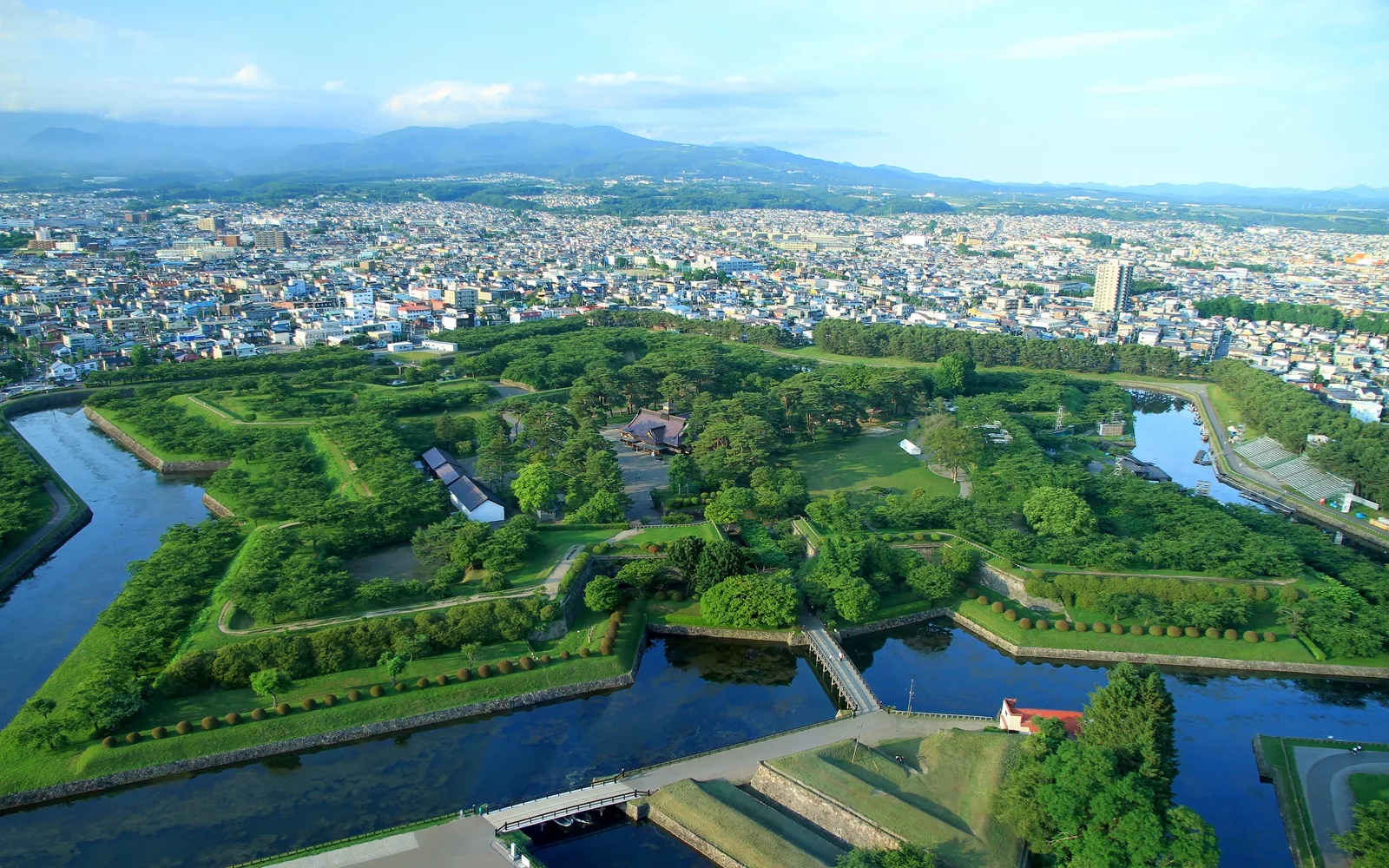
#2 Goryokaku Fort
Completed in 1866, Goryokaku is Japan's first Western-style star-shaped fort — its five-pointed design drawn from French military engineer Vauban's principles, which made it far more resistant to cannon fire than a square fortress. This was also the final battleground of the Boshin War in 1869, the conflict that ended the shogunate and launched the Meiji era. Today the grounds are a public park where around 1,600 cherry trees bloom together each spring.
- Climb the 107-metre Goryokaku Tower for a bird's-eye view of the full star shape.
- Late April cherry-blossom season is the most spectacular time to visit; there is also a night illumination festival.
- Entry to the park grounds is free; the tower costs ¥900.
 #3
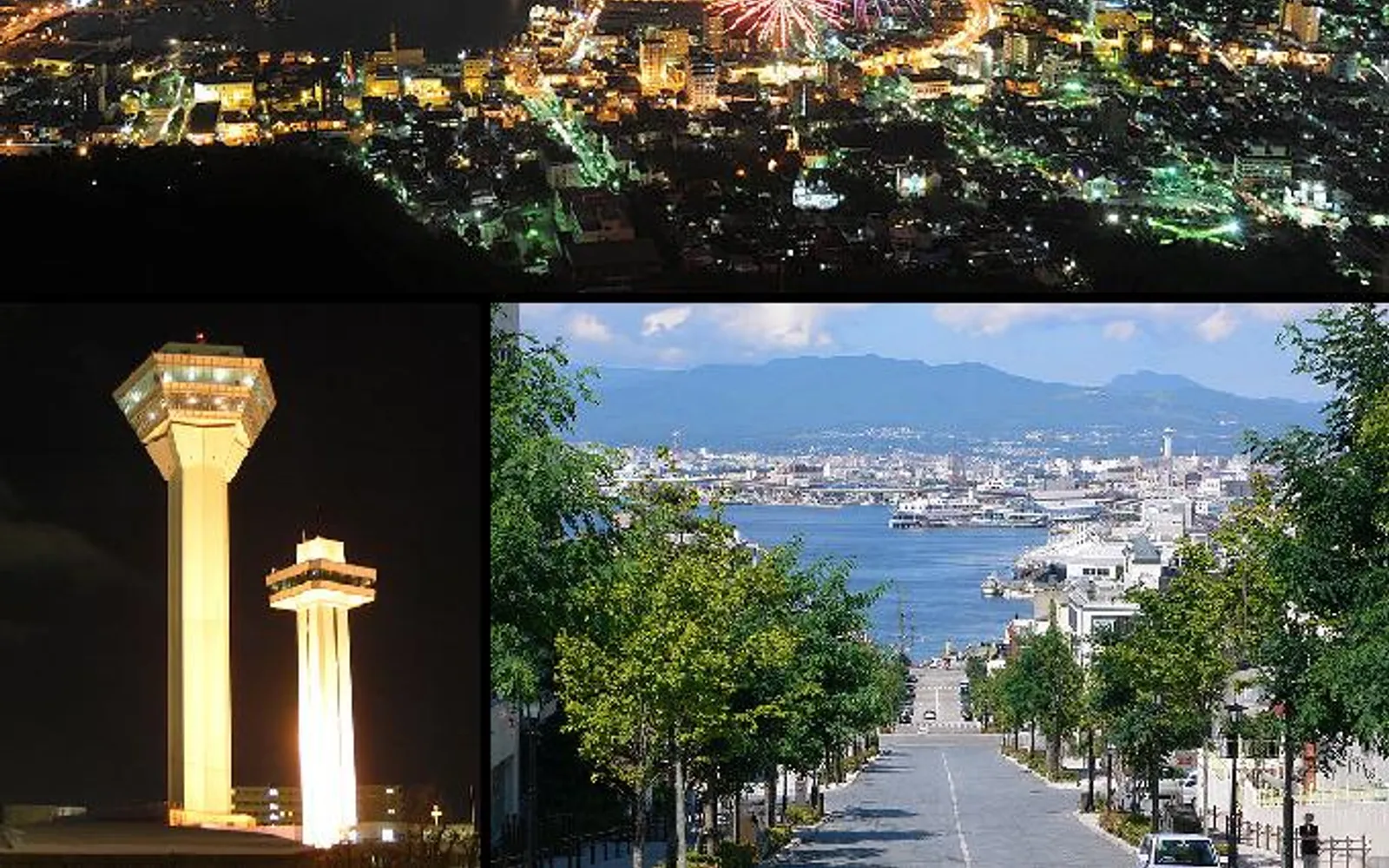
#3 Motomachi Historic District
Motomachi grew up after Hakodate opened as an international port in 1859. Cobblestone streets rise up the hillside past a collection of colourful colonial buildings — most notably the blue-and-yellow Old Public Hall, built in 1910, where European proportions meet intricate Japanese detailing. Russian Orthodox, Catholic, and Anglican churches stand within a few minutes of each other, giving the neighbourhood a distinctly European atmosphere that feels entirely out of place in Japan, in the best possible way.
- Walk up early — before 9:00 — while the streets are quiet and the morning light falls straight onto the facades.
- The Old Public Hall charges ¥300 to enter; Meiji-era costume rental is available inside for photos.
- The Hakodate Tram drops you within easy walking distance of the main sights.
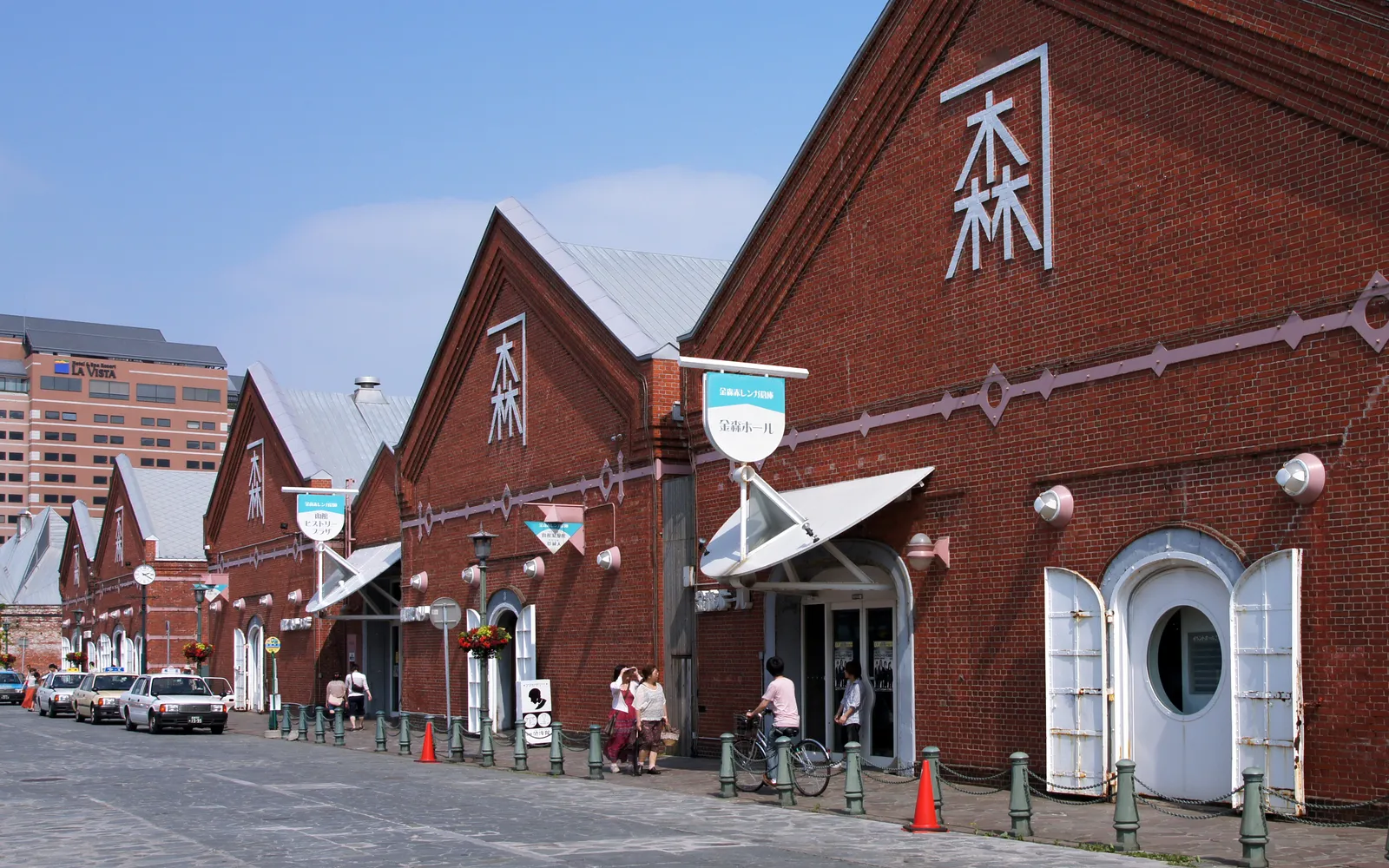 #4
#4 Kanemori Red Brick Warehouses
The Kanemori warehouses trace their history back to 1887, when they served as Hakodate's first commercial storage buildings. The current brick structures, rebuilt after a fire in 1909, have since been converted into a waterfront complex of shops, restaurants, and event spaces. The atmosphere is most romantic after dark, when the lights reflect in the harbour water. Several cafes inside offer bay views, and the gift shops carry a strong selection of Hokkaido specialities.
- Evening is the most atmospheric time — ideal for couples and photographers alike.
- In December the annual Christmas Fantasy event fills the waterfront with illuminations throughout the month.
- The restaurants inside cover a wide range of styles, from fresh seafood to sweets and coffee.
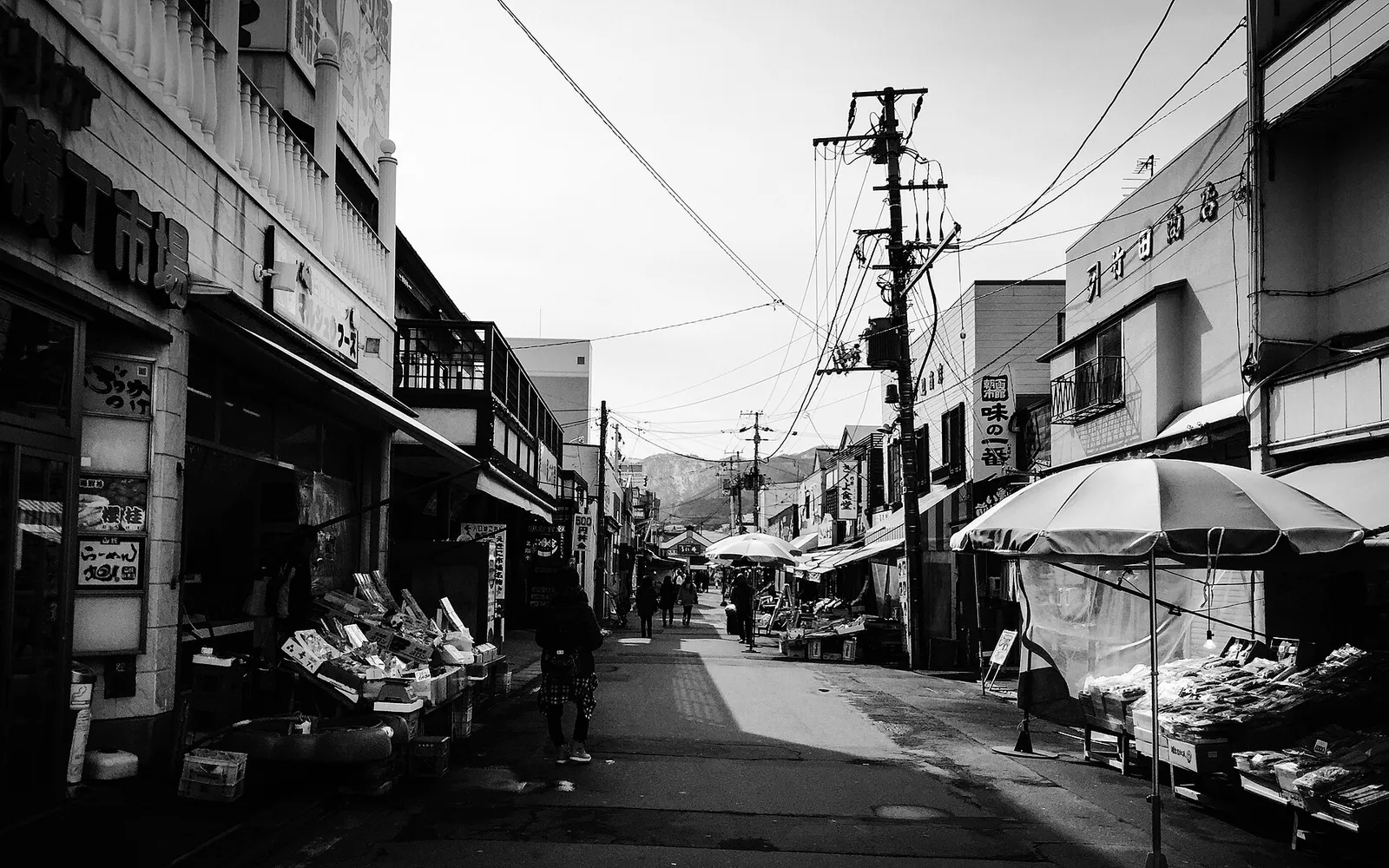 #5
#5 Hakodate Morning Market
Hakodate Morning Market (Asaichi) opens at 5 a.m. and counts over 250 stalls selling fresh seafood pulled from the waters on both sides of the city. The headline draw is Donburi Yokocho — a laneway of more than 20 shops serving rice bowls topped with live seafood — and the squid-fishing pond, where you catch a live squid and have it prepared as sashimi right in front of you. The market runs daily from 5 a.m. to around 2 p.m., and the station is just a 1-minute walk away.
- Arrive between 06:00 and 08:00 for the freshest stock and the most lively atmosphere.
- The live squid-fishing experience at Katsu-ika Tsuribori — catch it, eat it immediately as sashimi — is unlike anything else in Japan.
- Some stalls close on Sundays; from January to April the market opens one hour later than usual.
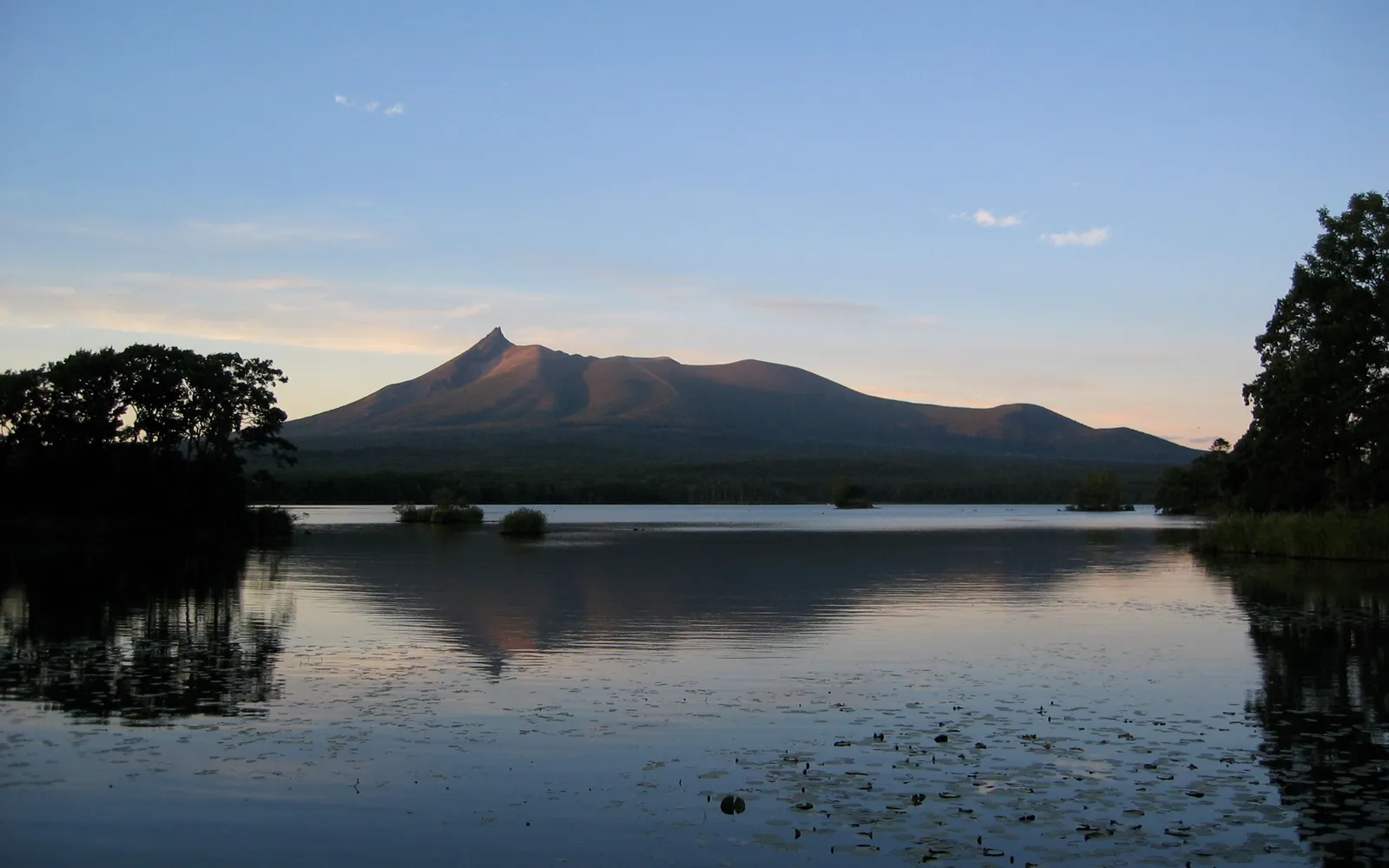 #6
#6 Onuma Quasi-National Park
Onuma Quasi-National Park lies just 20 km from Hakodate and centres on two lakes dotted with small islands connected by footbridges, all framed by the still-active volcano Mount Komagatake. Walking trails around the lakes range from 15 to 60 minutes, catering to every level. In winter you can ski on the slopes; in summer, kayak on the lakes.
- The Hokkaido Shinkansen (Super Hokuto) runs from Hakodate to Onuma-koen Station in 30 minutes.
- Rent a bicycle at the station and cycle around the lakes at a relaxed pace — allow about 2 hours.
- Cherry blossoms here arrive 1–2 weeks later than in Hakodate, so early May can be a second chance to catch them.
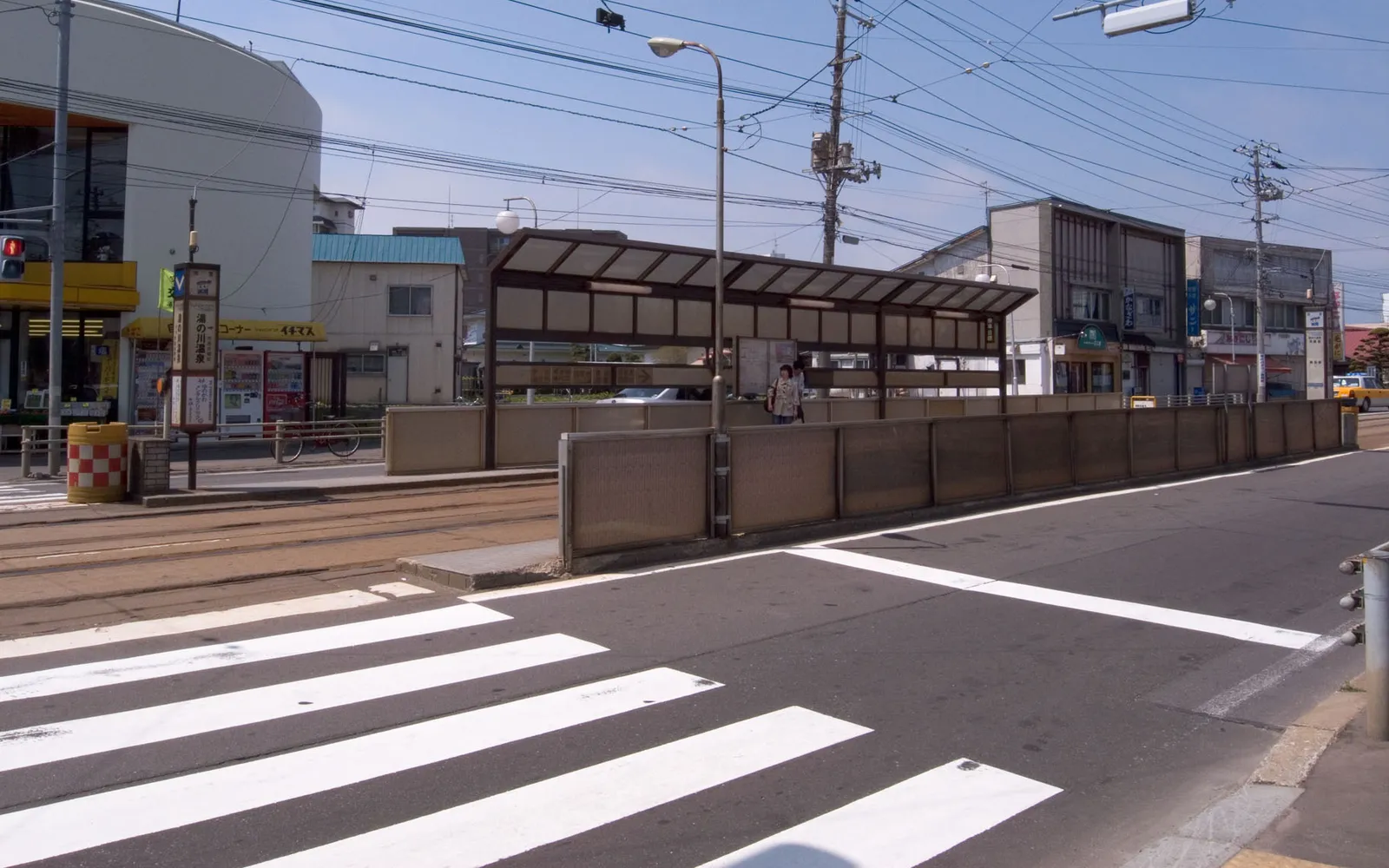 #7
#7 Yunokawa Onsen
Yunokawa is one of Hokkaido's three most celebrated hot-spring districts, with a history stretching back over 370 years to 1653, when the lord of Matsumae came here to recuperate. Several large onsen hotels line the coast, with outdoor baths that face the Tsugaru Strait — on clear days you can see the mountains of Honshu across the water. A free public foot-bath runs along the roadside near the tram stop for those who want a quick soak without booking a hotel.
- The public ashiyu (foot-bath) beside the tram stop is free and open every day — no towel needed, just roll up your trousers.
- Many onsen hotels offer day-use bathing (no overnight stay required) for ¥1,000–¥2,000.
- On winter days when snow is falling and the bath is steaming, this is the kind of experience that only Hokkaido delivers.
 #8
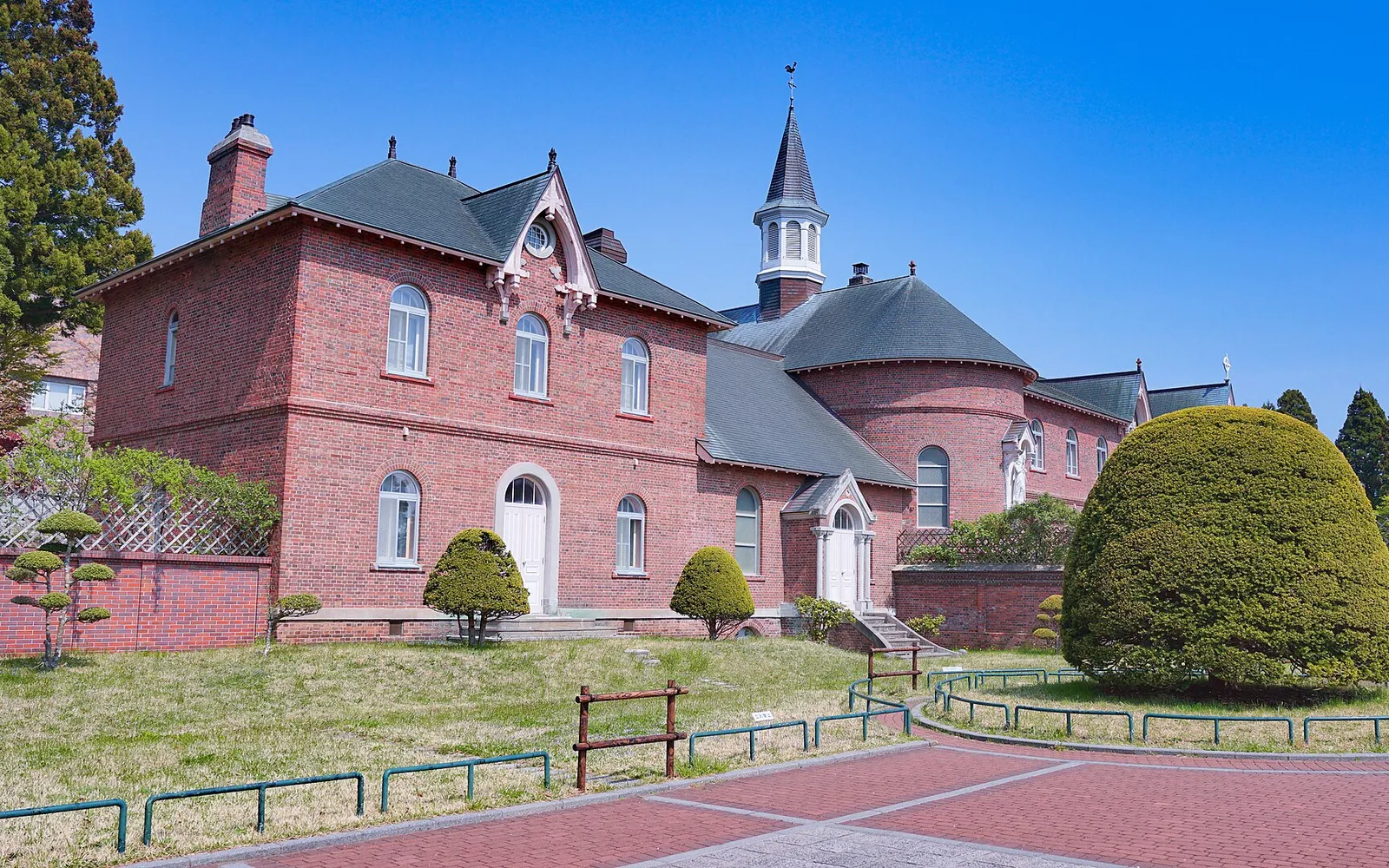
#8 Trappistine Convent
The Trappistine Convent was founded in 1898 by French nuns who travelled from Normandy to establish Japan's first Catholic convent. The red-brick Gothic building sits in grounds of apple trees and oaks that have been growing for over a hundred years, creating a calm that feels removed from the usual tourist circuit. The nuns still produce their famous butter candy and cookies, sold at the gate-side gift shop.
- Pick up a box of Trappistine butter candy — a Hakodate souvenir unlike anything sold elsewhere in Japan.
- The garden is free to enter; men may access a limited section of the building, while women visit the garden only.
- The convent is out of the city centre — a taxi or rental car makes the trip easier than the bus.
Where to stay in Hakodate for this trip
A well-located hotel means less commuting and more sightseeing. Here are real, top-rated stays in Hakodate — compare Agoda · Booking · Trip.com in one click.
Hakodate Danshaku Club Hotel & Resorts
Affiliate links — we may earn a commission at no extra cost to you. Details
Route Inn Grantia Hakodate Ekimae
Affiliate links — we may earn a commission at no extra cost to you. Details
Comfort Hotel Hakodate
Affiliate links — we may earn a commission at no extra cost to you. Details
Hotel Sharoum Inn 2
Affiliate links — we may earn a commission at no extra cost to you. Details
Tours, tickets & activities in Hakodate
Day tours, attraction tickets and travel essentials for Hakodate — book ahead on Klook with mobile e-tickets.
Affiliate links — we may earn a commission at no extra cost to you.
Before You Pack
Hakodate is one of Hokkaido's most rewarding cities — a place where deep history, spectacular scenery, and fresh seafood from two different seas all overlap within a compact, walkable area. Two or three days here tends to leave people wanting more.