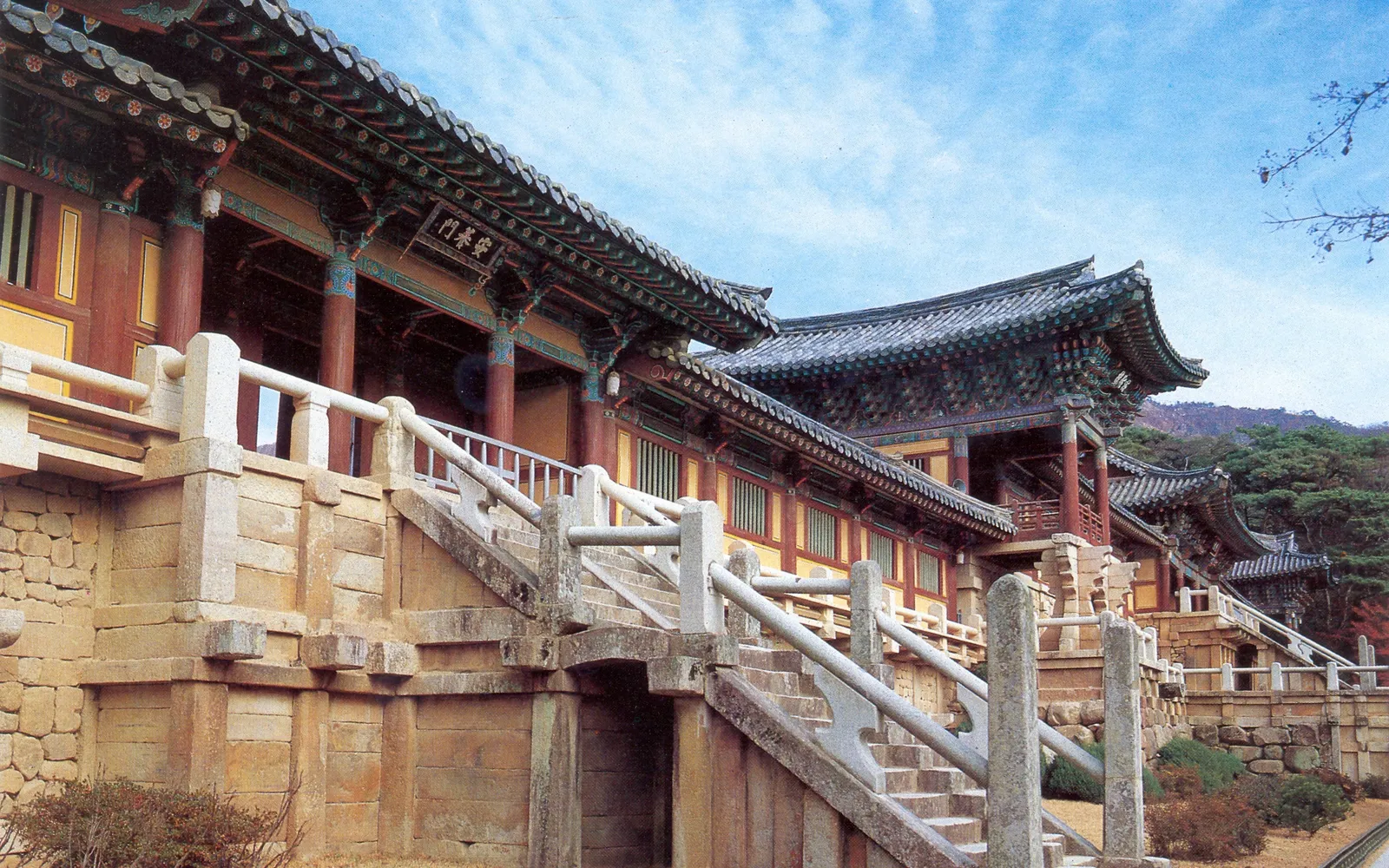
Gyeongju's food carries the imprint of the Silla royal court and a Buddhist tradition rooted here for over a thousand years. The result is a table that is refined and rarely fiery, built around fresh seasonal ingredients. The iconic Hwangnam-ppang pastry has held its original recipe for more than 80 years. Ssambap — rice eaten wrapped in fresh leaves alongside a spread of side dishes — has become the dish travelers come specifically to eat. Walk almost any street in the old city centre and something worth stopping for will be within reach.
 #1
#1 Hwangnam-ppang (Gyeongju Bread)
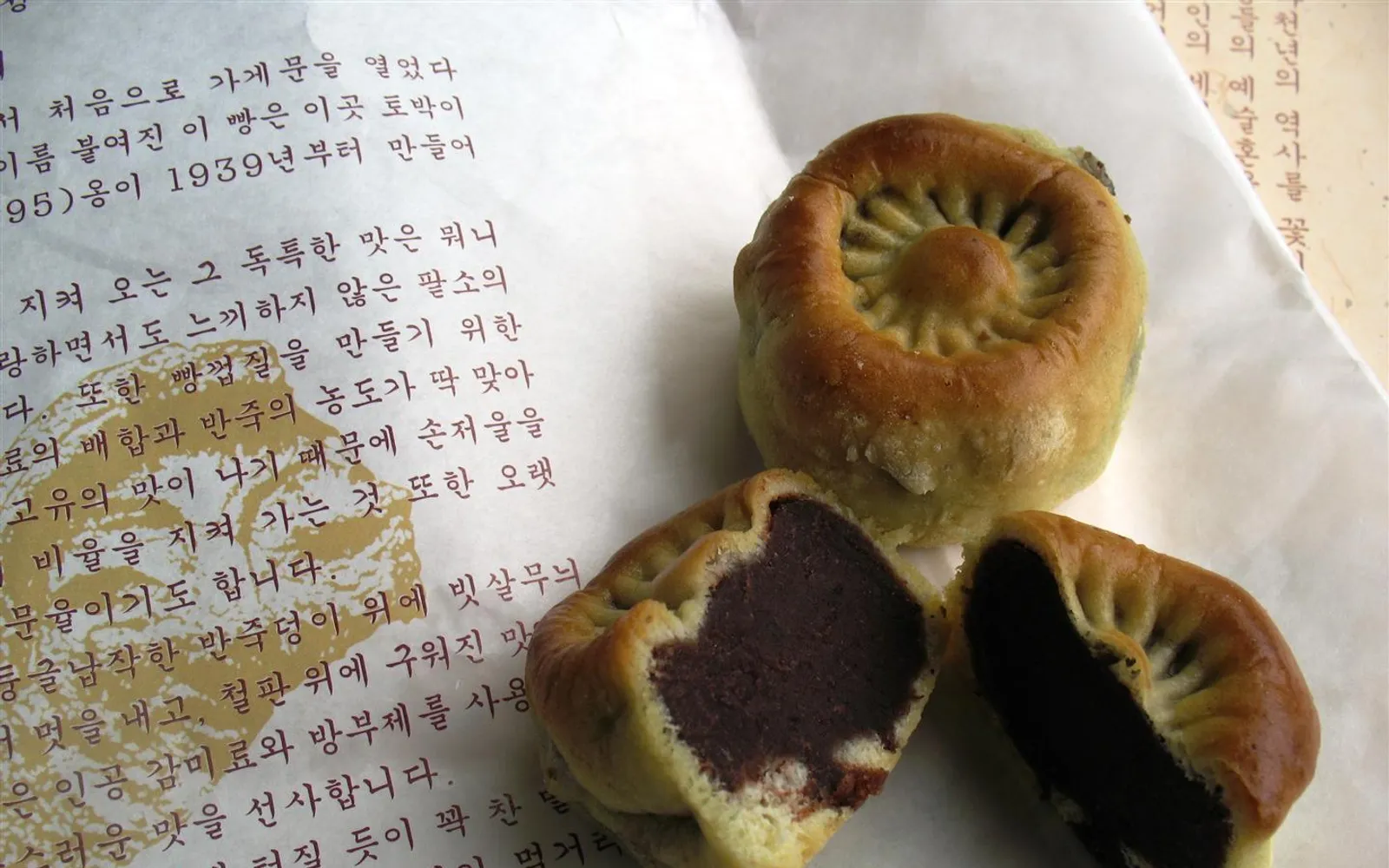
The pastry that put Gyeongju on the culinary map was first made in 1939 by baker Choi Yeong-hwa. A soft wheat-flour shell wraps a sweet red-bean filling that makes up 70% of the pastry by weight, pressed on top with a chrysanthemum stamp in the Silla style. Dozens of shops line Hwangnam-dong, but the original Hwangnam Bakery — three generations and counting — still keeps that founding recipe closest to the source.
- Best eaten hot; the bakery bakes fresh batches every hour, so arriving in the morning or early afternoon gets you one straight from the oven.
- Gift boxes are available and keep for 3–5 days at room temperature.
- Watch for shops with similar-sounding names — the original is Hwangnam Bakery (황남빵) only.
 #2
#2 Ssambap
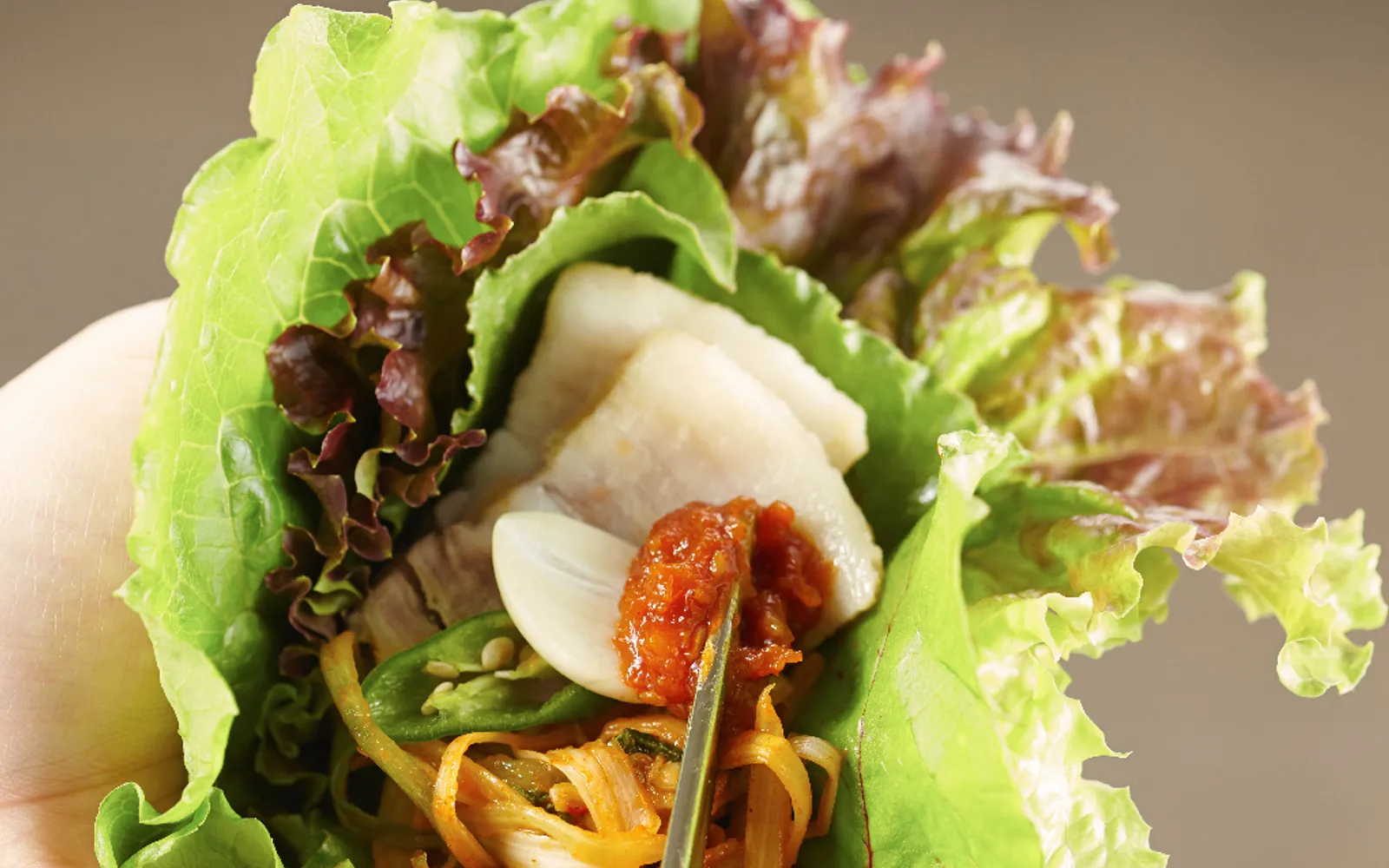
This all-you-can-eat format is the meal most travelers specifically come to Gyeongju for. Freshly cooked rice arrives alongside a wide selection of wrapping leaves — perilla, cabbage, lettuce, Korean chervil — plus more than 20 side dishes: semi-dried mackerel, house-made kimchi, fried tofu, grilled meat, and home-style doenjang stew. Ssambap Street, running along the western edge of Daereungwon tumuli park, concentrates more than 20 of the best restaurants in the city.
- Expect to pay around 12,000–15,000 won per person, with unlimited rice and side-dish refills included.
- Ask staff for more side dishes — it's free and the more variety on the table, the better the meal.
- Come between 11:30 and 13:00; side dishes are at their freshest and the full selection is out.
 #3
#3 Chalboribbang (Glutinous Barley Bread)
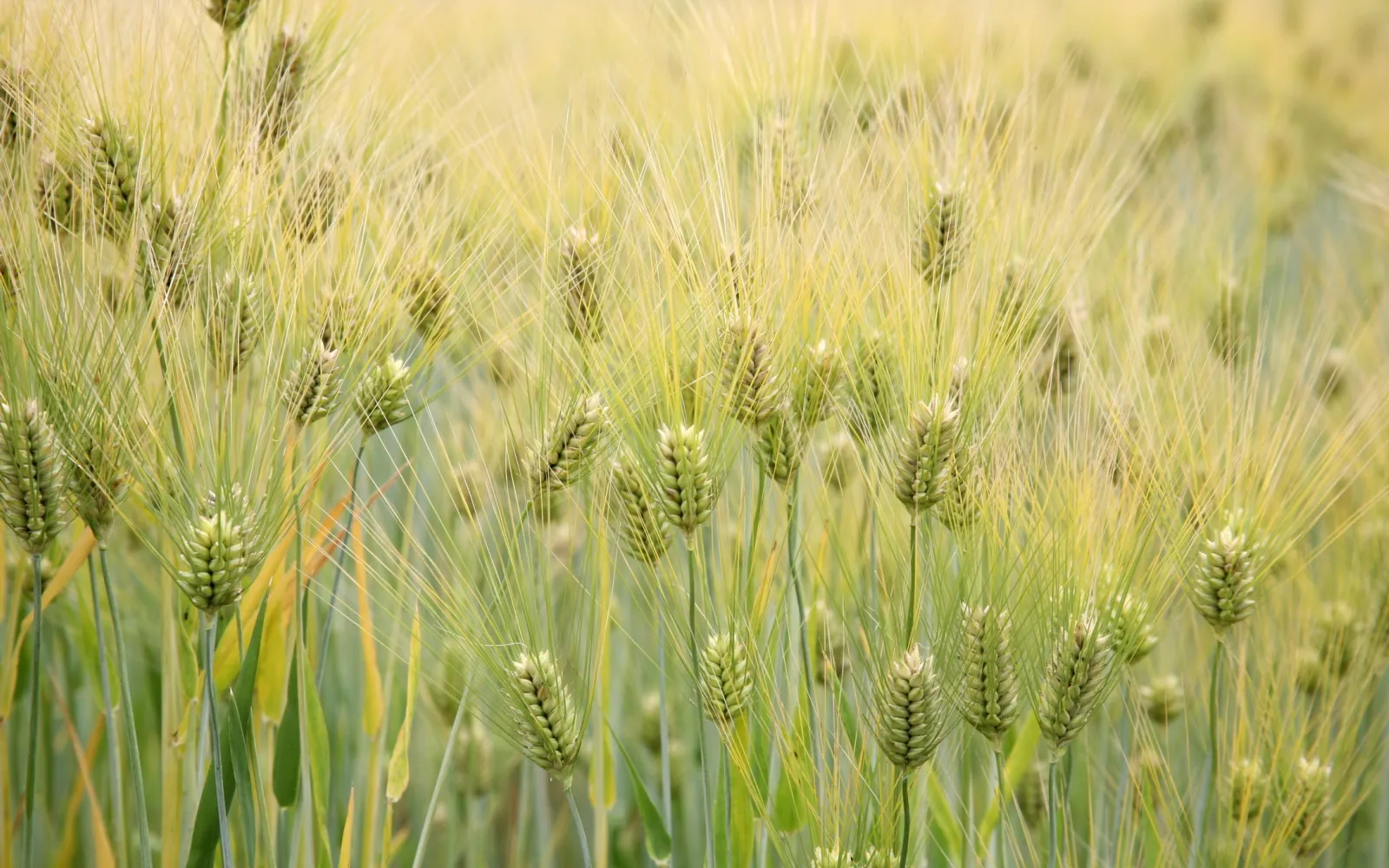
A pastry found only in Gyeongju, made from glutinous barley flour. The texture is chewier and softer than Hwangnam-ppang, with a more pronounced, earthy grain aroma. The filling is the same sweet red bean, but the barley shell gives a deeper, more complex flavour. Gyeongju is one of southern Korea's noted barley-growing regions, which is what made this pastry a local specialty in the first place — and what keeps it here as an essential souvenir.
- The taste is noticeably different from Hwangnam-ppang; try both and compare.
- Shelf life is shorter — eat within 1–2 days.
- Shops in Hwangniidan-gil often pair it with Korean tea or coffee as a set at a good price.
 #4
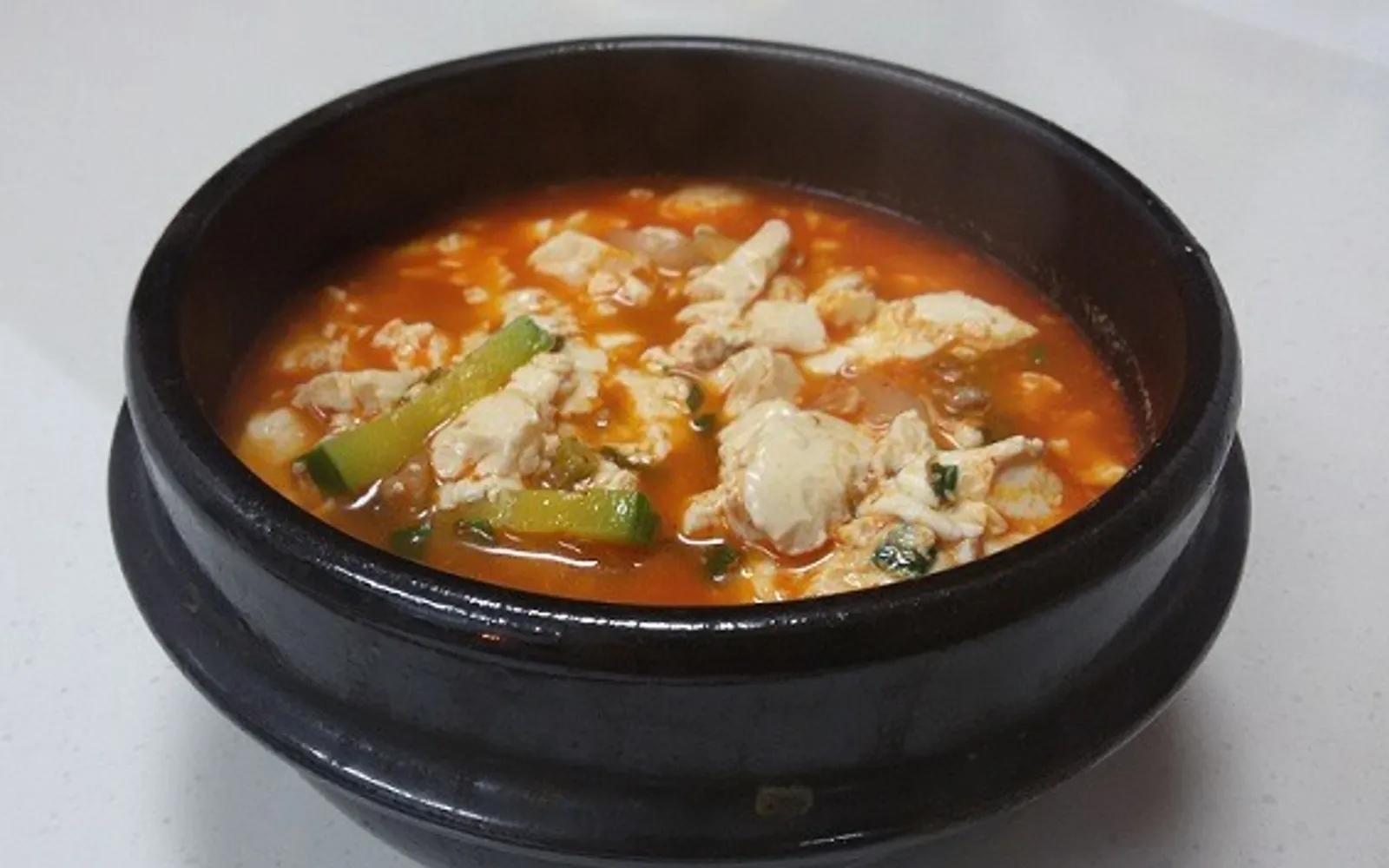
#4 Sundubu-jjigae (Soft Tofu Stew)
Restaurants in Gyeongju are known for making their soft tofu fresh in-house every day. The difference in texture compared to factory tofu is immediately obvious — silkier and more delicate. The stew arrives at the table still bubbling in an earthenware pot, and comes spicy or mild, with clams, pork, or vegetables. It reflects the city's Buddhist-rooted food tradition: simple on the surface, but with a depth of flavour that takes skill to achieve.
- Order the bajirak (clam) or haemul (mixed seafood) version for your first bowl — more flavourful than pork for a first try.
- Eat it with a bowl of hot plain rice and house kimchi for the most complete result.
- Very affordable — around 8,000–10,000 won — and genuinely filling.
 #5
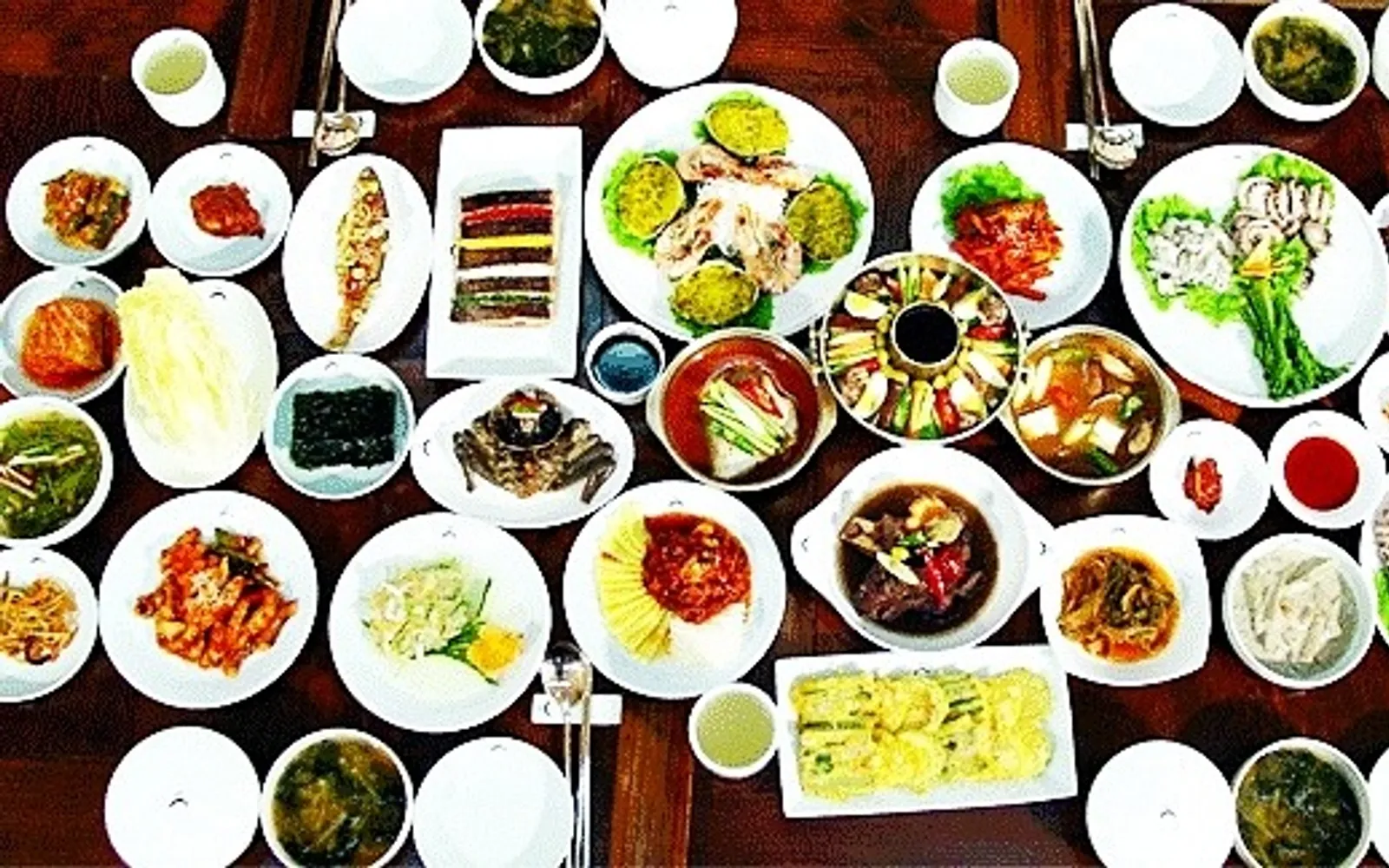
#5 Hanjeongsik (Korean Table d'hote)
Korea's full-course table tradition, served in Gyeongju with local ingredients from the southeastern region. Expect 15–20 dishes arriving simultaneously: namul (seasoned blanched vegetables) in several colours, house kimchi, grilled meat, semi-dried sea fish, doenjang soup, and a sweet dessert. It is the meal to choose for a special occasion, or if you want to cover the breadth of Korean food in a single sitting.
- Book ahead for better restaurants, especially on weekends.
- Prices start at 25,000–40,000 won per person — solid value given the quantity and quality.
- Ask staff which ingredients are specifically from Gyeongju; that context makes the meal more interesting.
 #6
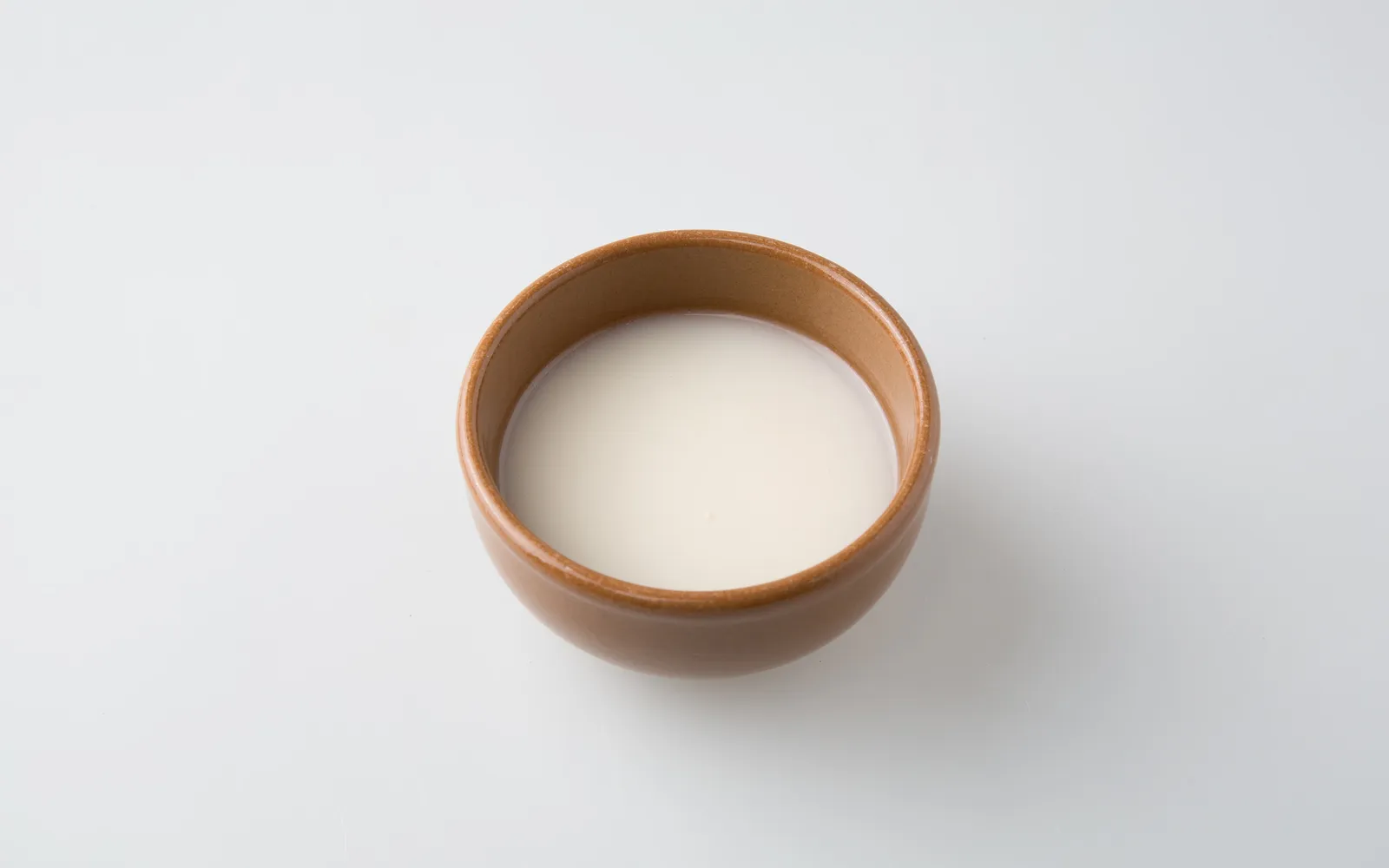
#6 Gyeongju Makgeolli (Korean Rice Wine)
Gyeongju makgeolli has a particular reputation, built on mineral water drawn from the nearby mountains that gives it a gentle sweetness with a slight tartness different from makgeolli elsewhere in Korea. It is best served cold. The standard pairing is pajeon (spring onion pancake) or dubu-kimchi (tofu with stir-fried kimchi) — a drinking-and-eating culture that Gyeongju has kept more intact than most Korean cities. Hanok cafes and bars in the Hwangniidan-gil district serve it in an atmosphere worth sitting in.
- Always stir before pouring — makgeolli settles quickly, and the taste varies significantly between pours and between restaurants.
- Pair with pajeon or dubu-kimchi; the flavours are designed to go together.
- Shops in Hwangniidan-gil often serve it in traditional earthenware kettles that add to the old Silla atmosphere.
Where to stay in Gyeongju for this trip
A well-located hotel means less commuting and more sightseeing. Here are real, top-rated stays in Gyeongju — compare Agoda · Booking · Trip.com in one click.
Soi Hanok Stay
Affiliate links — we may earn a commission at no extra cost to you. Details
Hanok Prince
Affiliate links — we may earn a commission at no extra cost to you. Details
Blueboat Hostel Gyeongju
Affiliate links — we may earn a commission at no extra cost to you. Details
Hilton Gyeongju
Affiliate links — we may earn a commission at no extra cost to you. Details
Tours, tickets & activities in Gyeongju
Day tours, attraction tickets and travel essentials for Gyeongju — book ahead on Klook with mobile e-tickets.
Affiliate links — we may earn a commission at no extra cost to you.
Before You Pack
Gyeongju's food is a quiet way to travel back into the Silla era — warm and unhurried, never theatrical. Each dish carries a history that goes beyond its ingredients, and is part of a cultural heritage the people of Gyeongju take genuine pride in.