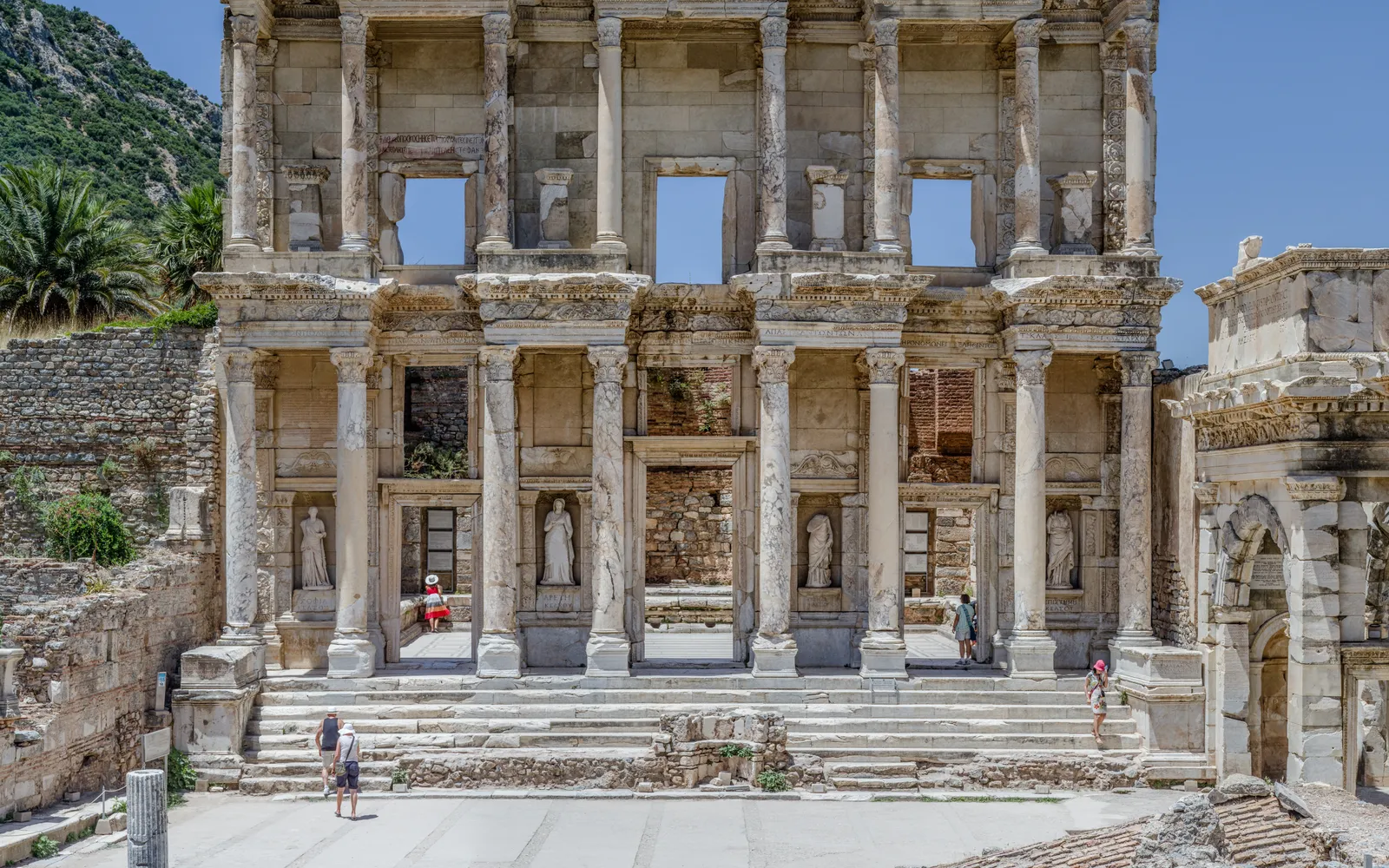
Ephesus is more than a ruin — it is a city that still breathes. Marble streets wide enough for wagons and a theatre that seated 25,000 people make it easy to picture the days when this city held over 200,000 residents. Between roughly the 1st and 8th centuries AD, Ephesus was one of the wealthiest port cities in the world, and today it delivers an experience no other site in Turkey can match.
 #1
#1 Ancient City of Ephesus
The best-preserved Greco-Roman ancient city in the world and a UNESCO World Heritage Site. Curetes Street runs past temples, public baths and inscriptions that are still legible today. Highlights include the Great Theatre — capacity 25,000 — the Temple of Hadrian, and the Terrace Houses that reveal how wealthy Romans lived. Budget at least 3 to 4 hours to see it properly.
- Enter via the Upper Gate (Magnesian Hill) and walk downhill — far easier than climbing in the sun. Exit through the Lower Gate near the Library of Celsus.
- The Terrace Houses carry an extra admission fee of 200 TL, but they are worth every lira — the frescoes and mosaics are remarkably intact.
- Arrive before 8:00 AM opening time, because cruise-ship tour groups from Kusadasi pack the site from around 10 AM to 2 PM.
 #2
#2 Library of Celsus
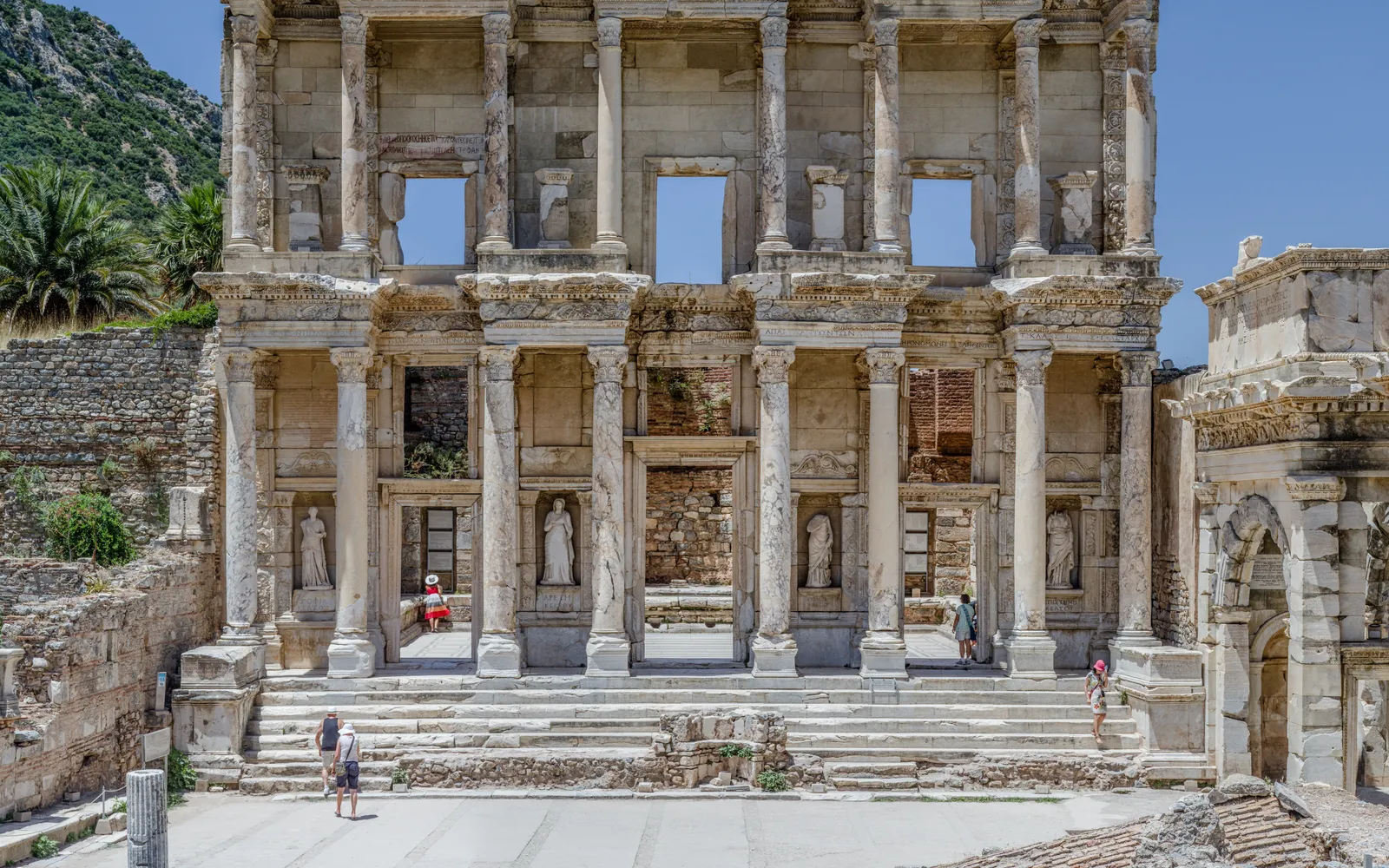
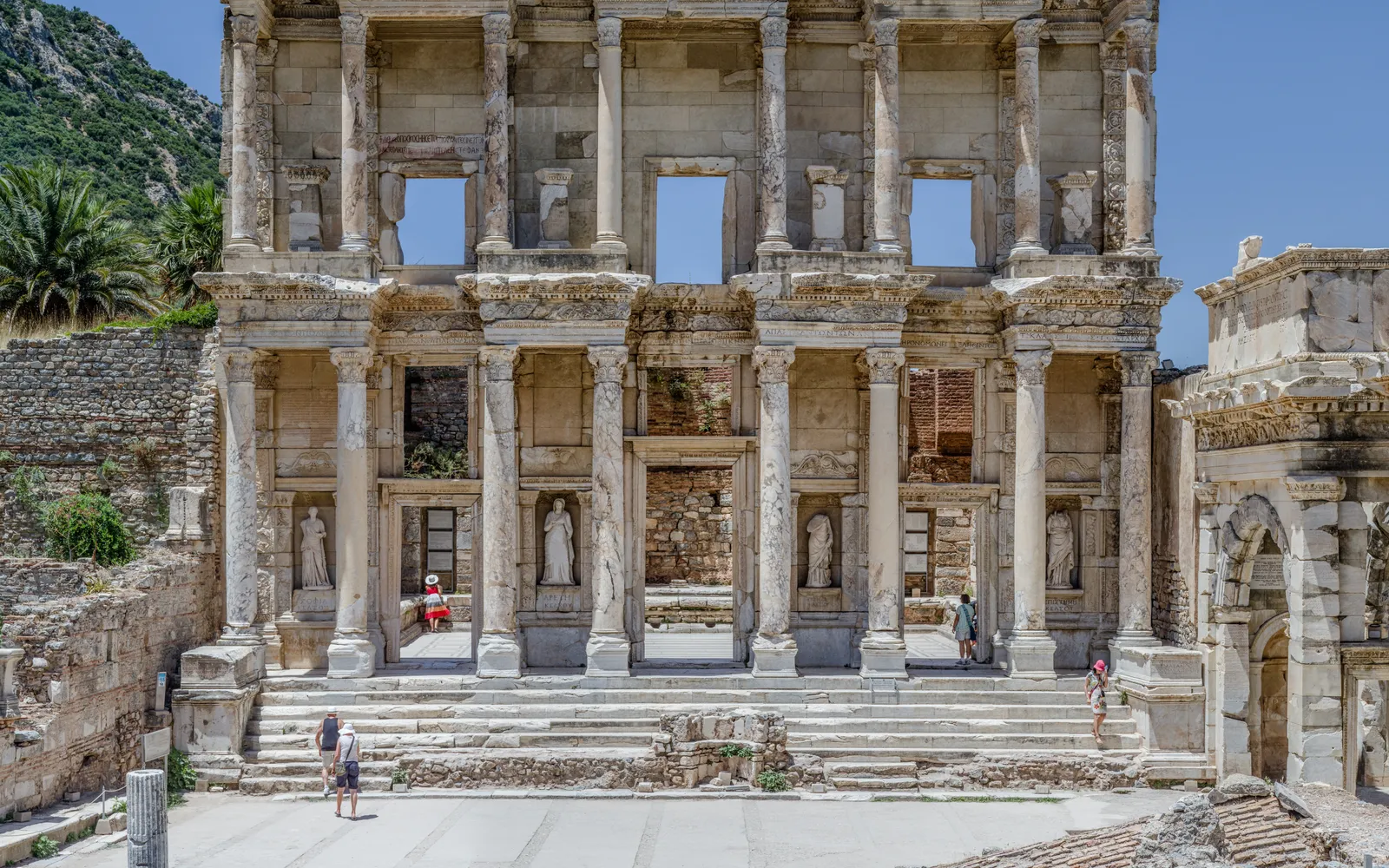
The most photographed structure in Ephesus, built around AD 117 as a memorial to the governor Celsus. It originally held over 12,000 scrolls, making it the third-largest library in the ancient world. The four statues in the niches represent the virtues of Wisdom, Goodness, Knowledge and Intelligence. The facade visible today is the result of a restoration carried out between 1970 and 1978.
- Stand in the middle of Curetes Street and look straight toward the library — that angle is the postcard shot every photographer uses.
- Light is best for photography between 8 and 10 AM when the sun falls from the east; afternoon sun shines directly into the lens.
- Behind the library is a rumoured secret tunnel said to connect to an old brothel — local guides love the story, though scholars still debate whether it is true.
 #3
#3 Temple of Artemis
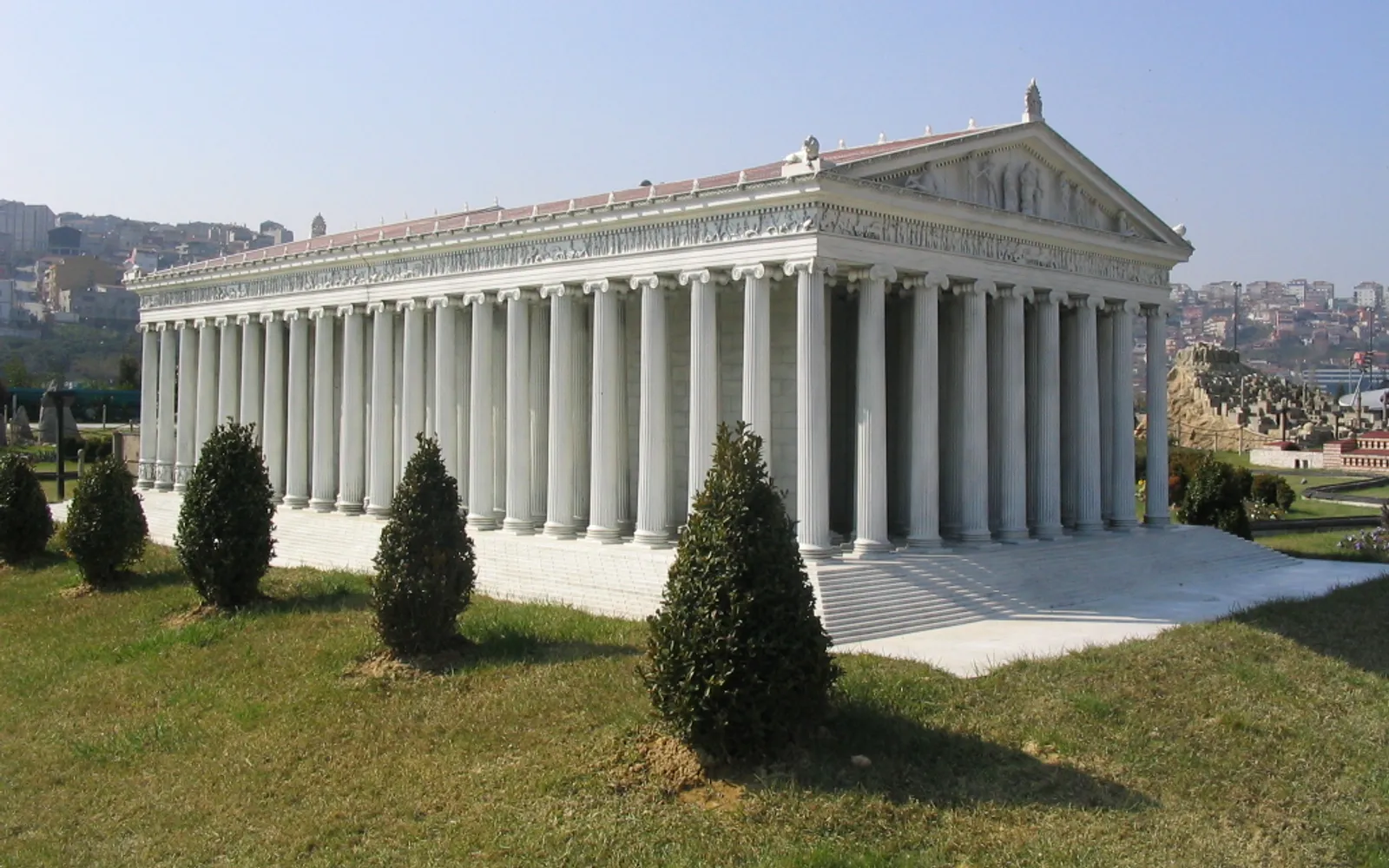
One of the Seven Wonders of the Ancient World — and only one column remains. In its prime this temple was four times the size of the Parthenon in Athens, with more than 127 marble columns standing 18 metres tall. It was a major pilgrimage destination of the ancient world. Today a single column survives, topped by a stork nest, though the scale of the surrounding basin still hints at former grandeur. Come to say you have seen it, even if it leaves you slightly underwhelmed.
- Buy a combo ticket that covers the ancient city, the Temple of Artemis and the Selcuk Museum — it works out cheaper than paying separately.
- The Ephesus Museum in Selcuk town holds the original Artemis statues and top-tier artefacts — it is arguably more impressive than the temple ruins themselves.
- White storks nest on top of the column year-round, making for an oddly charming photograph.
 #4
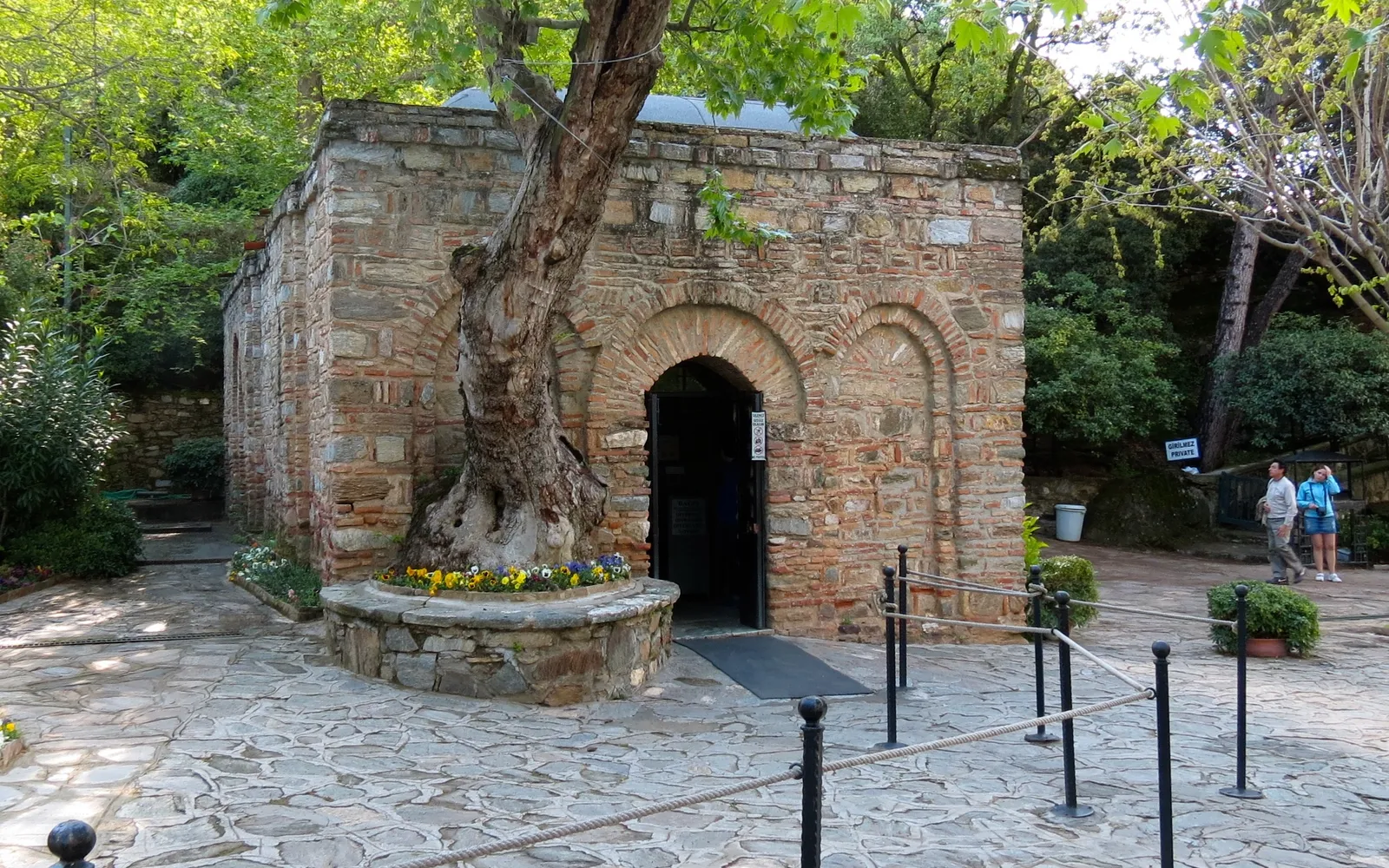
#4 House of the Virgin Mary
A site venerated equally by Christians and Muslims, believed to be where the Virgin Mary spent her final years after Saint John brought her from Jerusalem. The small stone building sits on a green hillside with a calm, reverent atmosphere. Multiple popes have visited, including Pope John Paul II and Pope Benedict XVI. A wishing wall where the faithful tie white cloth, and a row of holy water fountains for prayer, line the approach.
- Even for non-religious visitors, the quiet hillside setting and valley views are worthwhile in their own right.
- Dress modestly — shoulders and knees covered — before entering the grounds. Wraps are available to borrow at the entrance.
- Tour buses usually include this in an Ephesus package, but coming independently lets you spend unhurried quiet time at your own pace.
 #5
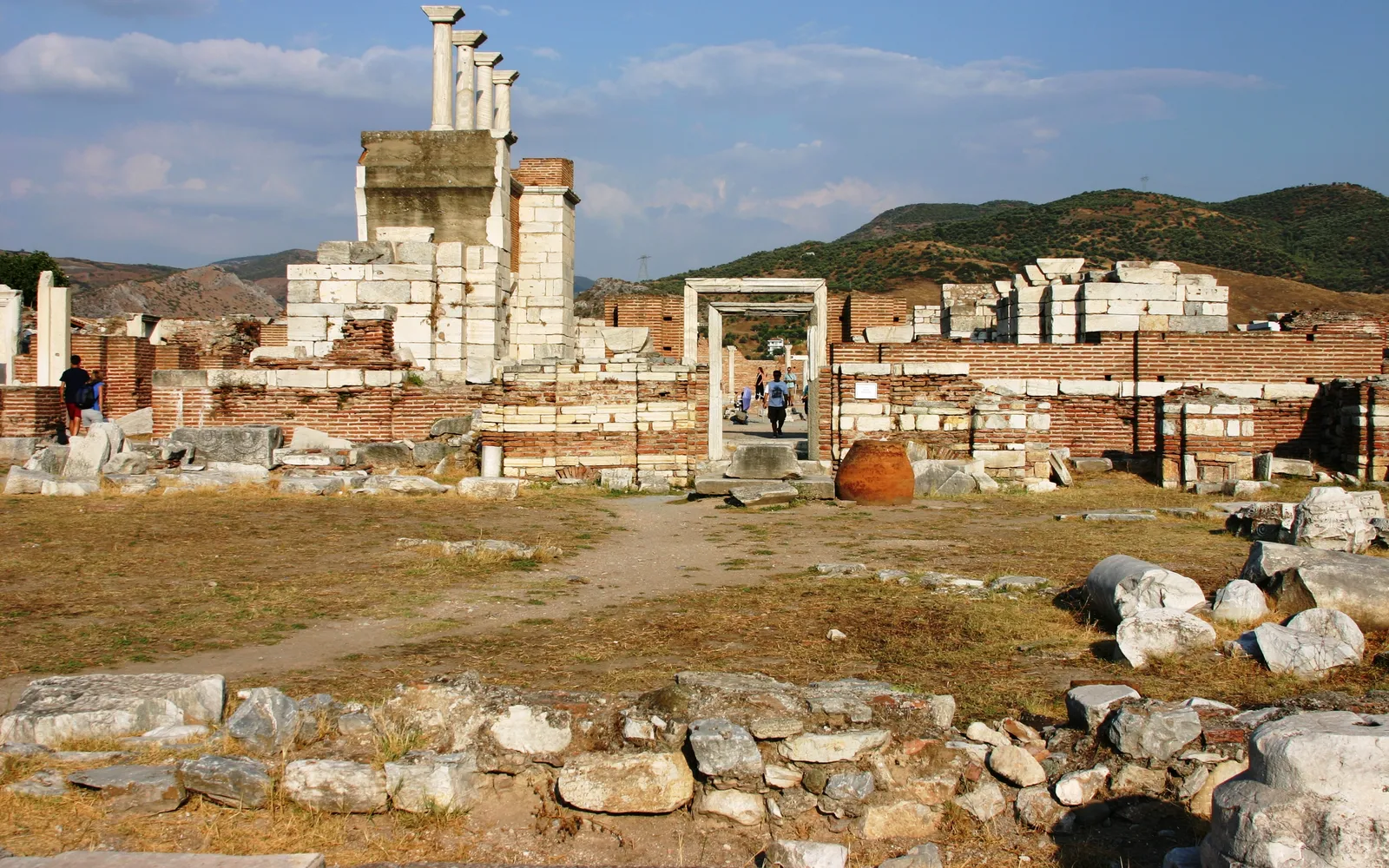
#5 Basilica of St. John
A large Byzantine basilica built by Emperor Justinian in the 6th century AD over the tomb of Saint John the Evangelist. At its peak it ranked among the largest Christian churches in the world. Today only columns and foundations remain, but the scale and floor plan still convey the original ambition. On a clear day, the view from the hill takes in Selcuk, Ephesus and the Aegean.
- The uphill path from Selcuk centre takes 15–20 minutes on foot; non-slip shoes are useful as the stone surfaces are uneven.
- A combo ticket covering the basilica and the Ephesus Museum is available at the entrance and is better value than buying separately.
- Selcuk Castle at the top of the hill is closed for renovation, but the views from the basilica ruins are already well worth the climb.
 #6
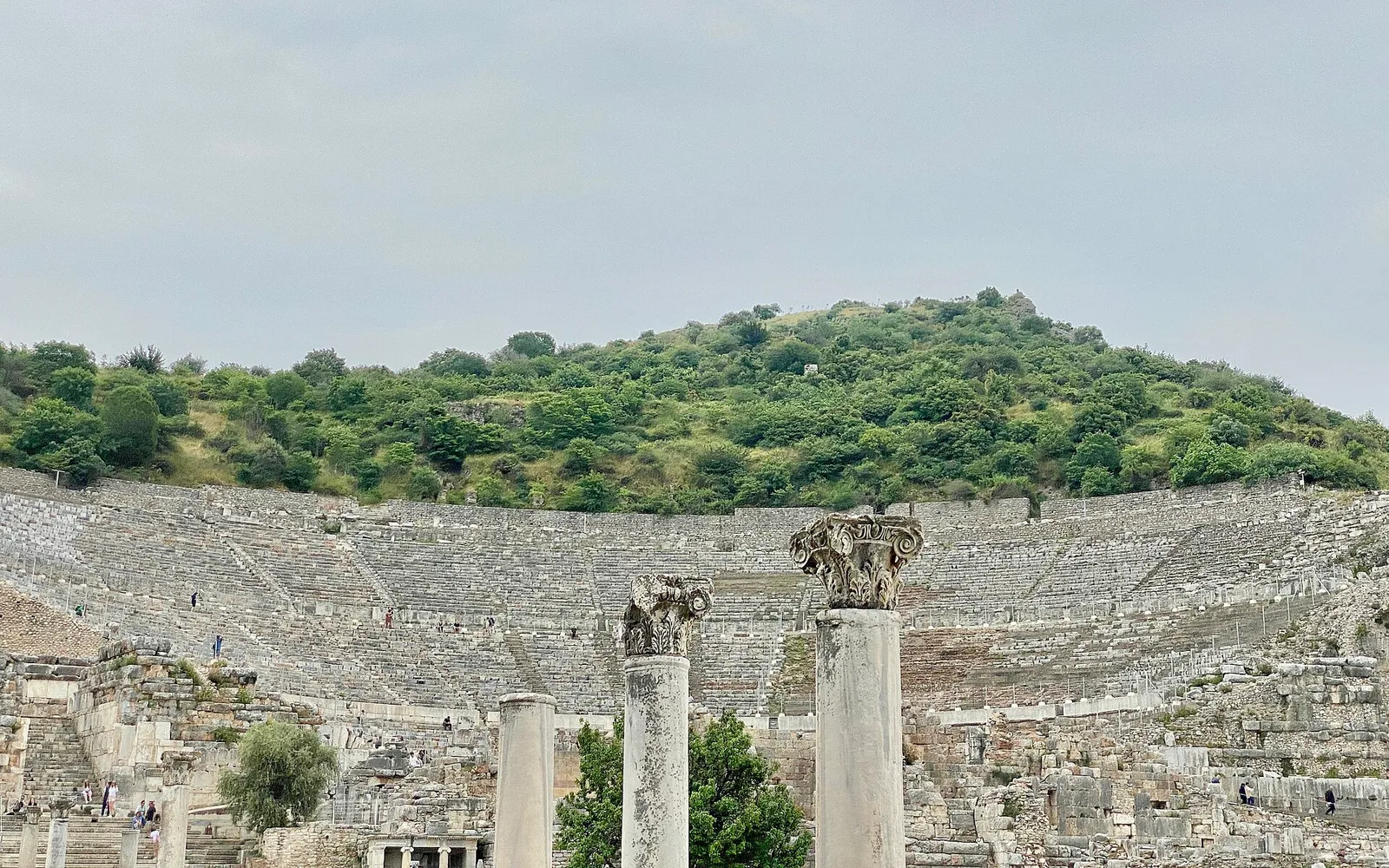
#6 Great Theatre of Ephesus
The largest open-air theatre in the ancient world, with a capacity of over 25,000. Built in the 1st and 2nd centuries AD and in use for more than 500 years. In the New Testament (Acts 19), Ephesian silversmiths rioted against the Apostle Paul right here in this theatre. Its natural hillside setting produces acoustics so good the venue is still used for concerts today.
- Climb to the very top row for a panoramic view of the Arcadian Way stretching toward what was once the ancient harbour — one of the best views at the site.
- The acoustics are remarkable: try speaking or singing softly from the stage floor and the sound carries all the way to the upper tiers.
- In May and June an international music festival uses this theatre as a live venue — check the schedule before your visit.
Where to stay in Ephesus for this trip
A well-located hotel means less commuting and more sightseeing. Here are real, top-rated stays in Ephesus — compare Agoda · Booking · Trip.com in one click.
Livia Hotel Ephesus
Affiliate links — we may earn a commission at no extra cost to you. Details
Hotel Mary's House
Affiliate links — we may earn a commission at no extra cost to you. Details
Akanthus Hotel Ephesus
Affiliate links — we may earn a commission at no extra cost to you. Details
Ibri Hotel
Affiliate links — we may earn a commission at no extra cost to you. Details
Tours, tickets & activities in Ephesus
Day tours, attraction tickets and travel essentials for Ephesus — book ahead on Klook with mobile e-tickets.
Affiliate links — we may earn a commission at no extra cost to you.
Before You Pack
Ephesus is at its best from March to May and September to November — the weather is comfortable and crowds are manageable. Avoid July and August when the heat is intense and the marble streets overflow with visitors. Plan at least one night in Selcuk to explore the site without rushing.