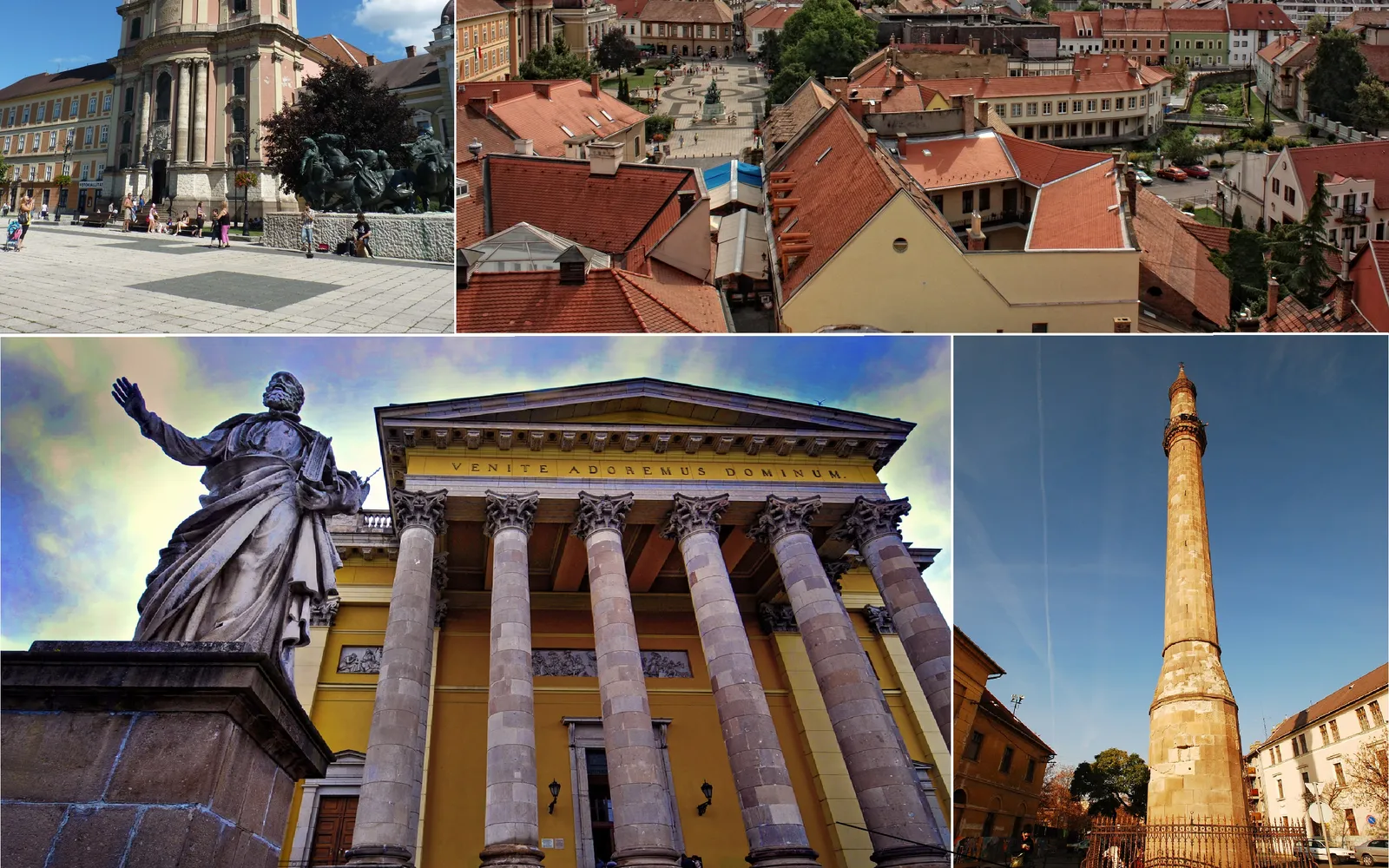
Eger is the kind of city travelers arrive at with no particular expectations — and leave genuinely impressed. Pastel Baroque architecture lines the pedestrian streets, a castle famous for its 1552 defense stands on the hill above town, an underground wine valley hides just outside the center, and real thermal baths let you soak after a day of walking. All of it fits into a compact, entirely walkable city you can cover in half a day on foot.
 #1
#1 Eger Castle
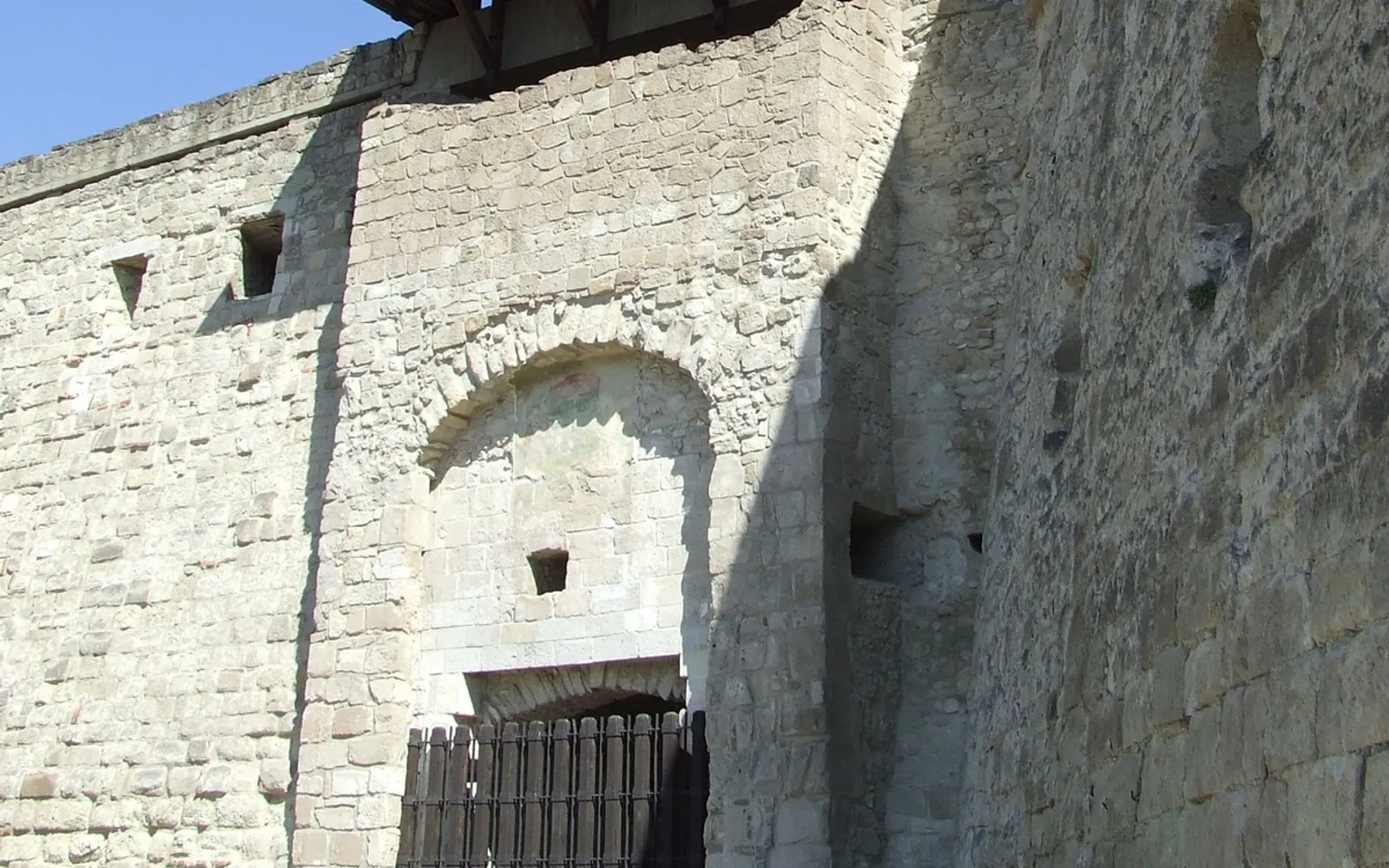
The first stop for anyone visiting Eger. The castle is famous for the 1552 siege, when roughly 2,000 Hungarian soldiers held off an Ottoman army of more than 40,000 for over a month — a feat that became legend in Hungarian literature. Inside you'll find a history museum, underground tunnels you can walk through, and well-preserved defensive walls. The view from the top takes in the whole city.
- Buy the combined ticket covering the museum and the underground tunnels — it gives you the best value for money.
- Start early, between 9:00 and 10:00, before tour groups arrive. The ramparts and courtyards will be nearly empty.
- Open Tuesday through Sunday; closed Monday — check winter opening hours before you visit.
 #2
#2 Valley of Beautiful Women
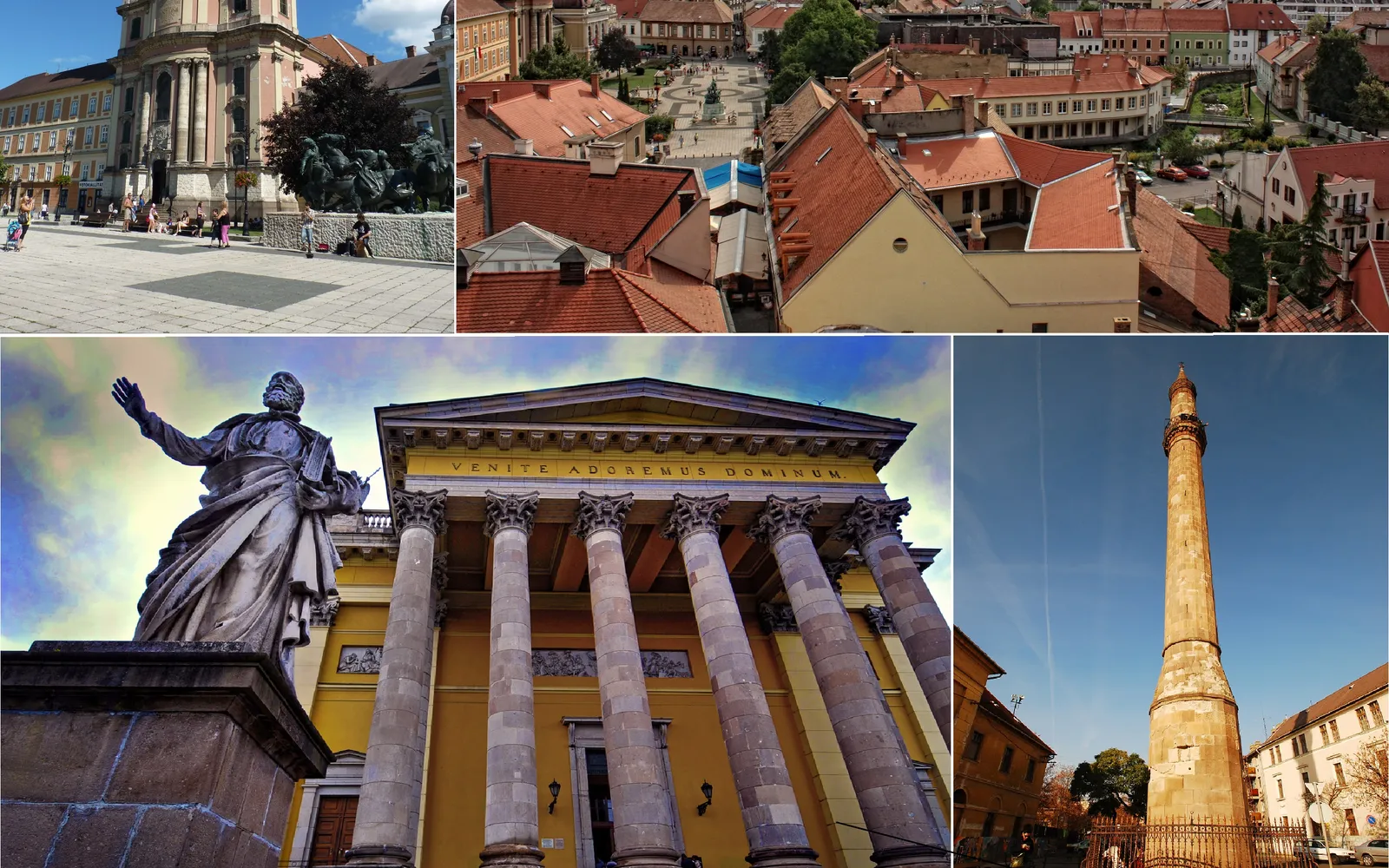
This legendary-named valley is the heart of Eger's wine culture. More than 200 caves have been carved into rhyolite tuff — a volcanic rock that keeps a steady temperature year-round. Local producers open their caves for direct tastings, with a relaxed, informal atmosphere: sit on a bench outside the cave entrance, order a glass of the red Egri Bikavér or the white Leányka, and enjoy the cool air. It works well in the afternoon or the evening.
- No entry fee — pick the cave you like and order by the glass. Expect to pay around 300–600 forints per glass.
- Caves open in the evening have better atmosphere; some have live music and chalkboard menus.
- Watch your step on the uneven stone floors inside some caves, especially after a few glasses.
 #3
#3 Eger Cathedral
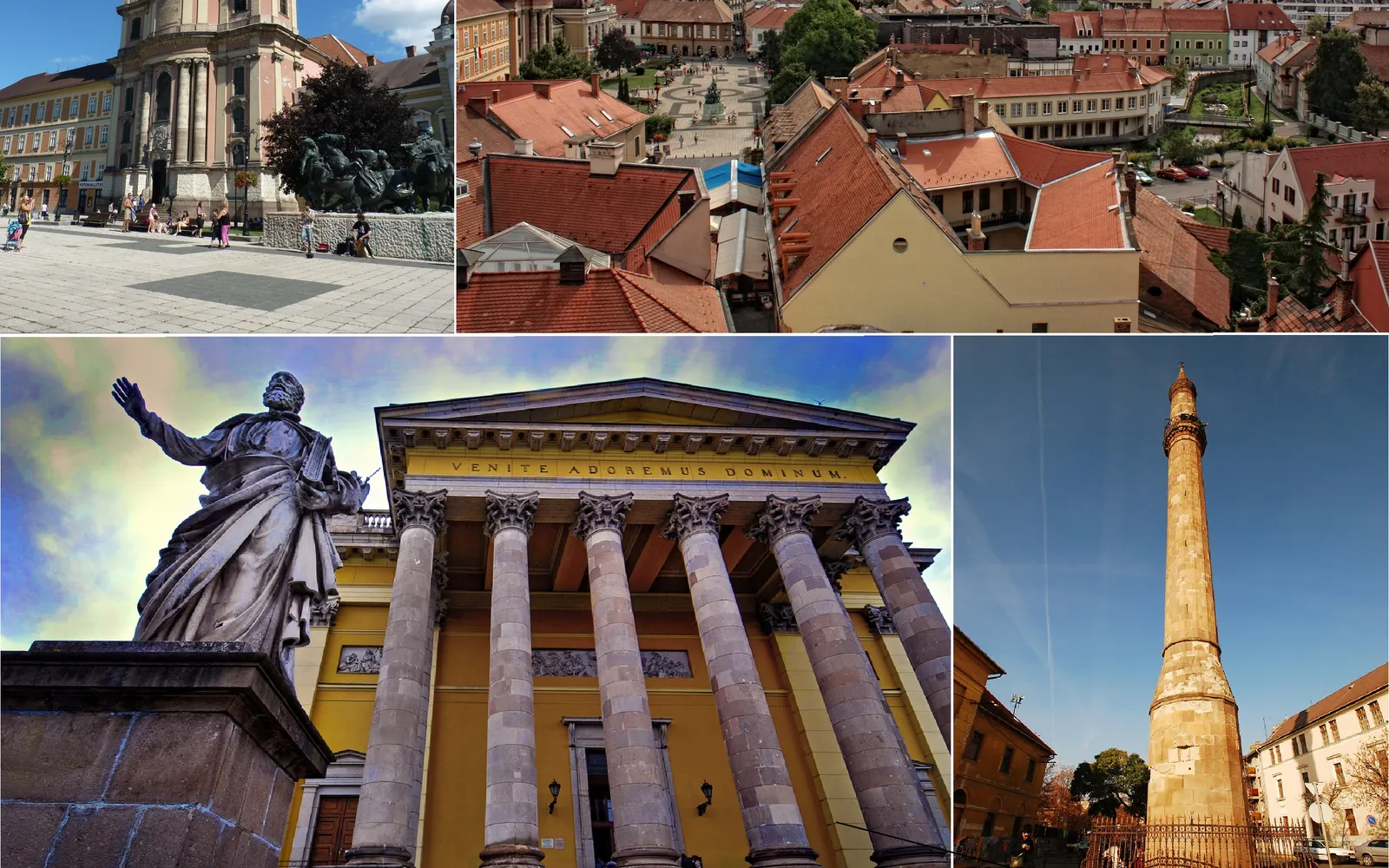
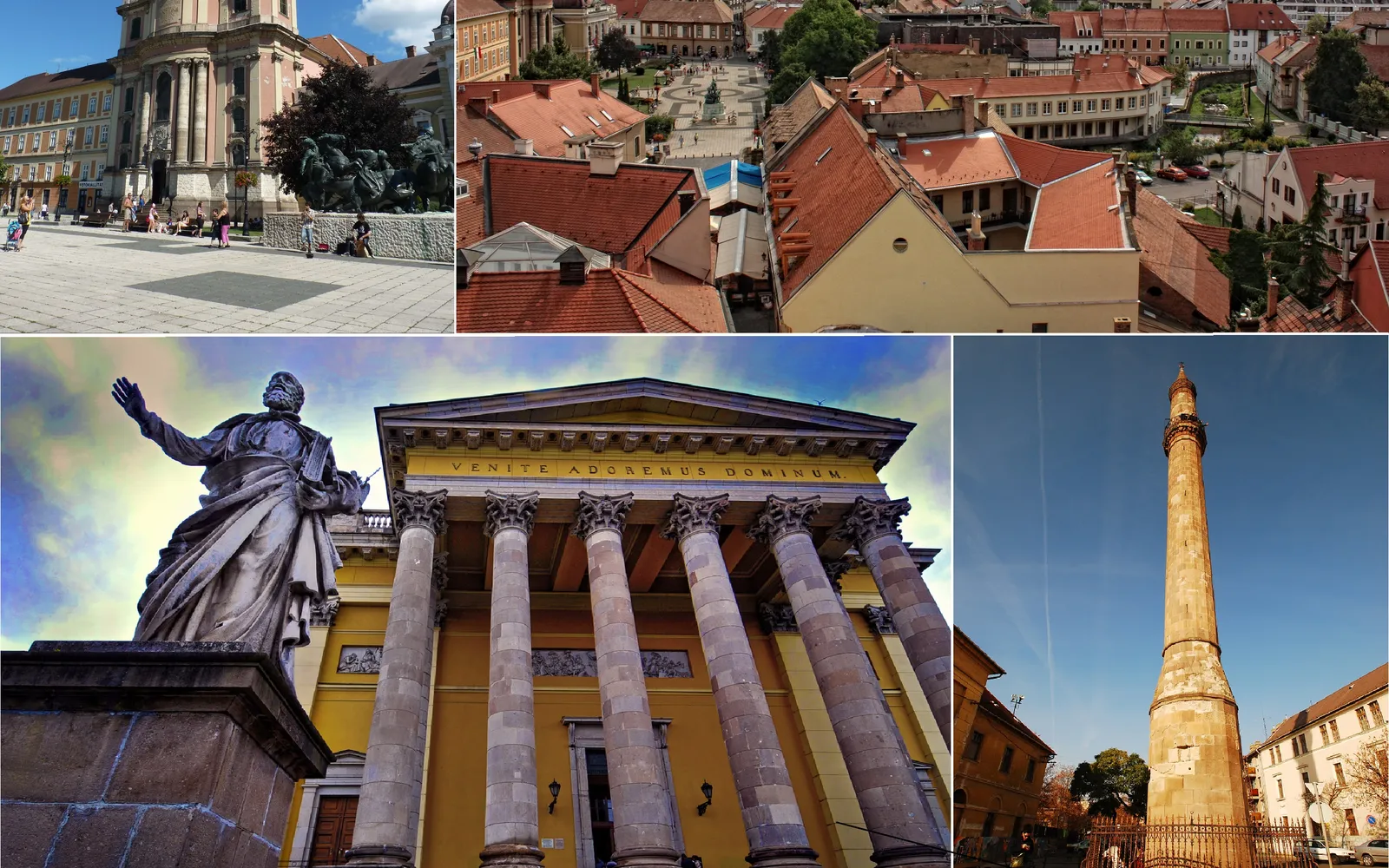
The second-largest cathedral in Hungary, completed in 1836 in Neoclassical style and designed by architect József Hild. The grand staircase at the front sets the scale. Inside, the ceiling is covered in vivid frescoes, the altar is carved marble, and a large pipe organ still in active use anchors the nave. Free public organ concerts take place every Sunday — a good reason to time your visit.
- Free organ concert every Sunday at 11:30 a.m., after the morning Mass ends.
- Admission is around 700–900 forints; you can also climb the bell tower for views over the city.
- Dress modestly — shorts and sleeveless tops are not appropriate inside.
 #4
#4 Eger Minaret
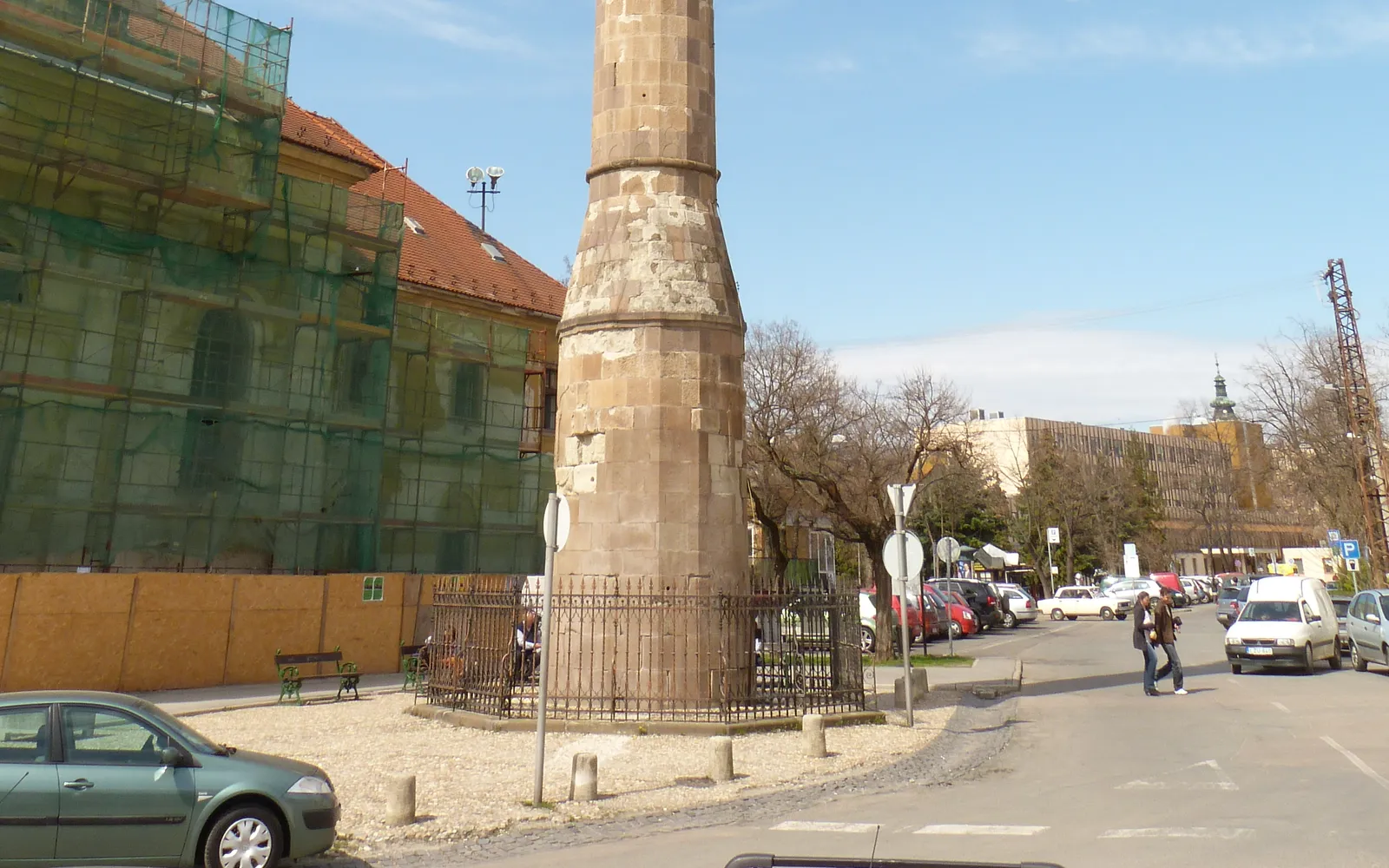
The northernmost Ottoman minaret in Europe, built in the 17th century during the more than 90 years Eger spent under Ottoman rule. When the Ottomans left, the mosque was demolished — but this 40-metre minaret survived. A cross now stands at the top where a crescent once did, a neat symbol of the layered history of the city. Inside, a narrow spiral staircase of 97 steps leads to a small balcony with views over the rooftops.
- The interior staircase is very narrow — room for one person at a time. If you're claustrophobic or have knee problems, it's fine to admire from the square below.
- Entry is around 400–600 forints; opening hours are seasonal and it may close on some winter days.
- The best photo angle is from the square below — wide enough to frame the full tower against a clear sky.
 #5
#5 Eger Thermal Baths
Eger sits on natural thermal springs, and bathing culture here goes back to the Ottoman era. The main baths in the city offer several options, from outdoor relaxation pools to indoor facilities with massage and wellness treatments. Water temperatures range from 28 to 36 degrees Celsius — good for unwinding tired muscles after a day of walking. The experience is noticeably more relaxed and unpretentious than the grand thermal baths in Budapest.
- Bring your own swimsuit; swim caps may be required in some indoor pools — check the rules before you enter.
- Entry costs roughly 2,500–4,000 forints per day, considerably cheaper than the Budapest baths.
- The outdoor pools are at their best between 4:00 and 6:00 p.m. — the late light is warm and the air starts to cool.
 #6
#6 Lyceum of Eger
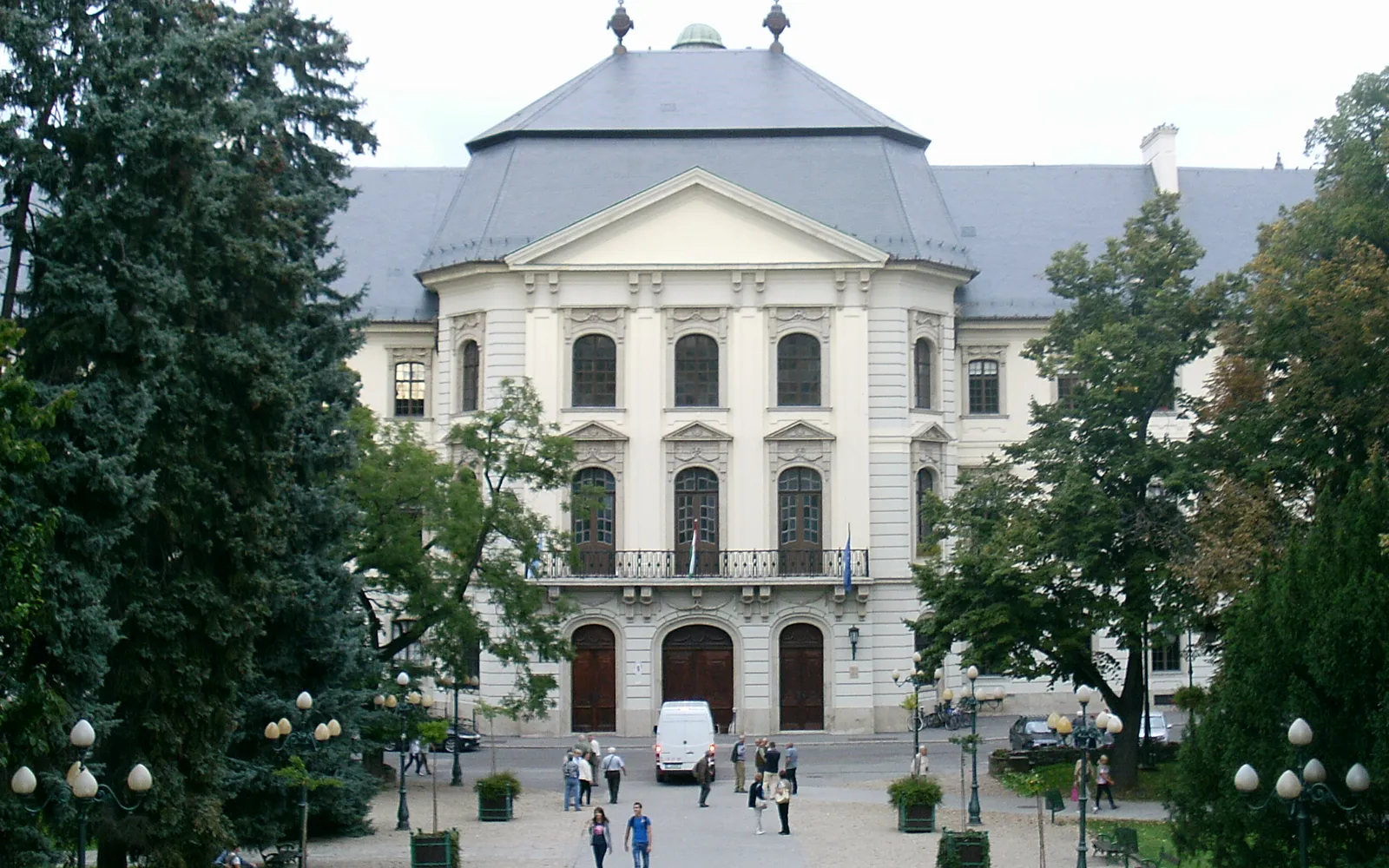
The finest Baroque building in Eger, built in the 18th century by Bishop Eszterházy as a university — and still a working educational institution today. Inside, the astronomical observatory dates to 1776 and houses antique telescopes. The library holds more than 140,000 rare volumes, and the reading room has a barrel-vaulted ceiling covered in remarkable painted frescoes. If you have any interest in architecture, this is not optional.
- The observatory tower is open for visits when access is permitted — the view of the city rivals the castle. Admission is charged separately.
- The library and reading rooms open for tours during set hours; photography is allowed but flash is not.
- The building sits directly across from the cathedral — walking between the two gives you the most beautiful stretch of Baroque streetscape in the city.
Where to stay in Eger for this trip
A well-located hotel means less commuting and more sightseeing. Here are real, top-rated stays in Eger — compare Agoda · Booking · Trip.com in one click.
Főtér Apartman
Affiliate links — we may earn a commission at no extra cost to you. Details
Centrum Vendégház
Affiliate links — we may earn a commission at no extra cost to you. Details
Imola Hotel Platán
Affiliate links — we may earn a commission at no extra cost to you. Details
Hotel Villa Völgy Wellness & Konferencia
Affiliate links — we may earn a commission at no extra cost to you. Details
Tours, tickets & activities in Eger
Day tours, attraction tickets and travel essentials for Eger — book ahead on Klook with mobile e-tickets.
Affiliate links — we may earn a commission at no extra cost to you.
Before You Pack
Eger is at its most beautiful in autumn (September–October), when the vineyards turn gold and the harvest wine festivals are running. Summer (June–August) brings the thermal baths and the wine valley to life with activity. Plan for two nights to cover all the highlights, including an evening tasting session at the Valley of Beautiful Women.