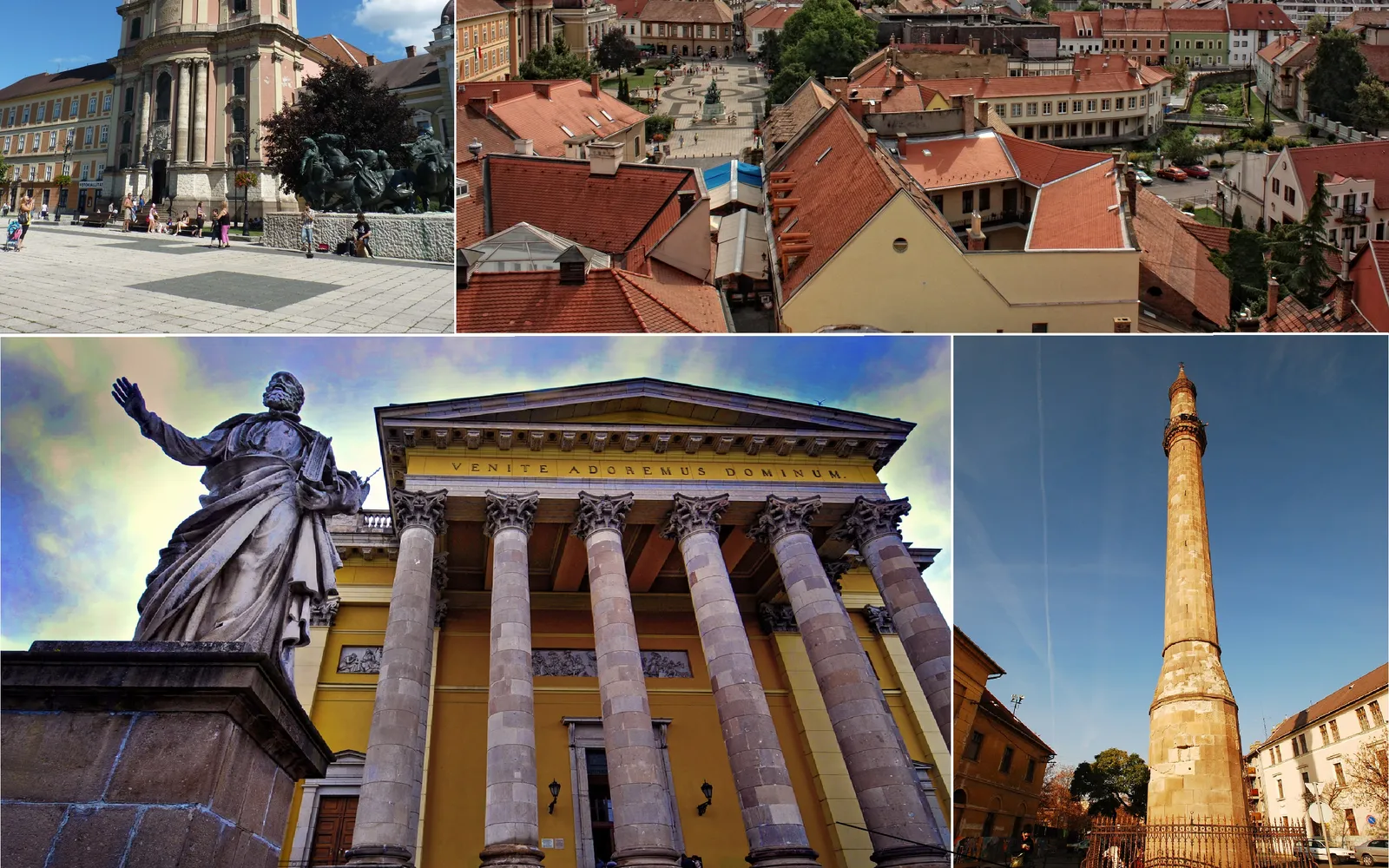
Food and wine in Eger are inseparable from history. Egri Bikavér — Bull's Blood is Hungary's most famous red wine, and the story goes that it fortified soldiers during the siege of 1552. Traditional Hungarian dishes like goulash and pörkölt are warming, rich, and deeply seasoned — with paprika as the soul of every plate.
 #1
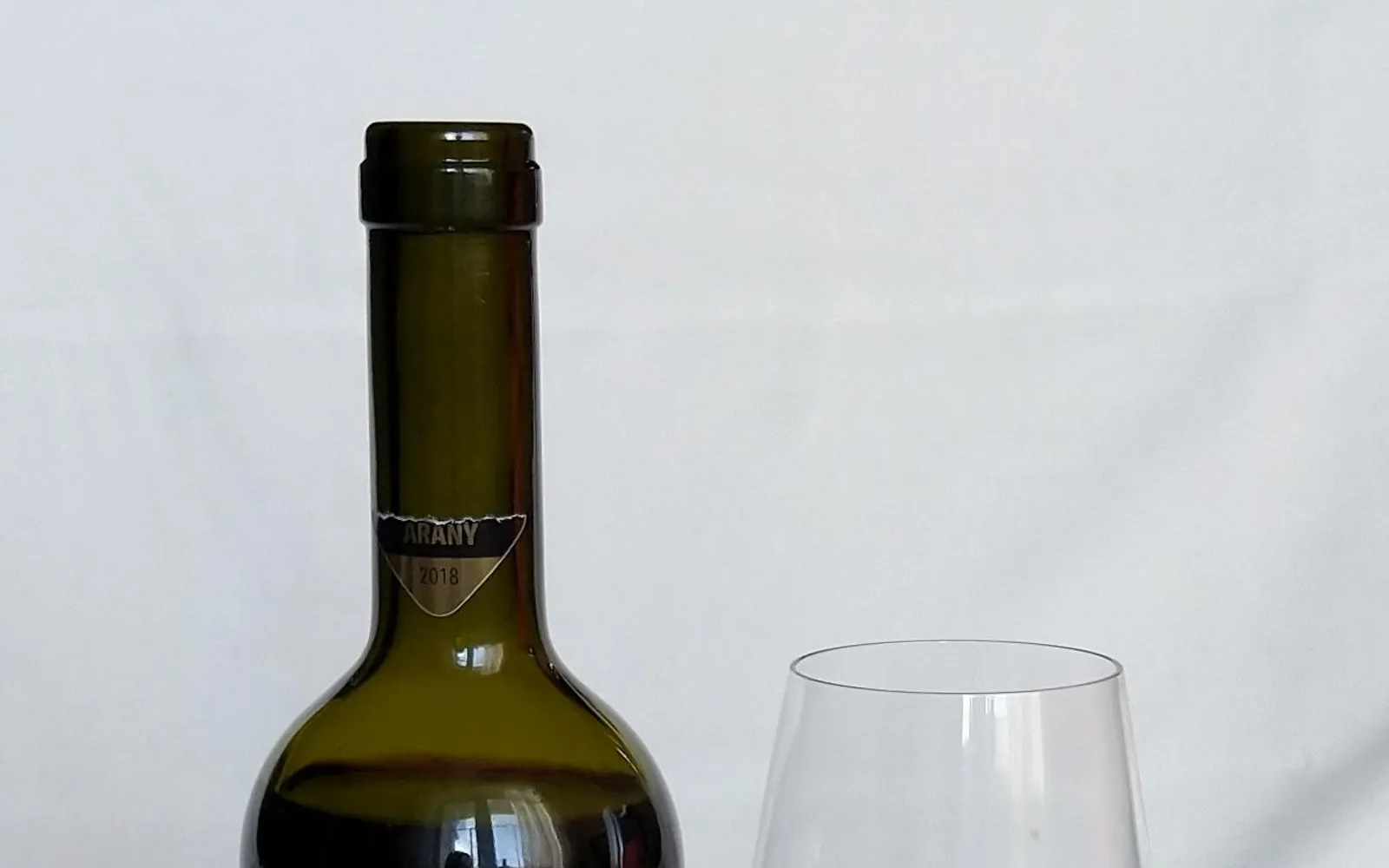
#1 Egri Bikavér
Hungary's most celebrated red wine and Eger's defining legend. The name Bull's Blood comes from the tale that Hungarian soldiers drank this dark-red wine before battle — leaving the Ottomans convinced they were drinking bull's blood. Egri Bikavér is a blend of several grape varieties, led by Kékfrankos, delivering firm tannins, dark red fruit, a mild spice, and an earthy depth. It pairs well with grilled meats, stews, and sharp cheeses. Buying directly from producers inside the wine caves gets you better prices than anywhere in the city.
- You can always ask for a taste before buying in the wine caves — most owners are happy to pour a sample free or for a small charge.
- Expect to pay around 2,500–5,000 forints per bottle in the caves, noticeably less than in town or in Budapest.
- If you prefer white wine, try Egri Leányka or Egri Csillag — both are well-regarded local whites from the same region.
 #2
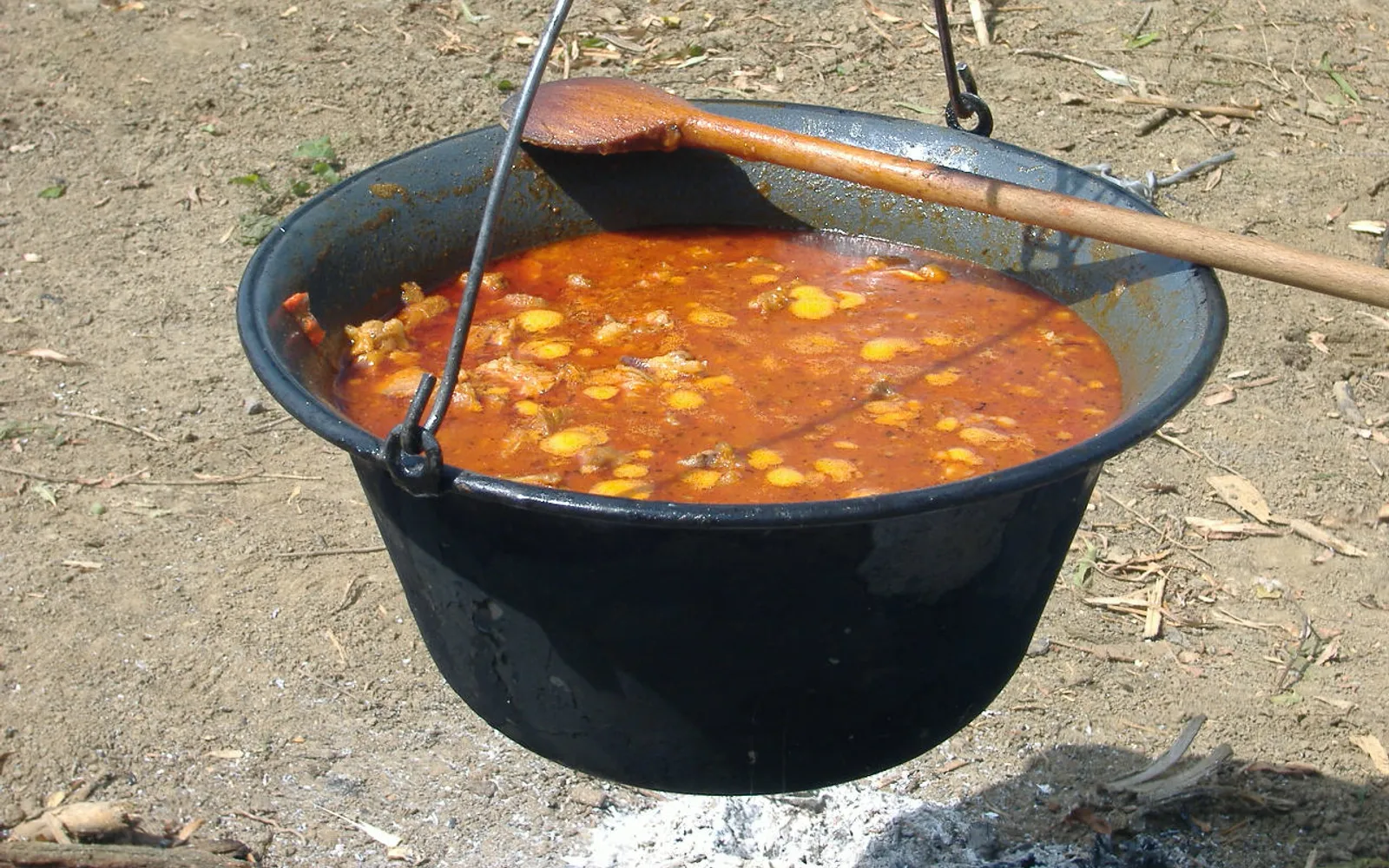
#2 Goulash
Hungary's most internationally recognised dish. Traditional goulash is a thick beef soup slow-cooked with sweet paprika, onions, potatoes, and root vegetables until the meat is meltingly tender. Paprika is the soul of the dish — warming and deep rather than spicy. In Eger, several restaurants prepare goulash in a bogrács, an old iron cauldron, which adds a layer of flavour you don't get from a standard pot. It's an especially satisfying meal on a cold day.
- Order the bogrács version if it's on the menu — the iron cauldron preparation gives a distinct flavour compared to stainless-steel cooking.
- Eat it with rye bread or Hungarian white bread dipped into the broth. Don't hold back on the bread.
- Clear-broth goulash is different from pörkölt, which is a thicker stew — some restaurants use the names interchangeably, so ask before ordering.
 #3
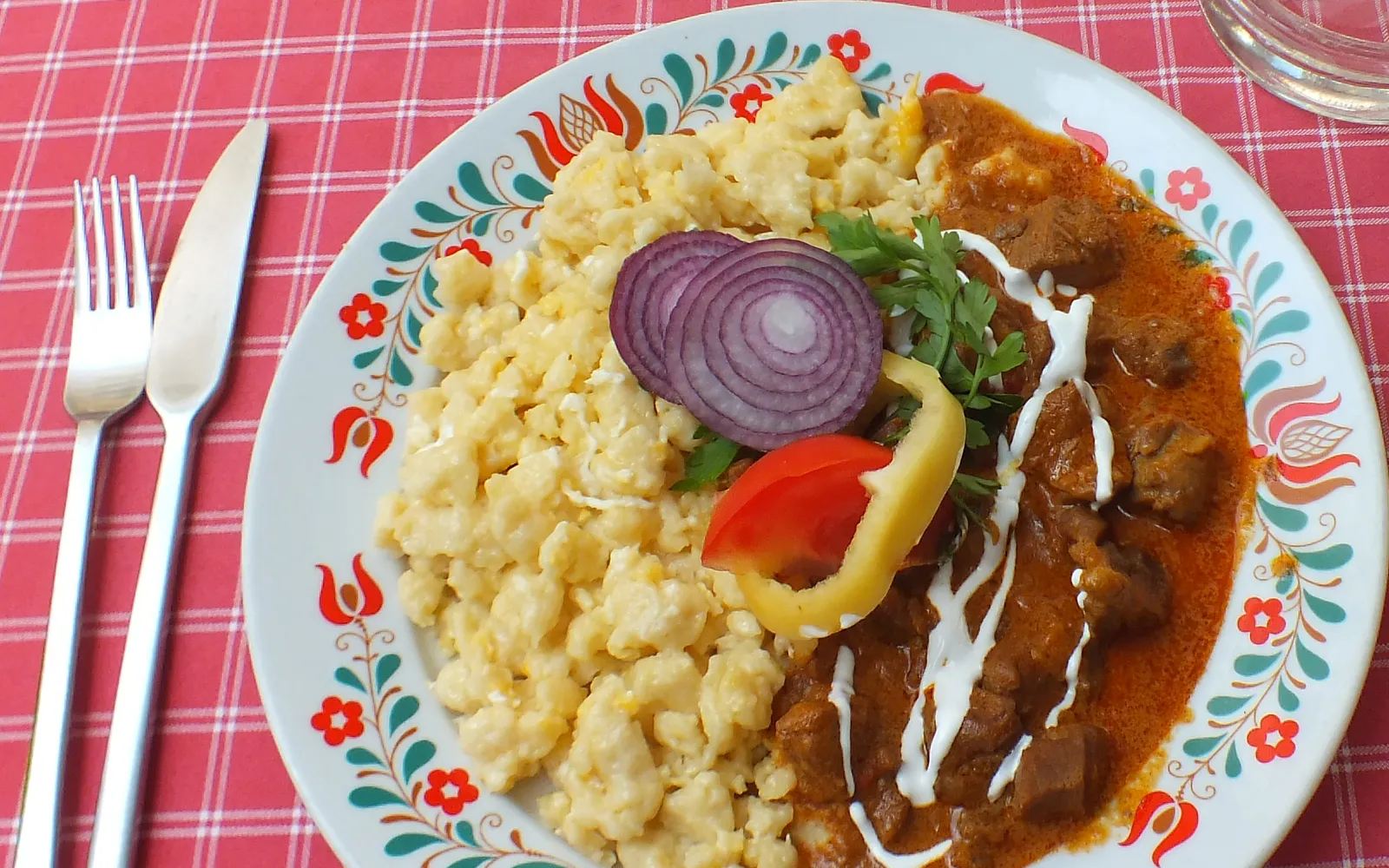
#3 Pörkölt
The thicker, more intense cousin of goulash. Pörkölt is a meat stew built on a base of onions and paprika, with very little liquid — the meat slowly braises until it's deeply saturated in a rich red paprika sauce. It's served with nokedli (small, soft egg noodles) or boiled potatoes. Some Eger restaurants make it with pork, lamb, or duck, but beef is the traditional choice. The flavour is deeper and richer than goulash — the fat of the meat merging with sweet paprika into something you'll remember.
- Ask whether they use édes (sweet) or csípős (hot) paprika so you can choose your preferred heat level.
- Nokedli absorbs the sauce exceptionally well — some restaurants will give you more at no extra charge.
- Lamb pörkölt has a different character: more aromatic but even richer. Worth trying if you enjoy lamb.
 #4
#4 Lángos
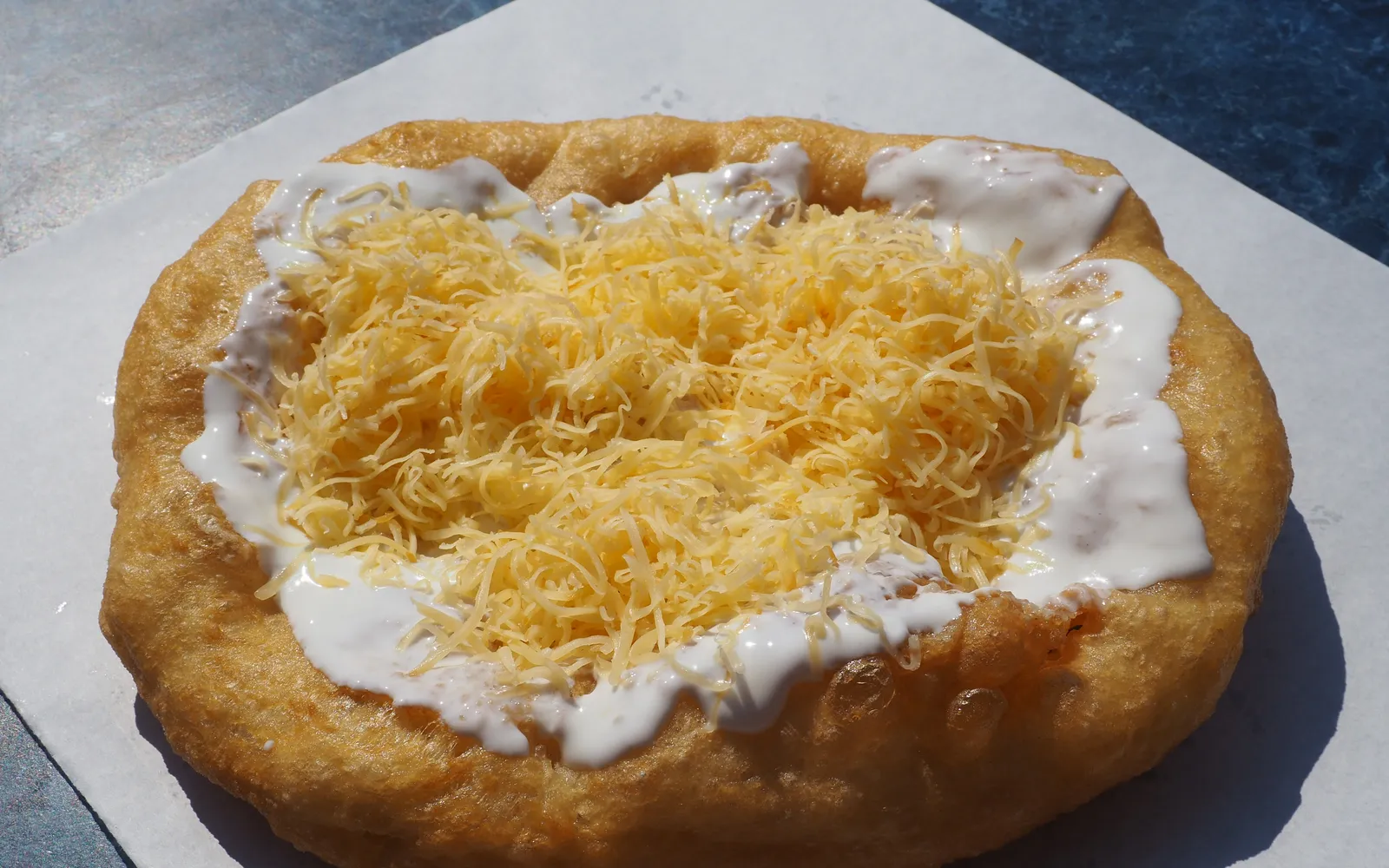
Hungary's most iconic street food. A thick yeast dough is deep-fried in hot oil until it puffs up crisp on the outside and stays soft and slightly chewy inside. The most popular toppings are sour cream (tejföl) with coarsely grated cheese, or garlic with butter. Some stalls offer sweet versions with jam. It's cheap, filling, and best eaten hot straight from the stand — a must-try in any Hungarian city. The flavour is straightforward but genuinely addictive.
- Ask for fokhagymás (garlic) for a stronger flavour, or sajtos tejfölös (cheese and sour cream) for something richer.
- Eat it immediately while hot — the dough softens quickly and loses its crispness within minutes.
- At festivals and markets you'll find large lángos stalls with multiple topping options, priced at around 600–1,200 forints.
 #5
#5 Chimney Cake
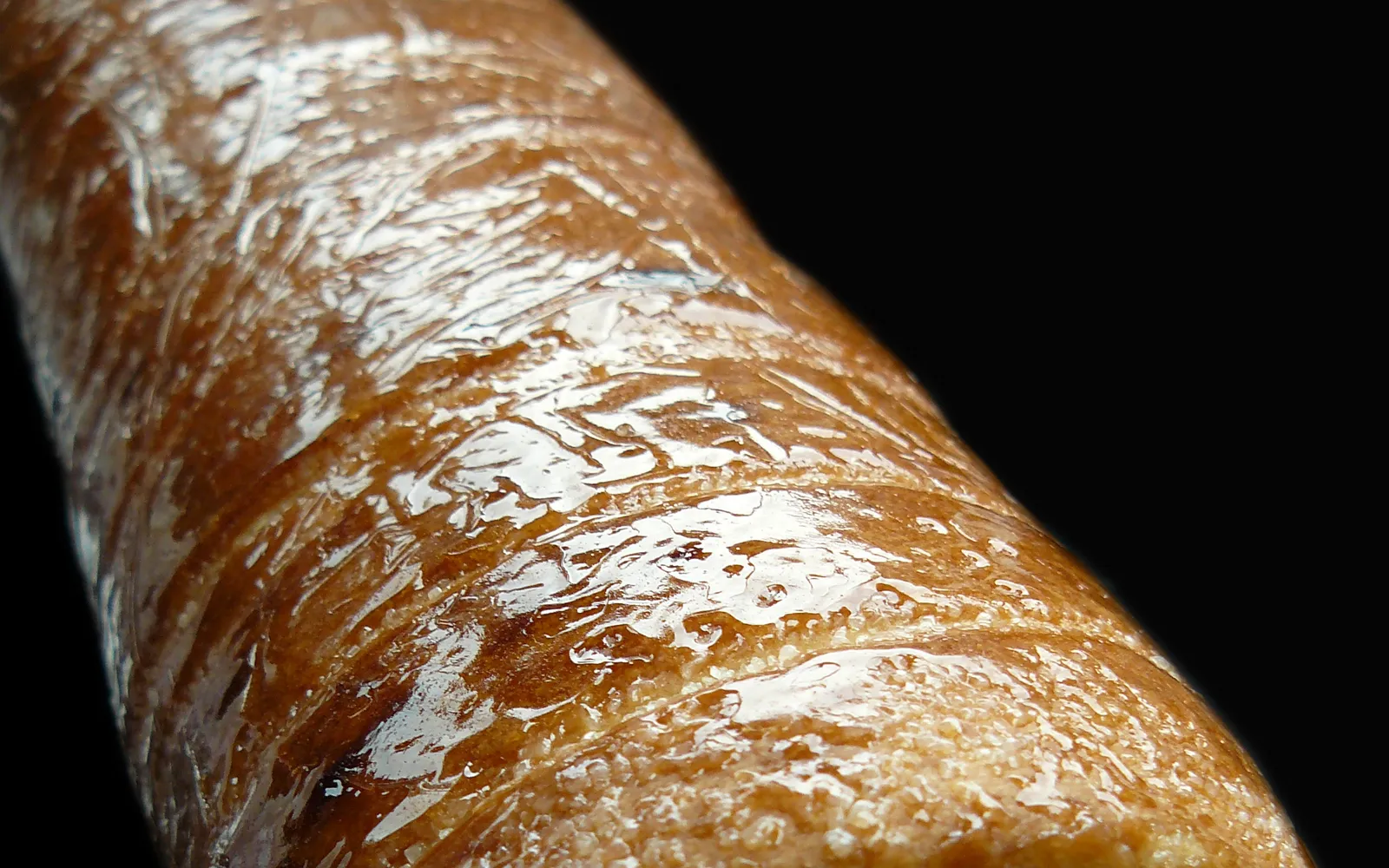
The most famous sweet pastry of the Carpathian region, with strong roots in Hungary and Romania. Sweet dough is wound around a metal spit and roasted over charcoal until the whole surface turns golden and crisp, then rolled in cinnamon sugar, crushed walnuts, melted butter, or just cinnamon sugar alone. The hollow cylinder shape — roughly hand-sized — resembles a chimney, hence the name. In Hungarian it's called Kürtőskalács, meaning 'ring chimney'. The pastry has over 700 years of history in this region.
- Eat it hot, immediately after receiving it — it's at its crispest and most fragrant in the first 5 minutes.
- Choose the walnut-and-cinnamon-sugar coating for a more complex flavour than plain sugar alone.
- During the Christmas market season (November–December), chimney cake appears at every stall with seasonal specialty toppings.
 #6
#6 Palacsinta
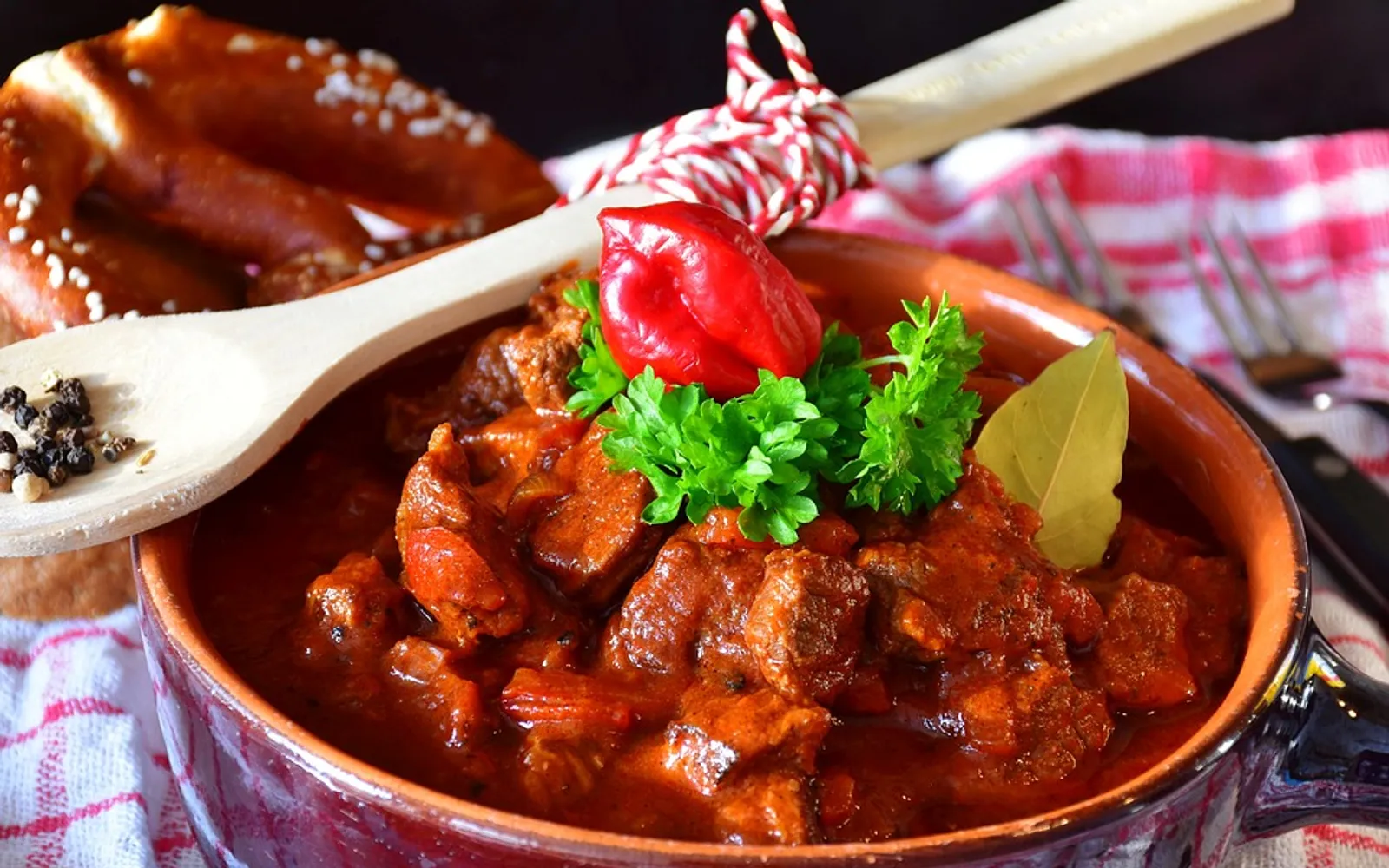
Hungary's thin pancake, similar in texture to a French crêpe but with its own character. Palacsinta is rolled into a long cylinder and filled in several ways — the most popular being apricot jam (sárgabaracklekvár), cottage cheese with raisins (túrós), cottage cheese with sour cream, or chocolate. Some restaurants in Eger serve an old-style Hortobágyi palacsinta filled with paprika meat stew — a semi-savoury, semi-sweet combination that's genuinely worth ordering. Priced at around 400–800 forints each, it's excellent value as a dessert.
- Try a Hortobágyi palacsinta (meat-filled) alongside a sweet one to experience both styles in one sitting.
- Túrós palacsinta — cottage cheese and raisins — is the version Hungarians grew up eating. It's warm and deeply comforting.
- At 400–800 forints per piece, palacsinta makes an affordable and satisfying end to an evening meal.
Where to stay in Eger for this trip
A well-located hotel means less commuting and more sightseeing. Here are real, top-rated stays in Eger — compare Agoda · Booking · Trip.com in one click.
Főtér Apartman
Affiliate links — we may earn a commission at no extra cost to you. Details
Centrum Vendégház
Affiliate links — we may earn a commission at no extra cost to you. Details
Imola Hotel Platán
Affiliate links — we may earn a commission at no extra cost to you. Details
Hotel Villa Völgy Wellness & Konferencia
Affiliate links — we may earn a commission at no extra cost to you. Details
Tours, tickets & activities in Eger
Day tours, attraction tickets and travel essentials for Eger — book ahead on Klook with mobile e-tickets.
Affiliate links — we may earn a commission at no extra cost to you.
Before You Pack
The best Hungarian food in Eger tends to appear in small restaurants on narrow side streets, or in wine caves run by the owners themselves. If you walk past a place that smells of paprika and has locals filling every seat, that's your sign to go in.