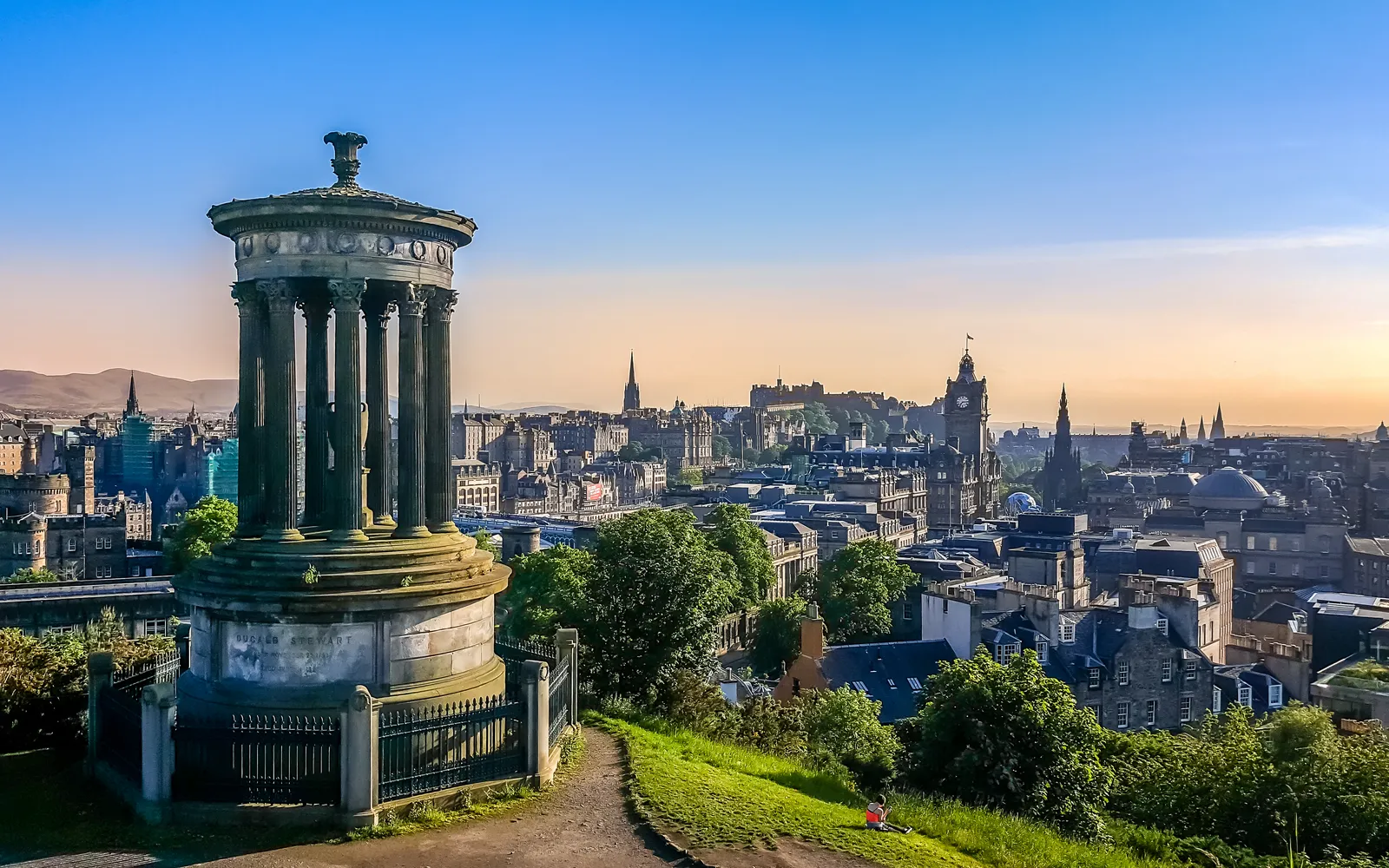
Edinburgh is one of Europe's most striking cities — and that's not a close call. A castle perched on a volcanic cliff face over 340 million years old, a Royal Mile lined with layers of Scottish history, and Arthur's Seat — a real mountain in the middle of the city that anyone can climb any day of the week. All of it is within walking distance of everything else. Edinburgh is not simply a place to visit; it is a city with a living identity and a deep, unshakeable pride in being Scottish.
 #1
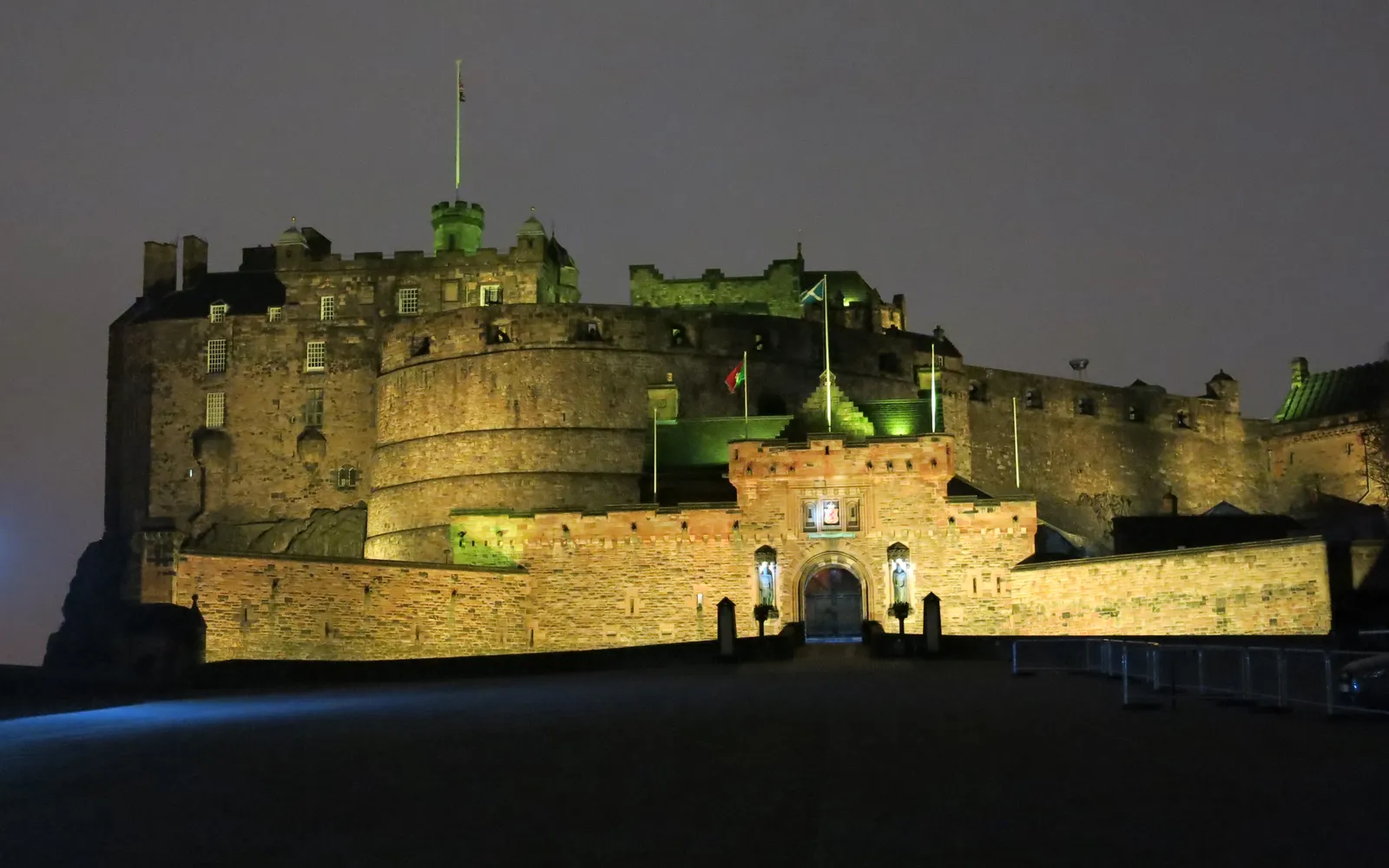
#1 Edinburgh Castle
Scotland's most-visited attraction sits on the hardest volcanic rock in Edinburgh and has been occupied for more than 3,000 years. Inside you'll find Scotland's Crown Jewels — intact and on permanent display — the Stone of Destiny, and the One O'Clock Gun that fires every day at 13:00 sharp. The views from the castle walls stretch across the city to the Firth of Forth.
- Book tickets online in advance at historicenvironment.scot to skip the queues — especially in summer. Entry is around £19–22.
- Arrive at opening time, 9:30 am, when crowds are thinnest.
- The One O'Clock Gun has fired every Monday to Saturday at 13:00 since 1861 — worth timing your visit around.
 #2
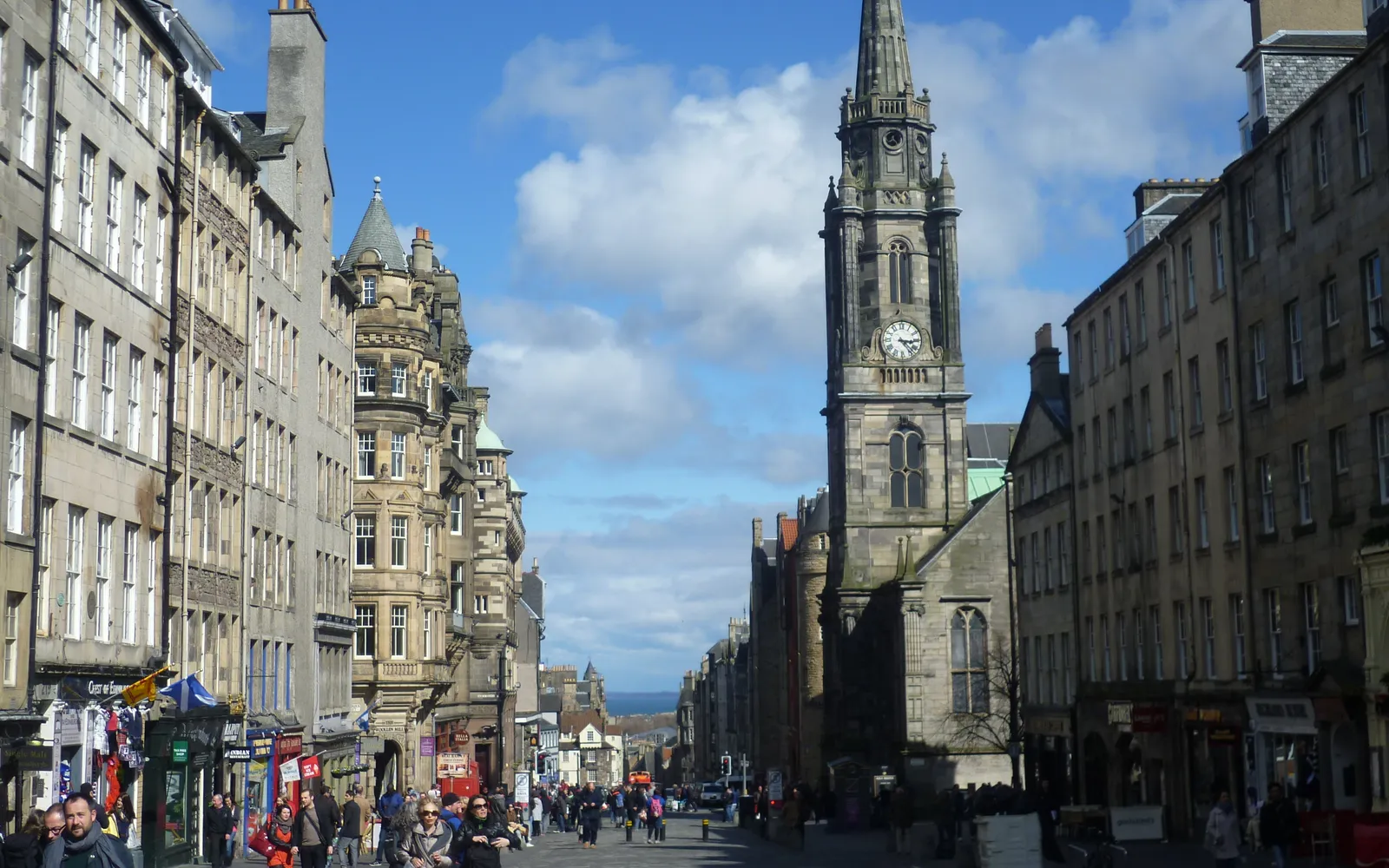
#2 Royal Mile
A historic street exactly one mile long, running from Edinburgh Castle down to the Palace of Holyroodhouse. It is the spine of the Old Town, a UNESCO World Heritage Site. Along both sides you'll find the medieval St Giles' Cathedral, the Real Mary King's Close (an underground street hidden beneath the present-day road), whisky shops, tartan stores, and bagpipers. The Royal Mile is Scottish history you can walk through.
- You can walk the full length in 20 minutes at a pace, but seeing everything properly takes a full day. A sensible split: castle in the morning, the Mile in the afternoon, the Palace in the evening.
- The Real Mary King's Close (around £18–20) takes you into the life of 17th-century Edinburgh buried beneath the current street — genuinely worth it.
- Street bagpipers along the Mile work for tips. If you want a photo, drop a coin or note in the case.
 #3
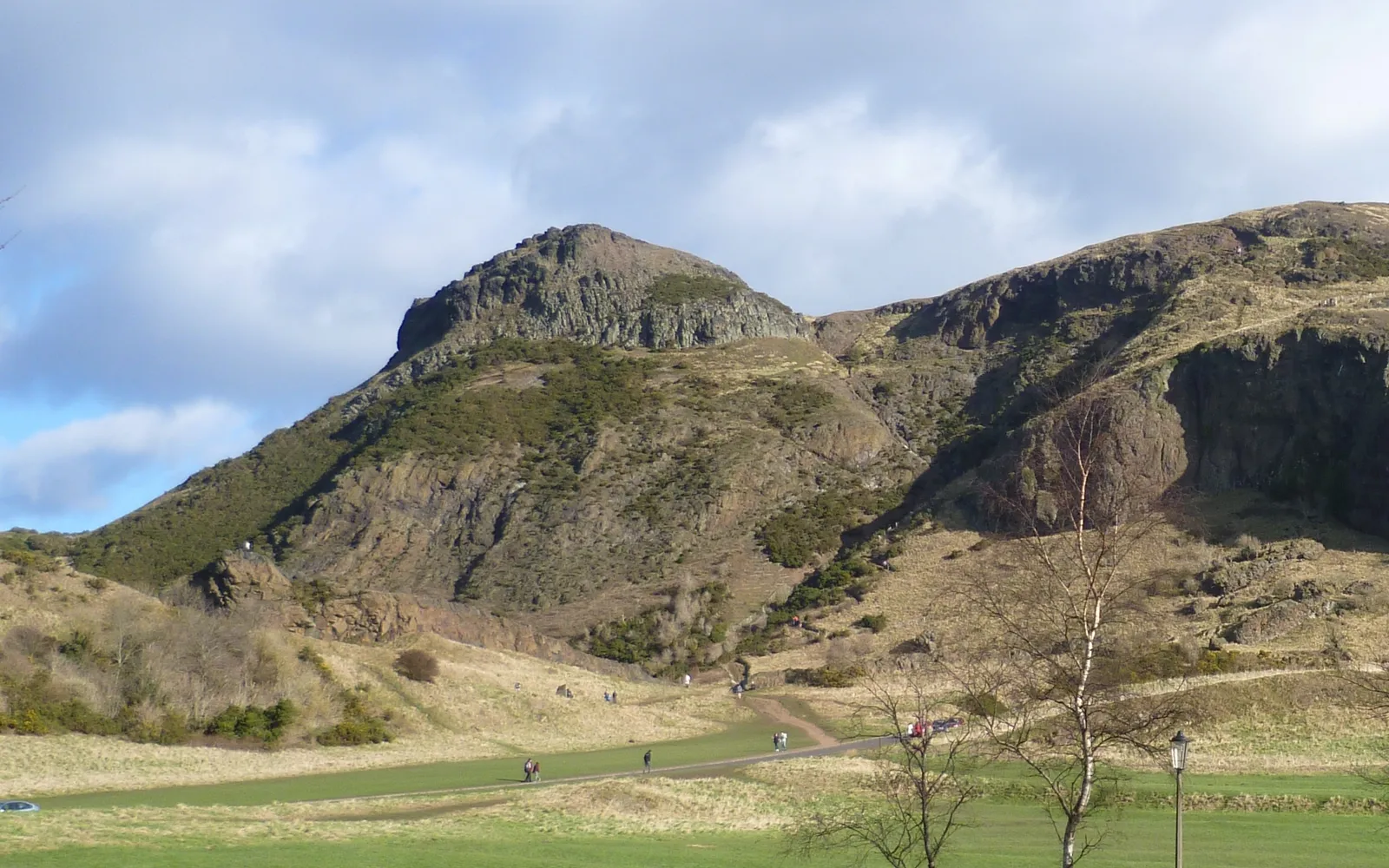
#3 Arthur's Seat
An ancient volcano, 350 million years old and 251 metres high, sitting in the middle of Edinburgh. The walk to the top takes 45–60 minutes and requires no special equipment beyond non-slip footwear. From the summit you get a full 360-degree view of the city, the castle, the Firth of Forth, and the Pentland Hills in the distance. There is almost nowhere else in a European capital where you can climb an actual mountain and be back in a café in the city within an hour.
- Wear shoes with a decent grip — the path stones get wet and slippery in the rain, which happens often in Edinburgh.
- The main route up from Holyrood Palace is easier. The Salisbury Crags path is steeper but has better views.
- Free, open 24 hours. Holyrood Park never closes. Watching the sunrise from the summit is one of the finest experiences Edinburgh offers.
 #4
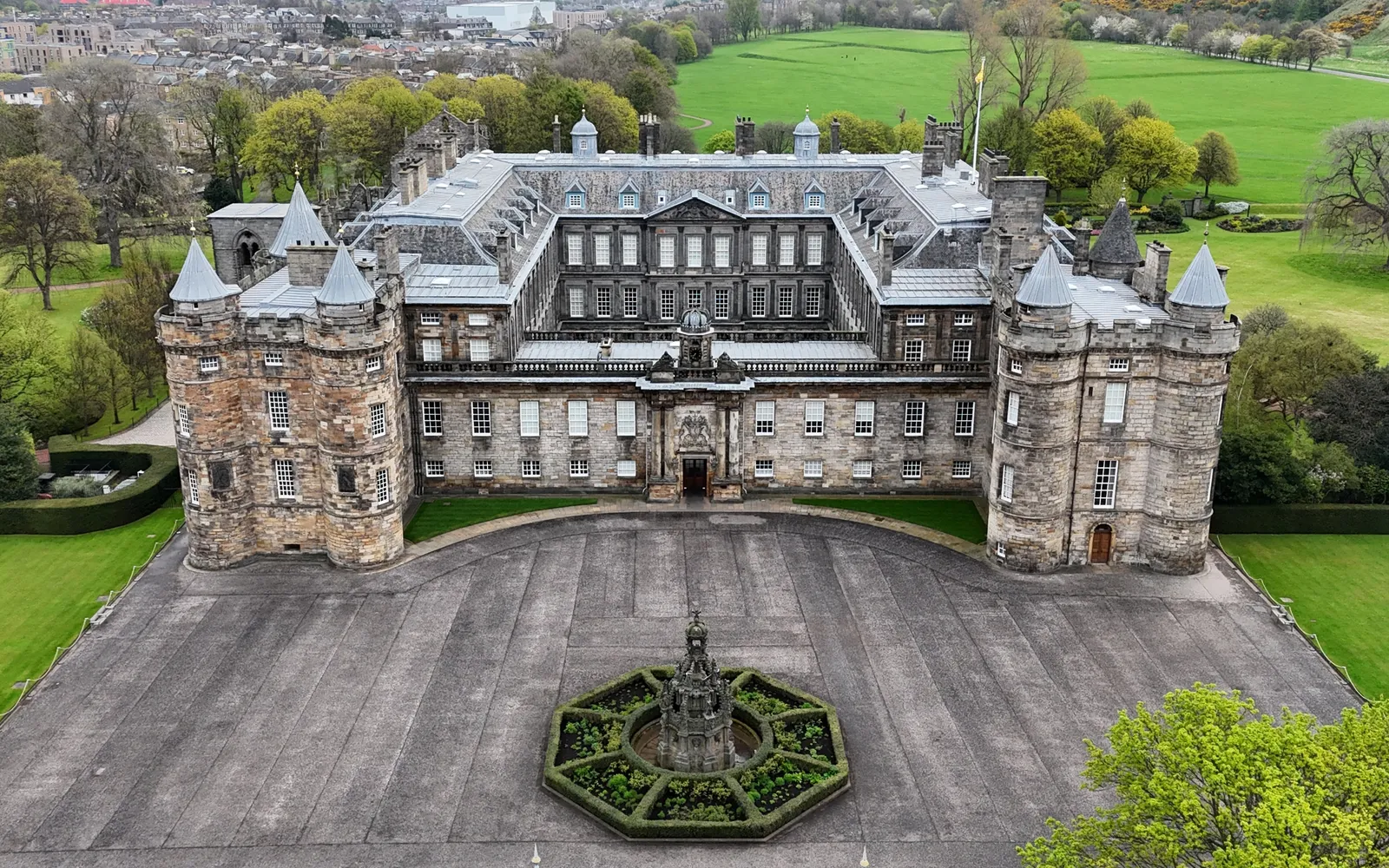
#4 Palace of Holyroodhouse
The official residence of the British monarch in Scotland and the home of King Charles III when he visits Edinburgh. Its most famous chapter belongs to Mary Queen of Scots in the 16th century — her apartments are open to visitors, including the room where her secretary was murdered. When the Palace is open to the public, the state rooms and gardens are beautiful and full of stories that are difficult to believe.
- Check dates before you go — the Palace closes to visitors when the Royal Family is in residence, particularly in June and July.
- Entry is around £19–21, including an excellent audio guide available in 10 languages, English among them.
- After the Palace, Arthur's Seat is right behind you — one of the most time-efficient combinations in Edinburgh.
 #5
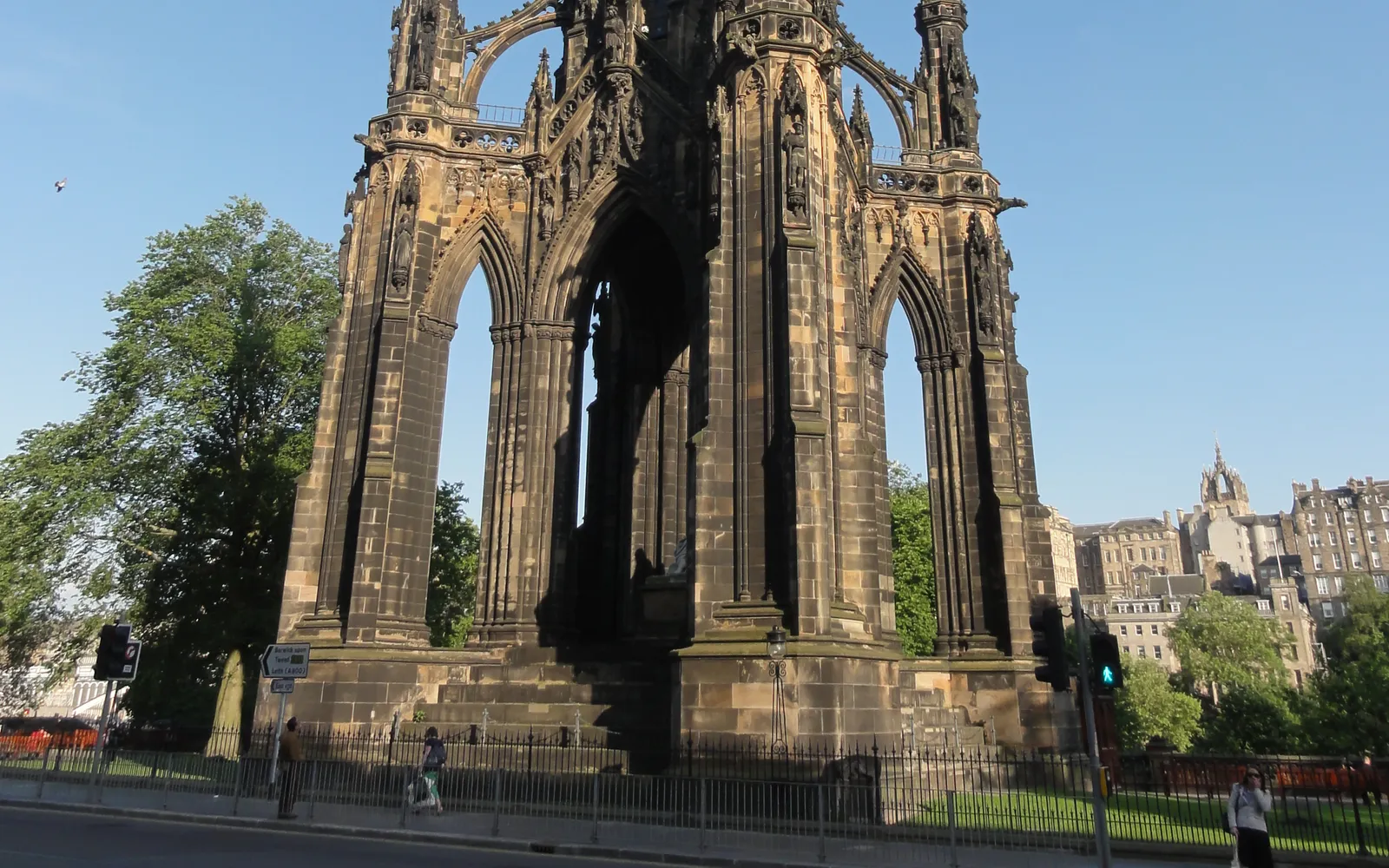
#5 Scott Monument
The largest monument to a writer anywhere in the world, built in honour of Sir Walter Scott. The Gothic tower is 61 metres tall with 287 steps that you can actually climb, stopping at 4 viewing platforms along the way. From the top you look down on the Castle, Old Town, and New Town laid out together. The tower's dark colour comes from Victorian-era soot that accumulated over the decades — it has become one of Edinburgh's most recognisable silhouettes.
- Entry is low — around £8–10. The stairs are narrow and steep; not ideal if you have a fear of heights or confined spaces.
- The Princes Street Gardens below are free and worth a stroll on their own, especially in spring when the tulips are in bloom.
- Open daily 10:00 am–7:00 pm in summer and 10:00 am–4:00 pm in winter — check times before you go.
 #6
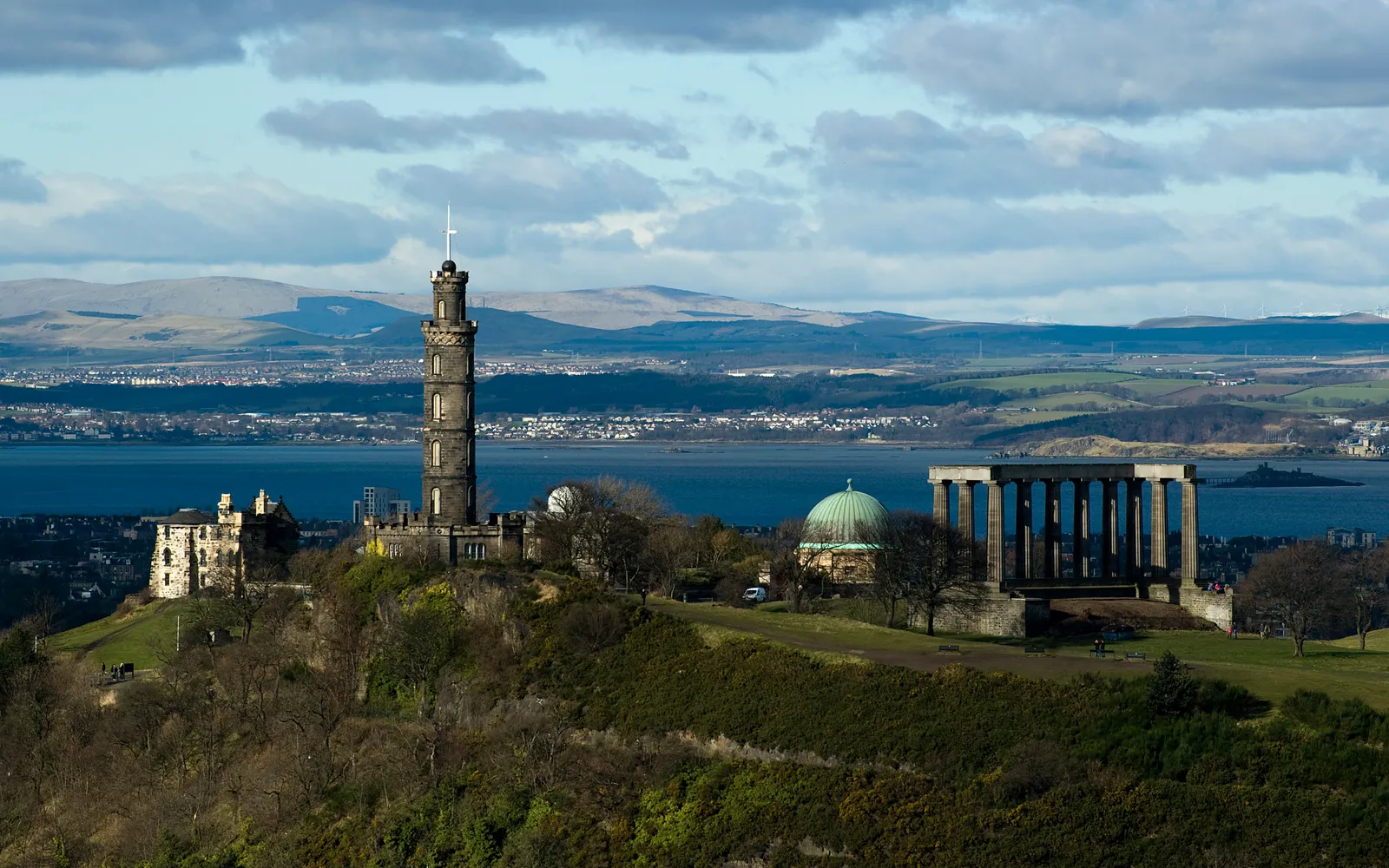
#6 Calton Hill
The easiest way to get a 360-degree view of Edinburgh — a 15–20 minute walk to the top. On the summit there are several unusual monuments: the unfinished National Monument (known locally as the Disgrace of Edinburgh), the Nelson Monument, and the City Observatory. It is one of the most popular spots in the city for watching both sunrise and sunset, and it costs nothing to visit at any hour.
- Free, open 24 hours — a favourite Edinburgh spot for sunrise.
- The unfinished National Monument has a good story behind it: funding ran out in 1829 and it has stayed exactly like this for nearly 200 years.
- Wind on Calton Hill is strong even in summer — bring a windproof layer.
Where to stay in Edinburgh for this trip
A well-located hotel means less commuting and more sightseeing. Here are real, top-rated stays in Edinburgh — compare Agoda · Booking · Trip.com in one click.
Motel One Edinburgh-Princes
Affiliate links — we may earn a commission at no extra cost to you. Details
YOTEL Edinburgh
Affiliate links — we may earn a commission at no extra cost to you. Details
Kimpton Charlotte Square
Affiliate links — we may earn a commission at no extra cost to you. Details
Motel One Edinburgh-Royal
Affiliate links — we may earn a commission at no extra cost to you. Details
Tours, tickets & activities in Edinburgh
Day tours, attraction tickets and travel essentials for Edinburgh — book ahead on Klook with mobile e-tickets.
Affiliate links — we may earn a commission at no extra cost to you.
Before You Pack
Edinburgh is at its best in August during the Edinburgh Festival Fringe and in autumn (September–October) when the hillsides turn. Plan at least 3–4 days to cover the main highlights without rushing — the city is compact enough that almost everything is walkable.