
Scottish food has a reputation it doesn't quite deserve. Anyone who's actually eaten it tends to change their mind fast. Well-made haggis is rich and aromatic, Cullen Skink is creamier and deeper than any ordinary fish soup, and Single Malt Scotch is more complex than whisky from anywhere else on earth. Edinburgh delivers on both fronts — traditional dishes in old pubs and modern Scottish cooking that takes local ingredients somewhere genuinely creative.
 #1
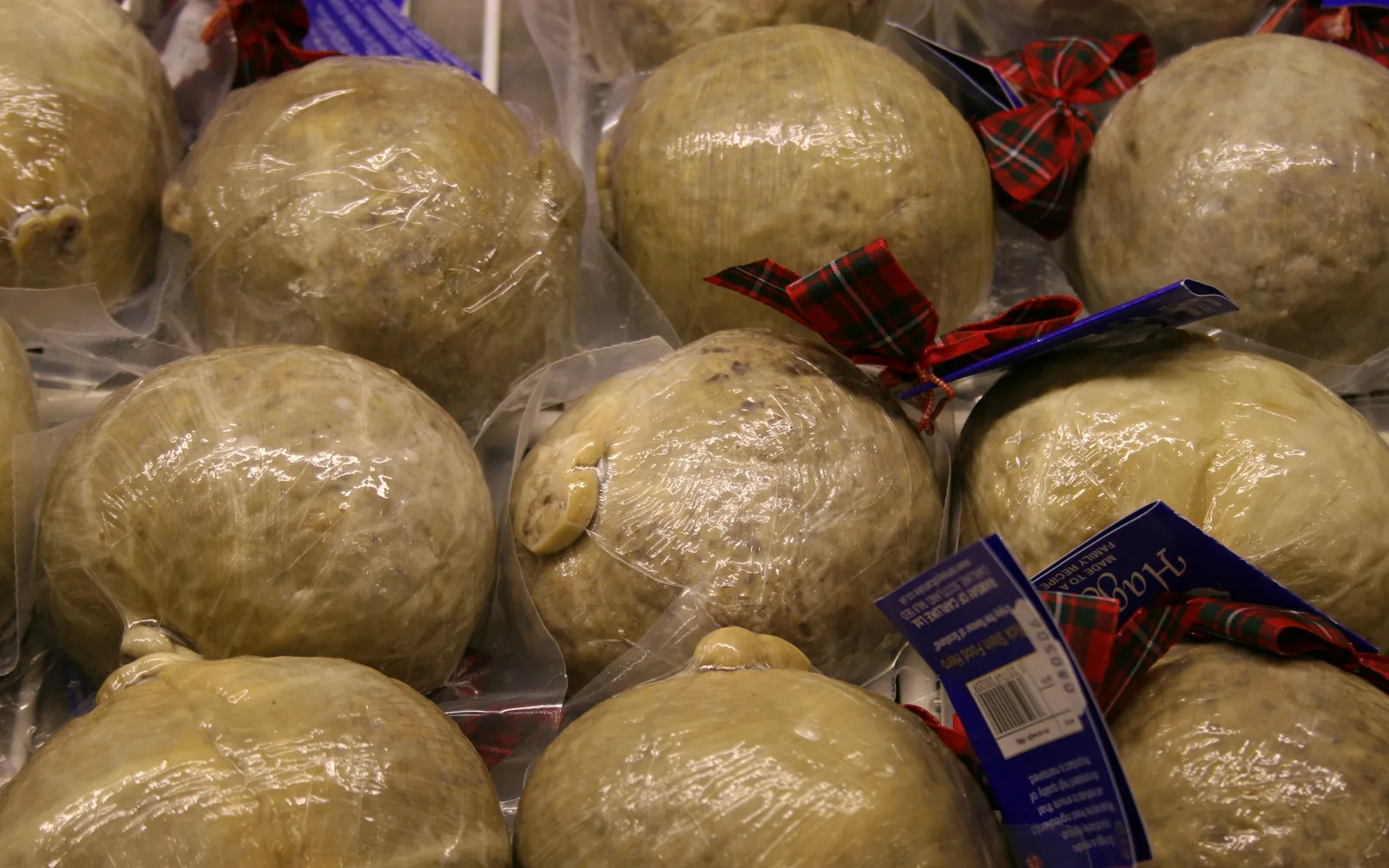
#1 Haggis
Scotland's national dish, immortalised by the poet Robert Burns in a 1787 ode, is made from sheep offal — heart, lungs, liver — minced with oatmeal, onion, suet, and spices, then encased in sheep stomach and boiled or baked. It arrives with neeps (mashed swede) and tatties (mashed potato). The flavour is intense and spiced, not gamey — done properly it's far more interesting than you'd expect.
- Try the traditional version first. If offal gives you pause, most places also offer a vegetarian haggis made from pulses and oats that holds its own.
- Expect to pay £12–18 in a local pub; restaurants on the Royal Mile can push to £25, though the difference in quality rarely justifies it.
- 25 January is Burns Night — the annual celebration when Scots eat haggis and recite Burns's poetry. Restaurants across the city run dedicated events.
 #2
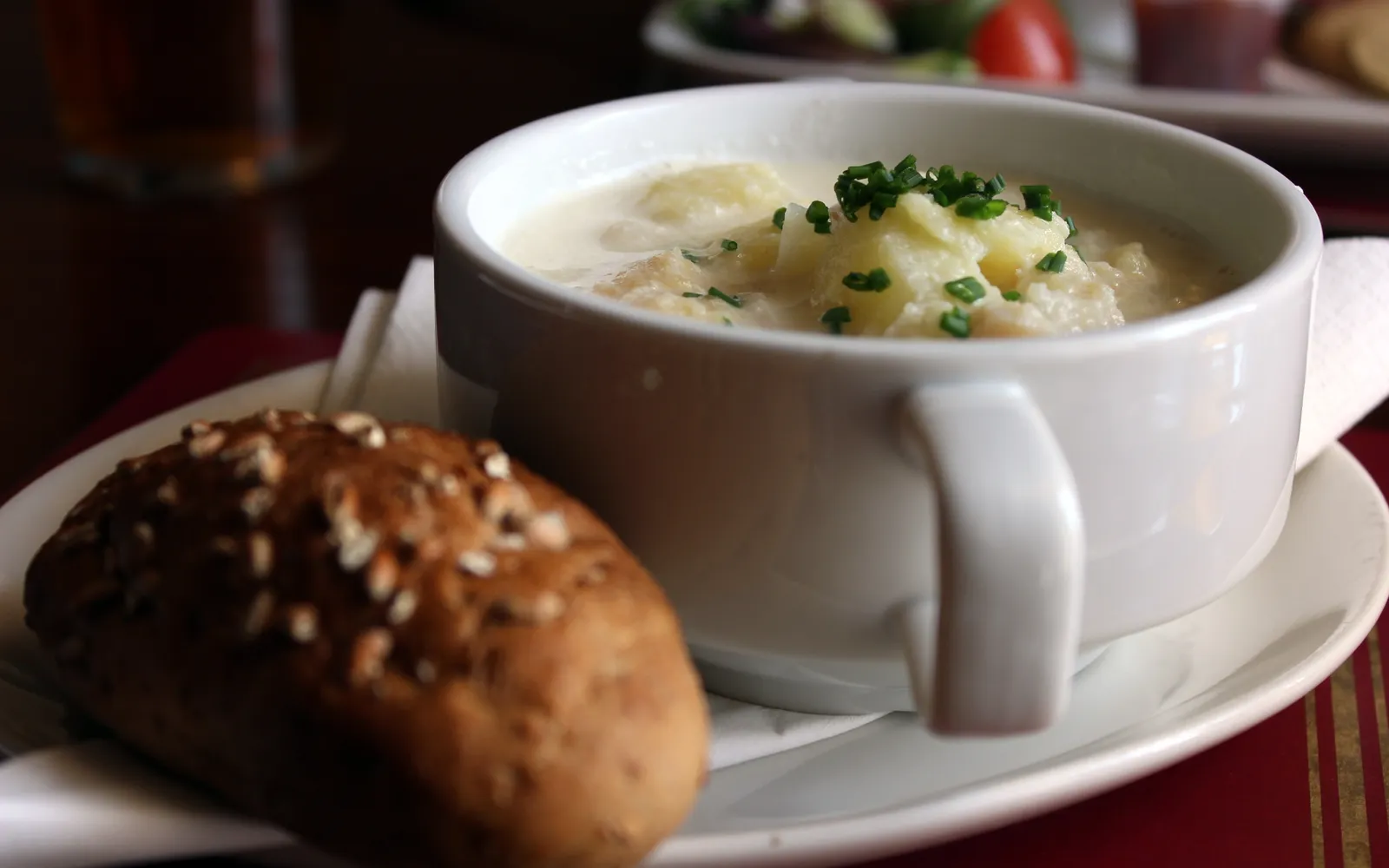
#2 Cullen Skink
A working-class Scottish soup with roots in the town of Cullen on the northeast coast. Smoked haddock is simmered in milk and cream with potato, onion, and butter. The result is thick, deeply smoky without being fishy, and exactly what you want when Edinburgh's damp cold is pressing in. Most places serve it with thick slices of bread and Scottish salted butter — that's a complete lunch.
- Order it with crusty bread or oatcakes for dipping. Don't leave any in the bowl.
- A bowl runs £8–14 — strong value for a properly made local dish.
- The best smoked haddock comes from northeast Scotland. A high-quality version will have a clean, pronounced smokiness; a weak version won't.
 #3
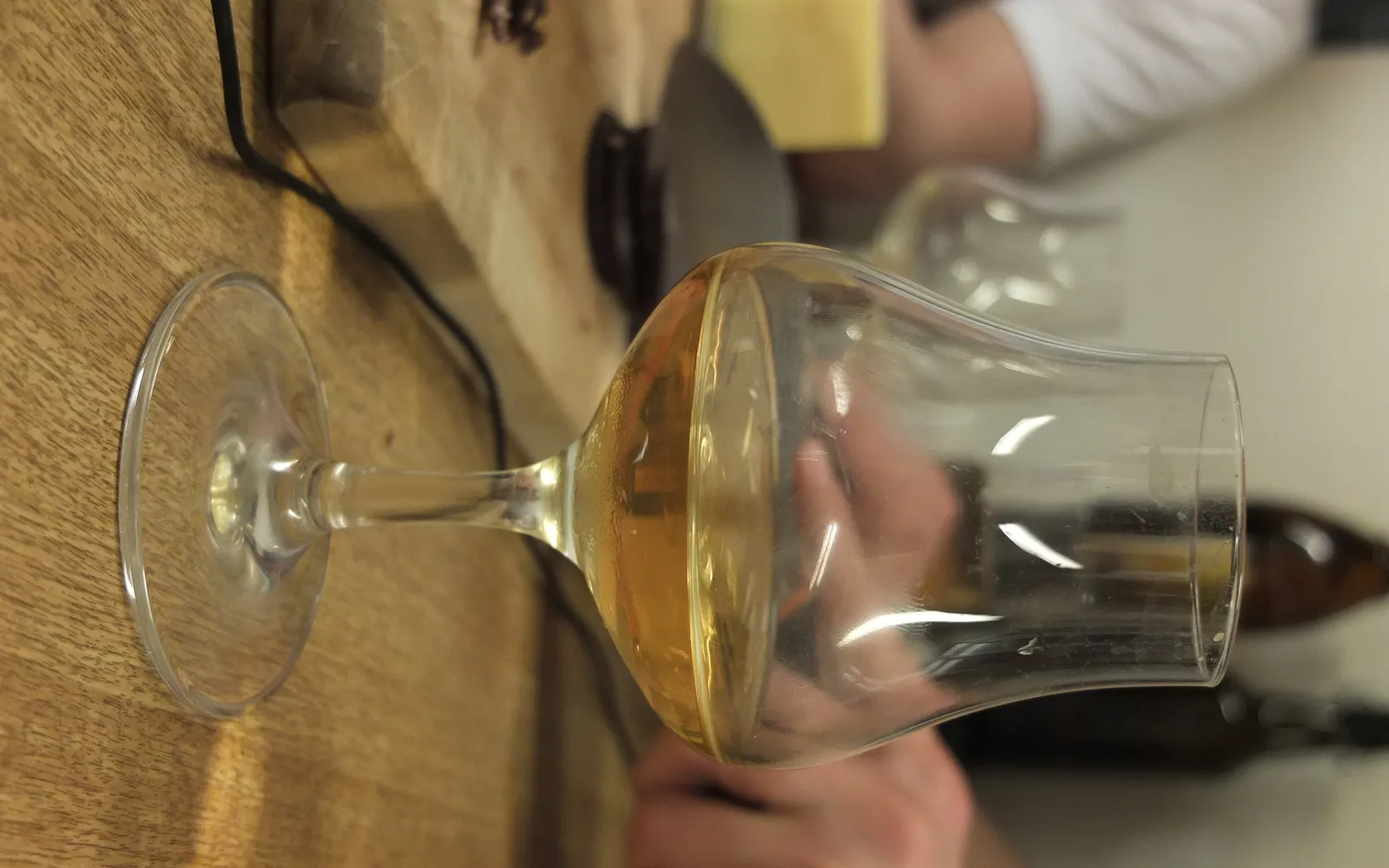
#3 Scotch Whisky
Scotland has been distilling whisky since the 15th century and now exports over £6 billion worth a year. Single Malt means whisky distilled from malted barley at a single distillery — the flavour range runs from peat and smoke to honey, dried fruit, and florals, depending on whether the bottle comes from Highlands, Speyside, Islay, or Lowlands. Each region tastes noticeably different. Edinburgh is the best city in the world to start learning.
- Start at The Scotch Whisky Experience (£19–25), which runs guided tastings covering the four regions before you commit to buying a bottle.
- For a bar setting, The Bow Bar and Cadenhead's on Canongate both carry several hundred expressions.
- Islay whiskies — Laphroaig, Ardbeg — are heavy on peat and smoke and are not for everyone. If you want something gentler, begin with Speyside (Glenfiddich, Glenlivet).
 #4
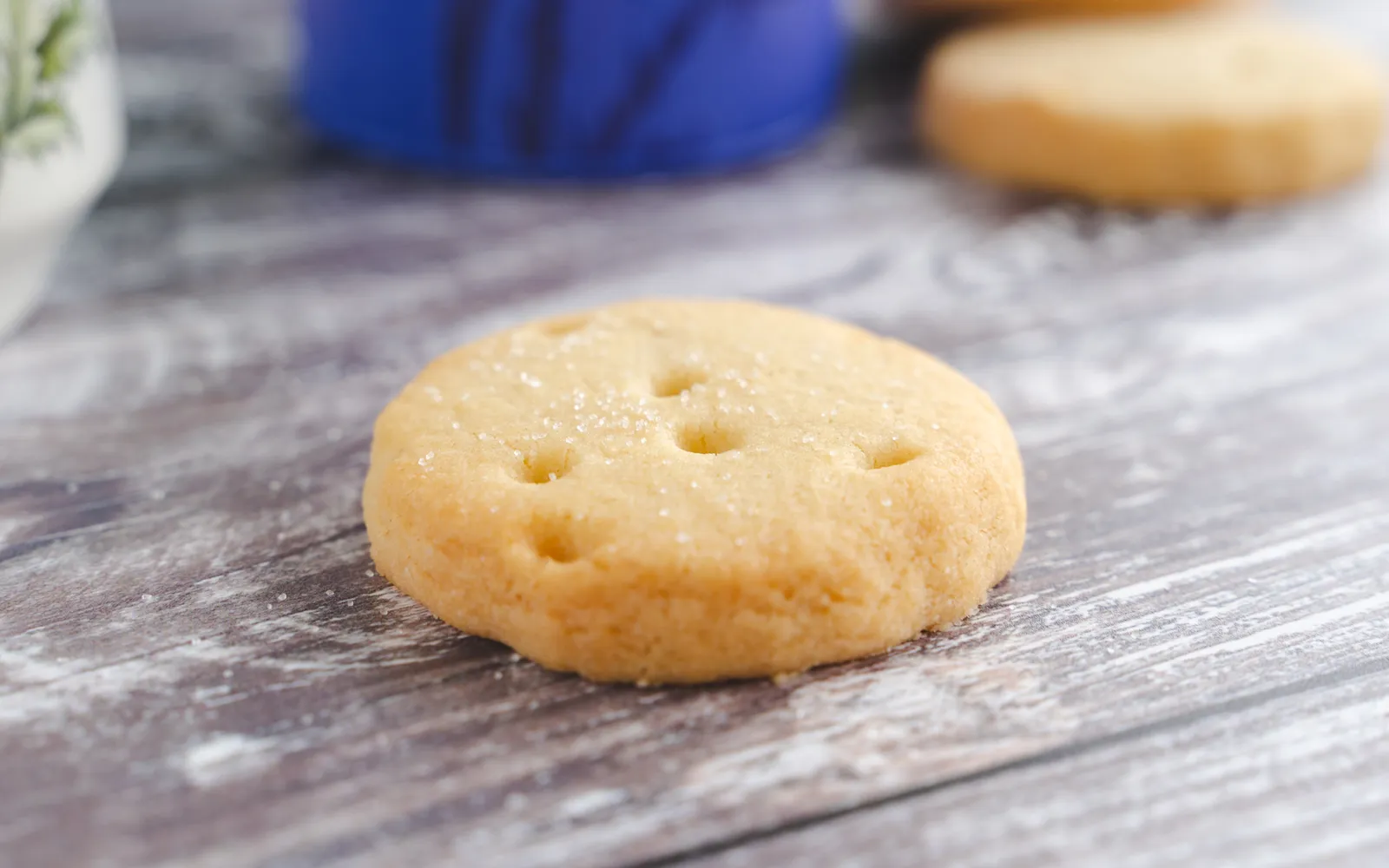
#4 Shortbread
Scotland's shortbread is disarmingly simple: flour, high-quality Scottish butter, and sugar in a 3:2:1 ratio — a recipe that dates to the 12th century. The result is buttery, crumbly, and not overly sweet. Walkers, made in a small Scottish village, is the name most people recognise worldwide, but Edinburgh's independent bakeries routinely produce a fresher, better version than anything in a tin.
- Fresh-baked shortbread from a local bakery will outperform the boxed souvenir version considerably. Look in Grassmarket Market or Stockbridge Market.
- Prices start at £1–3 per piece. Tins make a compact, reasonably priced gift — the presentation boxes are part of the appeal.
- Walkers Shortbread at Edinburgh Airport duty-free is better priced than in city shops and comes in multiple sizes.
 #5
#5 Cranachan
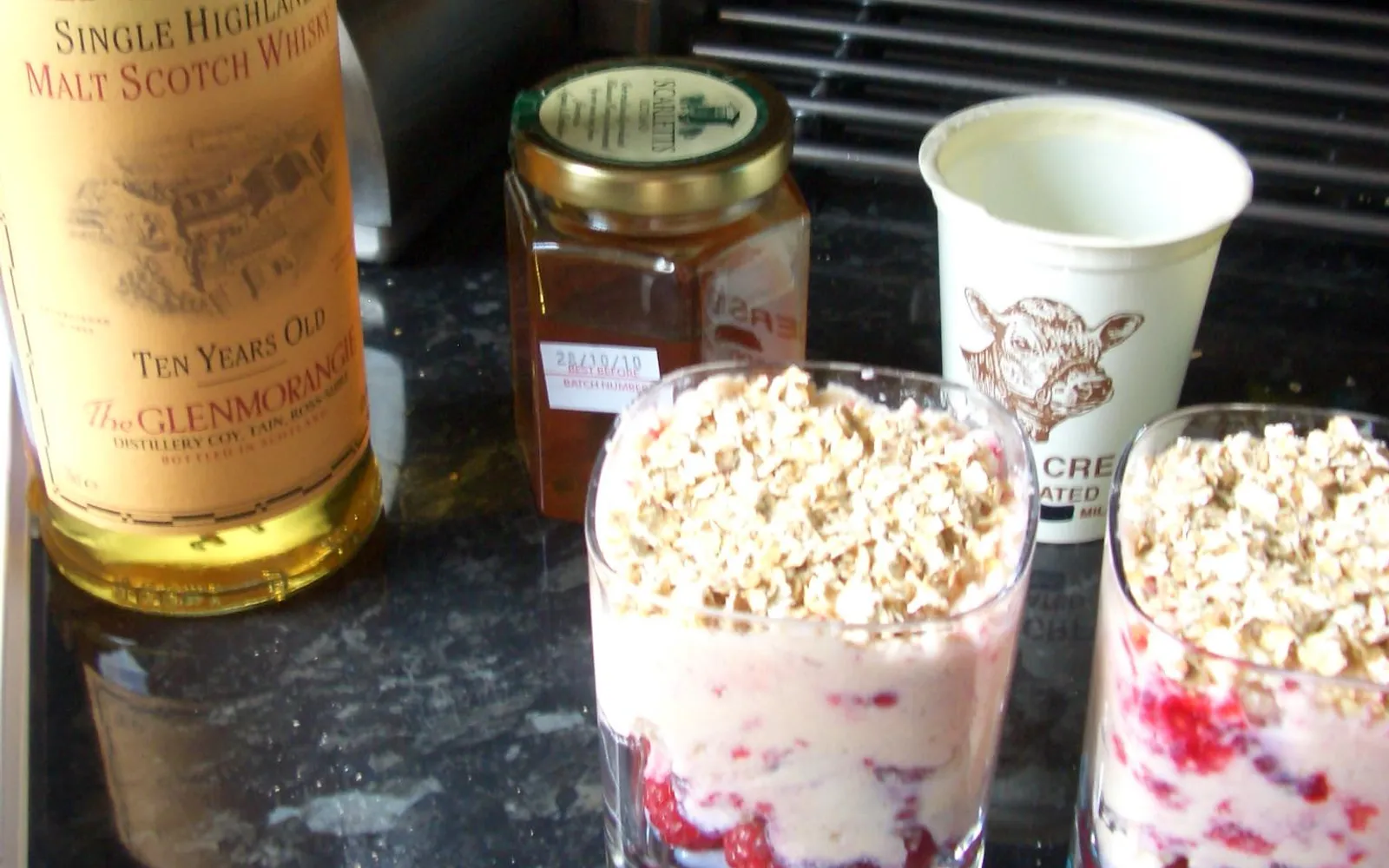
Scotland's traditional dessert is simpler than it sounds and better than it looks: whipped cream folded with toasted oatmeal, fresh raspberries, Scottish honey, and a measure of Single Malt. The balance between creamy, lightly sweet, tart berry, and faint whisky warmth is well-judged. It's a dish tied to major celebrations — Cranachan appears regularly at Burns Night on 25 January.
- The whisky used matters — a good restaurant will name the expression and explain it.
- At £7–12 it's rarely the most expensive thing on the dessert menu. If you only try one Scottish dish, make it this one.
- Scottish raspberries are regarded as among the sweetest in the world because of the climate. June through August is when Cranachan is at its best, made with raspberries just picked locally.
 #6
#6 Scotch Pie
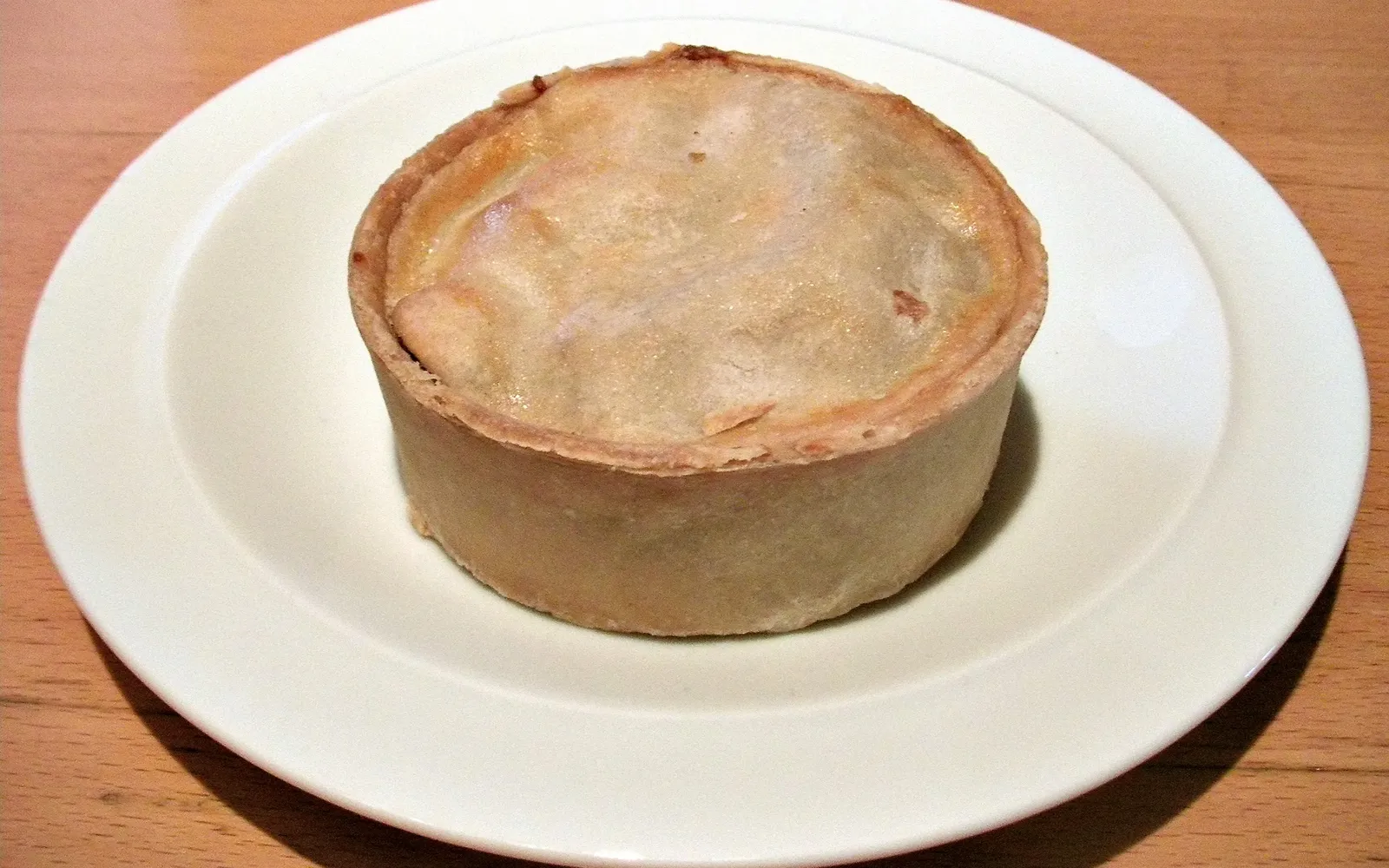
Scotland's street food for several hundred years — a compact cylinder of hot water crust pastry filled with minced lamb seasoned with Scottish spices. It's leaner than most British pies and the meat flavour is pronounced. Scots eat them at football grounds, morning markets, and festivals, and the tradition goes back to the 14th century. Cheap, filling, and made for eating while walking.
- Buy from a local bakery such as Greggs or Breadwinner Bakery for one fresh out of the oven. Expect to pay around £1.50–2.50.
- Eat it with brown sauce — the dark condiment usually sitting on the bakery counter at no extra charge.
- Traditional Scotch Pies use mutton, but many modern bakeries switch to beef or a blend. Ask if it matters to you.
Where to stay in Edinburgh for this trip
A well-located hotel means less commuting and more sightseeing. Here are real, top-rated stays in Edinburgh — compare Agoda · Booking · Trip.com in one click.
Motel One Edinburgh-Princes
Affiliate links — we may earn a commission at no extra cost to you. Details
YOTEL Edinburgh
Affiliate links — we may earn a commission at no extra cost to you. Details
Kimpton Charlotte Square
Affiliate links — we may earn a commission at no extra cost to you. Details
Motel One Edinburgh-Royal
Affiliate links — we may earn a commission at no extra cost to you. Details
Tours, tickets & activities in Edinburgh
Day tours, attraction tickets and travel essentials for Edinburgh — book ahead on Klook with mobile e-tickets.
Affiliate links — we may earn a commission at no extra cost to you.
Before You Pack
Scottish food is at its best in an old pub with a wood fire going in winter, or in a gastropub kitchen that takes local ingredients seriously. Always ask the bartender to recommend a whisky — they take genuine pride in Scotch and usually know what they're talking about.