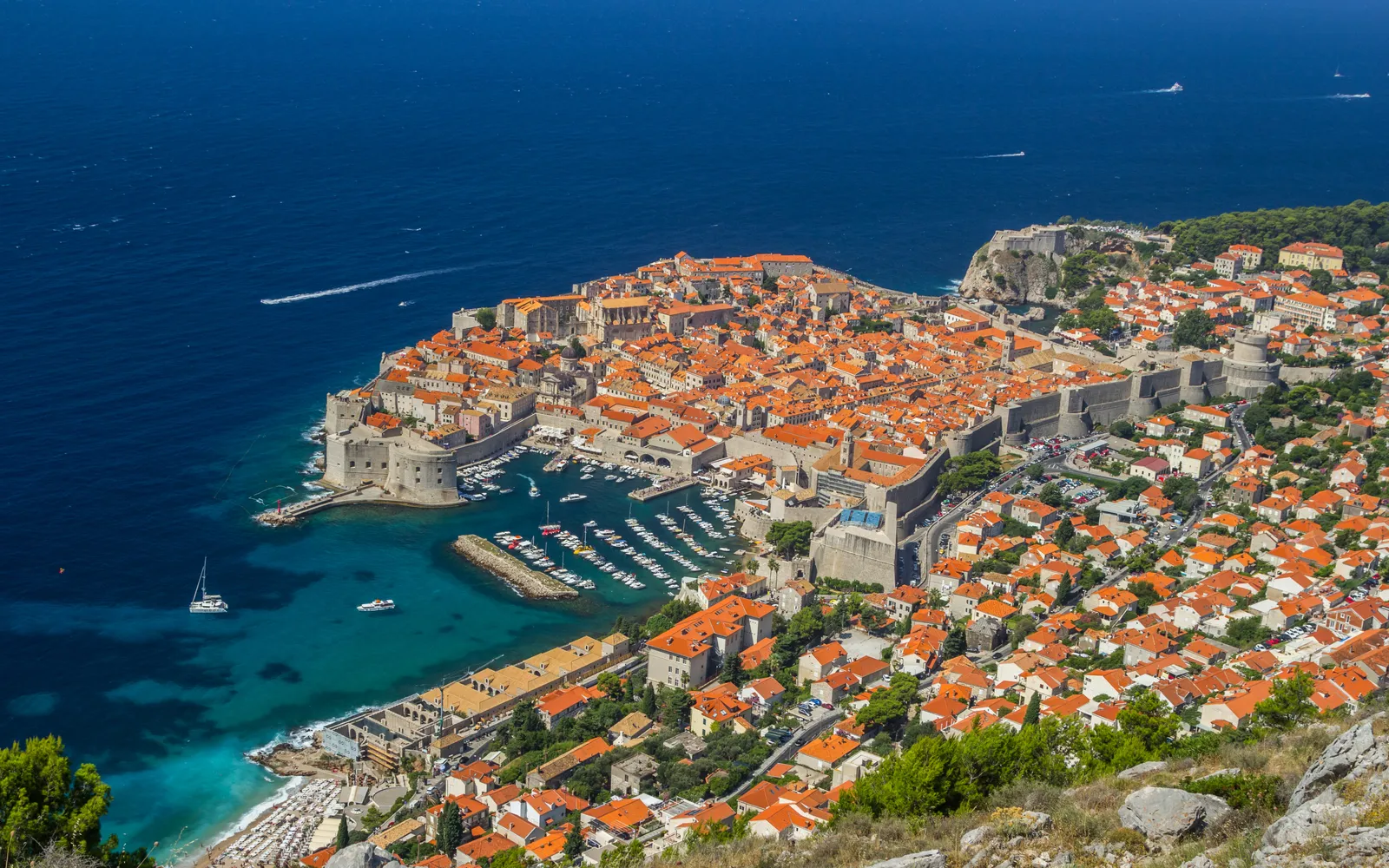
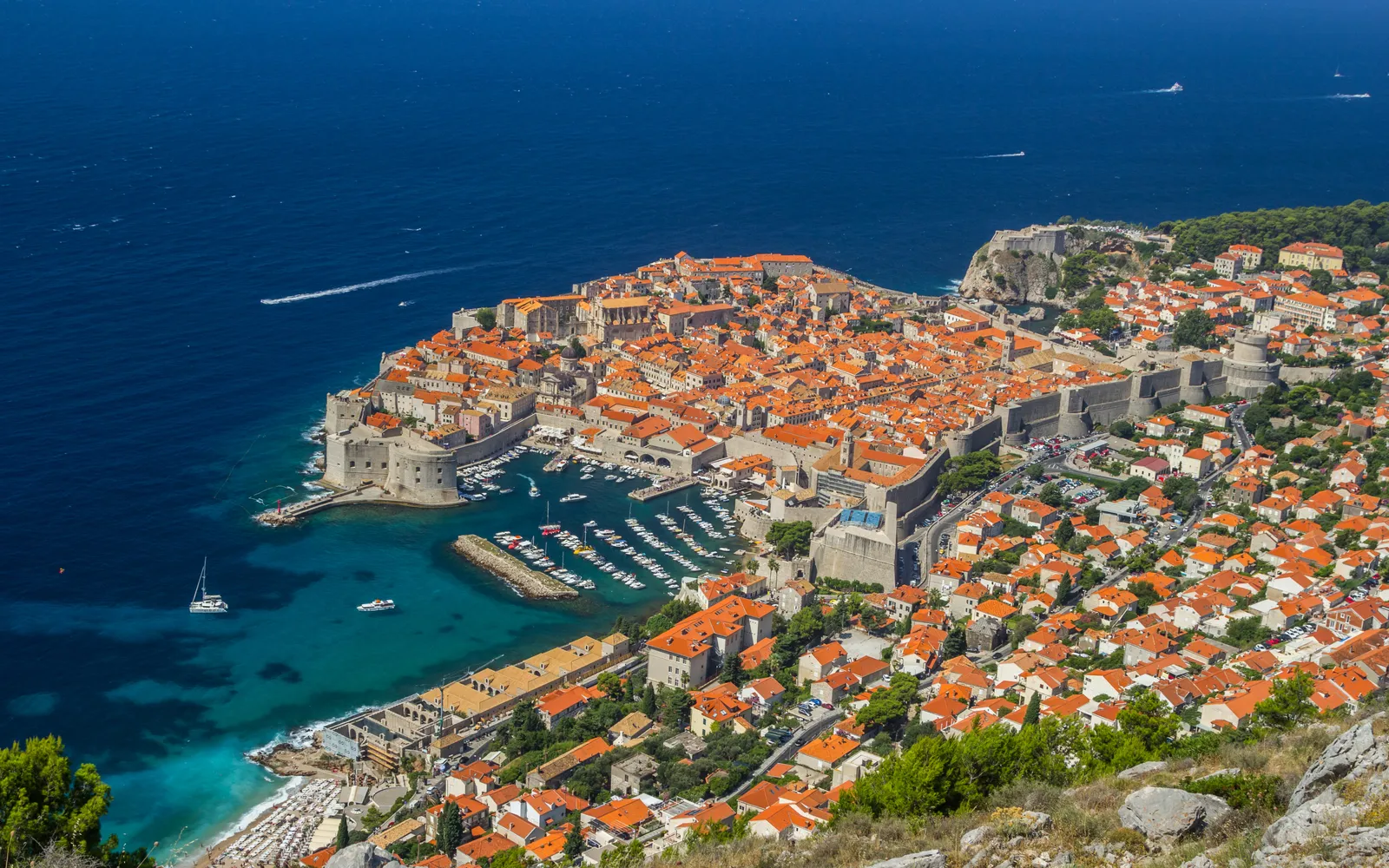
Dubrovnik's food draws on Venetian, Greek, and Ottoman influences, all grounded in exceptionally fresh Adriatic produce. One honest warning though: many restaurants inside the Old City charge high prices for food that rarely earns them. The places locals actually go are tucked into small lanes outside the walls, or in the Lapad and Gruž neighbourhoods. The best food in Dubrovnik doesn't hang a sign out for travelers.
 #1
#1 Black Risotto
The dish that defines Dalmatian cooking, and the first thing most visitors order. Short Italian-style rice is cooked with fresh ink from cuttlefish or squid, white wine, garlic, and butter until it turns a deep, glossy black. The flavour is intensely oceanic without being fishy — the ink delivers a distinctive salinity and sea aroma unlike anything else. Restaurants that use fresh ink rather than packaged versions produce a noticeably deeper, more aromatic result. Pair it with a cold glass of Pošip white wine.
- The ink stains teeth and lips black — that's completely normal for this dish. Bring plenty of napkins.
- Restaurants in the Old City charge 20–30 euros; the same quality (or better) costs 12–18 euros in the Lapad neighbourhood.
- If you can, order a version that includes whole squid or cuttlefish pieces rather than just the rice — it makes a real difference.
 #2
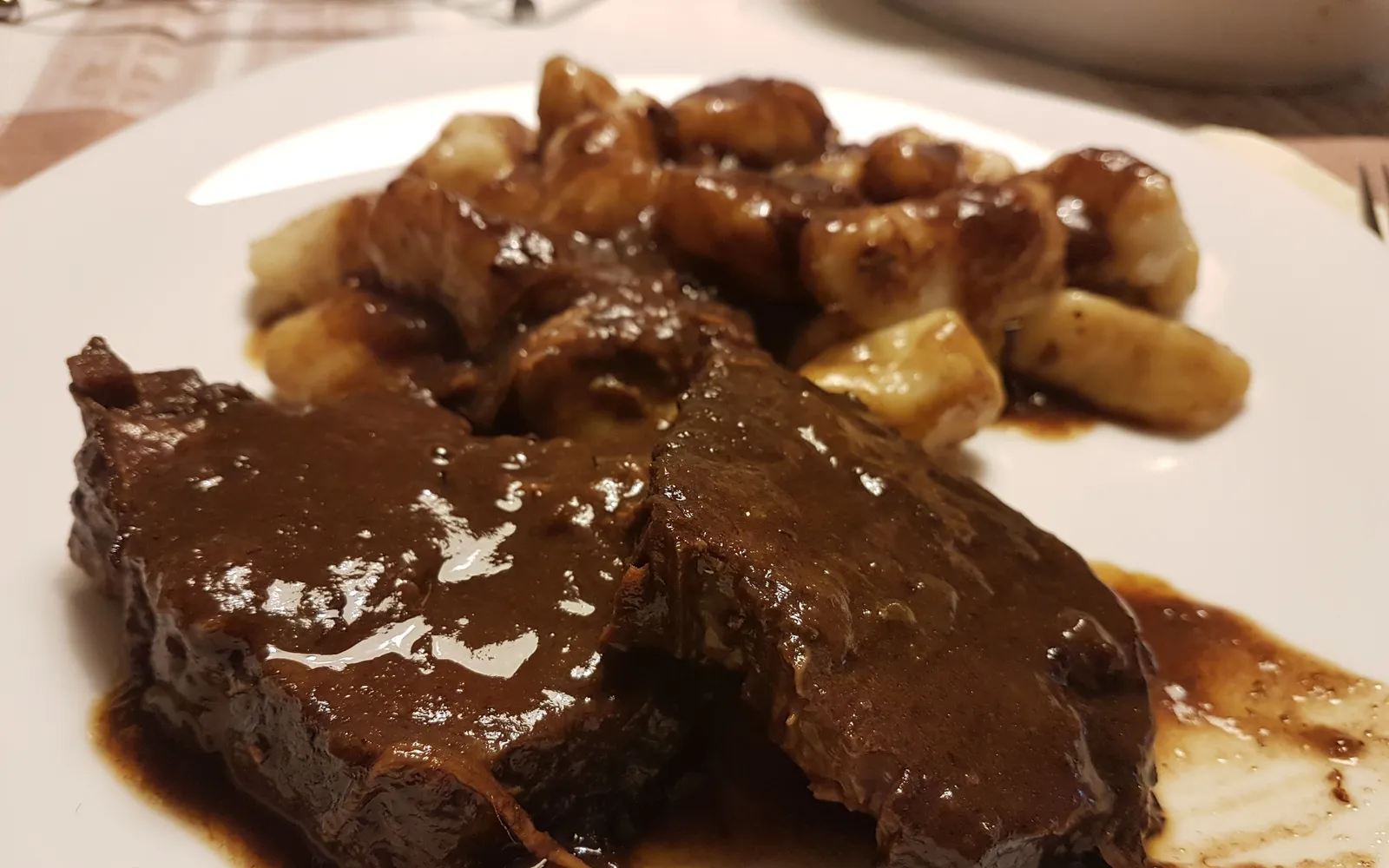
#2 Pašticada
The ceremonial dish of Dalmatia, served at weddings, festivals, and major holidays for centuries. Beef is marinated overnight in vinegar, wine, and spices, then braised slowly for hours with prošek (Dalmatian dessert wine), tomatoes, prunes, and aromatics until the meat dissolves into the sauce. That thick, rounded gravy is spooned over homemade gnocchi or pasta. The dish demands serious time and skill — restaurants that make it properly often limit daily portions or require advance orders.
- If you see it on a menu, ask whether they make it in-house or buy it ready-made. A restaurant that makes it from scratch will tell you proudly.
- You won't find it at most tourist-facing restaurants — if somewhere is offering it, order it.
- The traditional pairing is Plavac Mali red wine from the Pelješac peninsula.
 #3
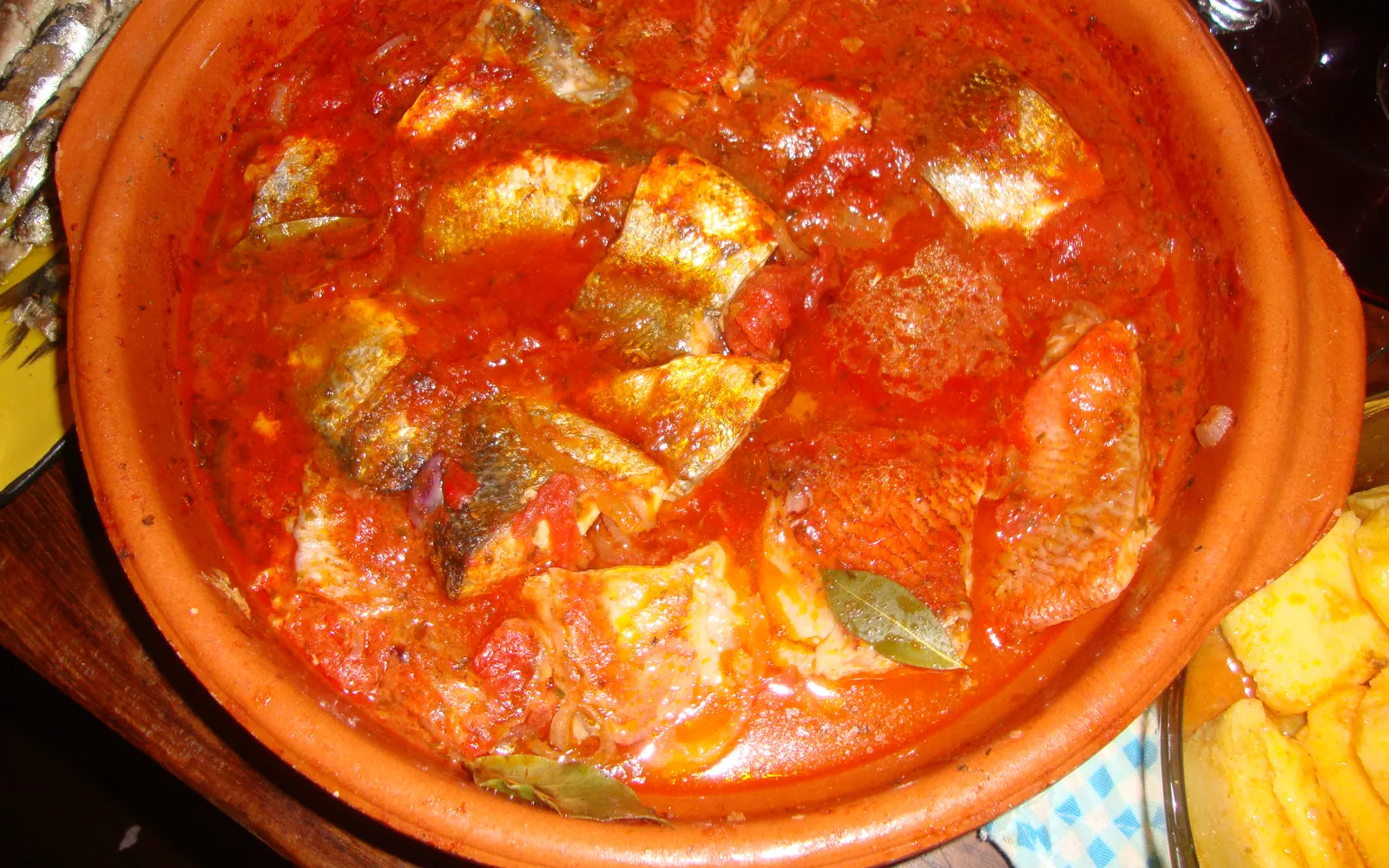
#3 Brudet
The traditional fishermen's stew of Dalmatia, made from whatever fresh fish were caught that day. It's cooked in a clay pot without any prior frying or sautéing — fish are layered with onions, garlic, tomatoes, and white wine, then left to braise slowly without stirring. The fish steam through gently until tender, and the broth becomes deeply aromatic. Good versions use several species in one pot — scorpionfish, sea bass, and rockfish are common. Served with polenta or white bread.
- Ask what fish is in it today. A good kitchen changes with the season and the catch — a confident, specific answer is a good sign.
- Brudet goes best with polenta (thick cornmeal porridge) rather than bread; the polenta absorbs the broth far better.
- The price depends heavily on which fish are used. Scorpionfish and rockfish run higher; more common species are very reasonable.
 #4
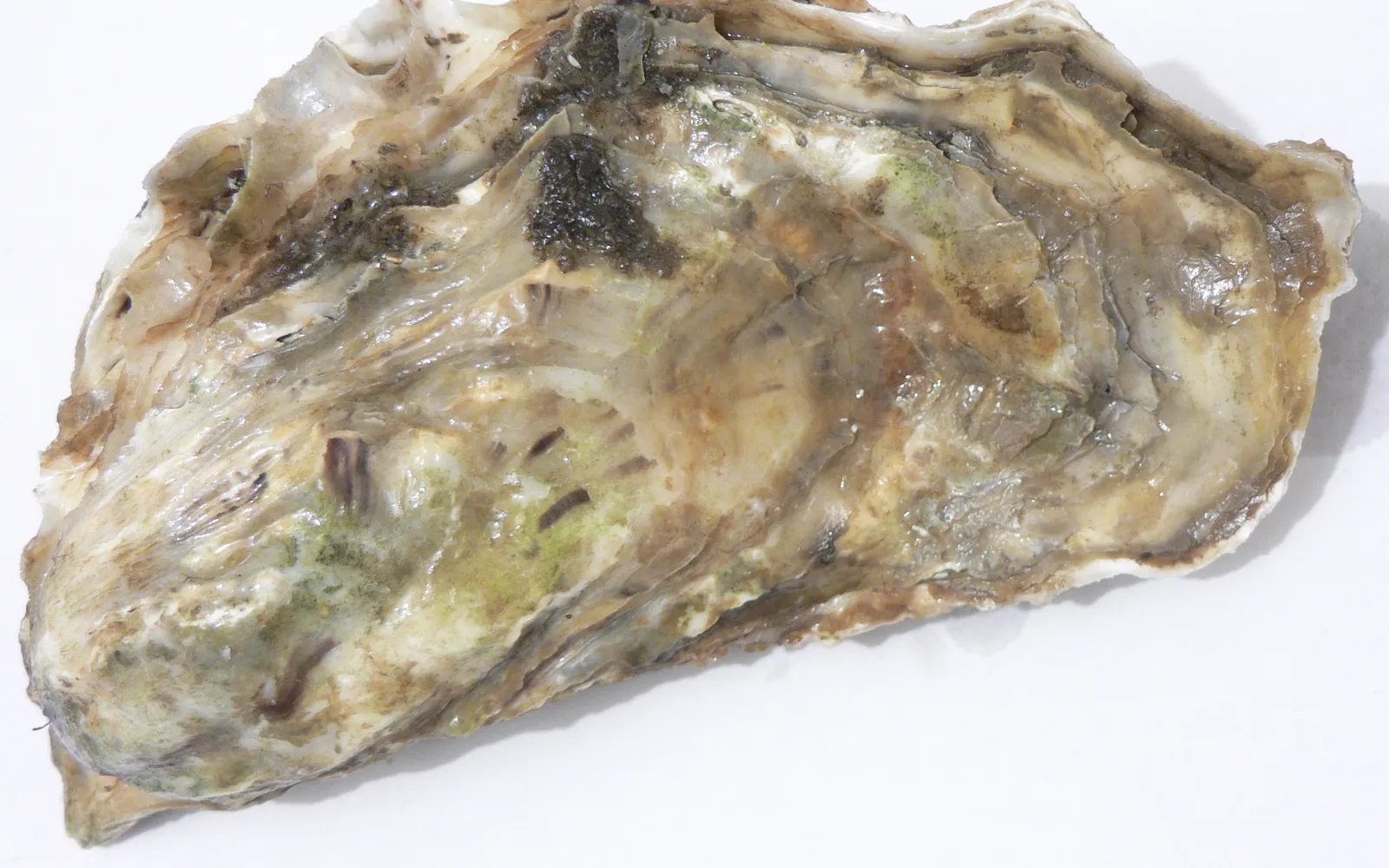
#4 Oyster
Oysters from Mali Ston Bay on the Pelješac peninsula rank among the finest in the Mediterranean. The bay sits where freshwater from the Neretva River meets open seawater, giving the oysters a richer, more complex flavour than those grown elsewhere. They have been farmed in this bay since the 14th century. Eaten raw with a few drops of lemon is the best way; steamed with wine and garlic works well if you prefer them cooked. Prices are remarkably low compared with oysters elsewhere in Europe.
- Oysters at Mali Ston Bay cost roughly 0.50–1 euro each — a fraction of what Dubrovnik charges. The detour is worth it if you have the time.
- The freshest months are those containing an 'r' in English (September–April), though the bay is open year-round.
- Mussels are farmed in the same bay alongside the oysters — order both and compare.
 #5
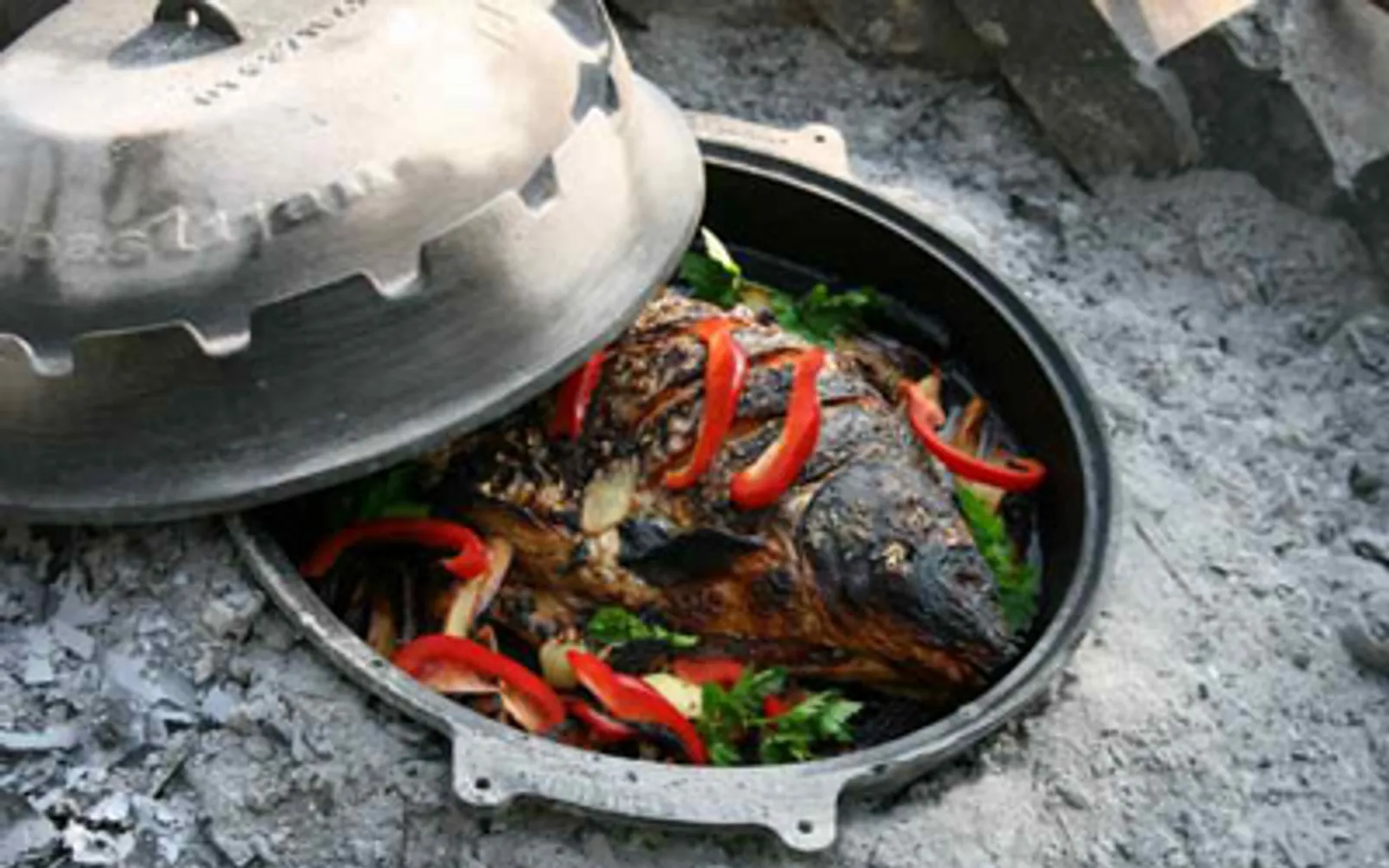
#5 Peka
Croatia's oldest cooking method. A cast-iron or clay dome lid is placed over the food and covered with live embers, then left to cook slowly for 2–3 hours until the meat falls off the bone. Most commonly lamb, chicken, or seafood, together with potatoes, root vegetables, and local herbs. The sealed environment locks in every drop of moisture and smoke, producing flavour that an oven simply cannot replicate. Advance notice of at least 2 hours is essential — most kitchens make it one batch at a time.
- Call ahead at least 2 hours before you want to eat, or better yet book in the morning for dinner that evening.
- Lamb Peka is the most traditional; if you prefer not to eat red meat, lobster or scallop Peka is equally good but considerably more expensive.
- Some restaurants in the Old City claim to do Peka but use an electric oven instead of real embers. Ask directly whether they use real charcoal.
 #6
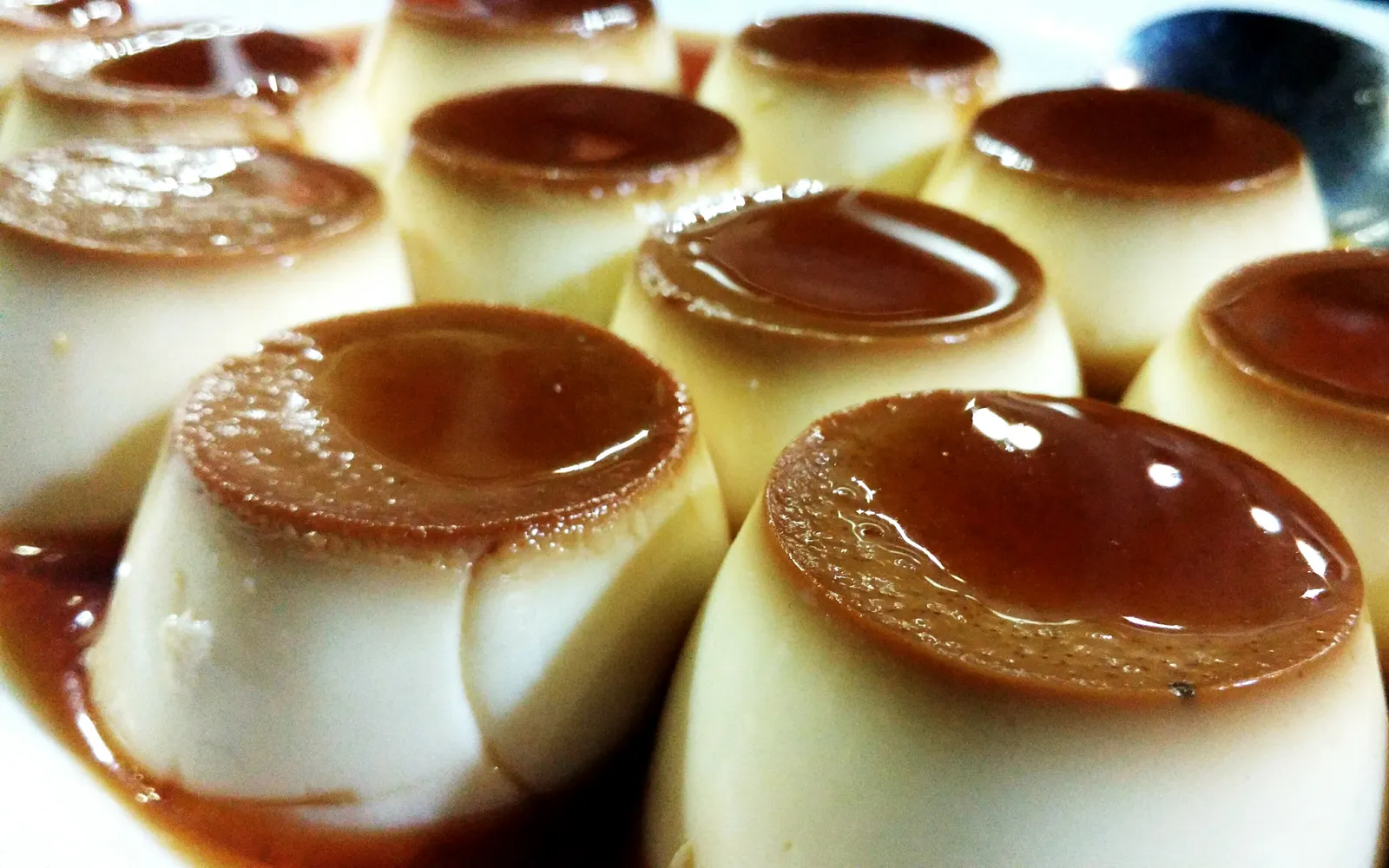
#6 Rožata
Dubrovnik's signature dessert, with a history reaching back to the days of the Ragusan Republic. It resembles French crème caramel or Portuguese flan but has a distinct character from rose water (rosolio) mixed into the custard. Made from eggs, milk, sugar, and rose water, baked in a water bath, then inverted so the caramel flows down over the top. The texture is silky-smooth and the floral note is subtle enough to feel elegant rather than perfumey — it's what sets this apart from every other custard pudding in the world.
- The name comes from rosolio, a rose-petal liqueur used as an ingredient in some recipes; others use plain rose water — the flavour differs slightly.
- You can buy it as a ready-to-make mix to take home from souvenir shops in the Old City.
- Old cafés and pastry shops along Stradun and the surrounding lanes often make Rožata fresh daily — far better than any version bought ready-made.
Where to stay in Dubrovnik for this trip
A well-located hotel means less commuting and more sightseeing. Here are real, top-rated stays in Dubrovnik — compare Agoda · Booking · Trip.com in one click.
Dominus Little Palace
Affiliate links — we may earn a commission at no extra cost to you. Details
Hilton Imperial Dubrovnik
Affiliate links — we may earn a commission at no extra cost to you. Details
Hotel Kompas
Affiliate links — we may earn a commission at no extra cost to you. Details
Boutique Hotel Stari Grad
Affiliate links — we may earn a commission at no extra cost to you. Details
Tours, tickets & activities in Dubrovnik
Day tours, attraction tickets and travel essentials for Dubrovnik — book ahead on Klook with mobile e-tickets.
Affiliate links — we may earn a commission at no extra cost to you.
Before You Pack
Dalmatian food tastes best alongside a local white wine — Pošip or Grk from the islands of Korčula and Hvar are the classic choices, inexpensive inside Croatia but almost impossible to find once you leave. Before you head home, pick up a bottle from Vinoteka in the Old City or the Gruž market.