Niger — find the right stay, from deciding to booking
“Ancient Tuareg cities, the Sahara, West African giraffes and the World Heritage of Agadez”
Before you plan: Niger faces a serious security situation — many governments (including Thailand) advise against all non-essential travel, due to the risk of terrorism and kidnapping. Please check the latest travel advice from your foreign ministry before deciding. This content is presented purely as cultural heritage and geographic information, not as a promotion of travel there at present. Niger is a land with Tuareg and Hausa civilizations passed down over thousands of years — the ancient World Heritage city of Agadez, the tallest mud mosque in the world, the vast Tenere desert, the last herd of West African giraffes, and dinosaur fossils from the pre-Sahara era.
Niger at a glance
Choose a city in Niger
Each city has its own things-to-do and food guides plus in-depth ranked hotel reviews with real photos and price comparison — start with the city that fits your trip.
Decide — is Niger right for you?
Why people love Niger, how it compares to its neighbors, and which travel style suits you
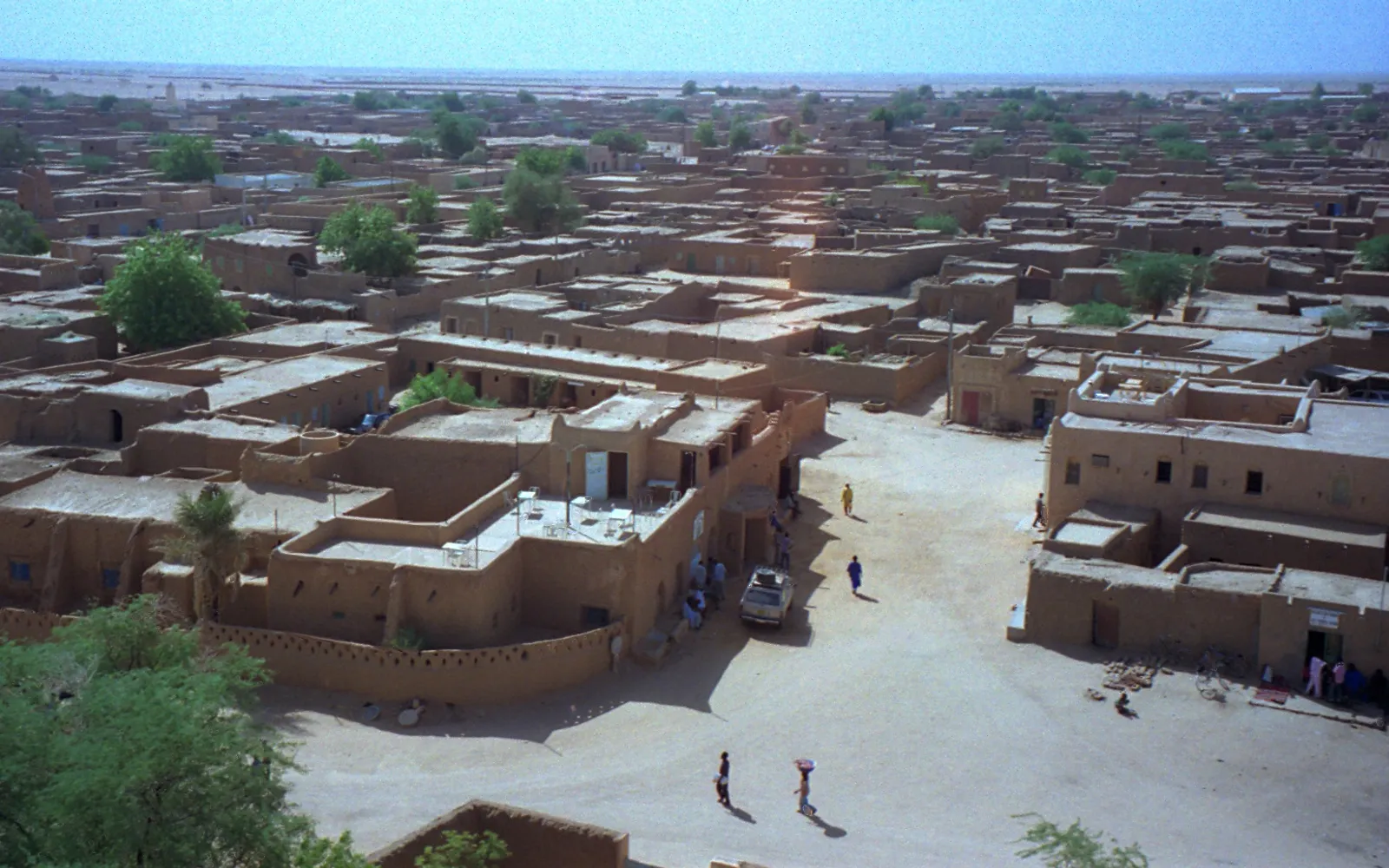
Agadez World Heritage
An ancient desert city with the tallest mud-minaret mosque in the world — the gateway to the old Sahara caravan routes.
Tenere desert
Part of the vast Sahara, with high dunes and nights bright with stars.
West African giraffes
The last herd of West African giraffes in the world, at Koure near Niamey — the rarest of the giraffe subspecies.
Dinosaur fossils
The Sahara was once a primeval forest, and many dinosaur fossils have been found in the desert.
Tuareg heritage
The Tuareg nomads of the Sahara, with their deep indigo robes, silverwork and traditional music.
The Niger River
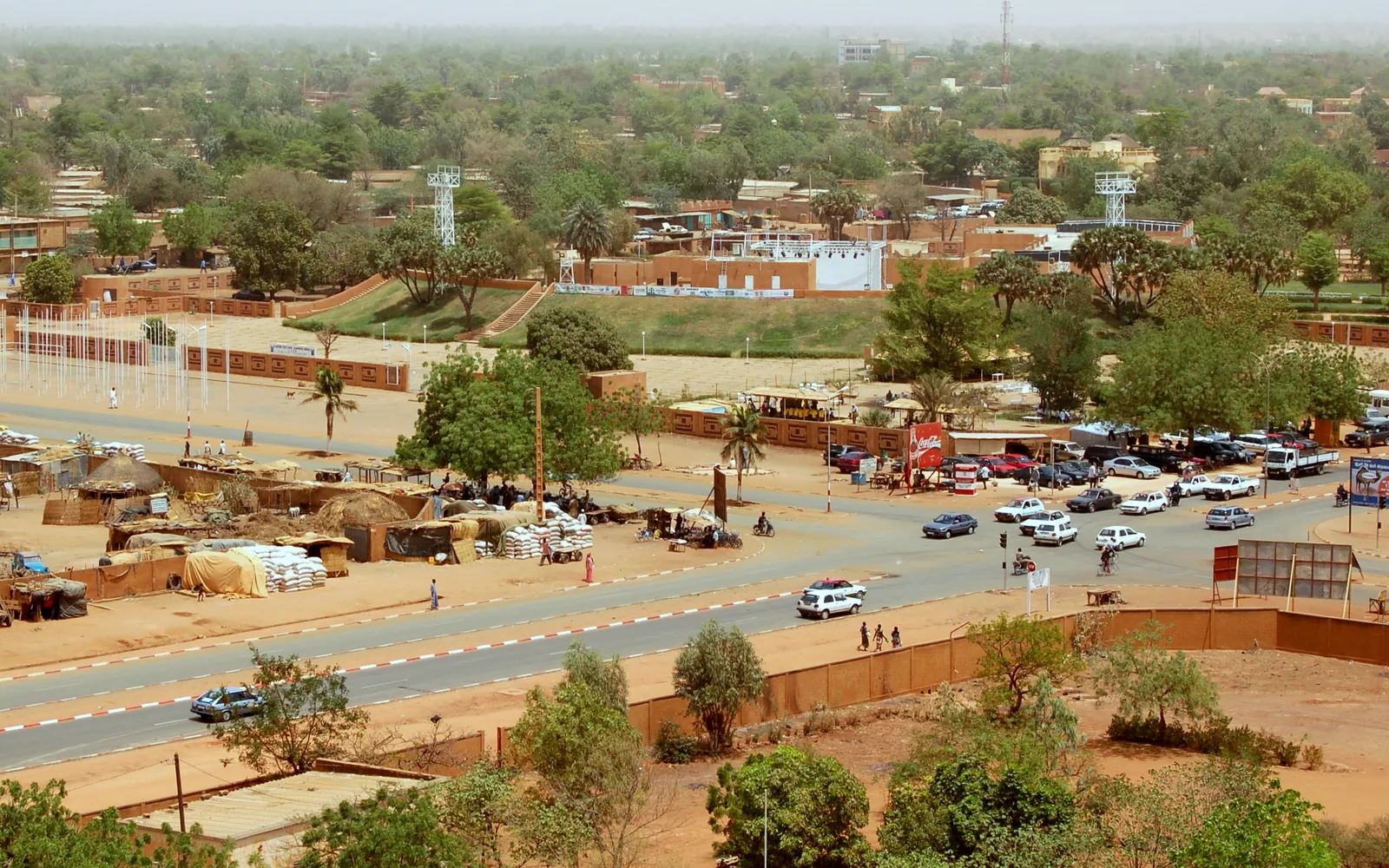
The country's lifeline river, with riverside markets and the everyday life of Niamey.
Niger vs its neighbors
| Niger | Mali | Burkina Faso | |
|---|---|---|---|
| Daily budget (per person) | $40–85 | $35–80 | $30–70 |
| Visa (Thai passport) | Visa required | Visa required | Visa required |
| Known for | Agadez · Tuareg · giraffes | Timbuktu · ancient Mali | Ouagadougou · African music |
| Safety | High risk — avoid travel | High risk — avoid travel | High risk — avoid travel |
| Climate | Desert / semi-arid | Desert / savanna | Semi-arid / savanna |
Figures are rough per-person, per-day estimates — your real budget depends on your travel style.
How do you travel?
World Heritage seekers
Study the ancient city of Agadez, its mud mosque, Tuareg culture, and the history of the Sahara routes.
See this plan → 🦒Nature & wildlife
See the last West African giraffe herd at Koure and explore the desert ecosystem.
See this plan → 🌍Research & anthropology
Study the lives of the Hausa, Tuareg and Zarma peoples through traditional markets and communities.
See this plan →Plan — stay, eat, see
Start with where to stay (the heart of the trip), then add food and sights, and gauge your daily budget.
Find the stay you want
1 ranked reviews
No reviews match these filters — try removing some.
- 1🍚
Dambou
Boiled ground millet with a peanut or vegetable sauce — a daily staple of the Hausa people.
📍 Main dish - 2🥘
Maffe
A peanut stew with goat or chicken, eaten with rice or cassava — rich and hearty.
📍 Peanut stew - 3🫓
Sinsinetti
A millet flatbread baked on a hot stone, eaten with sauce or wild honey.
📍 Bread - 4🍖
Brochette
Charcoal-grilled goat skewers, sold on the streets of Niamey and at large markets.
📍 Street food - 5🥛
Fresh goat milk
Fresh or soured goat milk drunk cold — a key protein for nomadic communities.
📍 Drink - 6🍵
Tuareg mint tea
Sweet green tea with fresh mint served in three rounds — the Tuareg tradition of welcoming guests.
📍 Tuareg tradition
- 1🕌
Old Town of Agadez
A 15th-century Sahara caravan city with a 27-meter mud minaret mosque and Sahel architecture like nowhere else.
📍 UNESCO World Heritage - 2🏔️
Air and Tenere Natural Reserves
A World Heritage nature reserve with ancient rock mountains in the heart of the Sahara and prehistoric rock art.
📍 UNESCO World Heritage - 3🦒
Giraffes of Koure
The last herd of West African giraffes in the world, living in the bush near the capital.
📍 Near Niamey - 4🌊
Niger River Niamey
River cruises, riverside markets, and the traditional fishing life that endures here.
📍 Capital - 5🦕
Niger Dinosaur Fossils
Ouranosaurus and Jobaria fossils found in the desert — evidence that the Sahara was once a forest.
📍 Desert - 6🏛️
National Museum of Niger
A collection of Tuareg jewelry, musical instruments, taxidermied wildlife and national antiquities.
📍 Niamey
🚆 Getting around Niger
Niamey International Airport
Diori Hamani International Airport receives flights from Paris, West Africa and the Middle East.
4WD vehicles
Essential for the desert and rural areas — most roads outside the capital are gravel.
Intercity buses
Buses connect Niamey with the other main cities, but they take a long time and road conditions vary.
Three-wheelers and taxis
Taxis and three-wheelers operate in Niamey — agree the fare before you get in, as there are no meters.
Domestic flights
There are domestic flights to Agadez, saving time compared with the riskier overland routes.
🛂 Etiquette & culture in Niger
Hospitality (Koyra)
Nigeriens are known for their generosity to guests — accepting three rounds of tea is an important courtesy.
Dress code
Dress modestly, covering arms and legs, especially in religious and rural areas — Niger is a largely Muslim society.
Ask before photographing
Some locals believe photographs bring harm — always ask permission and respect a refusal.
Ramadan and religion
Most people are Muslim; during Ramadan, activities change, so respect prayer times.
Use the right hand
Give, receive and eat with the right hand — the left is considered impolite in the local culture.
💸 Daily budget — a rough guide
Budget
🛏️ Local guesthouse $12–25
Local food is cheap, but a guide and a 4WD for the desert add a lot to the cost.
Comfortable
🛏️ Mid-range hotel $35–70
Includes a guide, a rental vehicle, and a giraffe or desert tour.
Premium
🛏️ Upscale hotel in Niamey $85+
A private tour with an expert guide, a 4WD with a driver, and air-conditioned accommodation.
🗓️ When to visit Niger
Winter (dry)
Nov – FebThe most pleasant, coolest weather, with daytime temperatures of 25–30°C and possibly cold nights — the best window if you travel.
Harmattan season
Dec – JanDesert winds carry dust and reduce visibility, but the air isn't hot.
Rainy season
Jun – SepRain in the south brings temporary lakes and migrating wildlife — but some roads flood.
Summer
Mar – MayExtreme heat up to 45°C, not suitable for travel — the desert is dangerous for travelers.
Book — hotels our team picked
If we had to pick just a few, we'd start with these three — compare prices across 3 sites.
Want to see every option in Niger?
Browse all our ranked stay reviews — every budget and area, with real photos and price comparison.
View the top city guide →FAQ — visiting Niger
How many days do you need in Niger?+
If the situation is safe and you have a guide, plan 5–7 days — Niamey 2 days (national museum, Koure giraffes, markets) + Agadez 3–5 days (old town, the Air Mountains, the Tenere desert), but you should have an expert local guide throughout.
Is Niger safe for tourists?+
At present (2026), many governments advise against all non-essential travel due to the risk of terrorism by armed groups in border and northern areas, as well as kidnapping. Please check the latest advice from your country's foreign ministry, and if you decide to travel, use an experienced local guide and avoid traveling alone.
Do Thai travelers need a visa for Niger?+
Yes — Thai travelers must obtain a visa in advance from a Niger embassy (usually in a third country, such as Paris or Abu Dhabi). Prepare a letter of invitation, travel insurance and proof of funds; the process can take several weeks.
What vaccinations do you need before Niger?+
A yellow fever vaccine is recommended (and mandatory for entry in some countries), along with typhoid, hepatitis A/B, and malaria prophylaxis. Consult a travel-medicine doctor at least 4–6 weeks before you go.
Tips before you go to Niger
- Always check the latest travel advice from your foreign ministry before planning — the situation changes fast.
- Always use a licensed, experienced local guide; never explore the desert or countryside alone.
- Niger is a Muslim society — dress modestly, covering arms and legs, especially in rural and religious areas.
- Bottled water only — avoid tap water and ice of unknown origin.
- Cash in CFA francs (XOF) is essential outside the capital; cards work only at big hotels in Niamey.
- It gets extremely hot — always carry water, protect against the sun, and use a scarf against desert dust.