Mali — find the right stay, from deciding to booking
“The World Heritage mud of Djenne, legendary Timbuktu, the Dogon cliffs, and desert blues music”
First of all: many governments advise against all or most travel to Mali due to unrest, terrorism and kidnapping, especially in the north and center of the country — please always check the latest travel advisories from your embassy first. This article is intended only to share Mali's culture and World Heritage, not to promote tourism under current conditions. Mali is a land where West African civilization flowered at its peak — home to the largest mud building in the world, the legendary city of Timbuktu that was once a center of Islamic learning, the Dogon land of the Bandiagara cliffs, the life-giving Niger River, and a powerful heritage of desert blues music.
Mali at a glance
Choose a city in Mali
Each city has its own things-to-do and food guides plus in-depth ranked hotel reviews with real photos and price comparison — start with the city that fits your trip.
Decide — is Mali right for you?
Why people love Mali, how it compares to its neighbors, and which travel style suits you
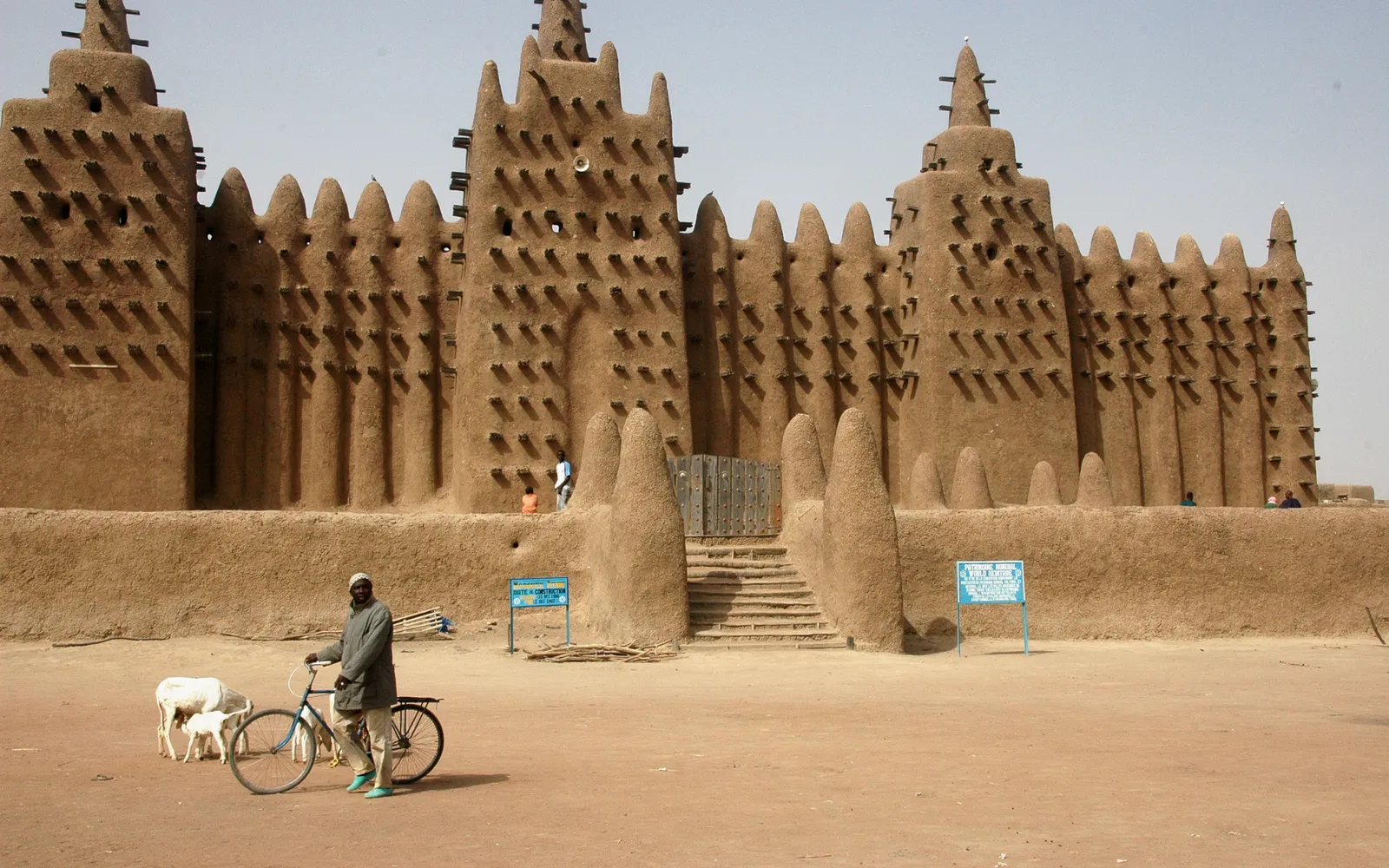
Great Mosque of Djenne
The largest ancient mud building in the world, a UNESCO World Heritage Site and a symbol of Sudano-Sahelian architecture.
Legendary Timbuktu
A city of ancient manuscripts and mud mosques, a center of Islamic learning that flourished in the 15th–16th centuries — a World Heritage Site.
Dogon country
The Bandiagara escarpment, ancient stone villages, and a culture of music and masks — a UNESCO World Heritage Site.
The Niger River
Mali's lifeline; cruise it to see riverside life, fish markets, and the Bozo fishing villages.
Mali's musical heritage
The birthplace of desert blues and West African guitar, with world-class artists like Ali Farka Toure.
Four UNESCO sites
Timbuktu, Djenne, the Bandiagara cliffs, and the ancient manuscripts — a heritage of African civilization found nowhere else.
Mali vs its neighbors
| Mali | Senegal | Burkina Faso | |
|---|---|---|---|
| Daily budget (per person) | $40–85 | $43–100 | $34–80 |
| Safety situation | High-level warning nationwide | More stable (Dakar is safe) | Warnings in some areas |
| UNESCO heritage | 4 sites (Timbuktu-Djenne) | 1 site | 2 sites |
| Currency | CFA Franc (XOF) | CFA Franc (XOF) | CFA Franc (XOF) |
| Famous music | Desert blues & guitar | Mbalax & Youssou N'Dour | West African music |
Figures are rough per-person, per-day estimates — your real budget depends on your travel style.
How do you travel?
World Heritage seeker
Study the history of Timbuktu, Djenne and Dogon — a rare and profound civilization (depending on the situation).
See this plan → 🎸Music & culture
Trace the roots of desert blues, the origins of West African guitar, and the desert music festivals.
See this plan → 📚Scholars & researchers
The ancient manuscripts of Timbuktu, the Ahmed Baba Institute, and Africa's written Islamic heritage.
See this plan →Plan — stay, eat, see
Start with where to stay (the heart of the trip), then add food and sights, and gauge your daily budget.
Find the stay you want
1 ranked reviews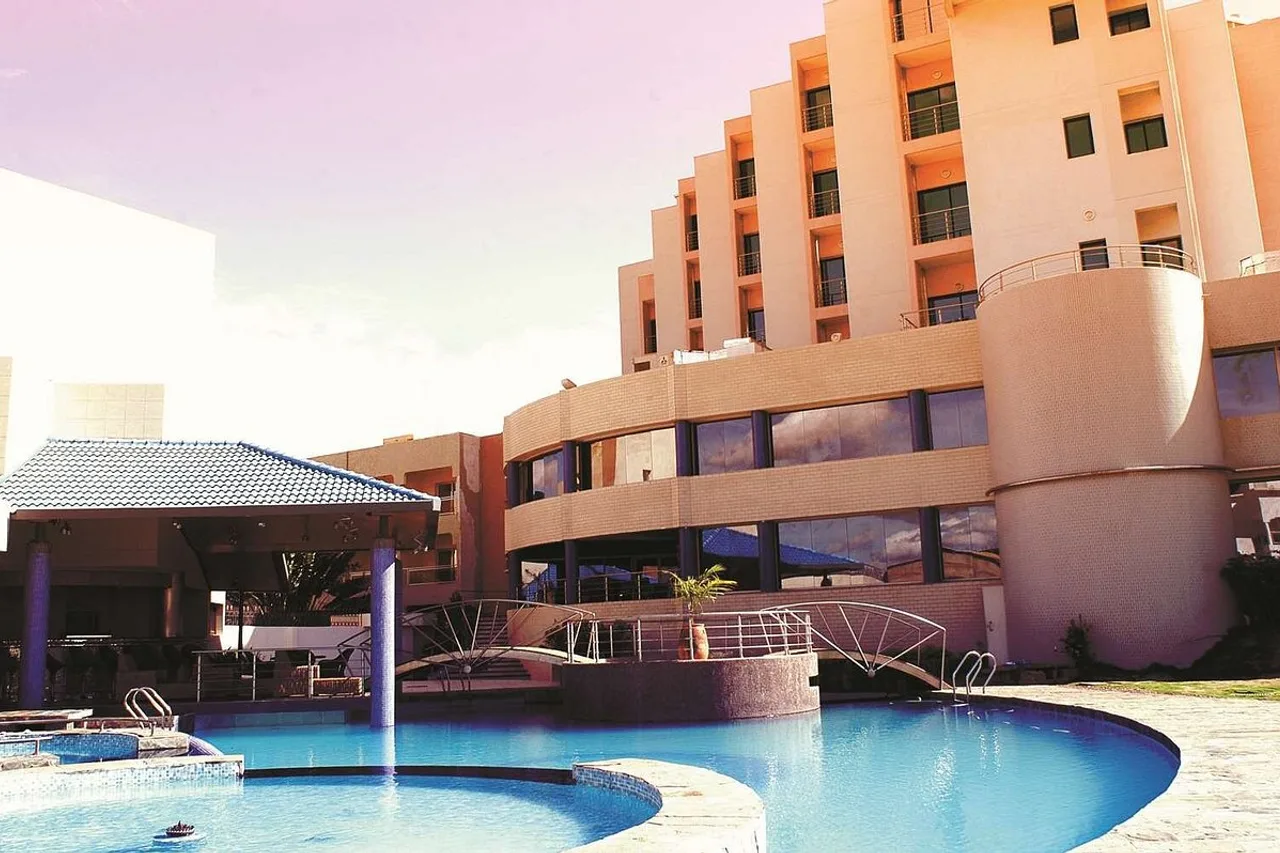
No reviews match these filters — try removing some.
- 1🍲
Tiguadege Na
A rich peanut stew with beef or chicken, served over rice or yam — a staple of the Bambara people.
📍 National dish - 2🐟
Capitaine Grill
Grilled Niger River fish (capitaine / Nile perch), smoky and fragrant, eaten with fresh tomato sauce.
📍 Riverside fare - 3🌾
To
Pounded millet or maize dough, eaten with a leafy-green soup or sesame sauce — the simplest of staples.
📍 Local staple - 4🥜
Mafe
A beef or lamb peanut stew, rich and fragrant with spices, served with rice or bread.
📍 West African - 5☕
Tuareg Tea
Strong green tea sweetened with mint, served in three rounds in the Tuareg desert tradition.
📍 Drink - 6🍌
River Fruits
Mango, banana and coconut sold at riverside markets — fresh and cheap.
📍 Snack
- 1🕌
Great Mosque of Djenne
The largest ancient mud building in the world, built in the Sudano-Sahelian style, a UNESCO World Heritage Site since 1988.
📍 World Heritage - 2📚
Timbuktu
The legendary 15th-century center of learning, with ancient manuscripts and the Sankore and Djinguereber mud mosques — a World Heritage Site.
📍 World Heritage - 3🏔️
Bandiagara Escarpment
Sandstone cliffs and ancient Dogon villages, with a distinctive culture of masks and music.
📍 World Heritage - 4🌊
Niger River
The lifeline river running through Segou, Mopti and Timbuktu — cruise it by pirogue to see fresh markets and fishing villages.
📍 Nature - 5🏛️
Ahmed Baba Institute
A center collecting and preserving over 100,000 ancient African Islamic manuscripts.
📍 Timbuktu - 6🎸
Niafunke
The birthplace of Ali Farka Toure, the world-renowned desert-blues artist — a pilgrimage spot for music lovers.
📍 Music
🚆 Getting around Mali
Bamako International Airport
Modibo Keita International Airport is the main hub, with direct flights from Paris, Brussels, Casablanca and cities across Africa.
Intercity buses
Buses and minibuses (sotrama) link Bamako, Segou and Mopti — the main way locals get around.
Niger River boats
Public boats (pinasse) travel between Mopti and Timbuktu, taking 2–5 days depending on the water level.
Car with driver
Recommended for areas outside the capital; a local driver helps with safety and navigation.
Motorbike taxis (Zemidjans)
In Bamako and smaller towns — cheap and convenient, but agree the fare before you get on.
🛂 Etiquette & culture in Mali
Islam and local traditions
Over 90% of people are Muslim, blended distinctively with native Dogon, Bambara and Tuareg traditions.
Dogon mask culture
The Dogon's mask ceremonies and dances carry spiritual meaning — don't photograph them without permission.
Dress modestly
Dress conservatively, especially women, when entering religious areas or rural communities, and respect local customs.
Greeting etiquette
Malians are known for friendliness and hospitality; greetings and asking after each other's wellbeing matter before any business.
Photographing people
Always ask before photographing locals; some areas have beliefs about photographs, so seek permission first.
💸 Daily budget — a rough guide
Budget
🛏️ Guesthouse / hostel $17–43
Mali is low-cost — local food is cheap, but the cost of safety and a local guide is essential.
Comfortable
🛏️ 3★ hotel $43–85
Guided tours with a local guide, a Niger river cruise, and safer intercity travel.
Premium
🛏️ Upscale hotel in Bamako $115+
Full guided tours with rigorous security measures.
🗓️ When to visit Mali
Cool season (dry)
Nov – JanThe most comfortable weather, 20–30°C, with little Harmattan dust — great for daytime sightseeing of the architecture.
Early dry season
Feb – MarPleasantly warm before the extreme heat, with easy access to routes — great for Dogon country.
Rainy season
Jun – SepThe Niger River rises high and boats run well, with lush green nature, but some roads are difficult.
Avoid
Apr – MayThe hottest time of year, up to 45°C, with heavy Harmattan dust — not suited to travel.
Book — hotels our team picked
If we had to pick just a few, we'd start with these three — compare prices across 3 sites.
Want to see every option in Mali?
Browse all our ranked stay reviews — every budget and area, with real photos and price comparison.
View the top city guide →FAQ — visiting Mali
How many days do you need in Mali?+
If the situation allows, experienced travelers usually plan 7–10 days: Bamako 2 days + Djenne 1 day + Dogon 2–3 days + Mopti 1 day + Timbuktu 2 days — but everything depends on the security situation at the time.
What is the security situation in Mali?+
Mali has faced unrest since 2012, and many governments, including Thailand and the UK, issue their highest-level warnings against non-essential travel, especially in the north, center and border zones. Please always check the latest travel advisory from your embassy before deciding to travel.
Do Thai citizens need a Mali visa?+
Yes, Thai citizens must obtain a visa before traveling. Contact the Mali embassy in Bangkok or the embassy responsible for Thailand, and prepare an invitation letter, health insurance, and proof of funds.
What currency does Mali use?+
The CFA Franc (XOF), shared with seven West African countries in the UEMOA group. Exchange money in Bamako; credit cards are accepted only at large hotels, so carry enough cash.
Tips before you go to Mali
- Always check the latest travel advisories from your foreign ministry and any second-nationality country first.
- Use certified local guides and reputable tour companies; don't travel alone in risky areas.
- Notify your embassy before you travel and register as a traveler in case of emergency.
- Exchange for CFA Francs (XOF) in Bamako first; remote areas rarely accept cards.
- Dress modestly, especially women, and respect prayer times, which matter greatly in the community.
- Photographing government and military sites is forbidden; always ask permission before photographing people.