Where to stay in Isfahan — pick the right hotel, book in 3 clicks
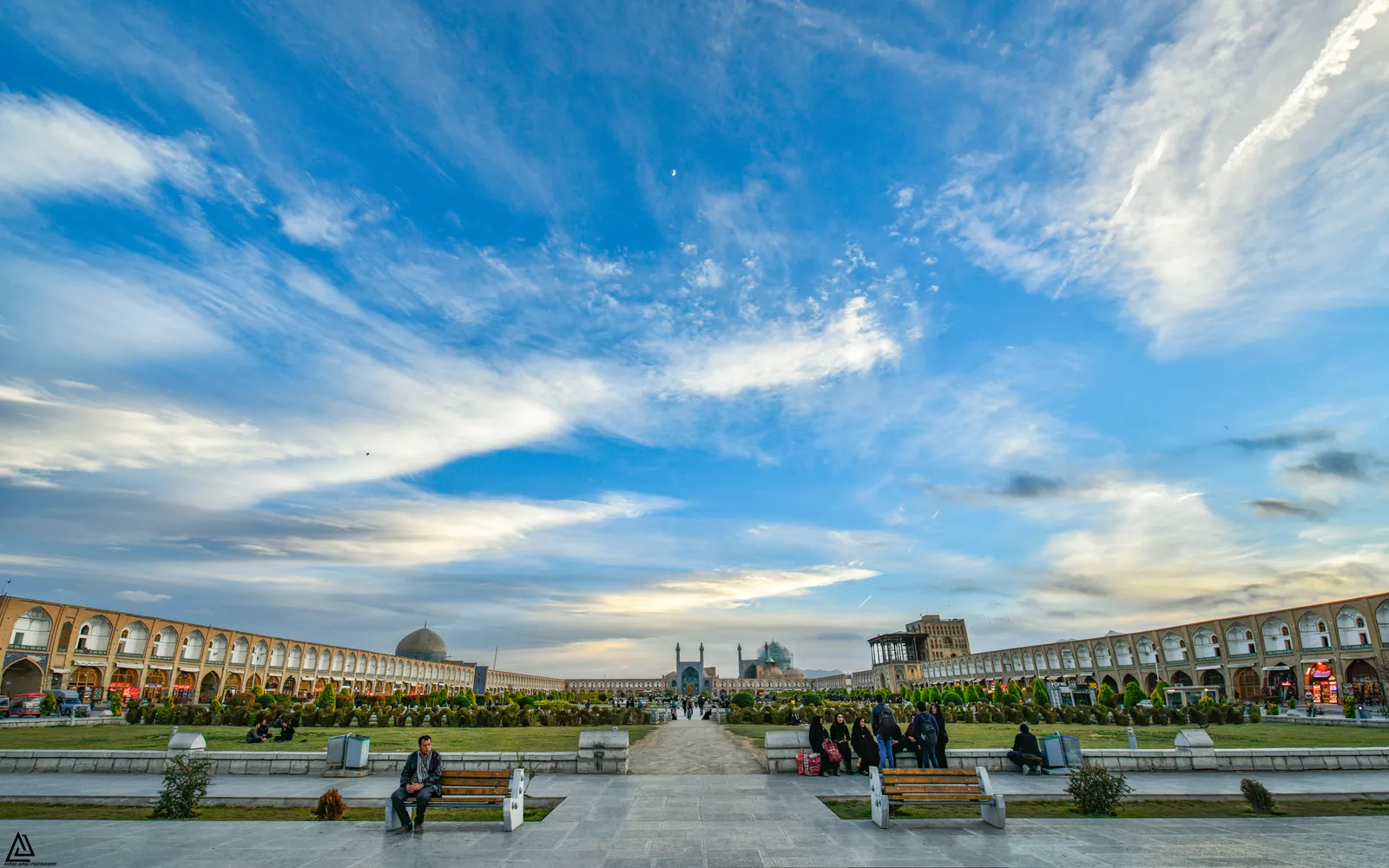
Persians have a saying — “Esfahan nesf-e jahan,” Isfahan is half the world. Stand in the middle of Naqsh-e Jahan Square, ringed by turquoise-domed mosques, the soaring Ali Qapu Palace, and one of the oldest covered bazaars on earth, and you'll understand why. This was the dazzling Safavid capital of the 17th century, and it still wears that grandeur effortlessly. Walk the banks of the Zayandeh River, cross the 33-arched Si-o-se-pol bridge where locals gather at dusk to sing, sip tea in a centuries-old teahouse, haggle over carpets and hand-painted enamel in the bazaar, then dig into beryani — minced lamb on sangak bread that's unique to this city. Isfahan is beautiful in a way that comes with a story, and surprisingly warm toward the travelers who make the trip.
Why stay in Isfahan
World-class Persian architecture
Naqsh-e Jahan Square is a UNESCO World Heritage Site and one of the largest squares on the planet, framed by the Imam Mosque, Sheikh Lotfollah Mosque, and Ali Qapu Palace. Every blue tile was set by hand.
Bridges that double as gathering spots
Si-o-se-pol (33 arches) and Khaju Bridge aren't just river crossings — locals come to sit beneath the arches, sing, and drink tea, especially at sunset. It's the city's living room.
Unexpectedly warm locals
Travelers consistently say Iranians, and Isfahanis in particular, are remarkably friendly — striking up conversations, offering tea, and eager to practice English. The hospitality often becomes the trip highlight.
Genuine value for money
With the rial heavily devalued, hotels, food, and entry fees are very cheap by European standards. Boutique stays in restored historic houses are affordable — just bring foreign cash to exchange, since cards don't work.
Pick an area first — where to stay in Isfahan
Location is the single most important thing about a hotel — choose the right area first, then pick the hotel
Around Naqsh-e Jahan SquareThe historic heart, within walking distance of the great mosques, palaces, and the old bazaar. Best for first-timers who want to stay in the middle of everything.
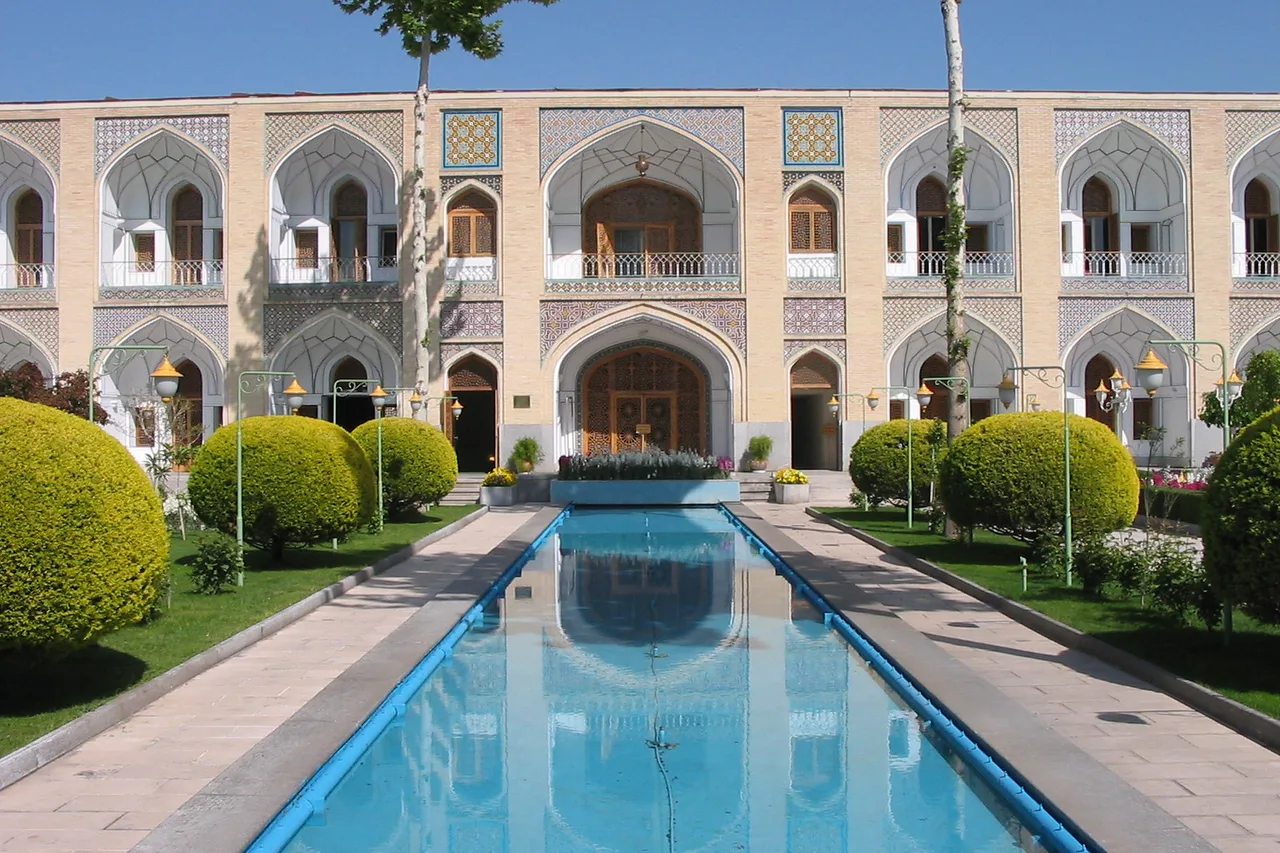
Coming soonChahar Bagh / Abbasi areaThe historic tree-lined avenue, home to the legendary Abbasi Hotel set in a former Safavid caravanserai, close to the river and Si-o-se-pol. Classic and atmospheric.
Coming soonJolfa (New Julfa)The old Armenian quarter and site of Vank Cathedral, with the city's best concentration of cafes, restaurants, and stylish teahouses. Chic and modern in feel.
Coming soonOld Bazaar districtWrapped around one of the longest covered markets in the world. Ideal if you want to sleep in a restored historic guesthouse and step straight into the bazaar each morning.
Coming soonRanked reviews — find your ideal stay in Isfahan
Start with where to stay (the heart of the trip), then explore food and sights
We're rolling out Isfahan stay reviews — meanwhile search Isfahan hotels across all 3 sites now
Local dishes to try in Isfahan
- 1🍖
Beryani
Isfahan's own specialty — minced lamb (sometimes with lung) fried into a patty and served on sangak bread, dusted with cinnamon and walnuts, eaten with basil and a squeeze of lime.
📍 City signature dish - 2🥘
Fesenjan
A classic Persian stew of ground walnuts and thick pomegranate paste, sweet-and-sour and deeply rich, usually made with chicken or meatballs. A staple of weddings and special occasions.
📍 Walnut-pomegranate stew - 3🍢
Kabab
Marinated lamb or chicken grilled over charcoal and served with saffron rice (chelo), grilled tomato, and butter — Iran's everyday backbone, and reliably good across the city.
📍 Charcoal-grilled skewers - 4🍲
Dizi (Abgoosht)
A lamb, chickpea, and potato stew served in a stone pot. You pour the broth over bread first, then mash the solids into a paste to eat after — an old, budget-friendly comfort meal.
📍 Clay-pot stew - 5🍬
Gaz
Persian nougat made from the manna of tamarisk trees, studded with pistachios or walnuts. It's Isfahan's most famous edible souvenir, sold all through the bazaar.
📍 Isfahan's sweet - 6🫖
Persian tea (chai)
Strong black tea served in a waisted glass with a sugar cube (qand) held between the teeth. Sip it in an old teahouse beneath a bridge or in the bazaar — often with a water pipe alongside.
📍 Teahouse culture
- 1🕌
Naqsh-e Jahan Square (Imam Square)
A vast Safavid plaza and one of the largest squares in the world, ringed by mosques and palaces. It's beautifully lit in the evening, and horse-drawn carriages circle the perimeter.
📍 UNESCO World Heritage - 2🟦
Imam Mosque (Shah Mosque)
Shah Abbas's royal mosque, crowned with a shimmering turquoise-tiled dome. Its signature is the acoustics beneath the dome — stand at the center and your voice echoes back several times.
📍 Blue dome - 3🦚
Sheikh Lotfollah Mosque
A small mosque with no minaret or courtyard, originally built for the royal women. As light shifts across the inner dome, a peacock's tail seems to form — one of the most exquisite interiors in Iran.
📍 Peacock dome - 4🌉
Si-o-se-pol Bridge
A 300-meter stone bridge with 33 arches, built in the early 1600s under the Safavids. It's the city's icon — by evening, locals gather beneath the arches to sit and sing.
📍 Bridge of 33 arches - 5💧
Khaju Bridge
A two-tiered bridge built around 1650 under Shah Abbas II, serving as a crossing, a weir to hold back the river, and a public gathering place, complete with a central pavilion and fine tilework.
📍 Bridge & weir - 6🏛️
Chehel Sotoun Palace
A Safavid pavilion where kings received foreign dignitaries. Its 20 slender wooden columns reflect in the front pool to appear as forty — hence the name. Inside are grand frescoes of court life.
📍 Forty-column palace - 7⛪
Vank Cathedral
A 17th-century Armenian Apostolic church in the Jolfa quarter, blending Armenian and Persian styles. The interior is covered in vivid biblical frescoes, and there's a museum alongside.
📍 Armenian cathedral - 8🛍️
Grand Bazaar (Bazar-e Bozorg)
One of the longest covered bazaars in the world, running off Naqsh-e Jahan Square. Browse for carpets, enamel mina work, brass, spices, and gaz — the local Persian sweet.
📍 World's longest roofed market
Things to do in Isfahan
Day tours, attraction tickets and travel essentials for Isfahan — book ahead on Klook with mobile e-tickets.
Affiliate links — we may earn a commission at no extra cost to you.
3 Isfahan hotels our team picked for you
Selected from real reviews — one per budget tier, each with a score and instant 3-site price comparison
 ★ 8.6Luxury
 ★ 8.5Luxury
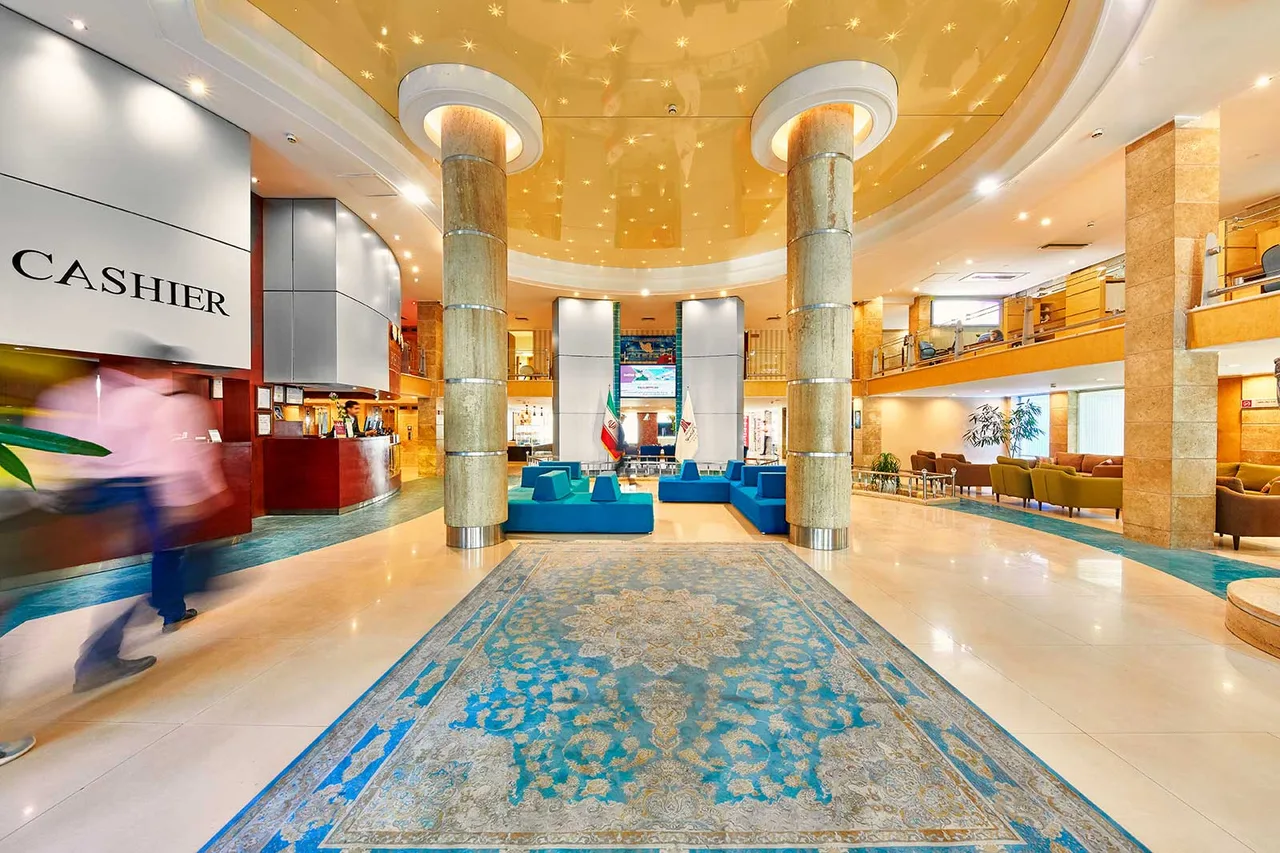
Parsian Kowsar Hotel Isfahan
Riverside 5-star with bridge views
 ★ 8.5Value
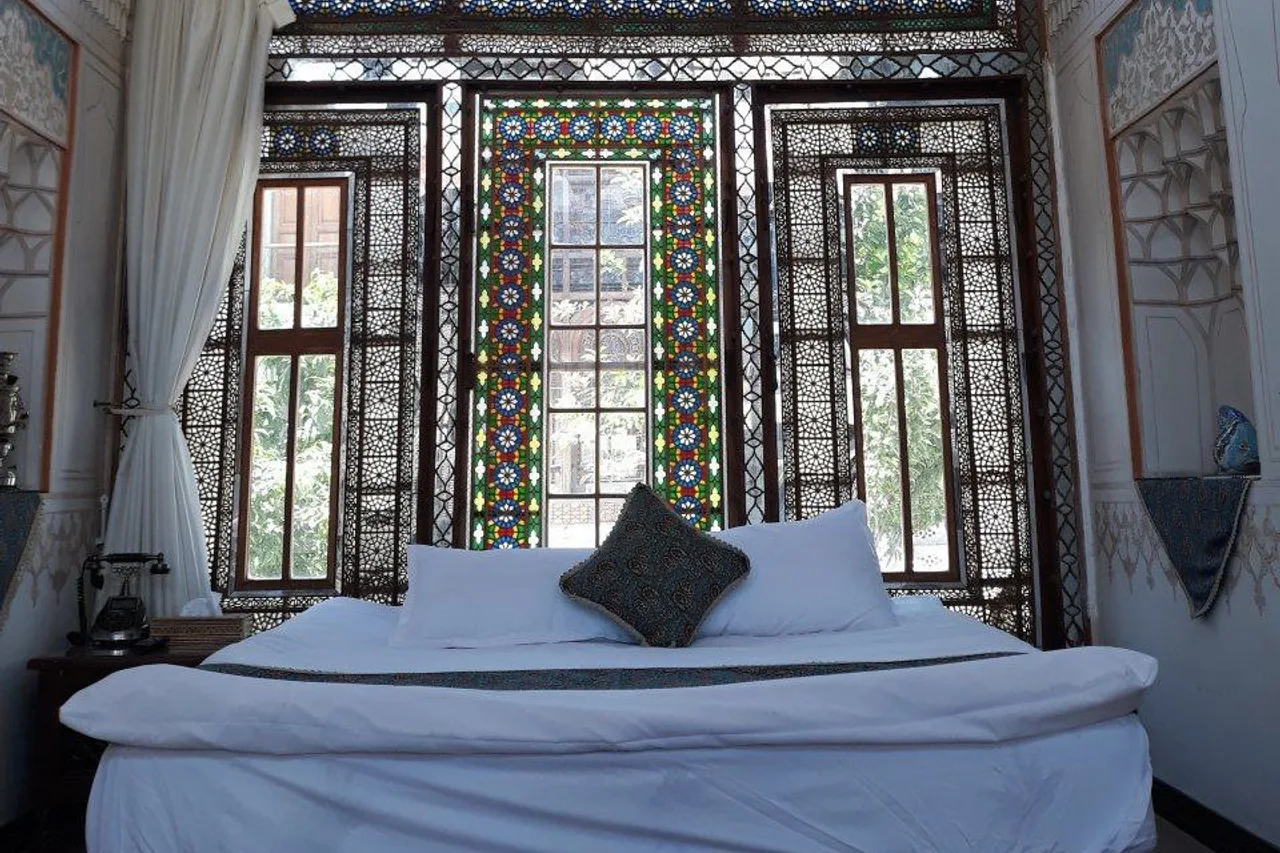
Atigh Traditional Hotel
200-year heritage house with courtyards
โรงแรมแนะนำทั้งหมดในIsfahan
ครบทุกระดับงบ — คัดจากคะแนนรีวิวจริง พร้อมเทียบราคา 3 เว็บ
Haven't found the one? Search all 3 sites yourself
Compare real-time room availability for your Isfahan dates
🚆 Getting around Isfahan
Shahid Beheshti Airport (IFN)
Isfahan's international airport sits about 25 km northeast of the center. It handles major domestic routes and some regional Middle East flights. Reach the city by airport taxi or a ride-hailing app.
Metro
Isfahan's metro line runs through key stations including Si-o-se-pol, Enghelab, and Golestan. Buy and top up an Isfahan Card before riding — it's clean and extremely cheap.
Buses & BRT
A wide network of regular and BRT buses covers the city, paid for with the same Isfahan Card as the metro. It's the cheapest option, though routes can be confusing for visitors.
Snapp / Tapsi ride apps
The easiest way to get around as a tourist — Snapp and Tapsi are the popular ride-hailing apps, cheap and with upfront pricing. You'll need an Iranian SIM and local number to register.
Cash only (foreign cards don't work)
Foreign credit and debit cards don't work in Iran due to sanctions. Bring EUR/USD cash to exchange at a money changer (Sarrafi) for better rates than hotels. Watch the rial-vs-toman confusion (1 toman = 10 rials).
Where to go next near Isfahan
Frequently asked — where to stay in Isfahan
When is the best time to visit Isfahan?+
Spring (April–June) and autumn (September–November) are ideal, with pleasant daytime highs of 18–28°C and clear skies. Summer (Jun–Aug) is hot and dry, often topping 35–40°C, while winter nights can drop below freezing.
Can I use foreign credit cards, and how should I handle money?+
Foreign cards (Visa/Mastercard) simply don't work because of sanctions. Bring EUR or USD cash and exchange it for rials at a money changer (Sarrafi). Some travelers use prepaid Iran-specific tourist debit cards. Note that prices are often quoted in toman (1 toman = 10 rials).
How many days do I need, and what can I cover?+
Two to three days is about right. Spend the first on Naqsh-e Jahan Square with its mosques and palaces, the second on the old bazaar, Chehel Sotoun Palace, and the Jolfa quarter with Vank Cathedral. Save each evening for a stroll along the Si-o-se-pol and Khaju bridges.
Ready to book your Isfahan stay?
Start with the 3 hotels our team picked, or search all 3 sites — always compare before booking