Guinea — find the right stay, from deciding to booking
“The Fouta Djallon highlands, beautiful waterfalls, World Heritage Nimba, and the home of the djembe drum”
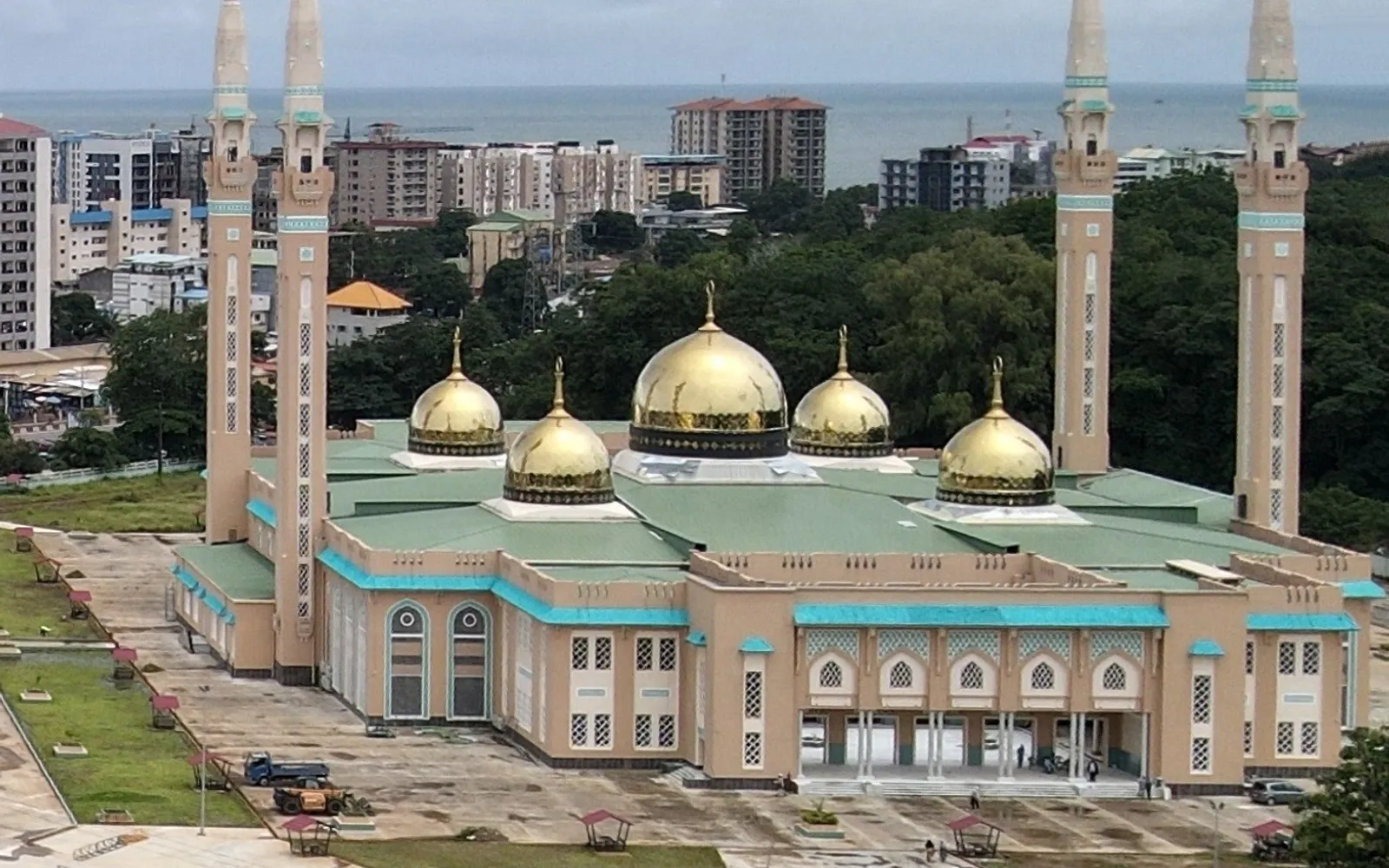
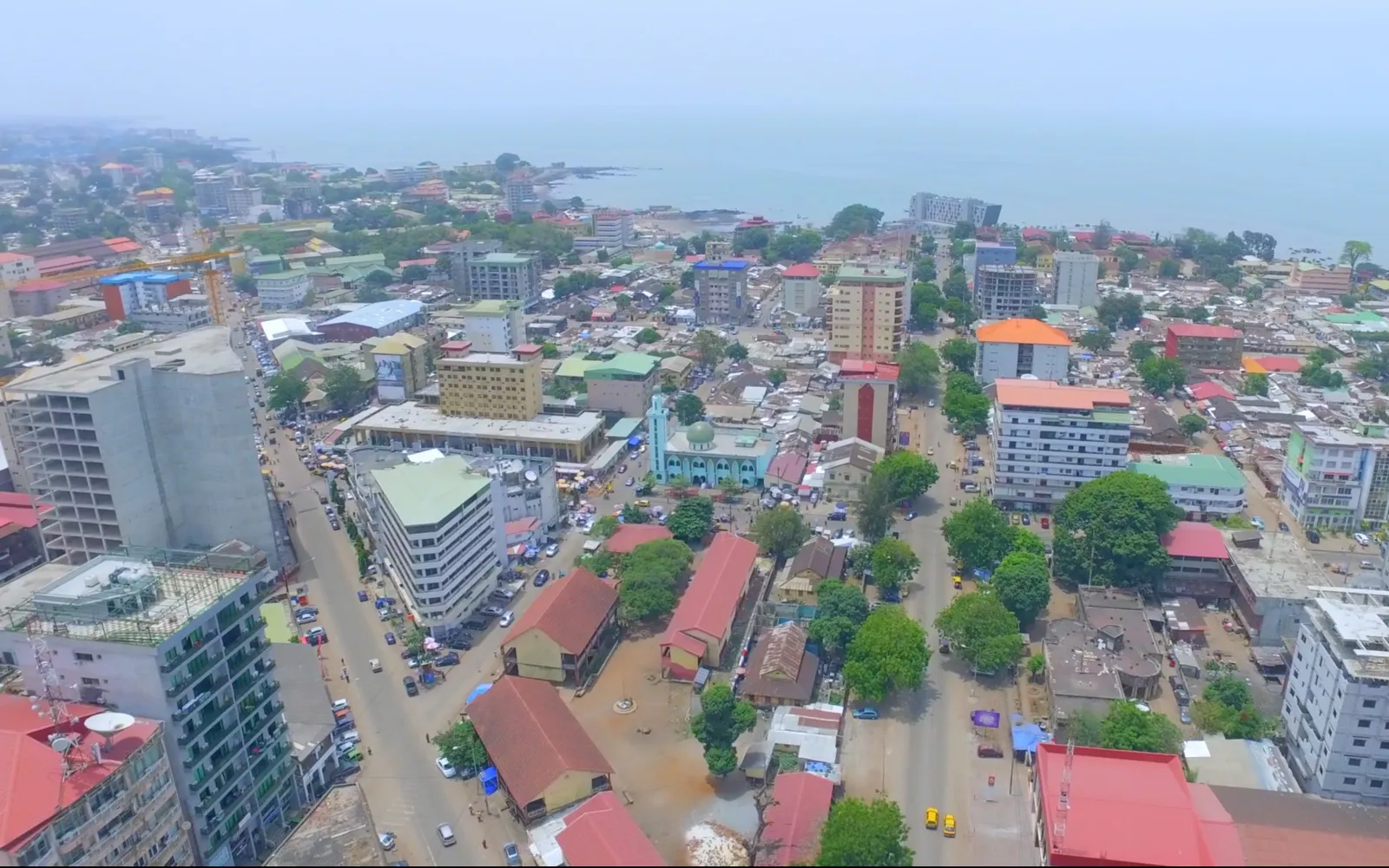
Guinea (Guinea-Conakry) is a land of rich nature and West African musical heritage — the Fouta Djallon highlands full of waterfalls and hiking trails and the source of great rivers, while World Heritage Mount Nimba hides extraordinary biodiversity; the capital, Conakry, on a peninsula surrounded by sea, with the Loos Islands and beaches, plus the djembe and kora drum music that Guinea regards as the heart of the region. That said, Guinea carries safety advisories from several governments, so travelers should check the latest warnings before setting out.
Guinea at a glance
Choose a city in Guinea
Each city has its own things-to-do and food guides plus in-depth ranked hotel reviews with real photos and price comparison — start with the city that fits your trip.
Decide — is Guinea right for you?
Why people love Guinea, how it compares to its neighbors, and which travel style suits you
The Fouta Djallon highlands
A vast sandstone plateau with many waterfalls and hiking trails, and the source of the Niger, Gambia and Senegal rivers.
World Heritage Mount Nimba
A UNESCO World Heritage area at the tri-border of Guinea, Liberia and Côte d'Ivoire, with exceptional biodiversity.
Kinkon and Ditinn waterfalls
Large waterfalls in the Fouta Djallon, reached on foot through truly authentic nature.
Conakry and the Loos Islands
A capital on a peninsula surrounded by sea; the Loos Islands have white-sand beaches and colonial history.
Djembe and kora heritage
Guinea is the home of the West African djembe drum and the kora harp, with lively music and arts festivals.
Multi-ethnic culture
More than 24 ethnic groups — Fula, Malinké, Susu — with woven cloth, jewelry, and colorful markets.
Guinea vs its neighbors
| Guinea | Senegal | Sierra Leone | |
|---|---|---|---|
| Daily budget (per person) | $40–85 | $43–90 | $34–80 |
| Visa (Thai passport) | Visa required | Visa required | Visa required |
| Known for | Fouta Djallon · Nimba · djembe | Dakar · Gorée Island · music | Beaches · Freetown · nature |
| Currency | Guinean franc (GNF) | CFA franc (XOF) | Leone (SLE) |
| Tourism level | Adventure route | Developed-popular | Developing |
Figures are rough per-person, per-day estimates — your real budget depends on your travel style.
How do you travel?
Nature & hiking
Fouta Djallon, waterfall hikes, Mount Nimba, and authentic African nature — for those who love adventure.
See this plan → 🥁Music & culture
Learn the djembe in Conakry, see music festivals, and experience a multi-ethnic culture.
See this plan → 🏝️History & beaches
The colonial history of the Loos Islands, the beaches, and the capital Conakry.
See this plan →Plan — stay, eat, see
Start with where to stay (the heart of the trip), then add food and sights, and gauge your daily budget.
Find the stay you want
1 ranked reviews
No reviews match these filters — try removing some.
- 1🍲
Riz au Poisson
Rice cooked with fish, vegetables, and a peanut-tomato sauce — a staple of the home kitchen.
📍 Main dish - 2🥜
Groundnut Soup
A thick peanut soup with chicken or fish, seasoned with spices — rich in flavor.
📍 Popular soup - 3🌯
Fakoye
Corn dough grilled or baked in banana leaf, eaten with a vegetable or fish sauce.
📍 Street food - 4🍌
Foufou
Cassava or plantain pounded until sticky, eaten with various thick curry sauces.
📍 Staple - 5🧃
Bissap Juice
Deep-red hibiscus juice, sweet and tangy — a favorite drink across West Africa.
📍 Drink - 6🍗
Yassa Chicken
Chicken marinated in lemon, onion and mustard, grilled then braised in a caramelized onion sauce.
📍 Special dish
- 1⛰️
Fouta Djallon Highlands
A sandstone plateau with many waterfalls, the source of West Africa's great rivers, and hiking trails.
📍 Nature & hiking - 2🏔️
Mount Nimba
A UNESCO World Heritage reserve with peaks over 1,700 meters and exceptionally high biodiversity.
📍 World Heritage - 3💧
Ditinn Waterfall
A tall, beautiful waterfall in the highlands, reached by hiking through green valleys — peaceful and quiet.
📍 Fouta Djallon - 4🏝️
Iles de Los
An archipelago off Conakry, with white-sand beaches and a history of the slave trade and the colonial era.
📍 Conakry - 5🥁
Conakry Music Culture
The capital of djembe and kora music, with drum schools, festivals, and world-class artists.
📍 Culture - 6🌿
Kinkon Waterfall
A granite waterfall on the Bafing River, reached from Labé — great for a light hike.
📍 Fouta Djallon
🚆 Getting around Guinea
Conakry Airport
Conakry International Airport (CKY) is the main hub, with flights linking West Africa and Europe.
Rental car & guide
Hiring a car with a driver who knows the roads is recommended — some roads are in poor shape, especially in the rainy season.
Bush taxis
Shared minibuses between towns — cheap but crowded and slow, good for saving money.
Boats to the Loos Islands
Longboats from Conakry port to the Loos Islands take about 30–60 minutes.
Motorbike taxis
Moto-taxis around town and the communities, handy in traffic, but agree the fare first.
🛂 Etiquette & culture in Guinea
African hospitality
Guineans are known for their friendliness and welcome to visitors — sharing food is considered an honor.
Dress modestly
Most Guineans are Muslim, so modest dress covering the shoulders and legs is appropriate in public.
Ask before photographing
Ask permission before photographing people, especially in markets and sacred areas.
Music and dance
Djembe music and dance are part of every festival and ritual, and visitors are welcome to join and learn.
"African time"
Schedules can be flexible — always allow extra time for travel and appointments.
💸 Daily budget — a rough guide
Budget
🛏️ Local guesthouse $17–34
Eat at local spots, take bush taxis, and stay in simple guesthouses.
Comfortable
🛏️ 2–3★ hotel $40–80
A car with driver, good restaurants and an air-conditioned hotel, and a Fouta Djallon tour.
Premium
🛏️ Upmarket hotel in Conakry $100+
An international-standard hotel, a private guide, and a tour to World Heritage Nimba.
🗓️ When to visit Guinea
Dry season
Nov – MarDry weather, good roads, and easy hiking in the Fouta Djallon — the best time.
Harmattan period
Jan – FebHot, dry winds off the Sahara can bring thick dust, but temperatures are cooler than other times.
Early rainy season
Apr – JunThe waterfalls start to flow stronger and the vegetation turns lush, but some roads start to get difficult.
Late rainy season
Sep – OctLush green nature and full waterfalls, but it still rains, so take care when hiking.
Book — hotels our team picked
If we had to pick just a few, we'd start with these three — compare prices across 3 sites.
Want to see every option in Guinea?
Browse all our ranked stay reviews — every budget and area, with real photos and price comparison.
View the top city guide →FAQ — visiting Guinea
How many days do you need in Guinea?+
7–10 days — 2 days in Conakry (the Loos Islands and the city) plus 3–4 days in the Fouta Djallon (Labé, waterfalls, hiking) plus 2 days at Nzérékoré or Mount Nimba if you want.
Is Guinea safe for travelers?+
Guinea's political situation remains unstable, and several countries have issued travel advisories. Check the latest advice from your foreign ministry before you go, avoid gatherings and risk areas, and use a reliable local guide.
What visa and vaccines do I need?+
You need a visa or e-visa in advance, and proof of a Yellow Fever vaccine at all times. Hepatitis, typhoid and malaria vaccines/prophylaxis are recommended. Always check the latest conditions and advisories before you travel.
What currency does Guinea use?+
The Guinean franc (GNF). Change money in Conakry or the big cities; credit cards are accepted only at upmarket hotels, so carry enough cash.
Tips before you go to Guinea
- Always check government travel advisories before setting out — Guinea's situation can change.
- A yellow fever vaccine is mandatory; carry the certificate with you throughout the trip.
- Hire a car with a driver and an experienced local guide — some roads need a 4WD, especially in the rainy season.
- Carry enough GNF in cash; credit cards are little used outside Conakry.
- The best season is Nov–Mar, with good roads, dry weather and easy hiking.
- Try learning the djembe in Conakry — some music schools take short-term visitors.