Guinea-Bissau — find the right stay, from deciding to booking
“The Bijagós Biosphere, swimming hippos, sea turtles, and a living ritual culture”
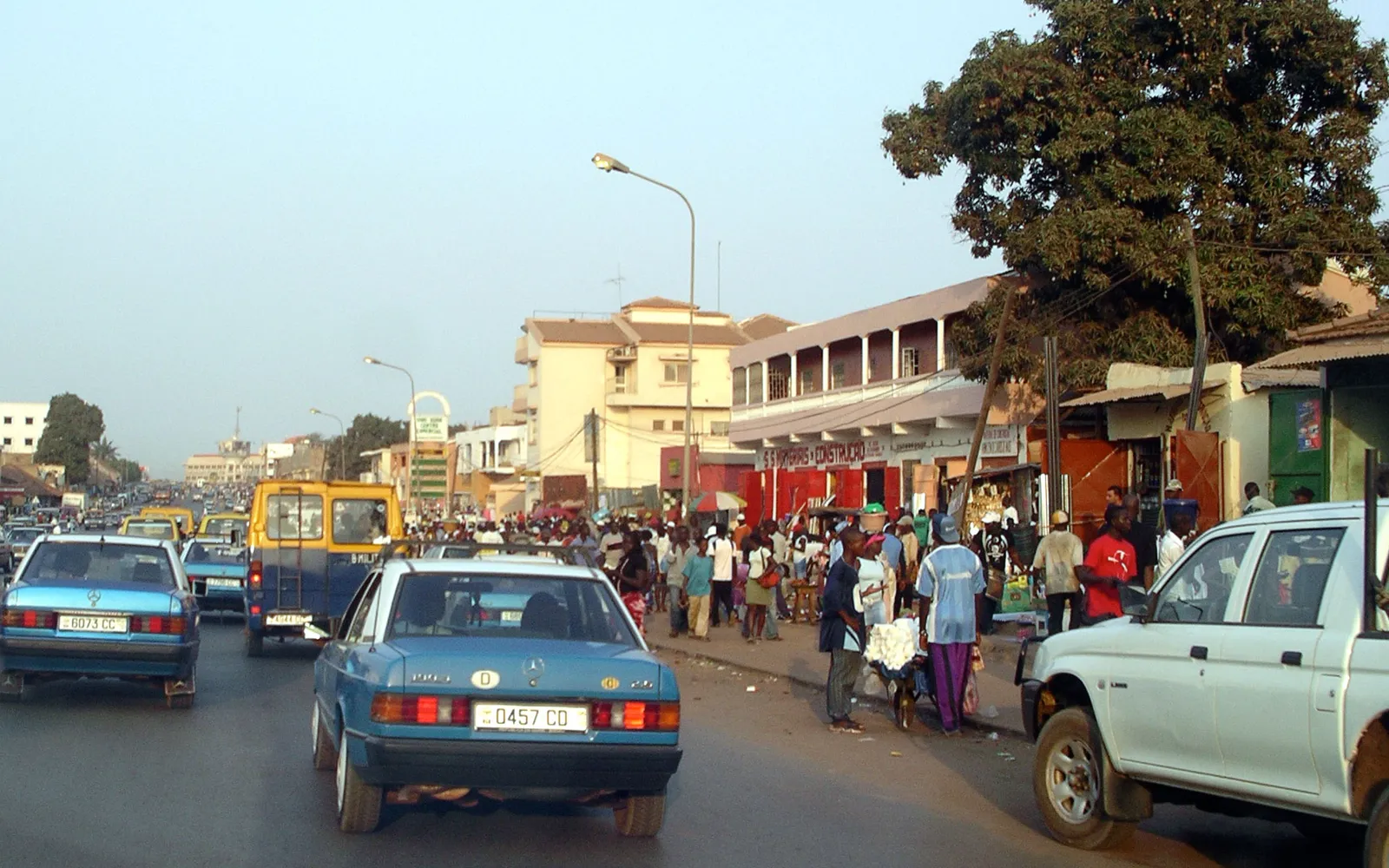
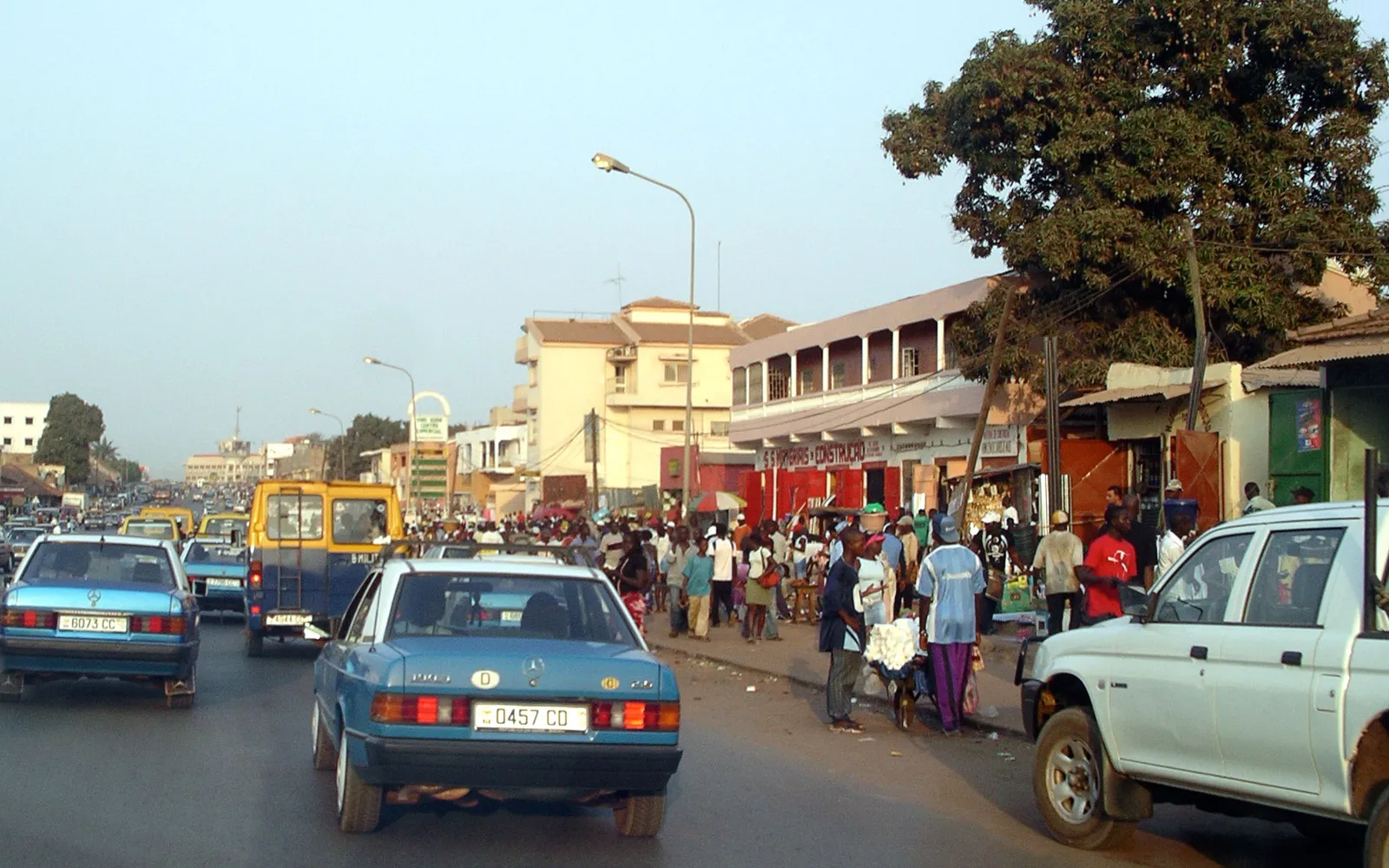
Guinea-Bissau is a land of the still-pristine Bijagós Archipelago — a UNESCO Biosphere Reserve of 88 islands where hippopotamuses swim in the salt sea, sea turtles come ashore to nest on white-sand beaches, and the indigenous Bijagó people have kept their masked ritual culture for hundreds of years — the capital, Bissau, preserves traces of Portuguese colonial architecture and the São José fort, a lively port, a cashew-nut market, and mangroves along the water. It's one of the least-visited countries in West Africa, but there is real authenticity to discover. That said, Guinea-Bissau has periodic political instability, so always check the latest travel advisories from your foreign ministry before you go.
Guinea-Bissau at a glance
Choose a city in Guinea-Bissau
Each city has its own things-to-do and food guides plus in-depth ranked hotel reviews with real photos and price comparison — start with the city that fits your trip.
Decide — is Guinea-Bissau right for you?
Why people love Guinea-Bissau, how it compares to its neighbors, and which travel style suits you
Bijagós Archipelago
A UNESCO Biosphere Reserve of 88 islands — pristine white-sand beaches, rich mangroves, and wildlife both on land and at sea.
Hippos that swim in the sea
A rare phenomenon worldwide — hippos that have adapted to forage in the salt sea around the Bijagós.
Nesting sea turtles
Beaches on the Bijagós islands are important sea-turtle nesting grounds, especially for green turtles.
Bijagó culture
Masked rituals, coming-of-age ceremonies, and traditional music still carried on to this day.
Pristine nature
Many kinds of migratory birds stop in the wetlands, with mangroves and a coastal ecosystem that's still intact.
The Portuguese old town
Bissau Velho, the old quarter of colonial architecture, the São José fort, and a historic port.
Guinea-Bissau vs its neighbors
| Guinea-Bissau | Senegal | Guinea | |
|---|---|---|---|
| Daily budget (per person) | $40–85 | $51–100 | $34–80 |
| Visa (Thai passport) | Check latest conditions | Check latest conditions | Check latest conditions |
| Known for | Islands · hippos · sea turtles | Dakar · Gorée Island · music | Forests · waterfalls · culture |
| Currency | CFA franc (XOF) | CFA franc (XOF) | Guinean franc (GNF) |
| Infrastructure | Limited | Better than neighbors | Limited |
Figures are rough per-person, per-day estimates — your real budget depends on your travel style.
How do you travel?
Nature & islands
Cruise to the Bijagós Archipelago, watch hippos and nesting turtles, and stay at a remote island resort over 5–7 days.
See this plan → 🎭Culture & ethnography
Learn about Bijagó rituals, traditional music, and tribal life in the islands — for travelers who go deep.
See this plan → 🌿Birds & wildlife
Watch migratory birds in the wetlands, the mangroves, and rare sea creatures — ideal for naturalists.
See this plan →Plan — stay, eat, see
Start with where to stay (the heart of the trip), then add food and sights, and gauge your daily budget.
Find the stay you want
1 ranked reviews
No reviews match these filters — try removing some.
- 1🍚
Caldo de Mancarra
A peanut stew with fish or meat, a thick fragrant sauce over rice — the staple of Bissau-Guineans.
📍 National dish - 2🐟
Grilled Fish
Fresh Atlantic fish grilled over charcoal, served with rice and fresh chili by the beach.
📍 Seafood - 3🥜
Cashew Nuts
Guinea-Bissau is a top cashew exporter; fresh roasted nuts are easy to find everywhere.
📍 Souvenir - 4🍌
Tropical Fruits
Fresh banana, papaya, mango and tangerines from local orchards — cheap and sweet.
📍 Fresh produce - 5🥤
Ginger Juice
Strong fresh ginger juice, drunk chilled against the heat — a popular folk drink at markets and roadside stalls.
📍 Drink - 6🍲
Meat Stew
Beef or goat stewed with leafy greens, tomato and spices, served with rice or fufu.
📍 Home food
- 1🏝️
Bijagos Archipelago
88 Atlantic islands, a UNESCO Biosphere Reserve, with white-sand beaches, mangroves, and rare wildlife.
📍 Biosphere Reserve - 2🏰
Bissau Velho
The old Portuguese colonial quarter, with the São José fort and European-style buildings still holding traces of history.
📍 Bissau - 3🦛
Orango Island
Orango Island in the Bijagós, where you can find hippopotamuses that forage in salt water.
📍 Orango Island - 4🐢
Poilao Island
Poilão Island, one of the most important green-turtle nesting grounds in West Africa.
📍 Poilão Island - 5🕌
Grand Mosque Bissau
The grand mosque in the heart of the capital, with striking architecture — a center for the city's Muslim community.
📍 Bissau - 6🌿
Coastal Wetlands
A haven for many migratory birds from Europe and Africa, with rich mangroves and a pristine brackish-water ecosystem.
📍 Nationwide
🚆 Getting around Guinea-Bissau
Bissau Airport
Osvaldo Vieira International Airport takes flights from Lisbon, Dakar and West African cities.
Ferries to the islands
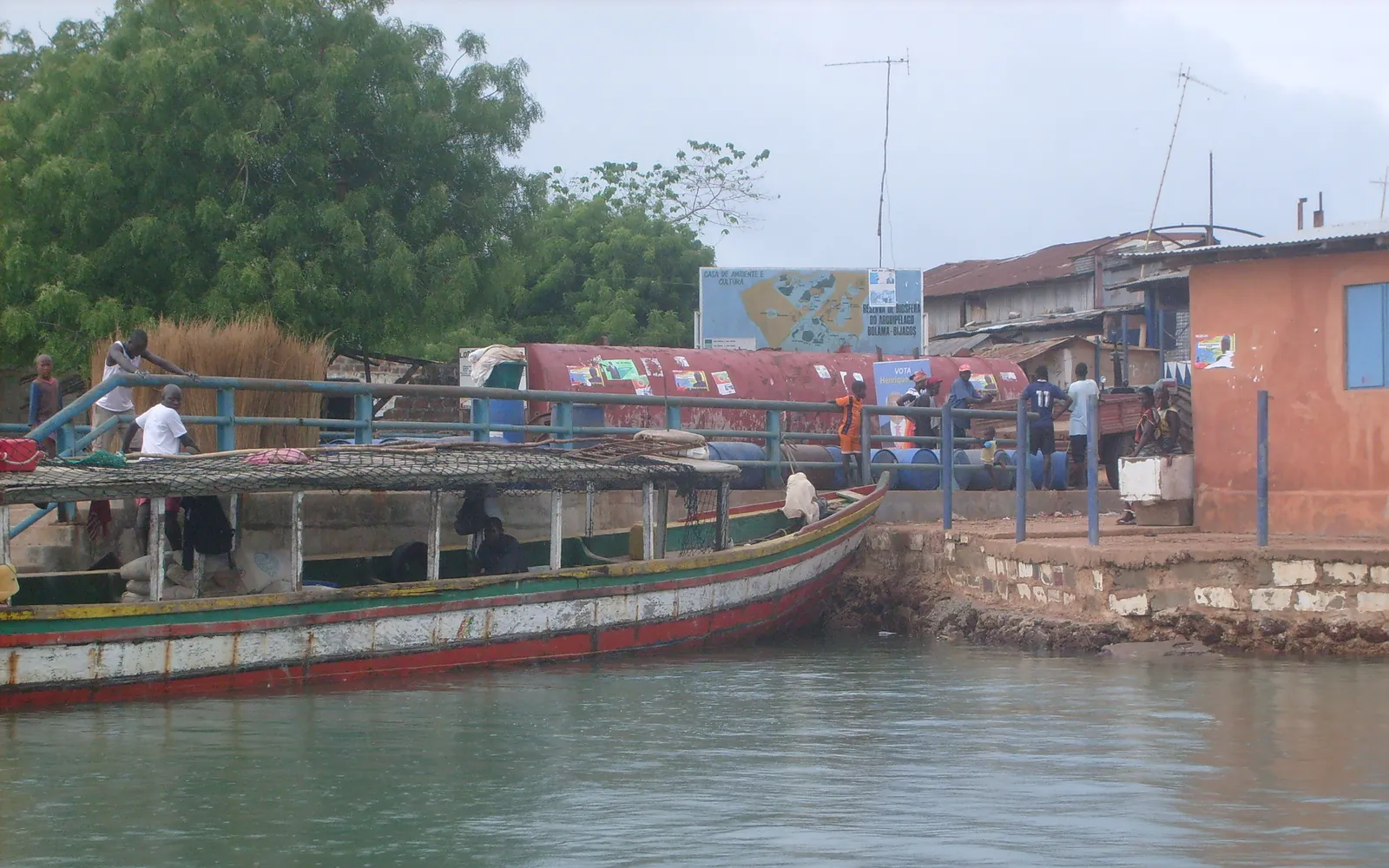
Boats from Bissau port to the Bijagós take 2–6 hours depending on the destination, and the schedules aren't reliable.
Public transport in town
Buses and shared taxis (taxi-brousse) within Bissau — agree the fare before you get in.
Car with driver
Recommended for foreign travelers — rural routes and the islands call for someone who knows the area.
Motorbike taxis
Jakartas (motorbike taxis) are handy around Bissau — always agree the fare before you ride.
🛂 Etiquette & culture in Guinea-Bissau
Bijagó masked rituals
The indigenous Bijagó use masks in coming-of-age and sacred ceremonies, a tradition carried on for hundreds of years.
Reverence for nature
The Bijagó believe nature has a spirit, and living in harmony with the forest and sea is part of their way of life.
A warm welcome
Bissau-Guineans are known for welcoming visitors with genuine warmth — greetings and sitting down to talk matter.
Music and dance
Traditional guitar and drum music is part of daily life, with music festivals held by season.
Safety awareness
Check the political situation and travel advisories before you go, and avoid gatherings and risk areas.
💸 Daily budget — a rough guide
Budget
🛏️ Simple guesthouse $14–34
Eat local food at the market, use public transport, and always confirm accommodation ahead.
Comfortable
🛏️ Mid-range hotel $43–85
A boat tour to the islands, a guide, and clean restaurants.
Premium
🛏️ Island resort / best hotel $115+
A resort on the Bijagós islands, private tours, and a chartered boat.
🗓️ When to visit Guinea-Bissau
Dry season
Nov – AprThe best weather, clear skies and convenient ferries — the most suitable time to visit.
Turtle-nesting season
Nov – JanSea turtles come ashore to nest on the Bijagós beaches — a rare chance not to be missed.
Early rainy season
JunLush green nature and abundant migratory birds, but the ferries can be irregular.
Mid rainy season
Jul – SepVery heavy rain makes travel hard, and rural routes can be cut off — best avoided.
Book — hotels our team picked
If we had to pick just a few, we'd start with these three — compare prices across 3 sites.
Want to see every option in Guinea-Bissau?
Browse all our ranked stay reviews — every budget and area, with real photos and price comparison.
View the top city guide →FAQ — visiting Guinea-Bissau
How many days do you need in Guinea-Bissau?+
6–10 days — 2 days in Bissau (the old town, markets, port) plus 4–7 days in the Bijagós Archipelago for hippos, turtles and Bijagó culture.
Is Guinea-Bissau safe?+
It has periodic political instability, so always check the latest travel advisories from your embassy or foreign ministry before you go. Avoid gatherings and risk areas, and traveling in a group with a local guide is recommended.
Do Thai travelers need a visa?+
Get a visa or e-visa, and you'll need proof of a yellow fever vaccine — always check the latest conditions and advisories before you travel, as policies can change.
How do you get to the Bijagós islands?+
Take a ferry from Bissau port. Bubaque Island is the main hub and has accommodation; from there, take a small or chartered boat to the other islands. It's best to book tours ahead with a reliable local operator.
Tips before you go to Guinea-Bissau
- Always check the latest travel advisories and political situation before you go.
- A yellow fever vaccine is mandatory; get malaria prophylaxis and a health check in advance.
- Carry CFA francs (XOF) in cash — credit cards and ATMs are rare outside Bissau.
- Ferry schedules to the islands are unreliable, so book through a local guide and allow extra time.
- Ask permission before photographing people or rituals — respect Bijagó culture and customs.
- The Bijagós are best in the dry season (Nov–Apr), when the boats run smoothly and the weather is far better.