DR Congo — find the right stay, from deciding to booking
“Congo rainforest, a colossal river, mountain gorillas, and the rumba soul of Central Africa”
The Democratic Republic of the Congo (DR Congo), capital Kinshasa, is the second-largest country in Africa, covering the world's second-largest tropical rainforest, the immense Congo River, and astonishing biodiversity. But there are real challenges to understand before traveling: the eastern part of the country still has armed conflict in many areas. Most governments issue 'do not travel' warnings for the eastern provinces and advise careful consideration of travel elsewhere. Always follow official travel advisories from your foreign ministry or relevant authorities before making any plans. This page presents heritage and nature information for educational purposes only, and is not a promotion of travel to high-risk areas.
DR Congo at a glance
Choose a city in DR Congo
Each city has its own things-to-do and food guides plus in-depth ranked hotel reviews with real photos and price comparison — start with the city that fits your trip.
Decide — is DR Congo right for you?
Why people love DR Congo, how it compares to its neighbors, and which travel style suits you
Virunga mountain gorillas
Virunga National Park in the east is home to mountain gorillas — but this area falls under the highest-level safety warnings, so follow official guidance strictly.
Congo River
The world's second-largest river by water volume, encircling Kinshasa and linking the country. A historic boat route runs through dense forest.
Congo rainforest
The world's second-largest tropical forest, home to bonobos, okapi, and rare birds — one of the planet's green lungs.
Congolese rumba
Congolese rumba spread across all of Africa. Kinshasa is full of live music clubs and top musicians — a living music culture.
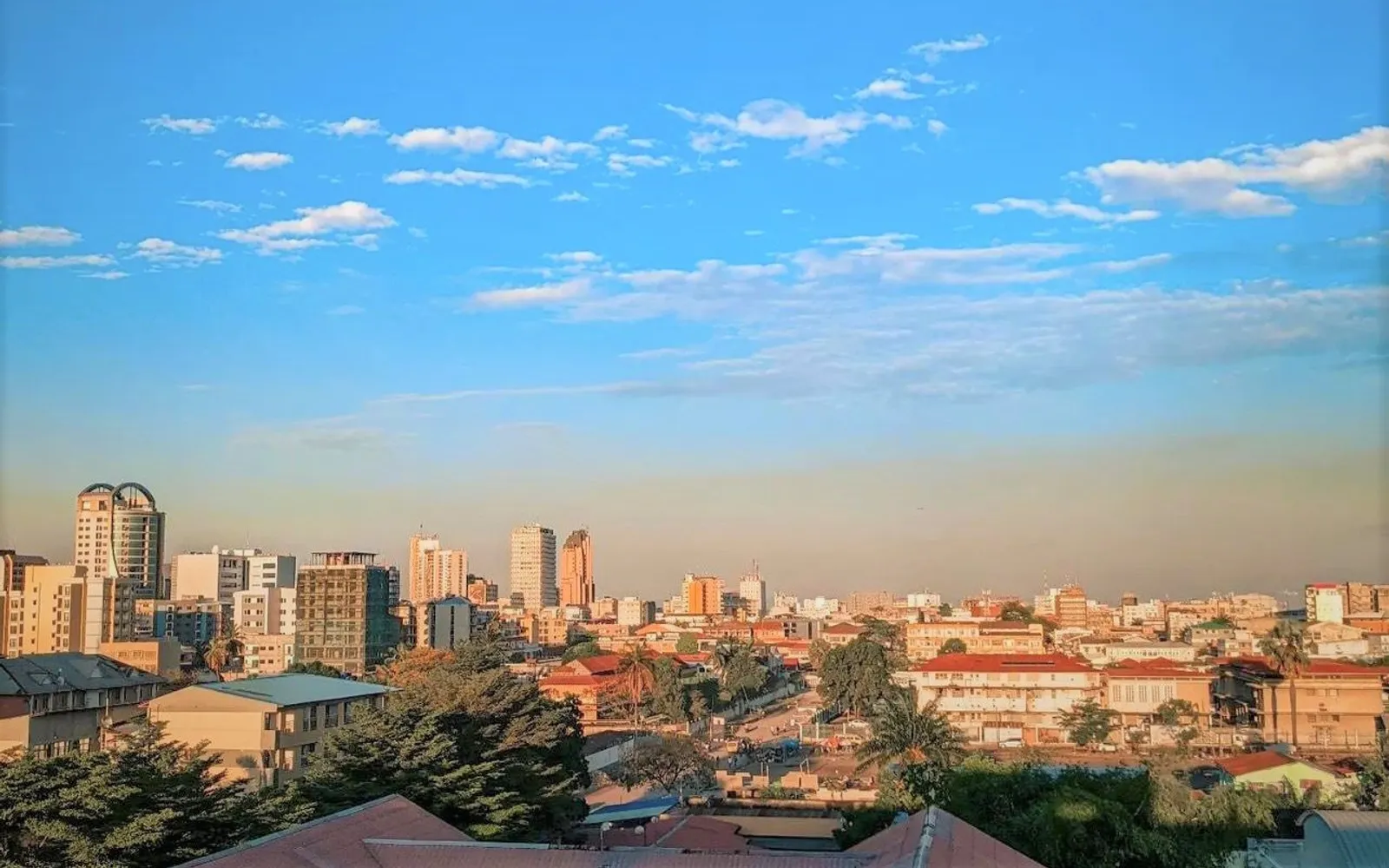
Kinshasa, the capital
One of Central Africa's leading megacities, a hub of culture, markets, architecture, and Sapeur fashion along the Congo River.
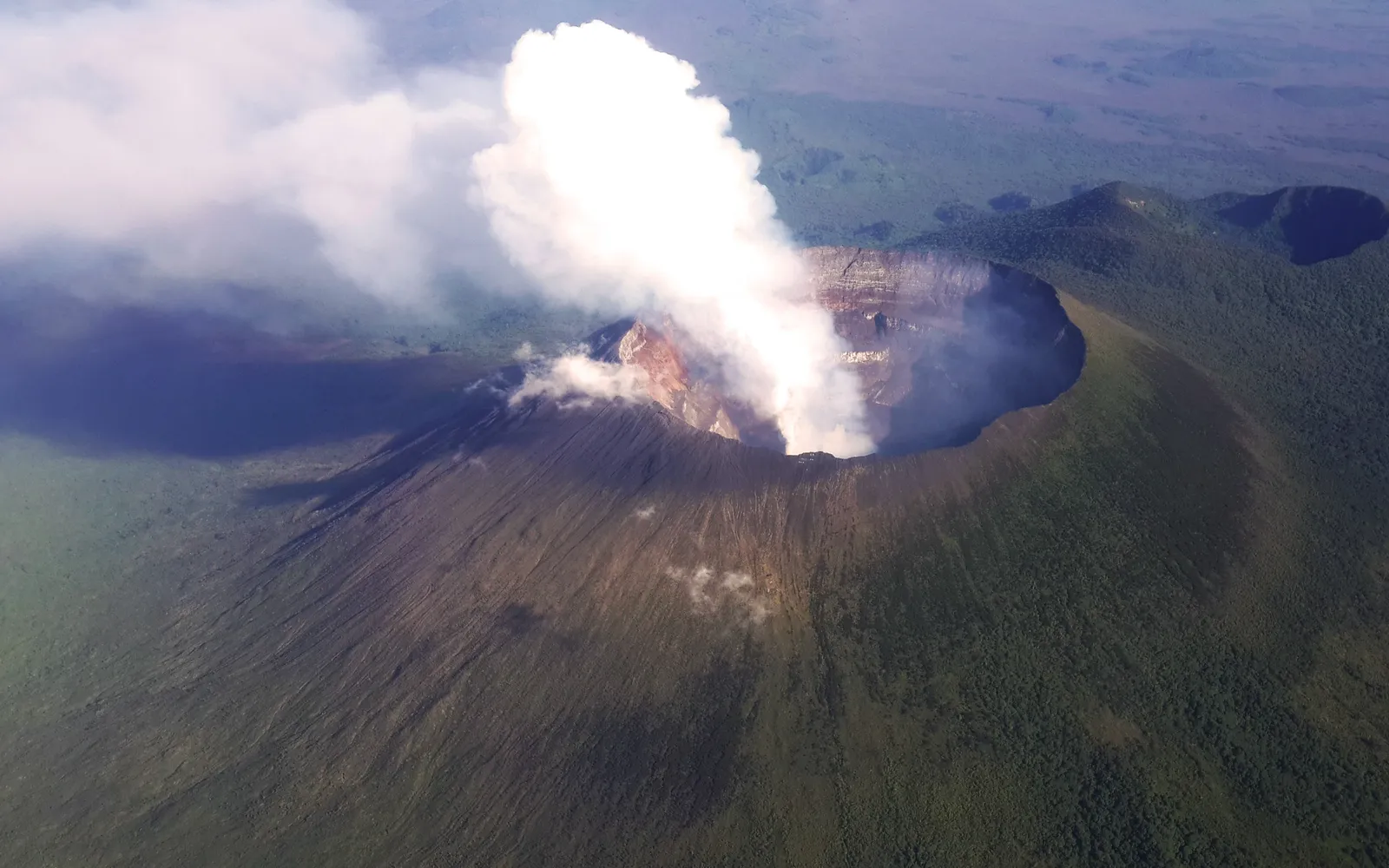
Nyiragongo volcano
Home to the world's largest persistent lava lake, inside Virunga National Park — an area under strict safety restrictions.
DR Congo vs its neighbors
| DR Congo | Congo (Republic) | Cameroon | |
|---|---|---|---|
| Capital | Kinshasa | Brazzaville | Yaounde |
| Daily budget (per person) | $57–129 | $63–114 | $51–100 |
| Safety level | High caution / east dangerous | Moderate caution | Moderate caution |
| Known for | Vast rainforest, gorillas, rumba | Congo forest, parks | Rainforest, gorillas, beaches |
| Currency | Congolese franc (CDF) | CFA franc (XAF) | CFA franc (XAF) |
Figures are rough per-person, per-day estimates — your real budget depends on your travel style.
How do you travel?
The naturalist
Drawn to bonobos, okapi, and the Congo rainforest — must plan with specialists and check safety conditions in detail.
See this plan → 🎶Culture and music lover
Kinshasa, live rumba, Sapeur fashion, and the big-city culture of Central Africa.
See this plan → 📚Researcher / humanitarian worker
Those traveling for academic or humanitarian reasons should contact accredited organizations and prepare a full safety plan.
See this plan →Plan — stay, eat, see
Start with where to stay (the heart of the trip), then add food and sights, and gauge your daily budget.
Find the stay you want
1 ranked reviews
No reviews match these filters — try removing some.
We're adding DR Congo food reviews
We're adding DR Congo sightseeing reviews
🚆 Getting around DR Congo
Kinshasa International Airport
N'Djili Airport (FIH) is the main gateway, with flights from Europe and Africa. After arrival, getting around town is best done with hotel transfers or trusted operators.
Car with driver
Hiring a car with a local driver who knows the routes is the safest and most convenient option. Self-driving in the city is not recommended.
Congo River boats
Boat routes along the Congo River connect cities over thousands of kilometers — slow, but a real glimpse of riverside life.
Domestic flights
Travel between major cities relies mainly on flying, given the long distances and limited land infrastructure.
City buses
Kinshasa has public buses, minibuses, and motorbike taxis. Use services recommended by your hotel for safety.
🛂 Etiquette & culture in DR Congo
Sapeur
The flamboyant dress culture of Kinshasa's young men — bright-colored suits are an expression of dignity and art, recognized as cultural heritage.
Congolese rumba
Music born in Kinshasa, blending African rhythms with Latin and Cuban sounds, influencing music across the African continent.
Warm greetings
Handshakes and greetings matter. Take appropriate time to greet — rushing is seen as disrespectful.
Ask before photographing
Always ask permission before photographing people, especially in markets and communities. Avoid photographing government or military sites.
Lingala in Kinshasa
Although the official language is French, Lingala is the main spoken language in Kinshasa. Learning basic greetings builds good rapport.
💸 Daily budget — a rough guide
Budget
🛏️ Guesthouse / local lodging $23–43
Eat at markets, try local food, and use public transport — you'll need a local contact or guide to help you navigate.
Comfort
🛏️ 3-star hotel $57–114
International-standard hotels, mid-range restaurants, and a car with driver — suited to business travelers and researchers.
Premium
🛏️ International-class hotel $143+
International hotel chains in Kinshasa, high security, full service — suited to executives and international organizations.
🗓️ When to visit DR Congo
Main dry season
Jun – SepDry and pleasantly cool in Kinshasa and the south, with little rain — the best time to travel.
Short dry season
Jan – FebA brief dry spell with higher temperatures but less rain than other periods — reasonably good for travel.
Short rainy season
Mar – MayAfternoon showers, humid air, lush green forest — but roads can turn muddy.
Long rainy season
Oct – DecHeavy, frequent rain makes travel hard in rural areas. Kinshasa stays open, but intercity travel is difficult.
Book — hotels our team picked
If we had to pick just a few, we'd start with these three — compare prices across 3 sites.
Want to see every option in DR Congo?
Browse all our ranked stay reviews — every budget and area, with real photos and price comparison.
View the top city guide →FAQ — visiting DR Congo
How many days do you need in DR Congo?+
For Kinshasa, 3–4 days is enough to see the city, live music, and culture. To enter natural parks in safer areas, add at least 5–7 days — and plan with specialists who focus specifically on travel in this region.
Is DR Congo safe for tourists?+
Eastern DR Congo (including the provinces of North Kivu, South Kivu, and Ituri) has ongoing armed conflict, and many governments issue 'do not travel' warnings for these areas. Although Kinshasa and the south carry lower risk, high caution is still required — register with your embassy, use international-standard hotels, and keep an emergency plan at all times.
Do travelers need a visa?+
Yes — you'll need to obtain a DRC visa in advance. Contact the nearest DRC embassy. You'll usually need a letter of invitation, health insurance, an itinerary, and proof of funds. The process can take several weeks.
How is DR Congo different from the Republic of Congo?+
They are two separate countries on opposite banks of the Congo River. The Democratic Republic of the Congo (DR Congo) has its capital at Kinshasa and is far larger, while the Republic of Congo has its capital at Brazzaville, just 4 kilometers across the river.
Tips before you go to DR Congo
- Always check official travel advisories from your foreign ministry and embassy before making any plans.
- Strictly avoid the east (North Kivu, South Kivu, Ituri) due to ongoing armed conflict.
- Register with your home or a third-country embassy before traveling, and share your itinerary with someone close to you.
- Use international-standard hotels and a car with a hotel-recommended driver — public transport at night is not recommended.
- US dollars are accepted alongside Congolese francs — carry new, good-condition notes, as old or torn bills may be refused.
- The dry season (Jun–Sep) is the best time for Kinshasa — cooler weather and easier travel than the rainy season.