Cook Islands — find the right stay, from deciding to booking
“The turquoise waters of Aitutaki Lagoon, Polynesian culture, and the white sands of Rarotonga”
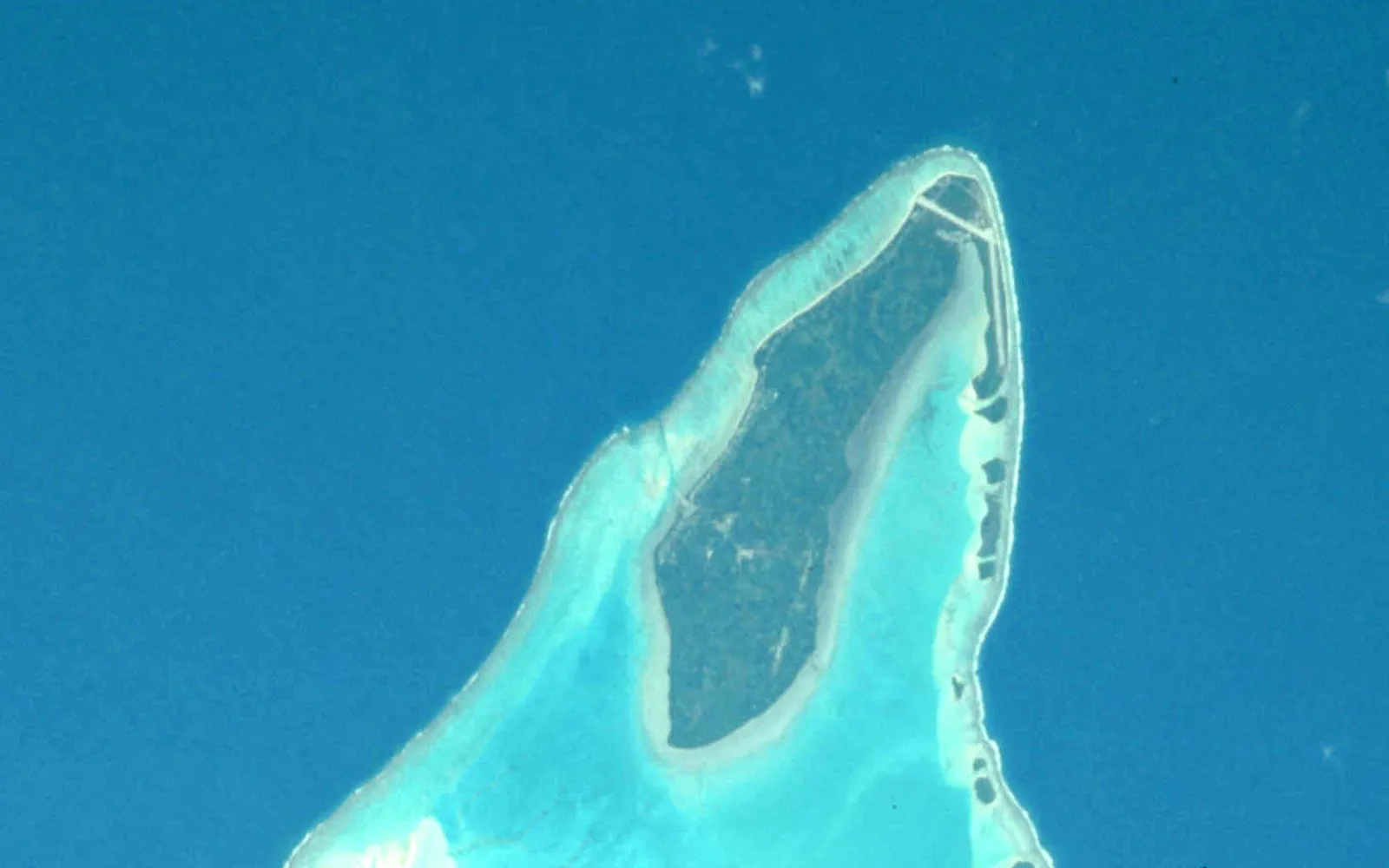
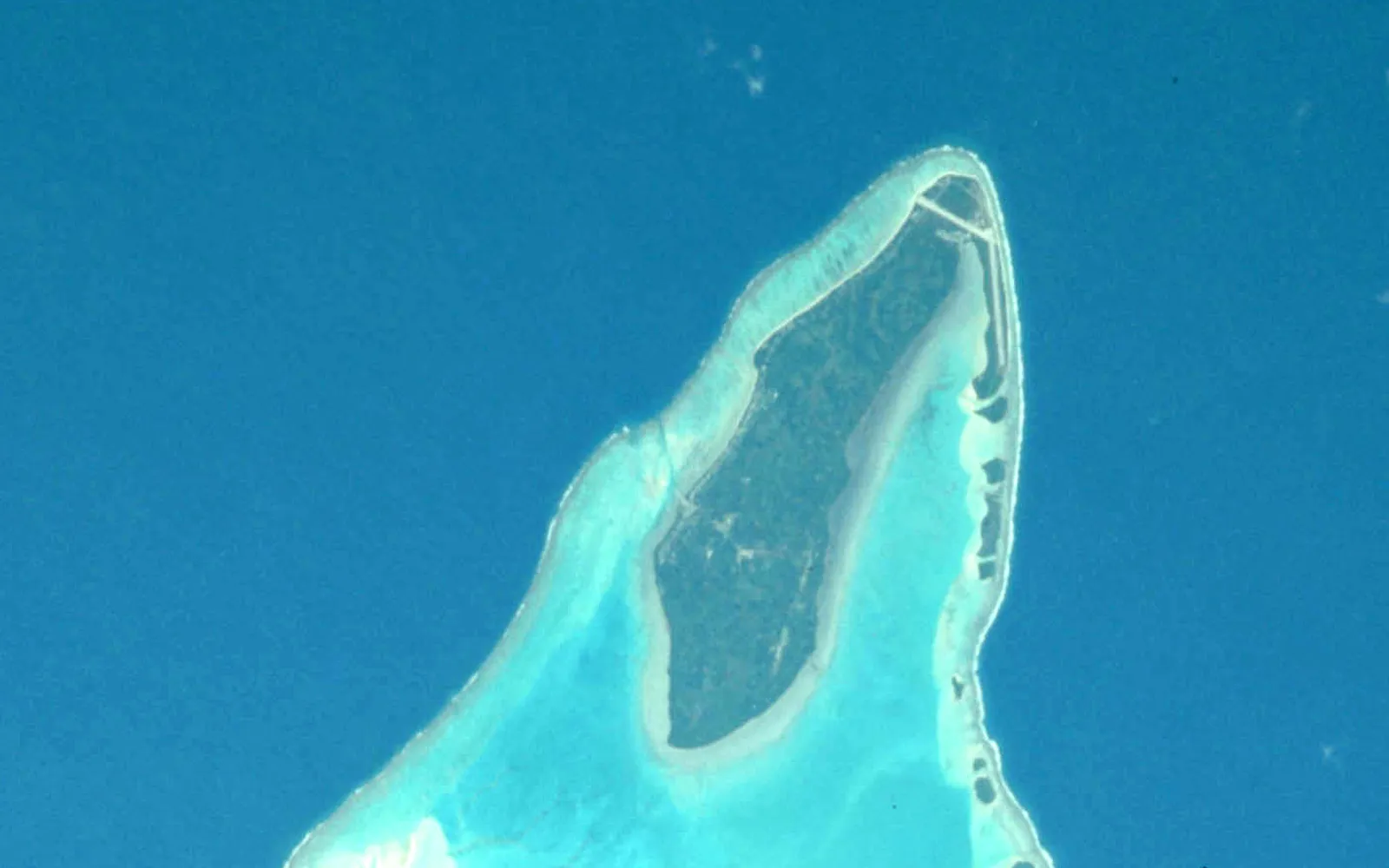
The Cook Islands are a Polynesian paradise that has kept its purity — the turquoise-and-emerald waters of Aitutaki Lagoon, ranked among the most beautiful in the world; the green mountains at the heart of Rarotonga ringed by coral beaches and clear water; snorkeling with sea turtles; the morning Punanga Nui Market; the marae and tangki culture; and an island-loop bus that winds past dreamy coconut groves.
Cook Islands at a glance
Choose a city in Cook Islands
Each city has its own things-to-do and food guides plus in-depth ranked hotel reviews with real photos and price comparison — start with the city that fits your trip.
Decide — is Cook Islands right for you?
Why people love Cook Islands, how it compares to its neighbors, and which travel style suits you
Aitutaki Lagoon
A shallow blue-green lagoon ringed by white sandbars, famed as one of the most beautiful in the world — you can cruise it all day.
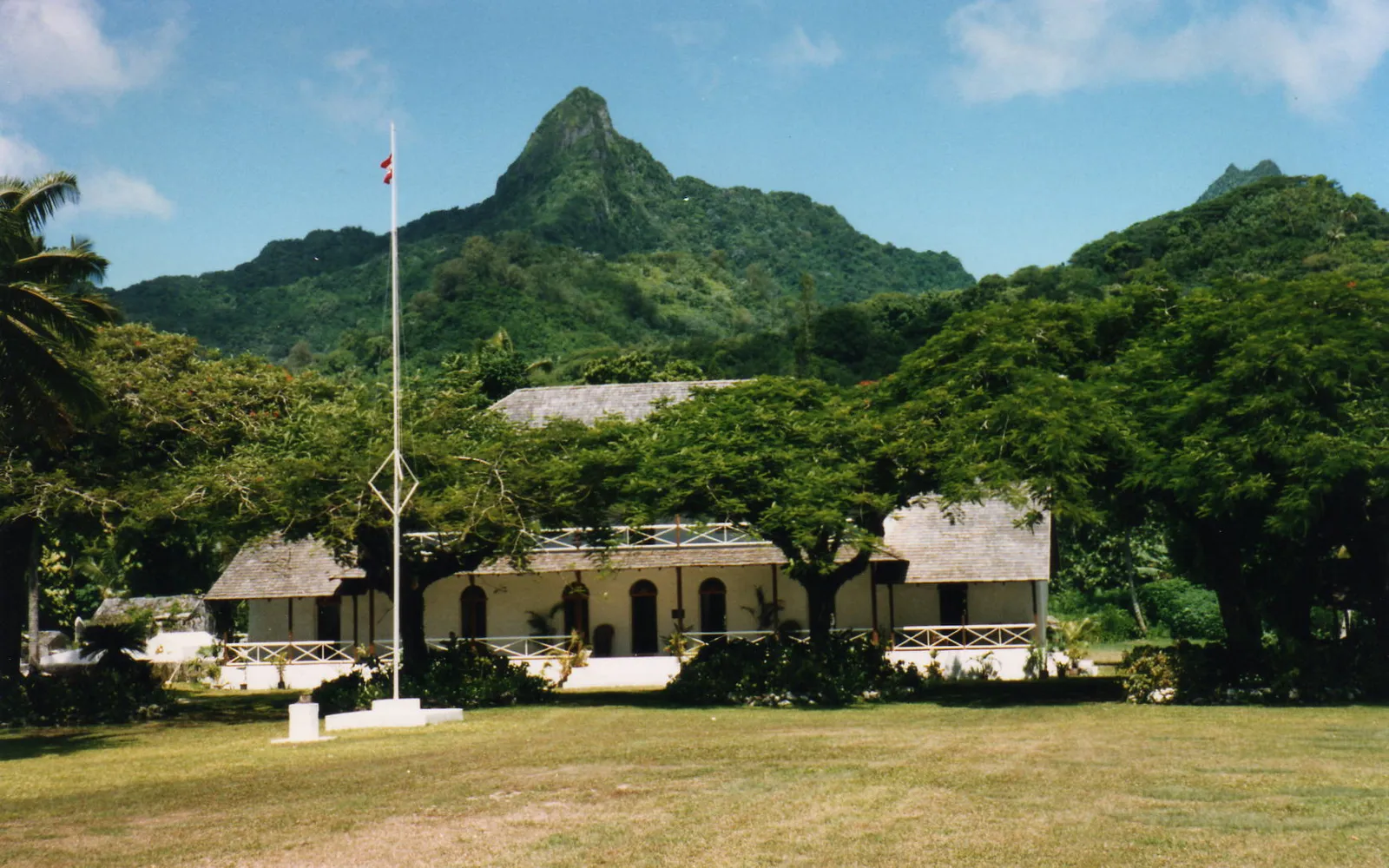
Rarotonga
The main island, with green mountains at its center and coral beaches all around, in clear water year-round — there's plenty to do.
Snorkel with sea turtles
The water is so clear that sea turtles are easy to find — you'll see them even in a shallow snorkel, amid healthy coral.
Marae culture
The marae ceremonial sites, the tangki dance, and living Polynesian music and crafts.
Punanga Nui Market
The Saturday-morning market in central Avarua, with tropical fruit, local food, handicrafts, and a warm atmosphere.
Island-loop bus
The cheap circular bus passes villages, gardens, and beaches around Rarotonga — a genuine local experience.
Cook Islands vs its neighbors
| Cook Islands | Fiji | French Polynesia | |
|---|---|---|---|
| Daily budget (per person) | $80–157 | $71–143 | $143–343 |
| Visa (Thai passport) | Check the latest rules | Check the latest rules | Check the latest rules |
| Known for | Lagoons · coral · Polynesia | Luxury resorts · culture | Overwater bungalows · Bora Bora |
| Currency | NZD | Fijian Dollar (FJD) | CFP franc (XPF) |
| Getting around | Loop bus · scooter | Cars · boats | Boats · small planes |
Figures are rough per-person, per-day estimates — your real budget depends on your travel style.
How do you travel?
Beach & lagoon chill
Rarotonga for 3 days + a flight to Aitutaki for 1–2 days, staying at a beachfront resort, snorkeling and relaxing.
See this plan → 🤿Snorkeling & coral
Snorkel and dive with sea turtles and coral around Rarotonga and Aitutaki Lagoon.
See this plan → 🥁Culture seekers
The Punanga Nui morning market, marae, the tangki dance, and village communities — an authentic Polynesian experience.
See this plan →Plan — stay, eat, see
Start with where to stay (the heart of the trip), then add food and sights, and gauge your daily budget.
Find the stay you want
1 ranked reviews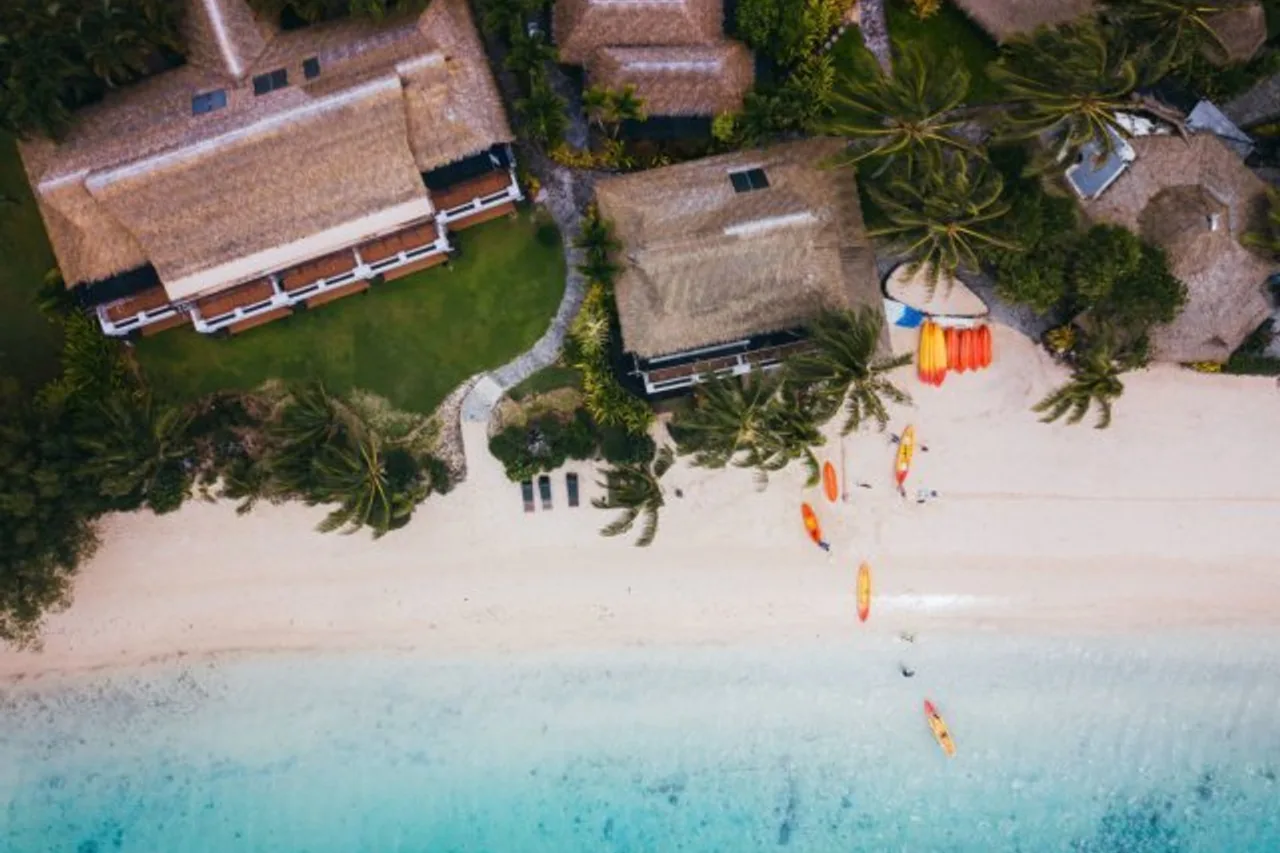
No reviews match these filters — try removing some.
- 1🐟
Ika Mata
Raw fish cured in lime with coconut milk and vegetables, like a Polynesian ceviche — fresh and bright.
📍 National dish - 2🥥
Coconut Dishes
Fresh coconut goes into curries, sauces, and drinks, from coconut palms grown in gardens across the island.
📍 Local flavors - 3🍠
Umu
Food cooked in a hot-stone pit — pork, taro, and sweet potato, served at community feasts and resorts.
📍 Feast - 4🦞
Fresh Seafood
Reef fish, lobster, and fresh shellfish from the seas of the Cook Islands, simply cooked and delicious.
📍 Seafood - 5🍹
Tropical Fruits
Papaya, mango, pineapple, and fresh noni from local gardens, sweet and delicious in every season.
📍 Dessert - 6🥤
Fresh Coconut Water
Coconuts cut fresh from the tree, drunk chilled to cool off in the heat — found at every market and beach.
📍 Drinks
- 1🏝️
Aitutaki Lagoon
A shallow blue-green lagoon ringed by white sandbars, ranked among the most beautiful in the world — cruise it for a full day.
📍 Aitutaki - 2🌋
Rarotonga
The main island, with green mountains and coral beaches all around, plus the Cross-Island Track hike over the peak.
📍 Rarotonga - 3🌺
Punanga Nui Market
A Saturday-morning local market with tropical fruit, handicrafts, and Polynesian food.
📍 Avarua - 4🪸
Muri Lagoon
A shallow lagoon on Rarotonga's east side where you'll find sea turtles and colorful coral.
📍 Rarotonga - 5🏛️
Marae Arai-Te-Tonga
An ancient Polynesian ceremonial site — a sacred place that remains well preserved.
📍 Culture - 6🛻
Island Circle Bus
A cheap circular bus around Rarotonga, passing villages, gardens, and beaches — a local experience.
📍 Rarotonga
🚆 Getting around Cook Islands
Island-loop bus
Two routes (clockwise and anticlockwise) circle Rarotonga; cheap and good enough for the main sights.
Scooter rental
Rent a scooter or motorbike to explore the island freely; the single ring road makes it easy to drive.
Inter-island flights
Air Rarotonga flies from Rarotonga to Aitutaki and other islands in about 45 minutes.
Inter-island boats
Some boat routes connect nearby islands — check the schedule in advance.
Rarotonga International Airport
RAR receives flights from Auckland, Australia, and Honolulu — the main gateway to the Cook Islands.
🛂 Etiquette & culture in Cook Islands
Polynesian hospitality
Islanders are warm and open; smiling and greeting one another is the norm, and community ties are strong.
Cover up at churches
Dress modestly when entering churches or sacred sites — cover your shoulders and legs.
Island time
Islanders keep a relaxed pace of life — don't rush, just unwind and soak up the local way of doing things.
Tangki dance and music
The tangki dance is an important Polynesian art form — watch a performance at festivals and resorts.
Respect nature
Islanders treasure the coral and the sea; don't step on the coral or take marine life out of the water.
💸 Daily budget — a rough guide
Budget
🛏️ Guesthouse / community bungalow $43–85
Use the loop bus, eat at Punanga Nui Market, and snorkel off the beach yourself — no tour needed.
Comfortable
🛏️ 3–4★ hotel / beachfront $100–170
An Aitutaki lagoon tour, guided snorkeling, and good seafood restaurants.
Premium
🛏️ Luxury beach resort $200+
Overwater bungalows, spa, private tours, and special dive trips.
🗓️ When to visit Cook Islands
Dry season
Apr – OctDry weather with mild temperatures of 20–26°C and clear seas — great for snorkeling and lagoons, and the best time overall.
Early summer
May – JunJust before peak season, with fewer tourists, better hotel prices, and the sea still beautiful.
Wet season
Nov – MarHot and humid with some tropical rain and occasionally rougher seas, but lower prices and fewer crowds.
Te Maeva Nui Festival
Jul – AugThe national independence festival, with dance, music, and colorful parades — a special atmosphere.
Book — hotels our team picked
If we had to pick just a few, we'd start with these three — compare prices across 3 sites.
Want to see every option in Cook Islands?
Browse all our ranked stay reviews — every budget and area, with real photos and price comparison.
View the top city guide →FAQ — visiting Cook Islands
How many days do you need in the Cook Islands?+
5–7 days — Rarotonga 3–4 days (beaches, snorkeling, culture) + a flight to Aitutaki for 1–2 days to see the lagoon, covering both main islands.
Do Thai passport holders need a visa?+
Check the latest rules (many nationalities can enter visa-free for short stays) — confirm with the New Zealand embassy or the official Cook Islands site before you travel.
How do you get to the Cook Islands?+
Fly direct or connect via Auckland (New Zealand) or Sydney (Australia); there are also direct flights from some Pacific cities — check airlines in advance.
Which season is best to visit?+
April to October, the dry season, with cool, pleasant weather and clear seas, great for snorkeling and lagoons — July and August also bring the Te Maeva Nui Festival.
Tips before you go to Cook Islands
- Book the Aitutaki lagoon tour ahead (boats run daily but seats are limited).
- Rent a scooter around Rarotonga — the single ring road is easy and relaxing to drive.
- Punanga Nui Market opens on Saturday mornings; go early for the freshest, best produce.
- NZD is accepted everywhere, and cards work at hotels and larger shops.
- Don't step on or touch the coral, to protect the lagoon ecosystem.
- Check the Air Rarotonga schedule before planning a trip to Aitutaki — flights are limited.