Where to stay in Sucre — pick the right hotel, book in 3 clicks
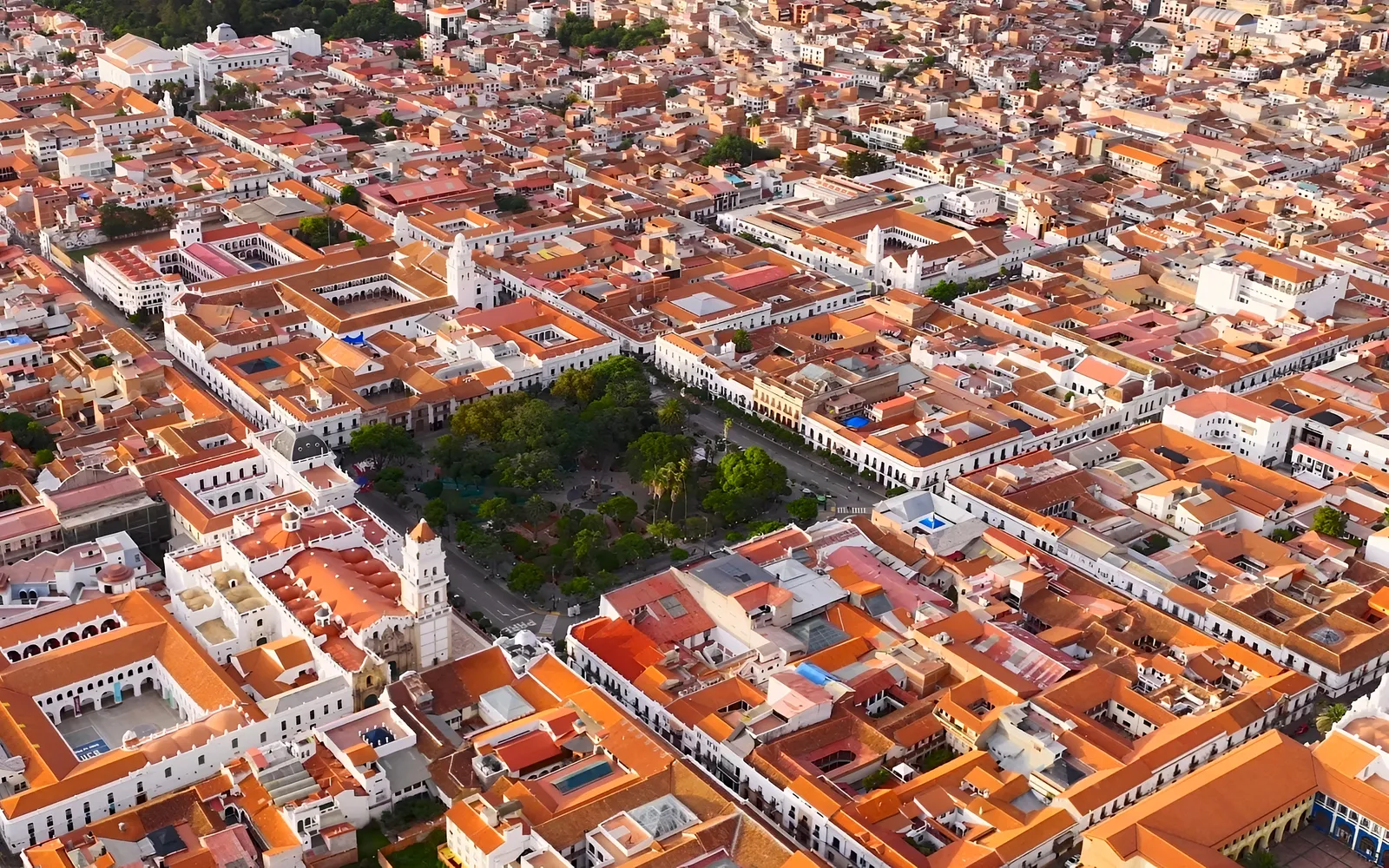
Sucre is Bolivia's constitutional capital and arguably the prettiest city in the country. Locals call it "La Ciudad Blanca" — the White City — because by law the buildings in the old town are kept whitewashed. Wander the historic center and you step straight into Spanish colonial South America: plazas, churches, wooden balconies and flower-filled courtyards, the whole district a UNESCO World Heritage Site since 1991. At 2,790m it's high but gentle, with mild spring-like weather year-round, low prices and a relaxed pace — which is why backpackers and Spanish-language students love it. This guide covers the real neighborhoods, sights and food of Sucre, and helps you pick the right place to stay.
Why stay in Sucre
A UNESCO old town
The entire historic center has been World Heritage-listed since 1991 — whitewashed colonial buildings, churches, convents and the leafy Plaza 25 de Mayo at its heart. It's a city you explore on foot all day without getting bored.
Bolivia's best weather
At 2,790m it sits far lower than La Paz or Potosí, with comfortable 21–24°C days almost year-round — neither hot nor harsh. It makes an easy place to acclimatize to altitude.
Excellent value
Lodging, food and tours cost a fraction of many South American cities, which is exactly why backpackers and long-stay Spanish students base themselves here.
Variety from one base
From the world's largest set of dinosaur footprints at Cal Orcko to the colorful Tarabuco market, the La Glorieta castle and treks into the Maragua crater — history, culture and nature are all within reach.
Pick an area first — where to stay in Sucre
Location is the single most important thing about a hotel — choose the right area first, then pick the hotel
Historic Center (Centro Histórico)The heart of the city around Plaza 25 de Mayo — whitewashed UNESCO streets, walkable to every sight, packed with restaurants and cafes. Best base for a first visit.
Coming soonLa RecoletaOn the hill above town with the best panoramic views, an old convent and lookout cafes. Lodging here is quieter and more boutique — great for couples and calm-seekers.
Coming soonSouth of the Plaza / San LuisJust south of the main square — quieter streets, still walkable to the old town, with colonial houses turned into boutique hotels and guesthouses. Good for families and longer stays.
Coming soonUniversity AreaAround the San Francisco Xavier university — a youthful, student feel with cheap cafes and eateries and budget lodging. Ideal for backpackers and language students.
Coming soonRanked reviews — find your ideal stay in Sucre
Start with where to stay (the heart of the trip), then explore food and sights
Find the right Sucre hotel for you
1 ranked reviewsNo reviews match these filters — try removing one or two
Local dishes to try in Sucre
- 1🌭
Chorizo Chuquisaqueño
A robust, spiced pork sausage with German roots that adapted to local cuisine. Usually eaten as a sandwich tucked into bread with lettuce, onion and tomato — find it at the city's central market.
📍 Sucre's signature - 2🍲
Mondongo Chuquisaqueño
Sucre's signature comfort food: crispy fried pork (chicharrón) in a rich red ají chili sauce, served with corn and potatoes. Hearty and bold — one of the dishes the city is proudest of.
📍 A local comfort dish - 3🥟
Salteñas
Baked pastries filled with a slightly sweet, spicy stew of beef or chicken, potatoes, peas and a soft broth, sometimes with egg or olive. Crisp outside, juicy inside — a quintessential mid-morning bite.
📍 Bolivia's morning snack - 4🥜
Sopa de Maní
A rich ground-peanut soup with meat, potatoes and pasta, topped with crispy shoestring fries. A warming Andean classic that hits the spot in cool, high-altitude Sucre.
📍 Regional soup - 5☕
Api con Pastel
A hot purple-corn drink sweetened with cinnamon and clove, served with a crisp fried, sugar-dusted pastry. A beloved market breakfast that warms you up on chilly mornings.
📍 Warm morning drink - 6🥧
Tucumanas
Similar to salteñas but deep-fried until crisp, sold from carts and spots like Condor Café and served with an array of sauces. A favorite late-morning street snack.
📍 Fried savory pastry
- 1🤍
Plaza 25 de Mayo
The city's central square, ringed by its most important buildings — the cathedral, government offices and Casa de la Libertad. Shaded by big trees and lined with benches where locals gather, it's the best place to start exploring.
📍 Heart of the old town - 2🏛️
Casa de la Libertad
Bolivia's most historically significant building, where the Declaration of Independence was signed on 6 August 1825. Originally built by the Jesuits in 1621, it's now a museum preserving the original documents and the country's turbulent road to nationhood.
📍 Where independence was signed (1825) - 3🦕
Cal Orcko (Parque Cretácico)
A limestone cliff holding more than 5,000 dinosaur footprints from at least eight species, dating back around 68 million years — the largest concentration on Earth. The Parque Cretácico museum runs tours right up to the wall.
📍 World's largest dinosaur tracks - 4⛪
Metropolitan Cathedral
On Plaza 25 de Mayo, built between 1559 and 1712, blending Renaissance and Baroque styles. It even keeps a working clock brought from London in 1722, plus a religious-art museum inside.
📍 Renaissance-Baroque - 5🌅
La Recoleta
A former monastery on the hillside south of the center, offering the best panorama over the white city's terracotta rooftops. The stone arches make a classic photo spot, and golden hour here is spectacular.
📍 City viewpoint - 6🌹
Convento de San Felipe Neri
An old convent built in 1799 whose accessible rooftop gives a 360-degree view over the domes and tiled roofs of the old town. The inner courtyards are filled with roses and poinsettias — some of the best views in town.
📍 360° rooftop views - 7🏰
Castillo de La Glorieta
A late-19th-century castle mixing Mudéjar, neoclassical, Baroque and neo-Gothic styles, once home to the Argandoña family who were granted princely titles by the Pope. It sits just outside the city to the south.
📍 An eclectic castle - 8🧶
Tarabuco Market
A village 60km from Sucre famous for its vivid Sunday market, where indigenous communities show off traditional dress, woven textiles, ponchos and leather hats — the place to buy authentic regional crafts.
📍 Sunday indigenous market
Things to do in Sucre
Day tours, attraction tickets and travel essentials for Sucre — book ahead on Klook with mobile e-tickets.
Affiliate links — we may earn a commission at no extra cost to you.
3 Sucre hotels our team picked for you
Selected from real reviews — one per budget tier, each with a score and instant 3-site price comparison
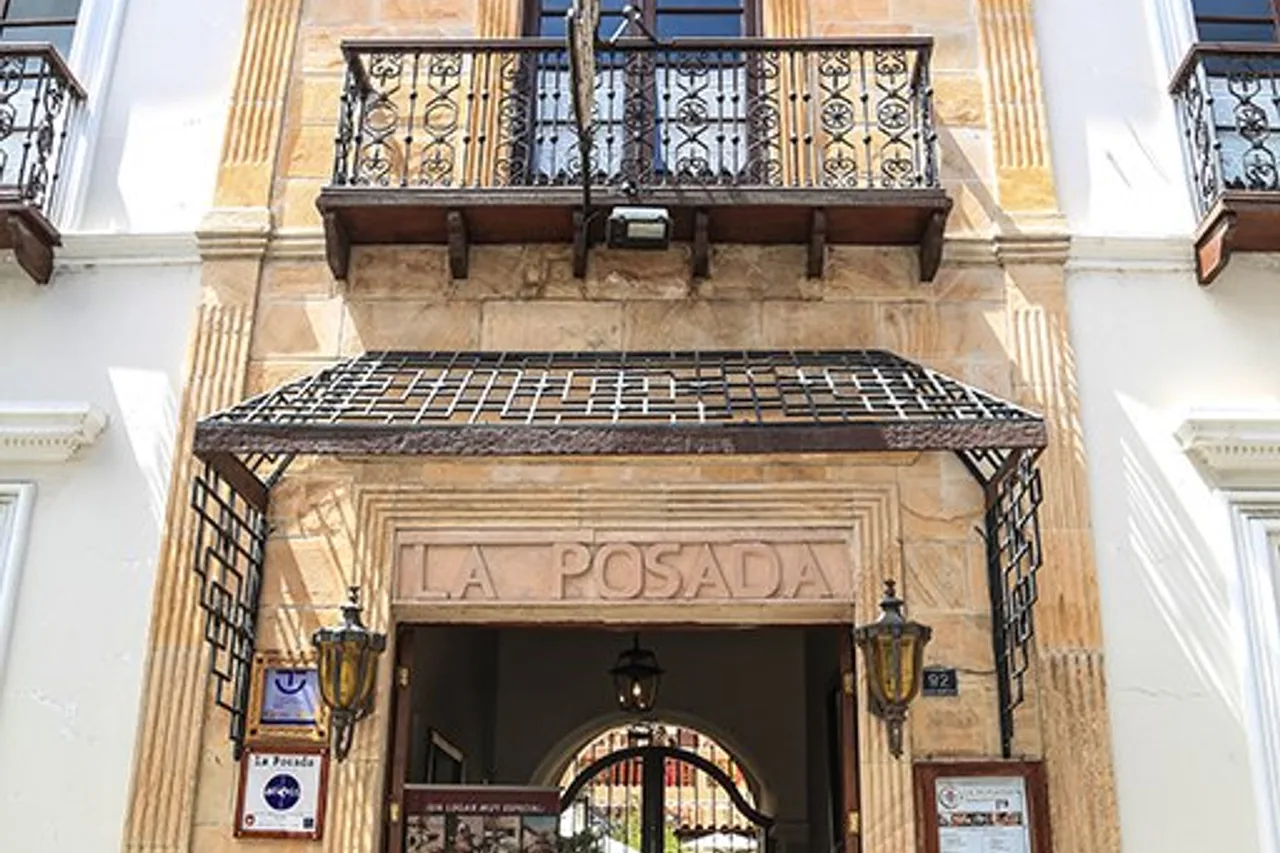 ★ 9.3Upper-mid
Hotel Boutique La Posada
#4 colonial boutique · half a block from Plaza 25 de Mayo
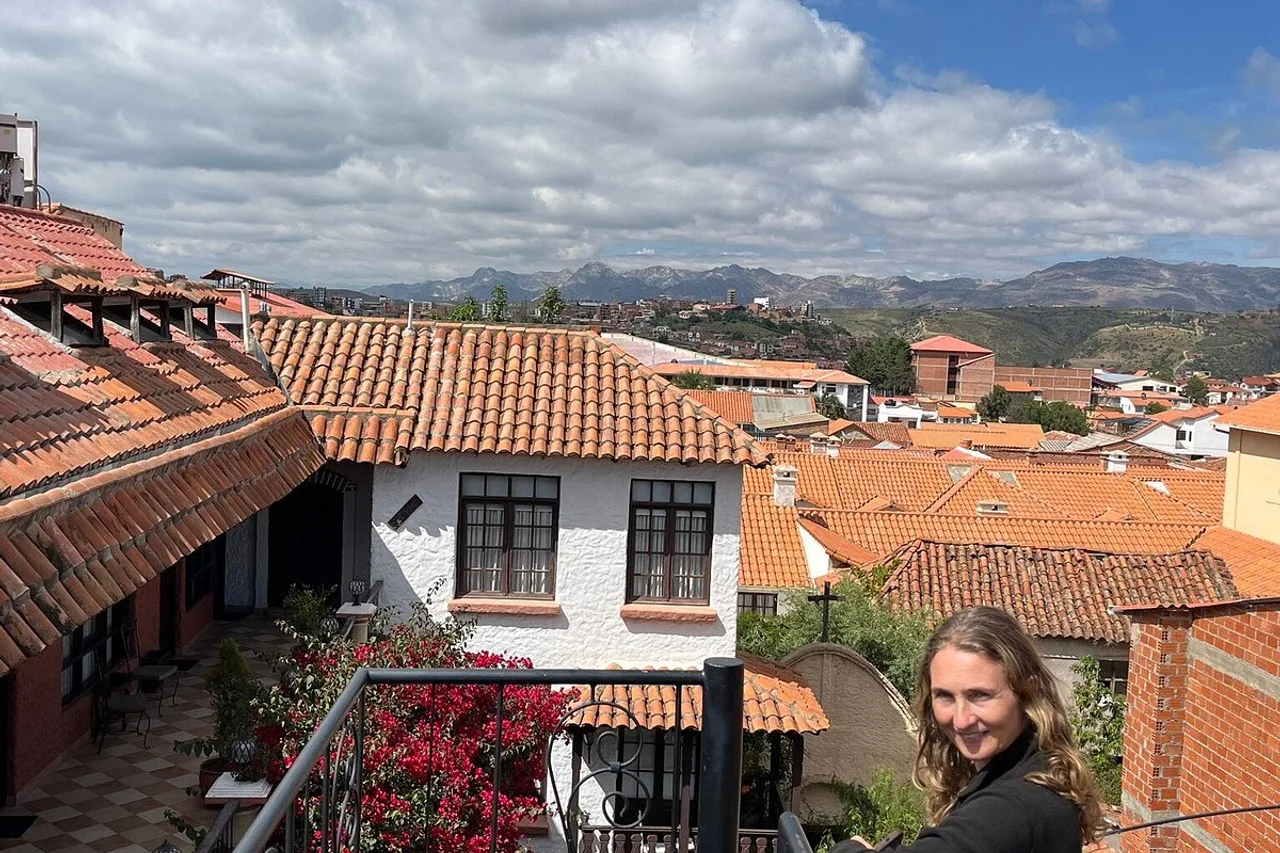 ★ 9.2Upper-mid
El Hotel de Su Merced
200-year colonial mansion, #1 rated in Sucre
★ 9.1LuxuryMi Pueblo Samary Hotel Boutique
#1 luxury boutique · heart of the Centro Historico
โรงแรมแนะนำทั้งหมดในSucre
ครบทุกระดับงบ — คัดจากคะแนนรีวิวจริง พร้อมเทียบราคา 3 เว็บ
El Hotel de Su Merced
#3 heritage boutique · heart of the old town
Villa Oropeza Guest House
Budget guest house with BBQ garden, clean and central
Hotel Villa Antigua
#5 Colonial boutique · heart of the White City
Parador Santa Maria La Real
#2 Historic boutique · heart of the old town
Haven't found the one? Search all 3 sites yourself
Compare real-time room availability for your Sucre dates
🚆 Getting around Sucre
Alcantarí Airport (SRE)
The main airport, opened in 2016, sits about 30km south of the city. Boliviana de Aviación and EcoJet run domestic flights to La Paz, Santa Cruz and Cochabamba. Take a taxi or shared van into town. (The old Juana Azurduy airport is now closed to commercial flights.)
Bus Terminal
About 1.5km northeast of the center, with long-distance buses to Potosí, La Paz, Cochabamba and Santa Cruz. Tickets are sold at counters inside the terminal.
Walking the old town
The historic center is compact and the main sights are all walkable from Plaza 25 de Mayo. Streets are cobbled and a bit hilly, so comfortable shoes help — especially while you adjust to the altitude.
Taxis & radio taxis
City taxis are cheap, often with a flat in-town fare. Agree the price before getting in or book a radio taxi — handy for trips up to Cal Orcko or La Recoleta.
Cash in Bolivianos (BOB)
The boliviano is king; most small shops and markets are cash-only. Withdraw enough from in-town ATMs (the airport has none). Cards work only at hotels and larger establishments.
Where to go next near Sucre
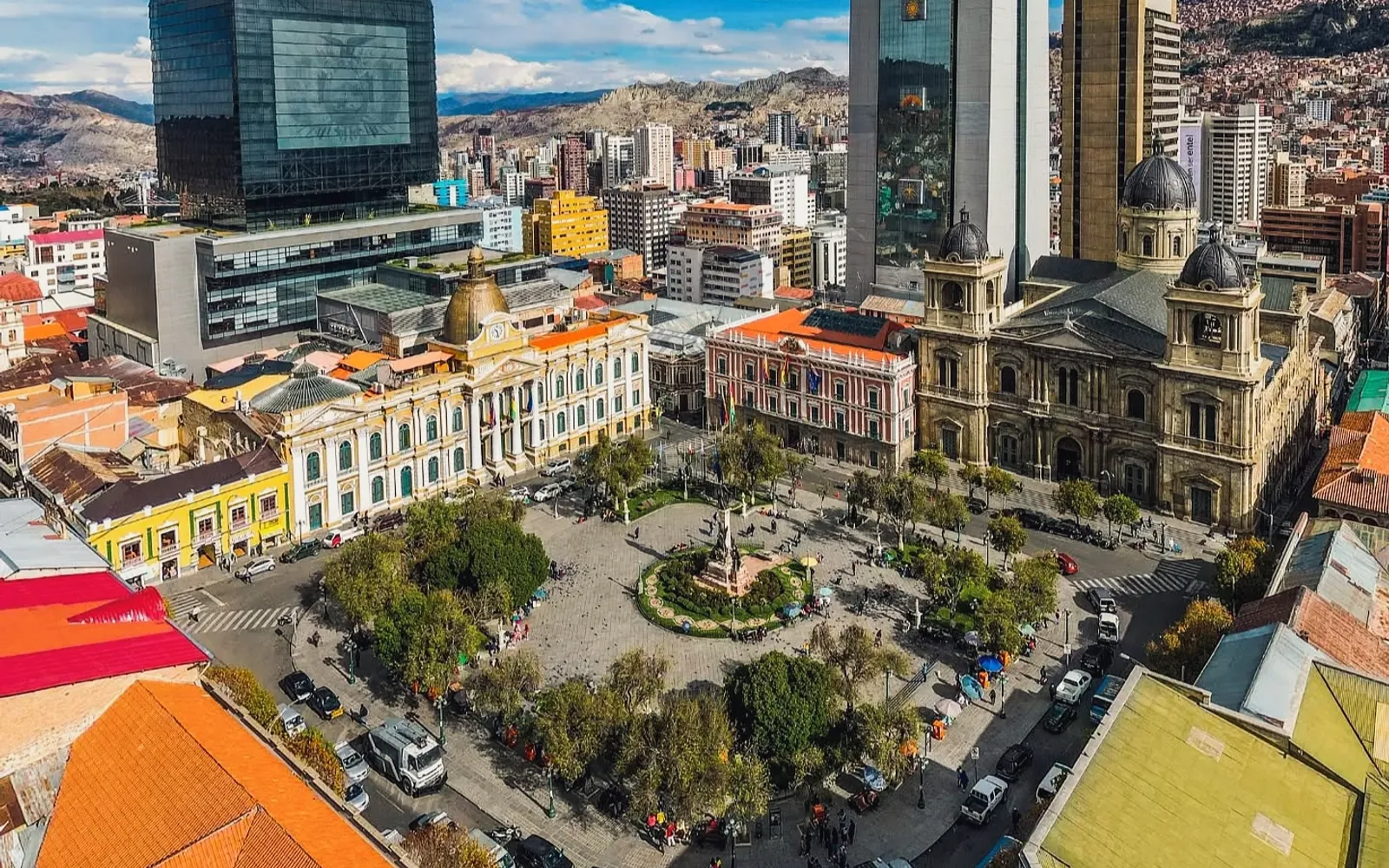 La Paz
Where to stay in La Paz, Bolivia — the world's highest capital — plus real attractions, food, neighbourhoods, and how to get around.
See this city's guide →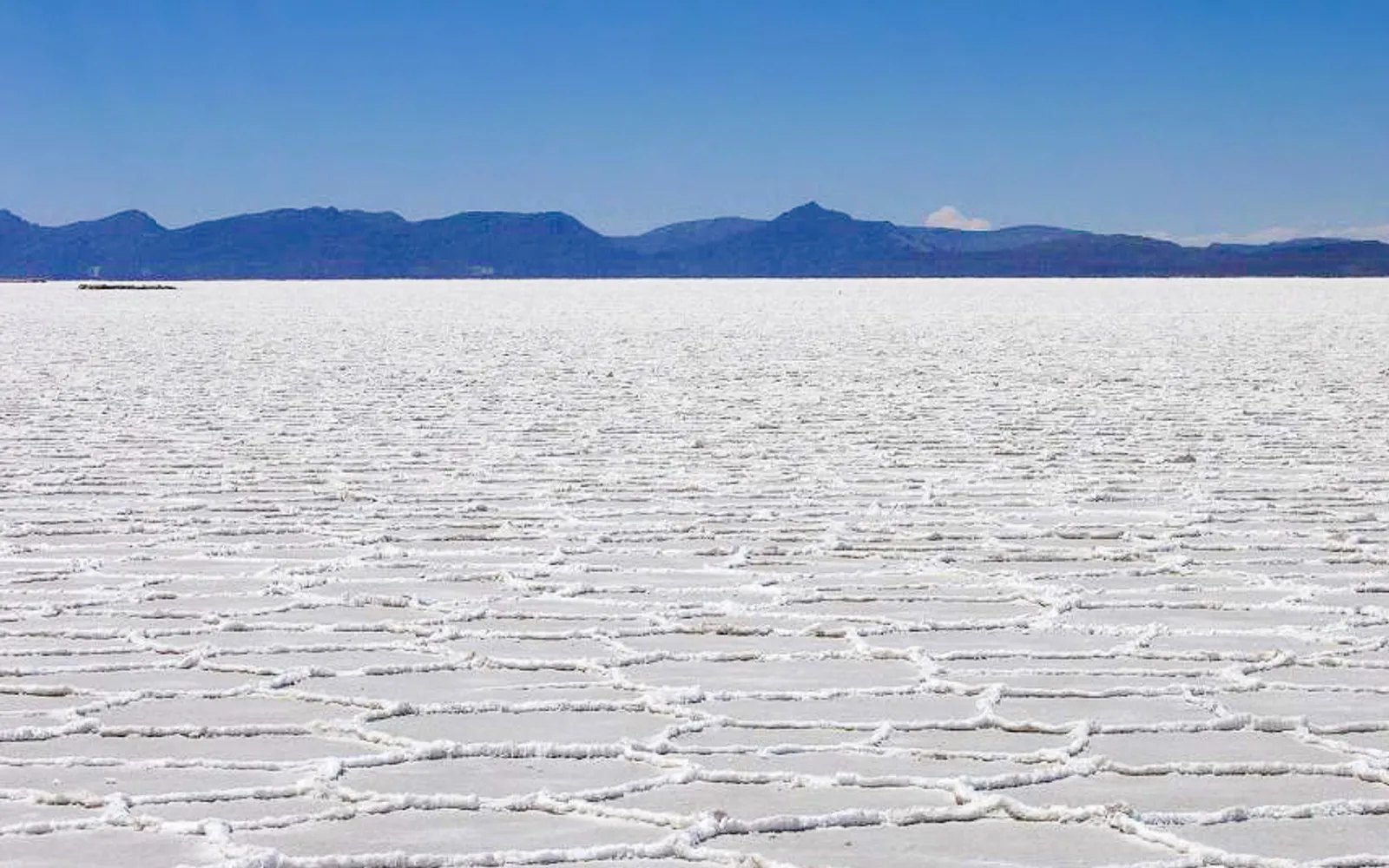 Uyuni
UyuniA small high-altitude town in southern Bolivia — gateway to the Uyuni salt flat, the world's largest natural mirror, and a desert of vivid colored lagoons.
See this city's guide →Frequently asked — where to stay in Sucre
Is Sucre really the capital of Bolivia?+
Yes — Sucre is the constitutional capital of Bolivia and home to the Supreme Court. However, the executive and legislature sit in La Paz, which is why many assume La Paz is the capital. In practice Bolivia has two capitals.
Will I get altitude sickness at 2,790m?+
Sucre sits much lower than La Paz (3,640m) or Potosí (4,000m), so most people acclimatize easily and altitude sickness is uncommon. Drink plenty of water, take it slow on day one, and you'll be fine — many travelers use Sucre to acclimatize before higher cities.
When is the best time to visit Sucre?+
The best window is the dry season, May to October — clear skies, little rain, ideal for exploring the old town and the Sunday Tarabuco market. January and February are the wettest months. Daytime temperatures stay a comfortable 21–24°C year-round.
Ready to book your Sucre stay?
Start with the 3 hotels our team picked, or search all 3 sites — always compare before booking