Where to stay in Punakha — pick the right hotel, book in 3 clicks
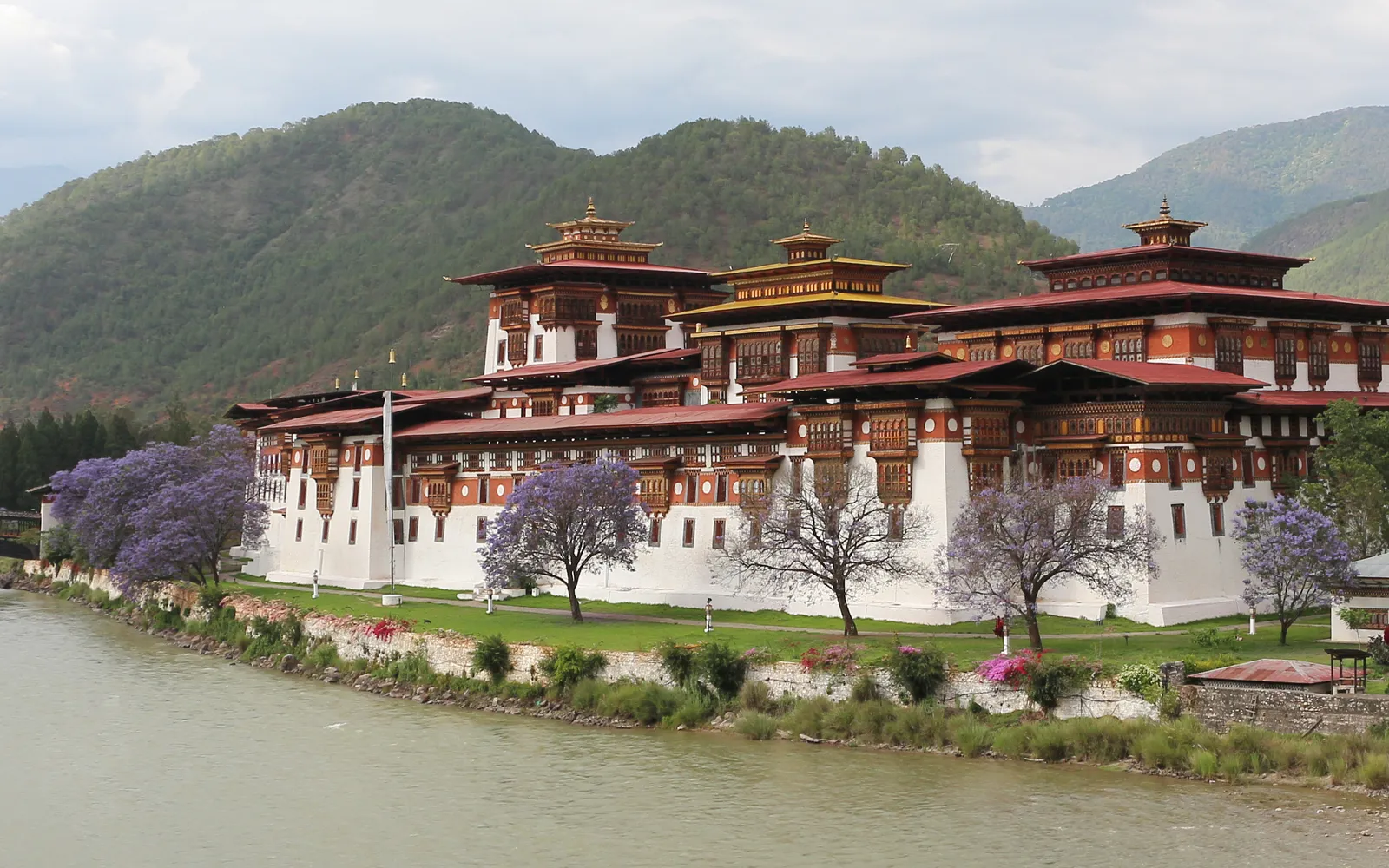
Punakha is Bhutan's former capital, spread across a wide, fertile valley where two rivers meet — the Pho Chhu (father) and Mo Chhu (mother). Its centerpiece is the Punakha Dzong, widely called the most beautiful fortress-monastery in the country, rising above the water at the confluence. Around it you'll find Bhutan's longest suspension bridge, hilltop temples, and rice terraces climbing the slopes. Sitting roughly 1,200 m lower than Thimphu, Punakha enjoys the warmest climate on Bhutan's main tourist circuit — an easy place to slow down after the higher mountain towns. The TopOfHotel team has gathered riverside and valley stays for every style.
Why stay in Punakha
Bhutan's finest dzong
Punakha Dzong sits at the confluence of two rivers — architecturally stunning and the winter seat of the Chief Abbot.
Warm, gentle climate
Far lower than Thimphu, this is the warmest valley on the main circuit — pleasant even in the cooler months.
Terraces and nature
A green valley of rice terraces, riverside villages, and distant Himalayan ridgelines.
River adventures
Gentle rafting on the Mo Chhu — beginner- and family-friendly — drifting past forests and beneath the dzong.
Pick an area first — where to stay in Punakha
Location is the single most important thing about a hotel — choose the right area first, then pick the hotel
Mo Chhu RiversideDzong views · luxury resorts · quiet
Coming soonLobesa VillageMid-valley · near Chimi Lhakhang · boutique
Coming soonKhuruthang TownNear the dzong · guesthouses · easy on the wallet
Coming soonWangdue PhodrangNext valley over · second dzong · easy add-on
Coming soonRanked reviews — find your ideal stay in Punakha
Start with where to stay (the heart of the trip), then explore food and sights
We're rolling out Punakha stay reviews — meanwhile search Punakha hotels across all 3 sites now
Local dishes to try in Punakha
- 1🌶️
Ema Datshi
Bhutan's fiery national dish — fresh chilies stewed with rich yak cheese, served at nearly every meal.
📍 National dish - 2🍚
Red Rice
Nutty, earthy red rice grown in the valley — the perfect foil to spicy ema datshi and a fixture on every plate.
📍 Staple side - 3🥔
Kewa Datshi
Potatoes simmered with cheese and a touch of chili — milder than ema datshi and great for spice-shy travelers.
📍 Cheese dish - 4🍄
Shamu Datshi
Mushrooms cooked in cheese — especially good in the rainy season when wild mushrooms fill the valley.
📍 Mushroom dish - 5🥟
Momos
Himalayan-style steamed dumplings filled with vegetables or meat — a tasty snack or light meal.
📍 Popular snack - 6🫕
Local Valley Greens
Local greens cooked with cheese or chili, drawn from valley plots — fresh and largely organic in true Bhutanese fashion.
📍 Seasonal
- 1🏯
Punakha Dzong
Fortress-monastery built in 1637 at the meeting of the Pho Chhu and Mo Chhu — often called Bhutan's most beautiful dzong and the winter residence of the Chief Abbot.
📍 Center - 2🌉
Punakha Suspension Bridge
Bhutan's longest suspension bridge at roughly 350 m, draped in fluttering prayer flags and swaying above the Pho Chhu with sweeping dzong views.
📍 Over the Pho Chhu - 3🛕
Chimi Lhakhang
The famous fertility temple dedicated to Lama Drukpa Kunley, the 'Divine Madman' — a short walk across rice fields up a gentle hillock.
📍 Lobesa - 4🏔️
Khamsum Yulley Namgyal Chorten
A three-tiered stupa reached by a roughly 1-hour uphill hike through fields, rewarded with panoramic views over the Punakha Valley.
📍 Above the valley - 5🛶
Mo Chhu River Rafting
Gentle to moderate rapids suited to beginners and families, floating past forest, traditional houses, and under Punakha Dzong.
📍 Activity - 6🌸
Jacaranda Blooms
Around mid-May the jacaranda trees ringing the dzong burst into purple bloom — one of Bhutan's most photographed scenes.
📍 May - 7⛰️
Talo Monastery
A ridge-top monastery and nunnery overlooking the Punakha and Wangdue valleys, known for its flower gardens and peaceful setting.
📍 Talo Village - 8🏰
Wangdue Phodrang Dzong
A ridge-top dzong above the river confluence in the neighboring valley — an easy stop en route or an add-on day from Punakha.
📍 Next valley
Things to do in Punakha
Day tours, attraction tickets and travel essentials for Punakha — book ahead on Klook with mobile e-tickets.
Affiliate links — we may earn a commission at no extra cost to you.
3 Punakha hotels our team picked for you
Selected from real reviews — one per budget tier, each with a score and instant 3-site price comparison
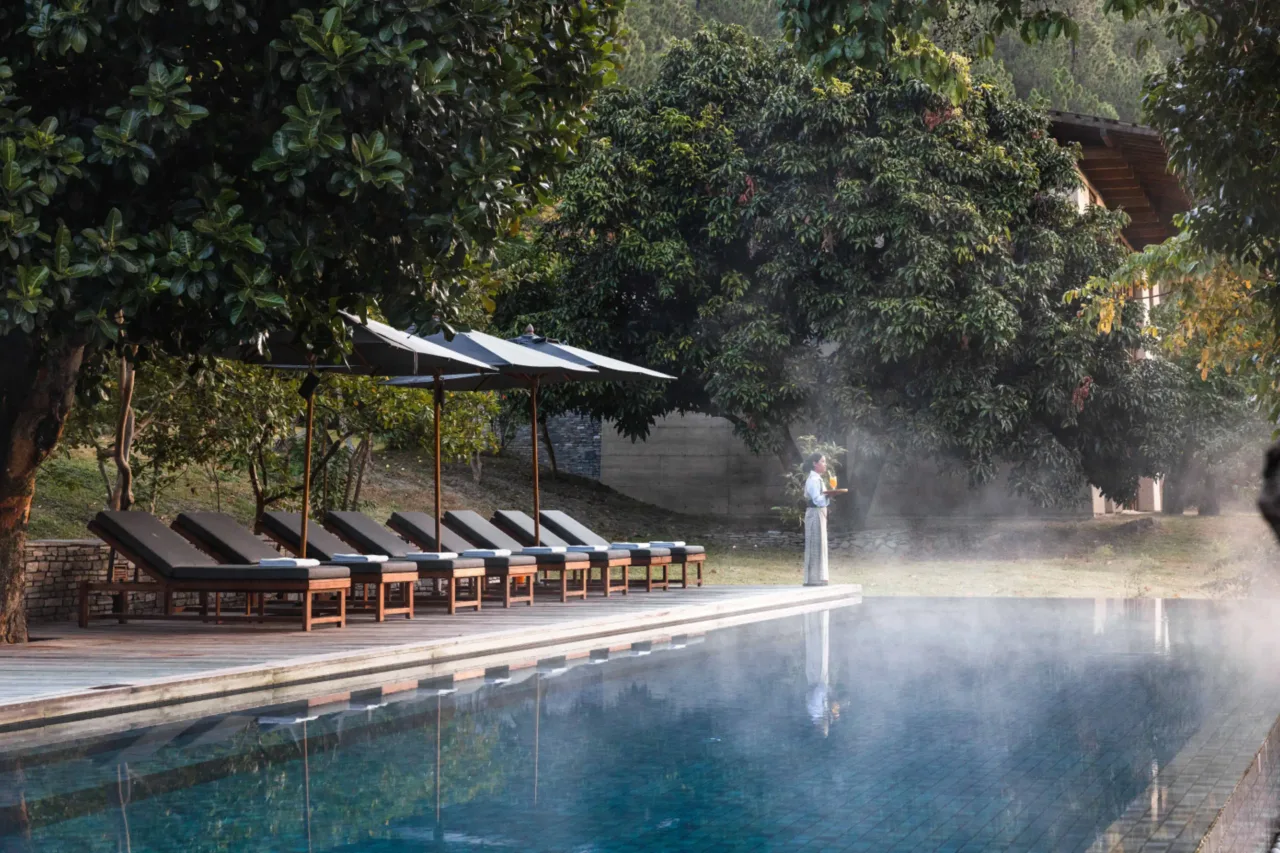 ★ 9.4Luxury
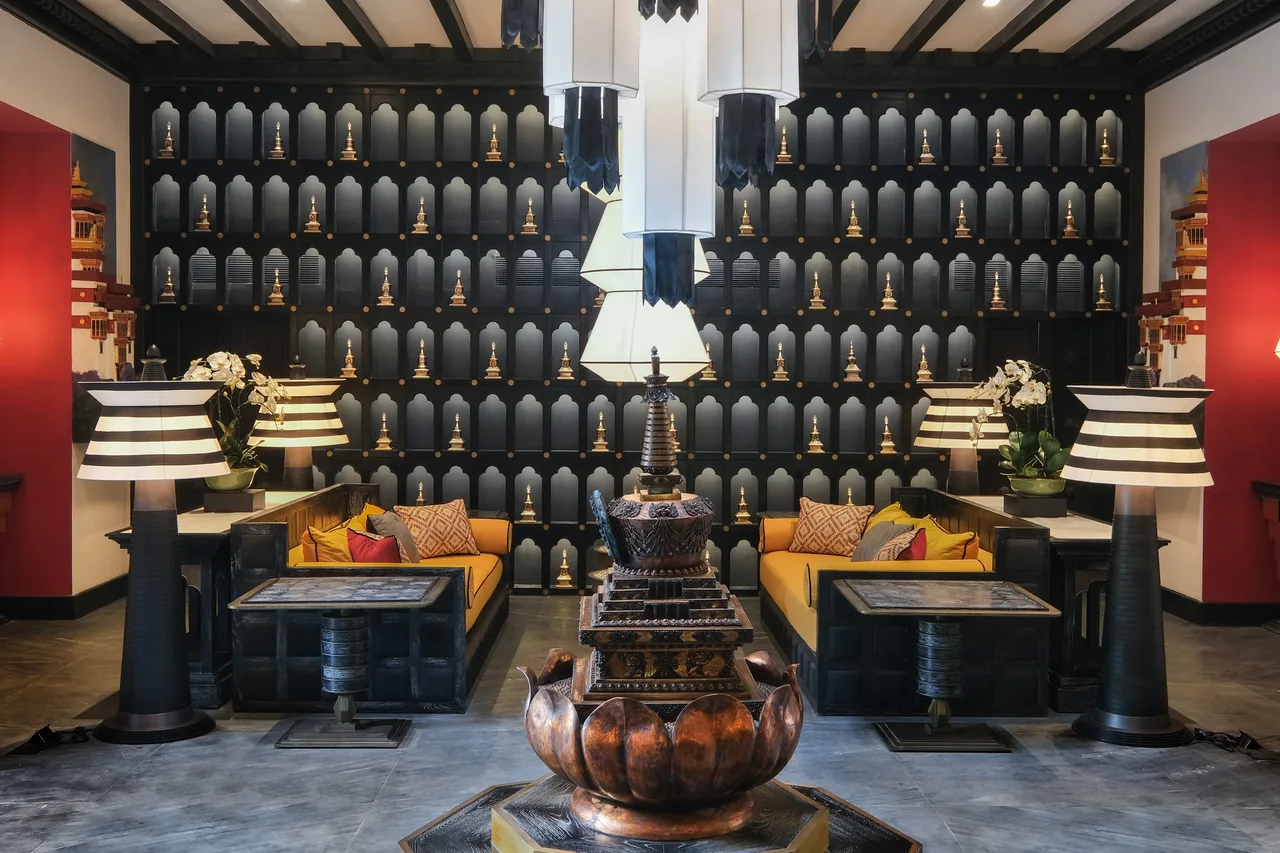 ★ 9.4Luxury
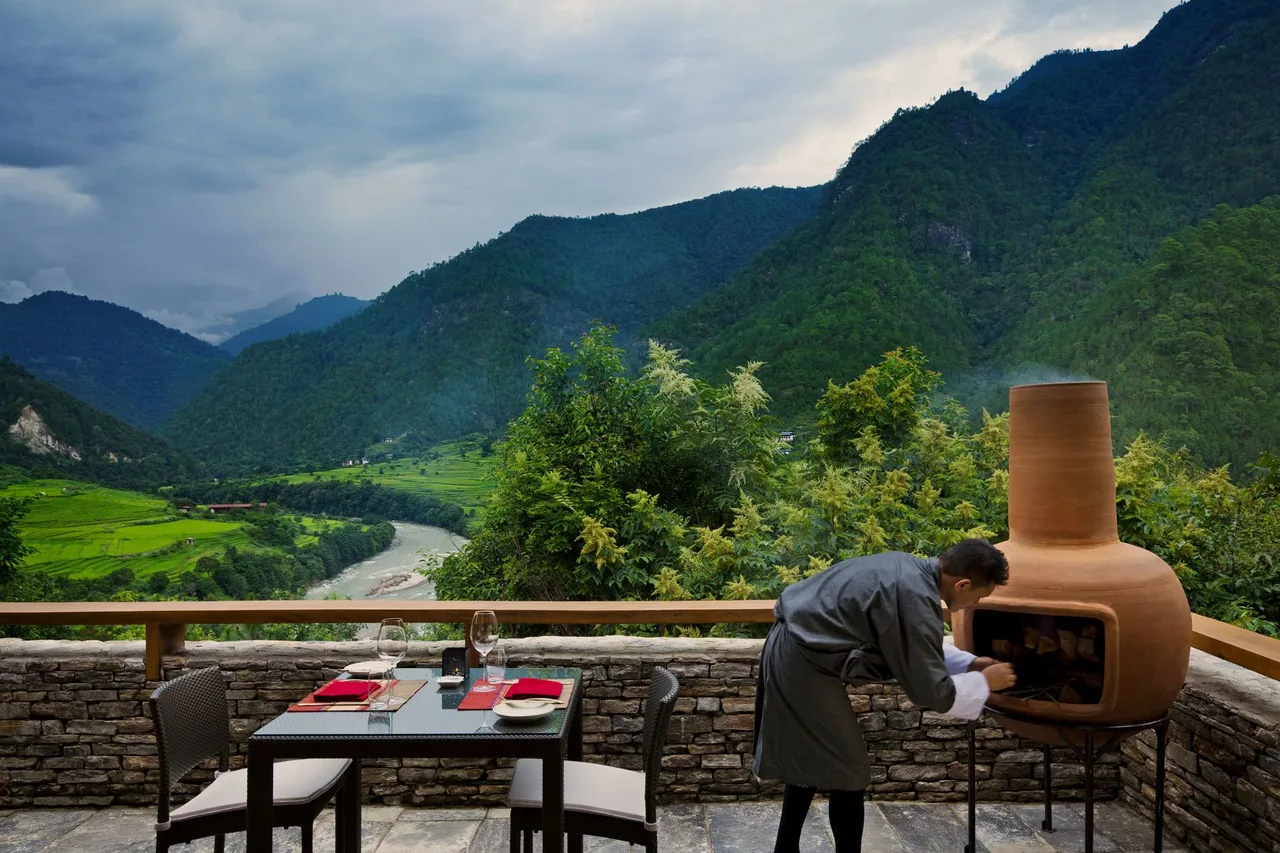 ★ 9.3Luxury
โรงแรมแนะนำทั้งหมดในPunakha
ครบทุกระดับงบ — คัดจากคะแนนรีวิวจริง พร้อมเทียบราคา 3 เว็บ
Haven't found the one? Search all 3 sites yourself
Compare real-time room availability for your Punakha dates
🚆 Getting around Punakha
~3 hrs from Thimphu
Punakha has no airport; it's a ~65 km drive from Thimphu over Dochula Pass (3,100 m) with sweeping Himalayan views.
Fly into Paro
The country's gateway is Paro Airport; Punakha is about 120 km (~4 hrs) from Paro, passing through Thimphu.
Guide and driver required
Foreign visitors travel through a tour package with a guide and driver arranged throughout — no self-driving needed.
$100/night SDF
The Sustainable Development Fee is USD 100 per person per night, paid in advance as part of your package.
Cross-district permits
Leaving Thimphu/Paro requires a permit, checked at Hongtsho before Dochula Pass — your guide handles it; stamps are needed both ways.
Where to go next near Punakha
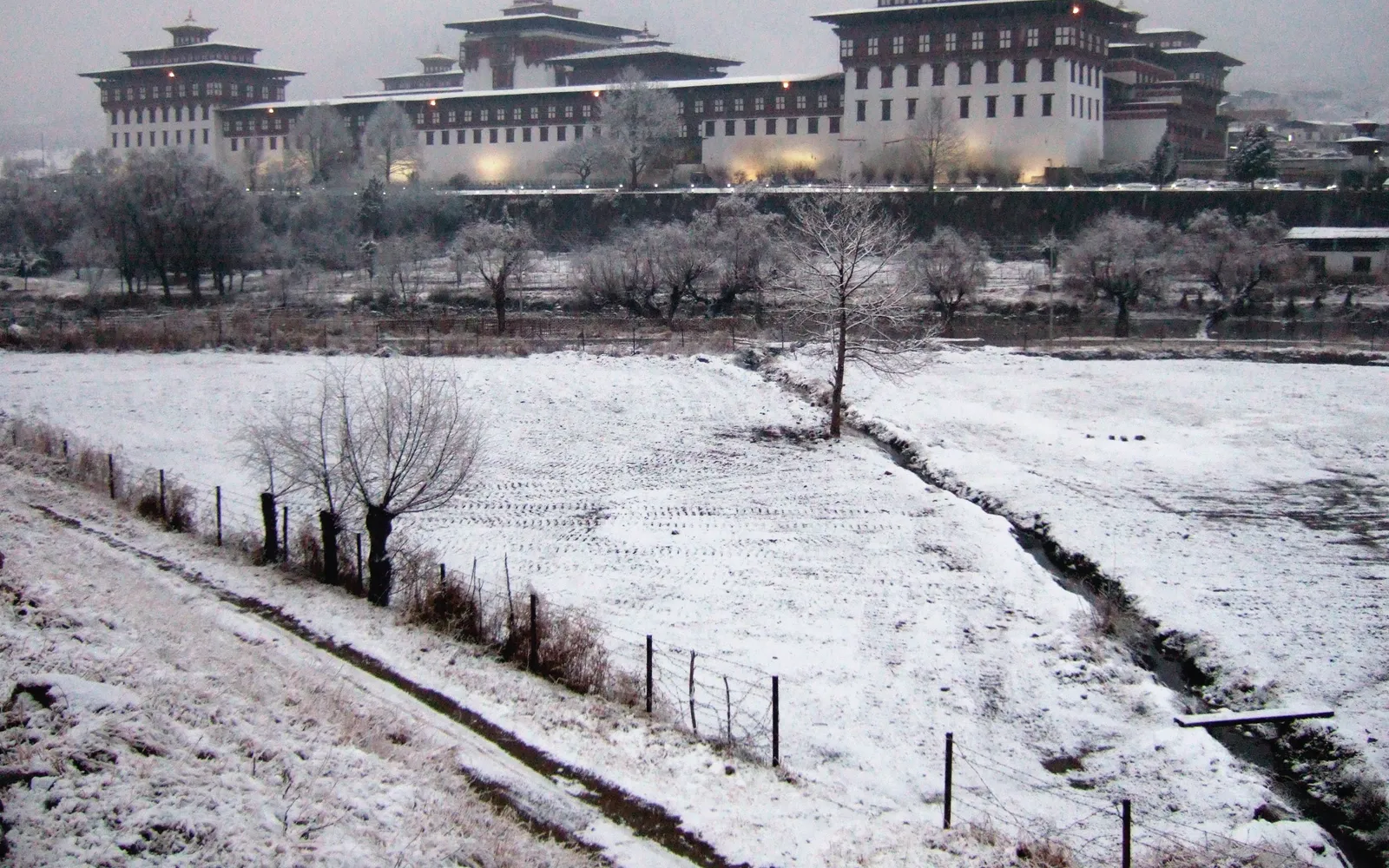 Thimphu
The world's only capital with no traffic lights — a giant golden Buddha, the Tashichho Dzong fortress, a colourful farmers market, and Bhutan's living culture in a high mountain valley.
See this city's guide →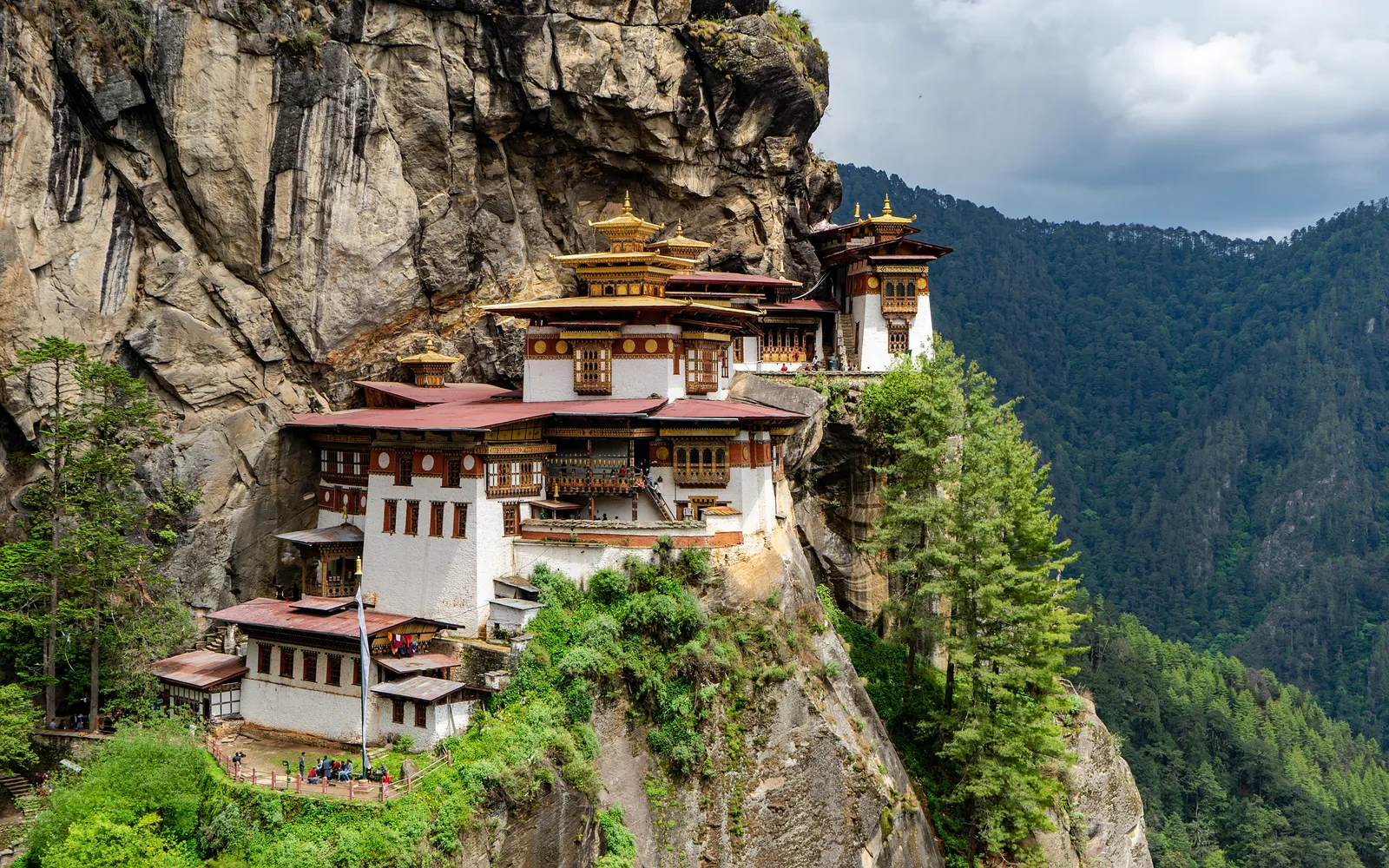 Paro
ParoBhutan's gateway valley with the country's only international airport, the cliffside Tiger's Nest, and riverside Rinpung Dzong.
See this city's guide →Frequently asked — where to stay in Punakha
How many days do I need in Punakha?+
Most visitors stay 1–2 nights, enough for Punakha Dzong, the suspension bridge, Chimi Lhakhang, and the hike up to Khamsum Yulley Namgyal Chorten. Add a night if you want to raft the Mo Chhu or explore Wangdue Phodrang.
When is the best time to visit Punakha?+
March to May (spring) brings pleasant weather and the purple jacaranda blooms around the dzong in mid-May. Late February to early March hosts the colorful Punakha Tshechu festival at the dzong.
What does it cost to visit Punakha?+
Bhutan follows a 'High-Value, Low-Impact' policy. You pay a Sustainable Development Fee of USD 100 per person per night, plus your tour cost (guide, driver, hotels, meals), all arranged in advance through a tour operator.
Ready to book your Punakha stay?
Start with the 3 hotels our team picked, or search all 3 sites — always compare before booking