Where to stay in Porto-Novo — pick the right hotel, book in 3 clicks
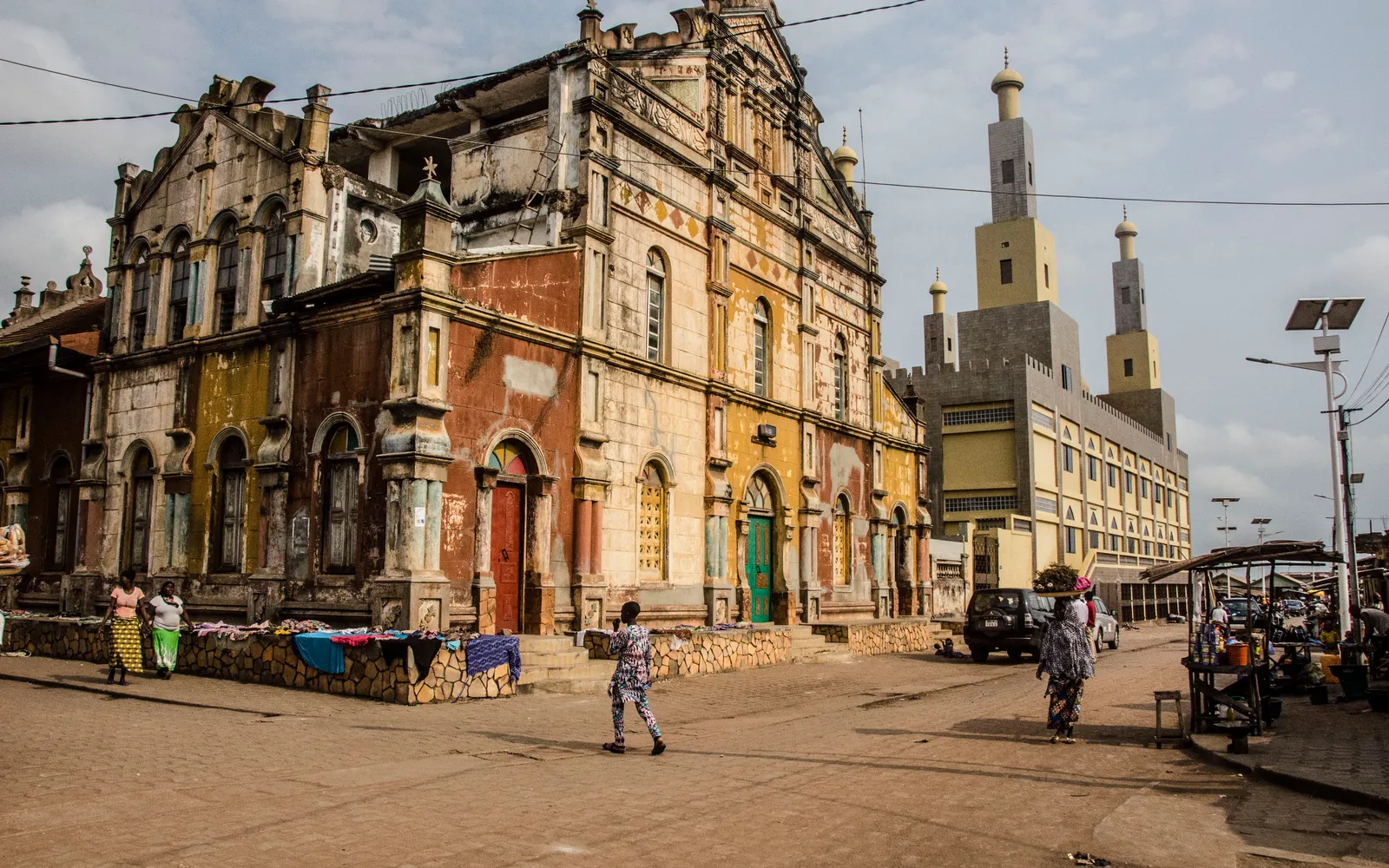
Porto-Novo is the official capital of Benin, a small lakeside city layered with history: ancient Yoruba-Gun royalty, traces of the slave trade, and most distinctively, Afro-Brazilian architecture brought by the Agudà community (freed slaves who returned from Brazil). Where most capitals are a wall of office towers, Porto-Novo feels like a living scrapbook. The royal palace of King Toffa, a vividly painted Great Mosque that looks like a church, an ethnographic museum, and Vodun shrines all sit within walking distance. Most travellers use it as a quiet base paired with Cotonou, just 30 km away. This guide covers where to stay, what to see, what to eat, and how to actually get around.
Why stay in Porto-Novo
The capital most people skip
Porto-Novo is Benin's official capital and seat of parliament, yet it is far quieter and more authentic than Cotonou. Easy to explore on foot, with none of the chaos.
Afro-Brazilian heritage
The Agudà returnees left behind architecture, cuisine, and a mosque modelled on the churches of Salvador, Bahia, a blend you will not see anywhere else.
Heart of Vodun culture
Benin is the birthplace of Vodun (voodoo). Zangbeto shrines host masked dances and real ceremonies, peaking around the 10 January festival.
Gateway to Ganvié
Take a boat to the stilt village rising out of Lake Nokoué, a UNESCO site nicknamed the Venice of Africa, an easy add-on from the city.
Pick an area first — where to stay in Porto-Novo
Location is the single most important thing about a hotel — choose the right area first, then pick the hotel
Centre-Ville (City Centre)Walking distance to Honmé Palace, the museums, the Great Mosque and the central market. Best value hotels and auberges, everything on foot.
Coming soonBrazilian Quarter (Quartier Brésilien)The core of the Afro-Brazilian streetscape, pastel old houses and the Da Silva Museum. Atmospheric and full of period detail.
Coming soonOuandoBuilt around the busy Ouando market, right on the N1 toward Cotonou and Nigeria. Budget guesthouses and easy onward transport.
Coming soonLakeside (Lagune)Views over the Porto-Novo lagoon and the launch point for boats toward Ganvié and Lake Nokoué. Calm, good for couples.
Coming soonRanked reviews — find your ideal stay in Porto-Novo
Start with where to stay (the heart of the trip), then explore food and sights
We're rolling out Porto-Novo stay reviews — meanwhile search Porto-Novo hotels across all 3 sites now
Local dishes to try in Porto-Novo
- 1🌽
Akassa
Steamed fermented corn dough with a smooth texture and gentle tang. A southern Benin staple eaten with sauces and stews, found at almost every eatery.
📍 Staple - 2🔴
Amiwo
Red cornmeal cooked with tomato and spices, bold and savoury, usually served with chicken or fish. A pillar of Beninese home cooking.
📍 Local dish - 3🧀
Wagasi (Wagashi)
A soft cheese handmade by Fulani women, often sliced and fried golden, then dipped in spicy peanut powder. A hugely popular snack.
📍 Fulani cheese - 4🥘
Dékounoun Sounnou
A rich palm-nut sauce that is a signature of the south and of Porto-Novo in particular. Eaten with corn dough or rice, mellow and nutty.
📍 Porto-Novo sauce - 5🍲
Hankpetè
A southern speciality particularly associated with Porto-Novo, hard to find elsewhere. A real taste of the capital worth seeking out.
📍 Local dish - 6🐟
Grilled lake fish
Freshwater fish straight from Lake Nokoué and the lagoon, grilled and served with chilli sauce and corn dough. The signature catch of this waterside city.
📍 Fresh catch
- 1👑
Honmé Royal Palace (Musée Honmé)
The former residence of King Toffa, now a museum telling the story of Porto-Novo's royal dynasty. On the UNESCO Tentative List and the historical heart of the city.
📍 Palace - 2🕌
Great Mosque (Grande Mosquée)
A brightly coloured mosque that looks more like a church, built by the Agudà in imitation of the churches of Salvador, Bahia, between roughly 1912 and 1925. The city's icon.
📍 Architecture - 3🏛️
Da Silva Museum
A private museum in an 1890 Afro-Brazilian building tracing the Da Silva family from slavery to success, with colonial-era artefacts, classic cars and a vintage motorcycle collection.
📍 Museum - 4🎭
Alexandre Sènou Adandé Ethnographic Museum
An ethnography museum with Yoruba masks, Vodun objects, and the story of the city's founding, the clearest window into local culture in Porto-Novo.
📍 Museum - 5🗿
Place Jean Bayol
A colonial-era central square with a statue of Porto-Novo's first king and a garden. A natural starting point for a walk through the old town.
📍 Square - 6🌱
Songhaï Centre
A renowned sustainable-agriculture centre with demonstration farms, recycling techniques and an organic restaurant. Worth a wander for anyone curious about Benin's eco model.
📍 Eco / learning - 7🛶
Ganvié Stilt Village
The Tofinu people's stilt village on Lake Nokoué, a UNESCO site to the north. Take a boat to see the floating market and life on the water, the Venice of Africa.
📍 Boat trip - 8🧺
Adjarra Craft Market
The village of Adjarra, about 10 km out, hosts a big craft market selling pottery, fabrics, drums and Vodun ornaments, the place for genuine souvenirs.
📍 Market
Things to do in Porto-Novo
Day tours, attraction tickets and travel essentials for Porto-Novo — book ahead on Klook with mobile e-tickets.
Affiliate links — we may earn a commission at no extra cost to you.
3 Porto-Novo hotels our team picked for you
Selected from real reviews — one per budget tier, each with a score and instant 3-site price comparison
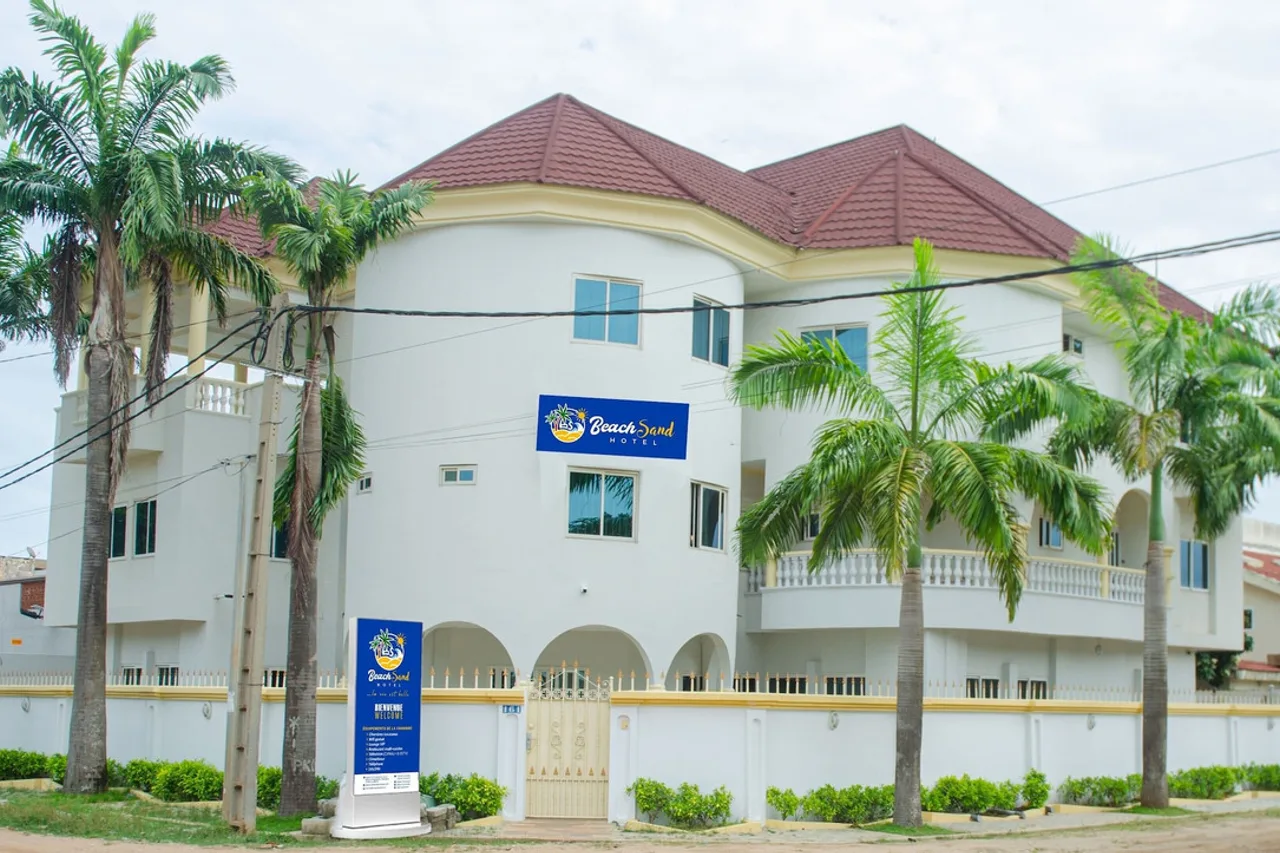 ★ 9.2Value
Beach Sand Hotel and Resort
Budget pick, top-rated, beachfront
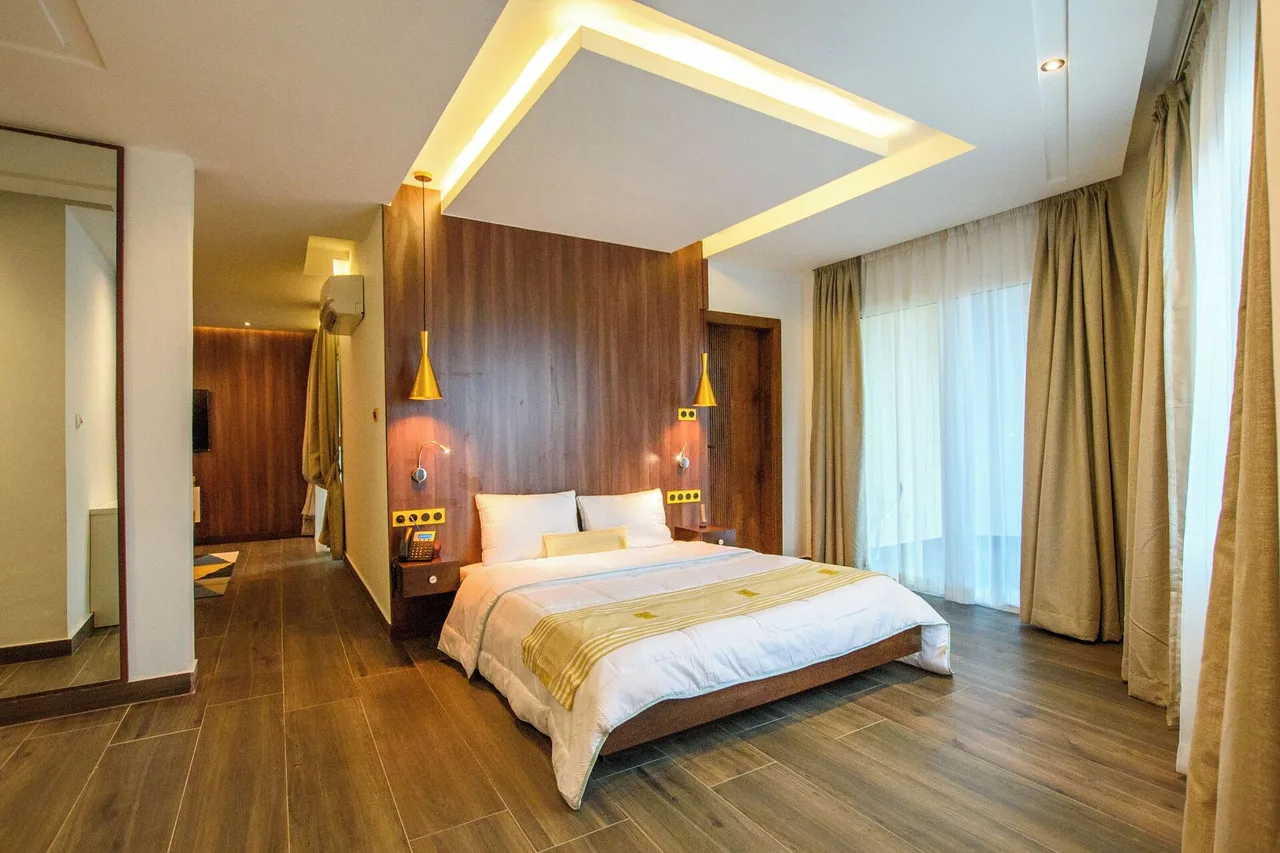 ★ 9.0Luxury
ART Residence
Top luxury address with rooftop pool and panoramic views
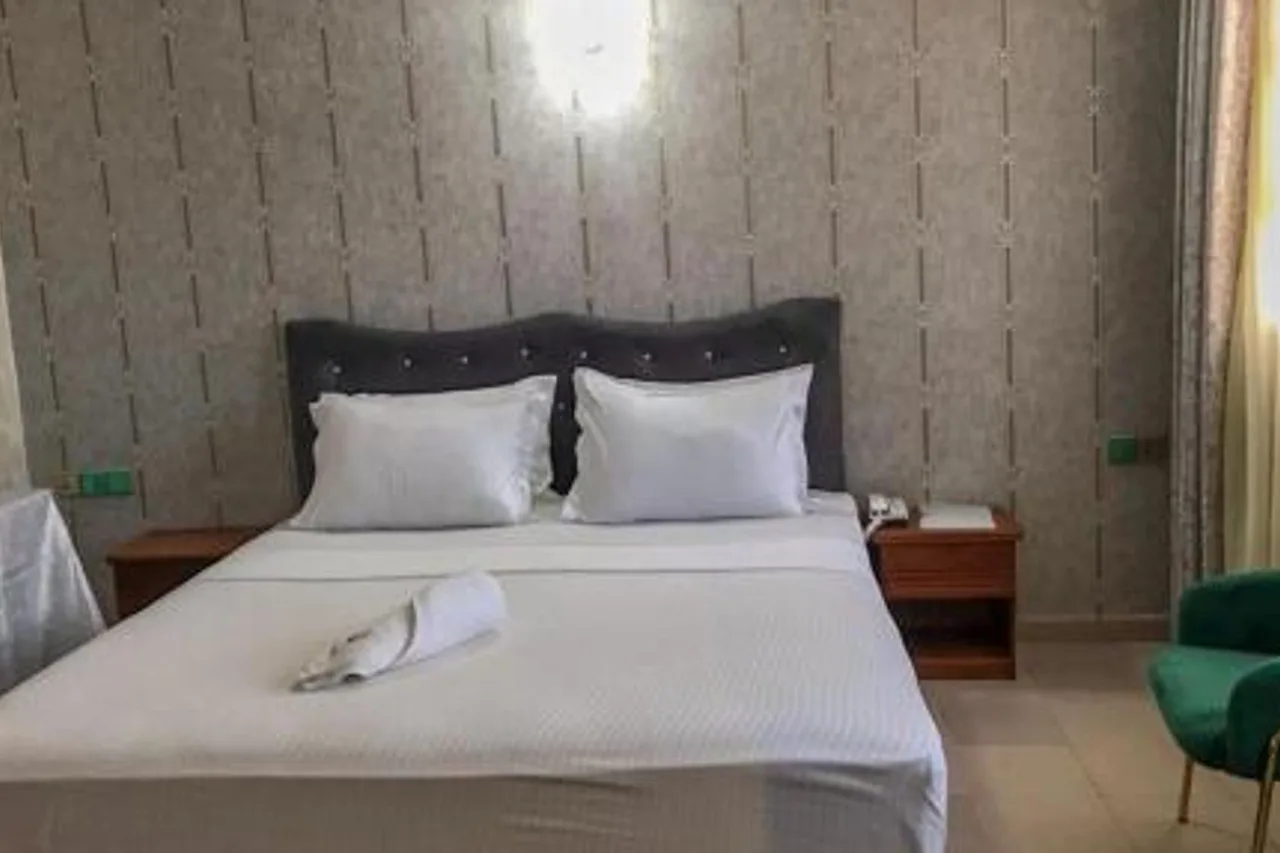 ★ 9.0Value
Hotel Noahgarden 2
Great value, good breakfast, professional staff
โรงแรมแนะนำทั้งหมดในPorto-Novo
ครบทุกระดับงบ — คัดจากคะแนนรีวิวจริง พร้อมเทียบราคา 3 เว็บ
Haven't found the one? Search all 3 sites yourself
Compare real-time room availability for your Porto-Novo dates
🚆 Getting around Porto-Novo
Fly into Cotonou
Porto-Novo has no working airport. Fly into Cadjehoun International Airport in Cotonou (about 25–30 km away), then continue by car or shared taxi.
Zemidjan moto-taxis
The main way to get around town. Drivers wear city-coloured shirts and fares are negotiable, typically 200–700 CFA francs in town. Mind your belongings and helmet.
Cotonou–Porto-Novo taxis
Shared taxis and minibuses run along the N1 between Cotonou and Porto-Novo all day, taking roughly 45 minutes to an hour depending on traffic.
Cash in CFA francs (XOF)
The West African CFA franc is king and most things are cash-only. ATMs exist in town but carry cash; cards are rarely accepted outside larger hotels.
Boats to Ganvié / the lake
Stilt-village trips mean hiring a boat from a lakeside jetty. Agree the price before you board, and going with a guide or tour makes it easier and safer.
Where to go next near Porto-Novo
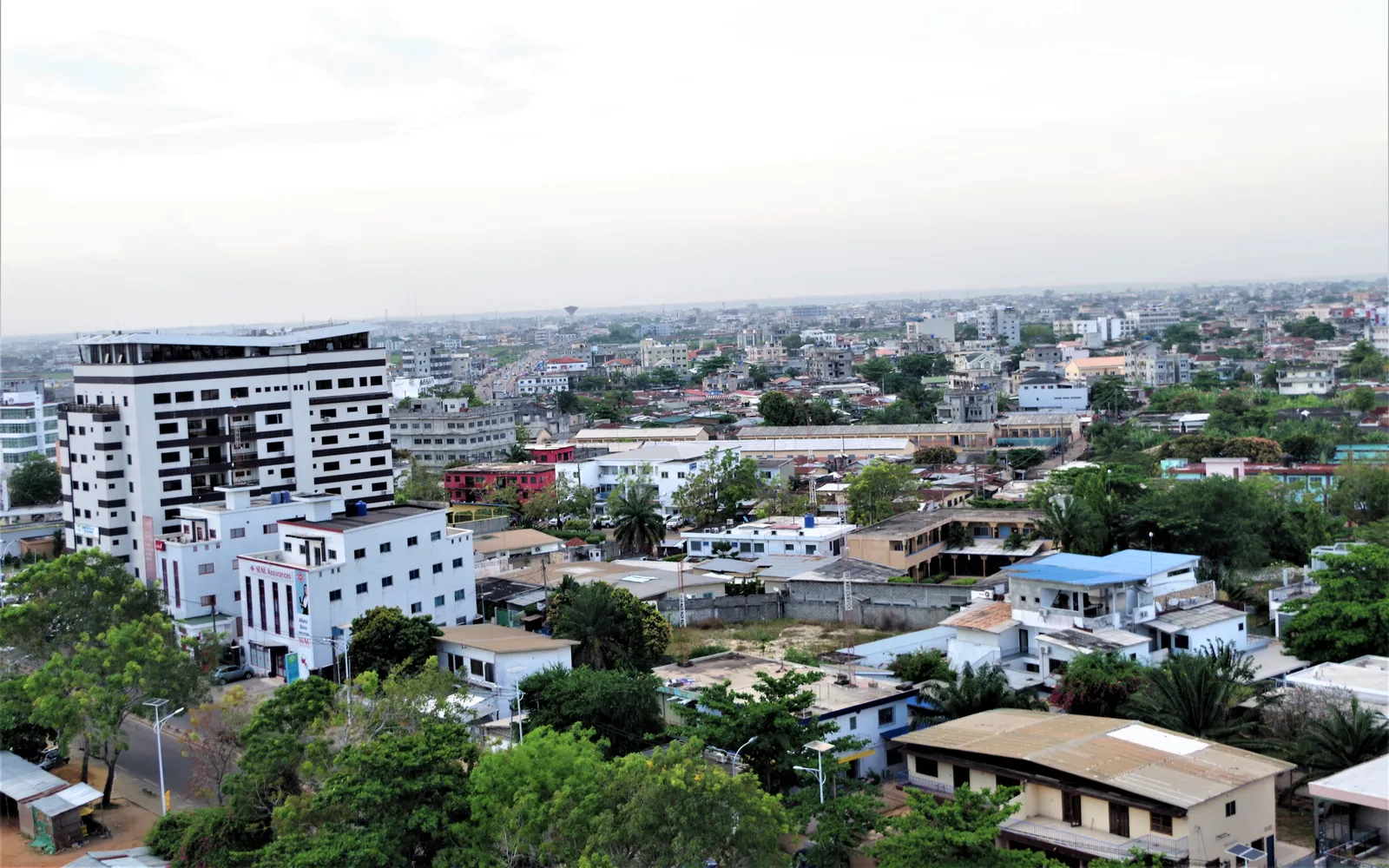 Cotonou
Where to stay in Cotonou, Benin — real neighborhoods, the best things to do, local food worth trying, and how to actually get around.
See this city's guide →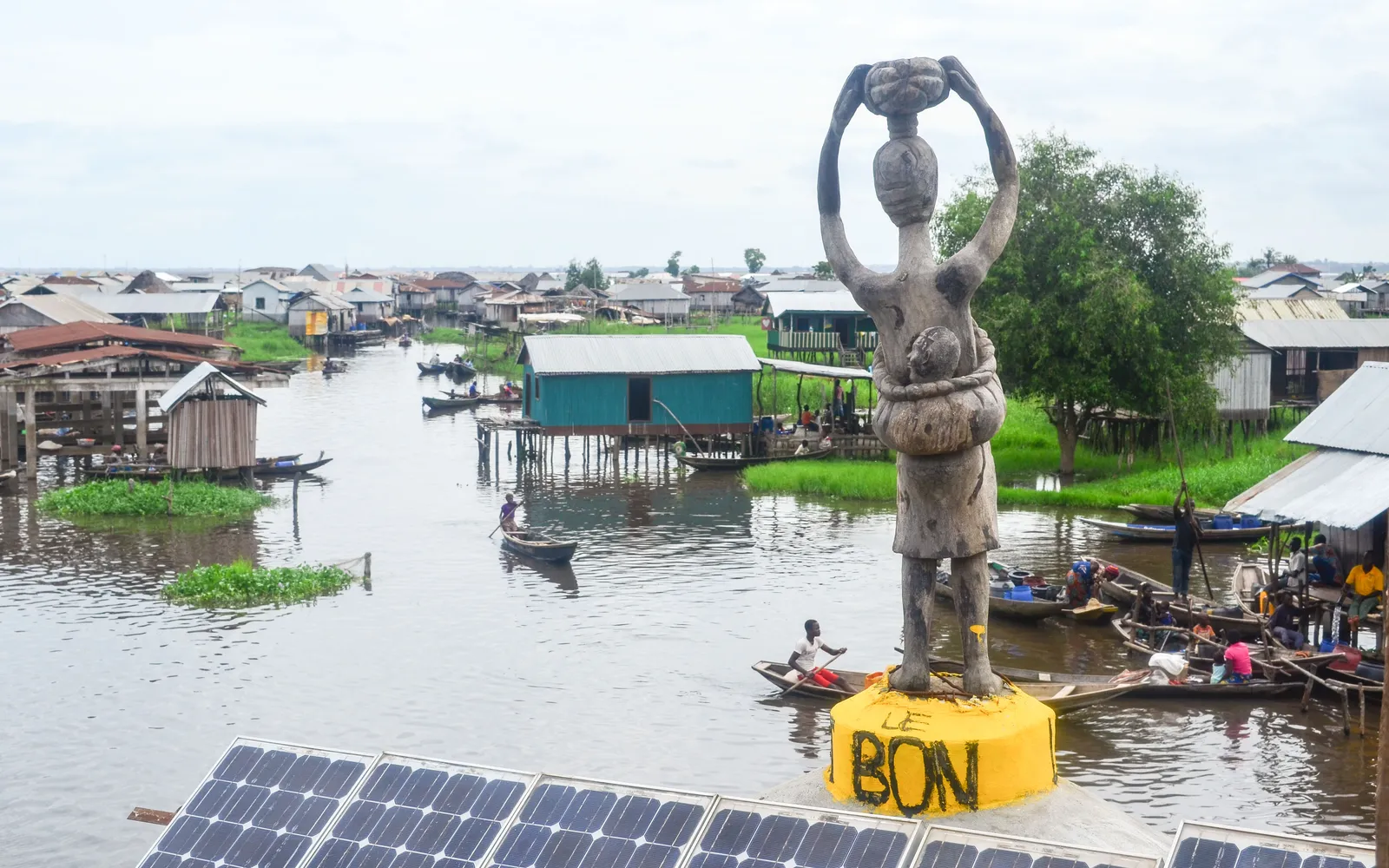 Ouidah
The spiritual home of Voodoo — the Door of No Return, the Temple of Pythons, an Atlantic beach and a slave-history museum.
See this city's guide →Frequently asked — where to stay in Porto-Novo
Is Porto-Novo really the capital of Benin?+
Yes. Porto-Novo is the official capital and seat of parliament, while the larger Cotonou is the economic hub and home to the airport, so most visitors land in Cotonou first.
When is the best time to visit Porto-Novo?+
The dry season from November to February is most comfortable. January is the least humid and includes the Vodun festival around 10 January. The long rains run March to July.
How many days do you need in Porto-Novo?+
One to two days covers the city itself (palace, museums, mosque, markets). Add a day for Ganvié stilt village or Adjarra market, and it pairs easily with Cotonou.
Ready to book your Porto-Novo stay?
Start with the 3 hotels our team picked, or search all 3 sites — always compare before booking