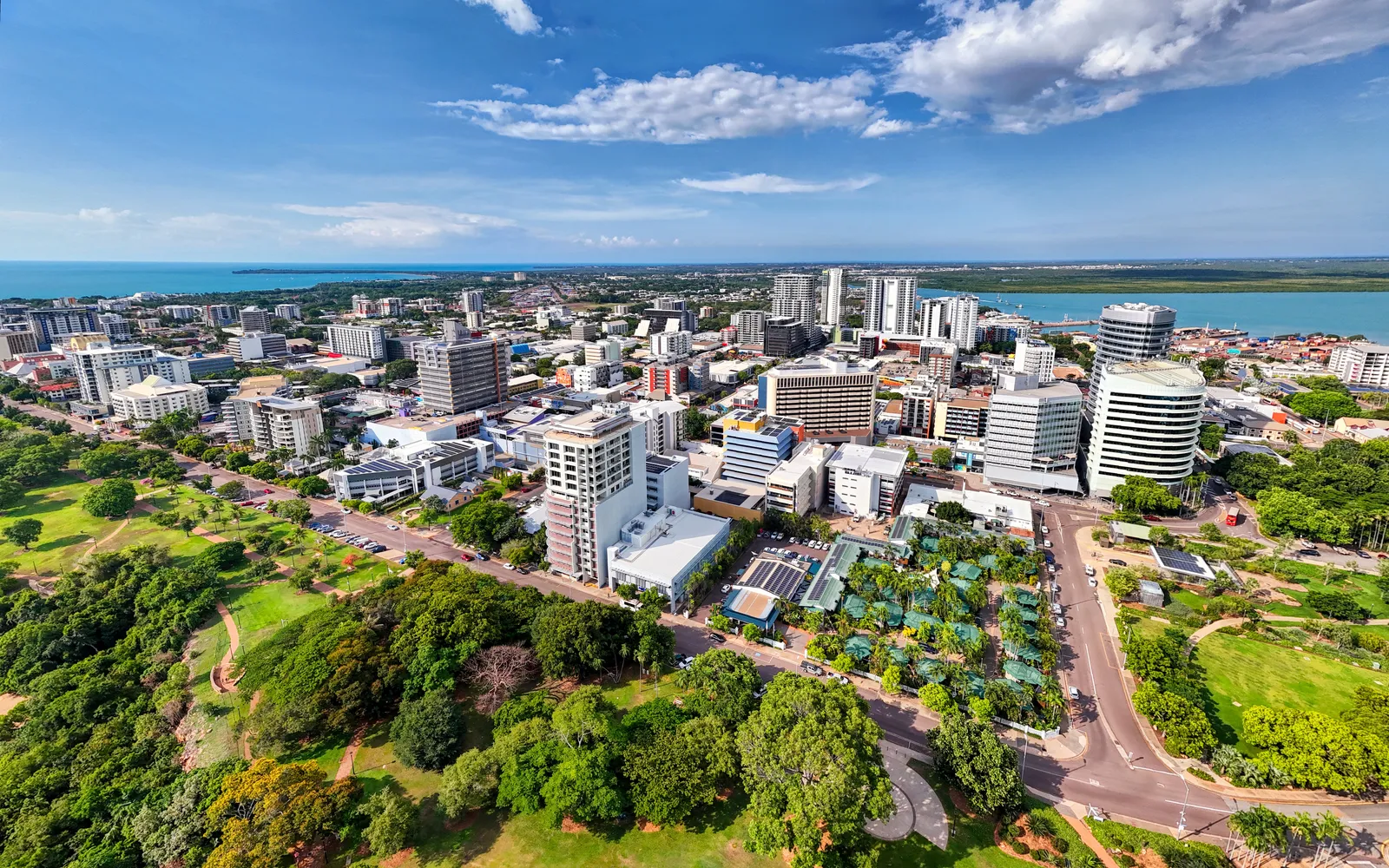
Darwin isn't a city you just pass through — it's the gateway to the wildest, biggest country left in Australia. Raw bush, waterfalls hidden deep in the forest, rock art 65,000 years old, and crocodiles still hunting in real waterholes, plus a beachside sunset market with no equal anywhere on Earth. Darwin will change the way you see Australia for good.
 #1
#1 Kakadu National Park
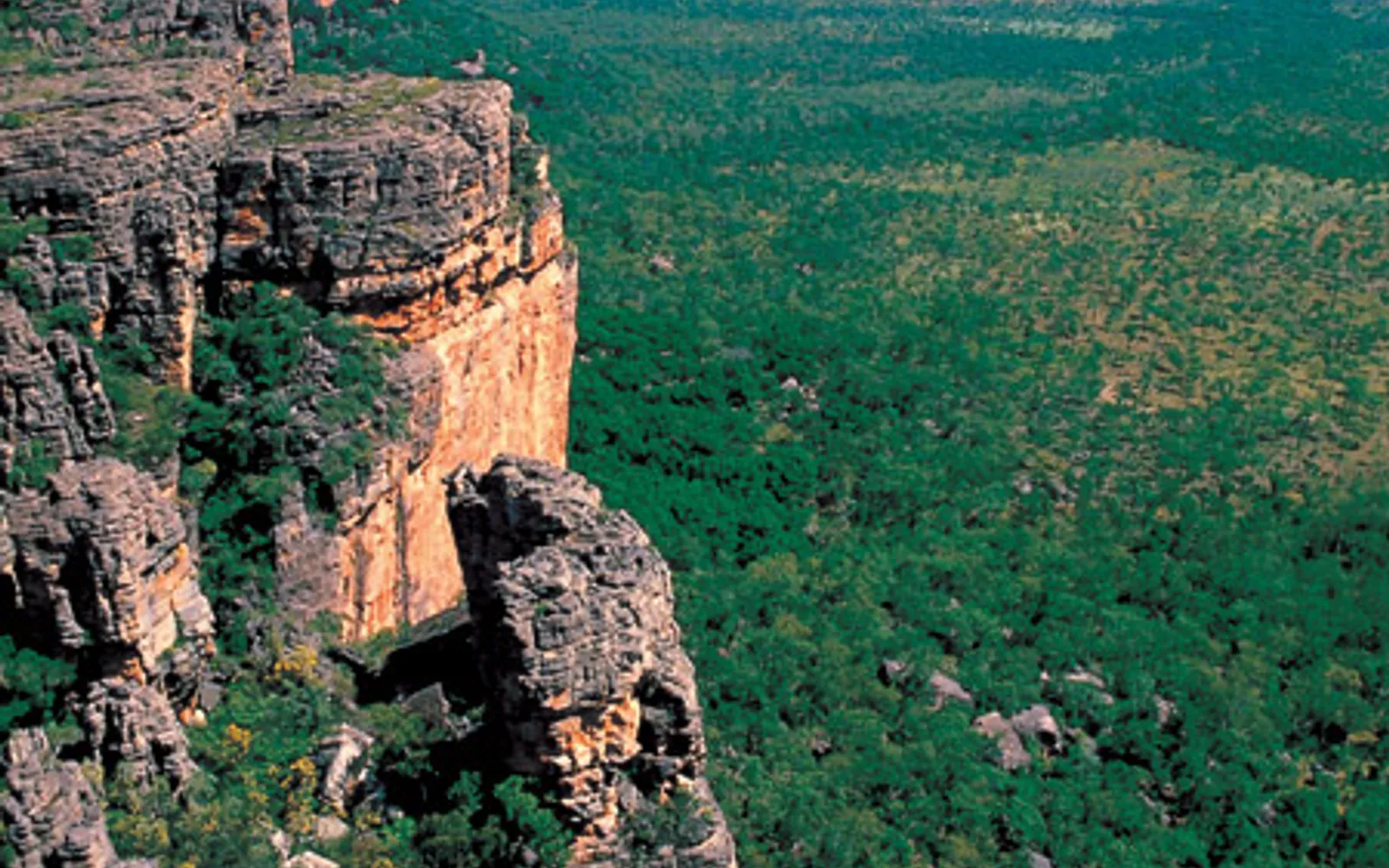
A park UNESCO-listed for both its nature and its culture at once, covering more than 19,804 sq km. Some of the Aboriginal rock-art panels are over 65,000 years old. The wetlands are full of saltwater crocodiles and more than 280 bird species, and Jim Jim Falls and Twin Falls sit hidden deep in the bush, reachable only by four-wheel drive. Come here and you'll understand just how vast Australia's nature really is.
- Only in the dry season (May-October) is the road into Jim Jim Falls open; in the wet, several roads go under water.
- Saltwater crocodiles really are in every waterhole here — never swim outside the areas the park marks as safe.
- Book a tour with an Aboriginal guide to learn what the rock art at Ubirr and Nourlangie actually means — otherwise you'll only understand half of it.
 #2
#2 Litchfield National Park
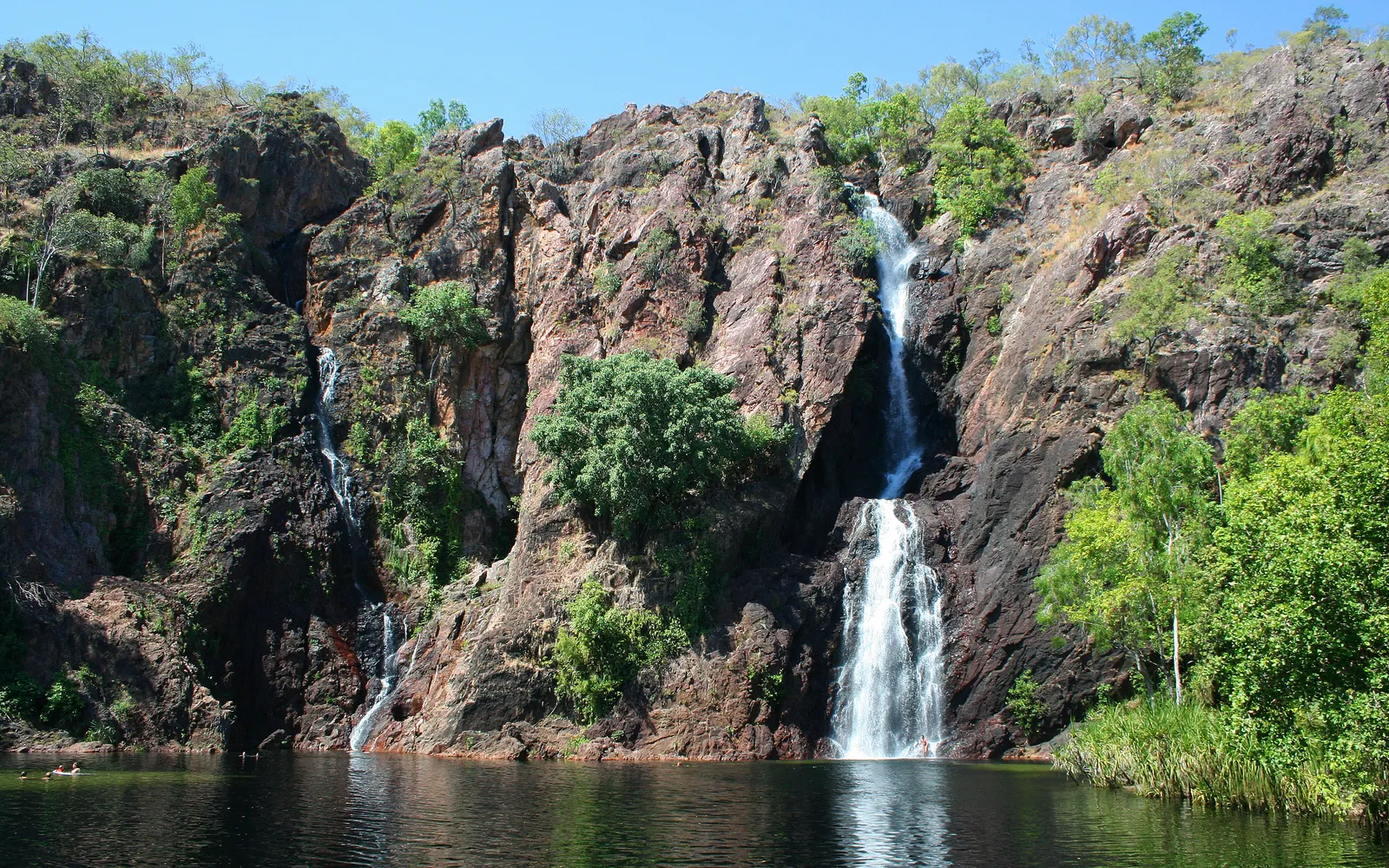
The easiest waterfall park to reach from Darwin, ideal for a self-drive day trip. The famous falls — Wangi Falls, Florence Falls and Tolmer Falls — pour into clear pools that are safe from saltwater crocodiles. There are also giant Magnetic Termite Mounds, lined up head-to-tail along a north-south axis to control their temperature, one of the most remarkable natural sights in Australia.
- The natural swimming pool at Florence Falls is free of saltwater crocodiles, but you'll have to walk down 135 steps to reach it.
- Arrive early, before 9am, to get a parking spot at Wangi Falls before it fills with visitors.
- In the wet season (November-March) the falls are stunning, but some roads close — check before you set out.
 #3
#3 Mindil Beach Sunset Market
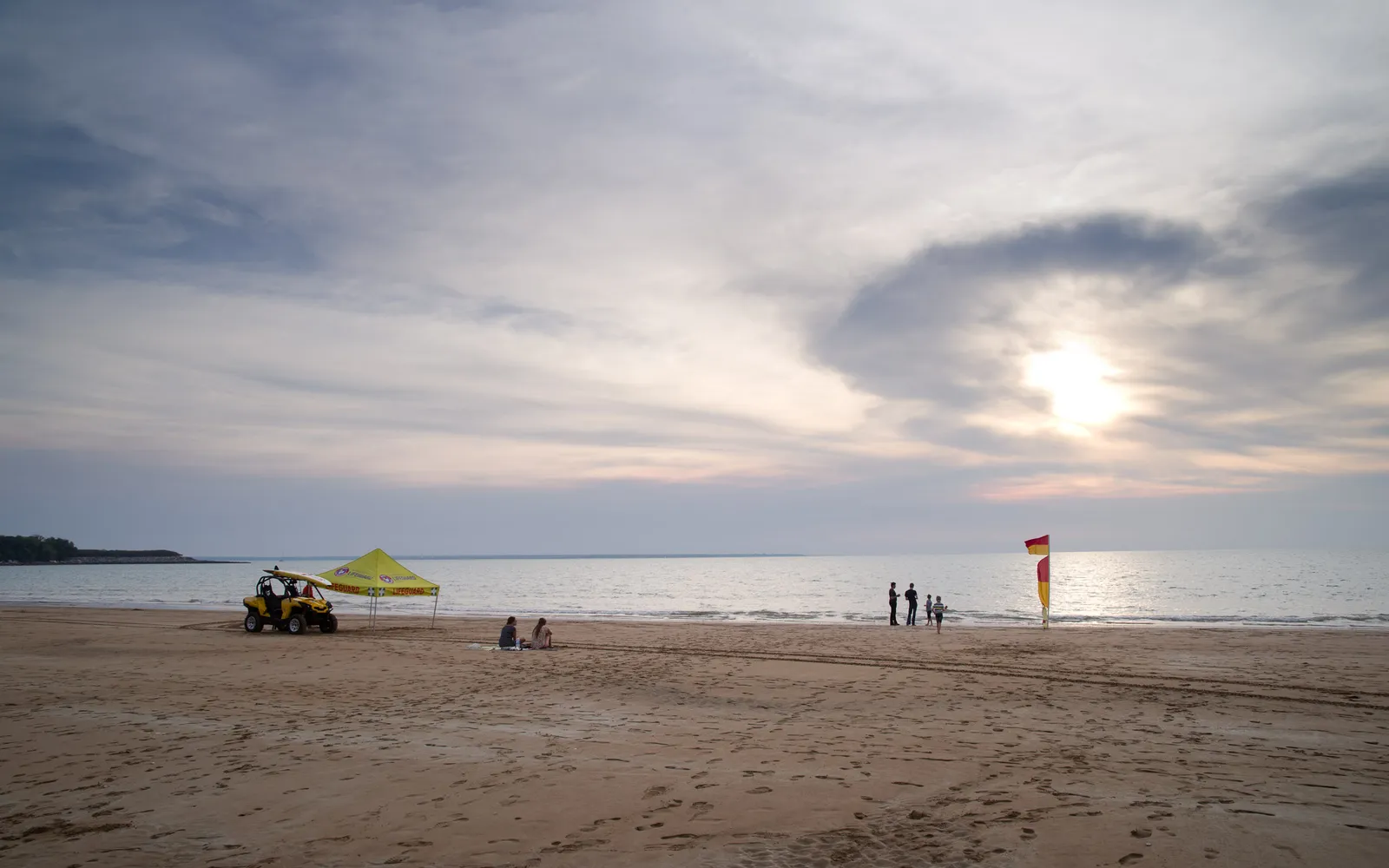
The most famous beachside market in northern Australia, open only in the dry season on Thursdays and Sundays. Visitors and locals stream down to sit on the sand, food in hand, and watch a sunset over the sea so beautiful it leaves you speechless. The food stalls run from seafood to Asian, Middle Eastern and Aboriginal dishes, alongside crafts, art and live music. It's the heart of Darwin's culture.
- Open only in the dry season, May-October, on Thursdays and Sundays, 5pm-9pm.
- Come 30 minutes before sunset to spread out a mat and claim the best beachfront seat.
- Try Aboriginal food like kangaroo, crocodile and freshly grilled barramundi — things you won't find in ordinary restaurants.
 #4
#4 Darwin Waterfront Precinct
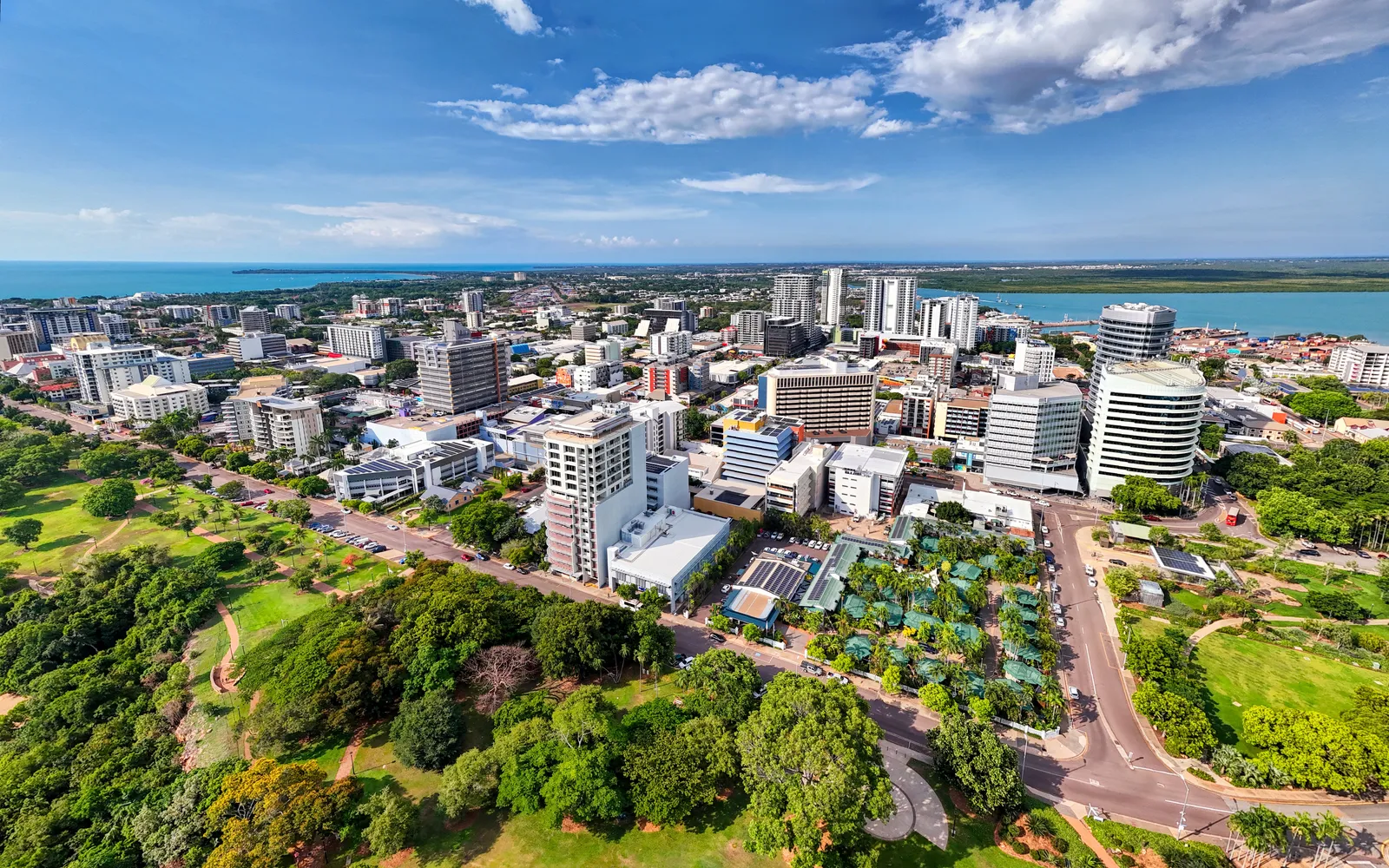
A redeveloped harbourfront that's become a favourite gathering spot for Darwin locals. Seafood restaurants, bars and cafes line the bay, and the Wave Pool is a large artificial-wave lagoon designed for safe swimming away from crocodiles and jellyfish. For kids there's the still-water Recreation Lagoon. Walk along the water at sunset, then sit down to fresh seafood in the evening — that's everyday Darwin life.
- The Wave Pool is open 7am-7pm; entry is AUD 6 for adults, and it suits swimmers of every age.
- In the evening the waterside restaurants get very busy — book a table ahead on weekends.
- Walk on to Stokes Hill Wharf for a wider view of the bay, where you might spot dolphins passing by.
 #5
#5 Cullen Bay Marina
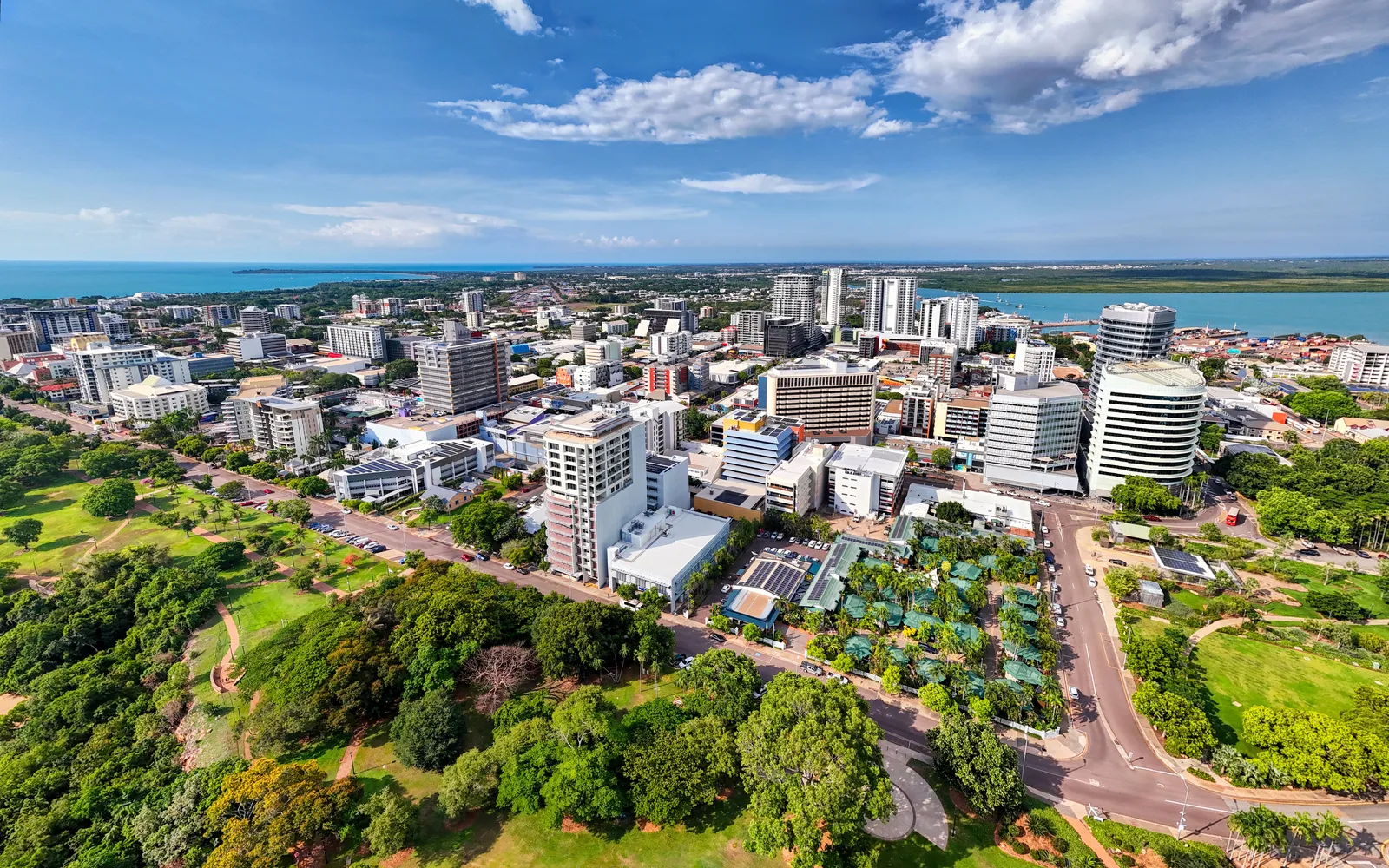
A small, relaxed marina where Darwin locals come to fish and eat seafood on their days off. Unlike the busy, tourist-heavy Waterfront, Cullen Bay is quieter, with fresh-seafood restaurants and bars looking over the bay that locals love. The sunset here, over the open Timor Sea, is wide and beautiful, with no big tour groups fighting for the photo angle — perfect for an easy dinner and watching the moon rise over the water.
- Hanuman is nearby, famous in Darwin for its Thai-Indian fusion food — book ahead.
- At times the tide runs very high; the Arafura Sea has some of the biggest tidal swings in Australia, and photos look better when the water is full.
- Box jellyfish are very dangerous in the sea during the wet season — don't swim in the sea outside the netted pools.
 #6
#6 Museum and Art Gallery of the Northern Territory
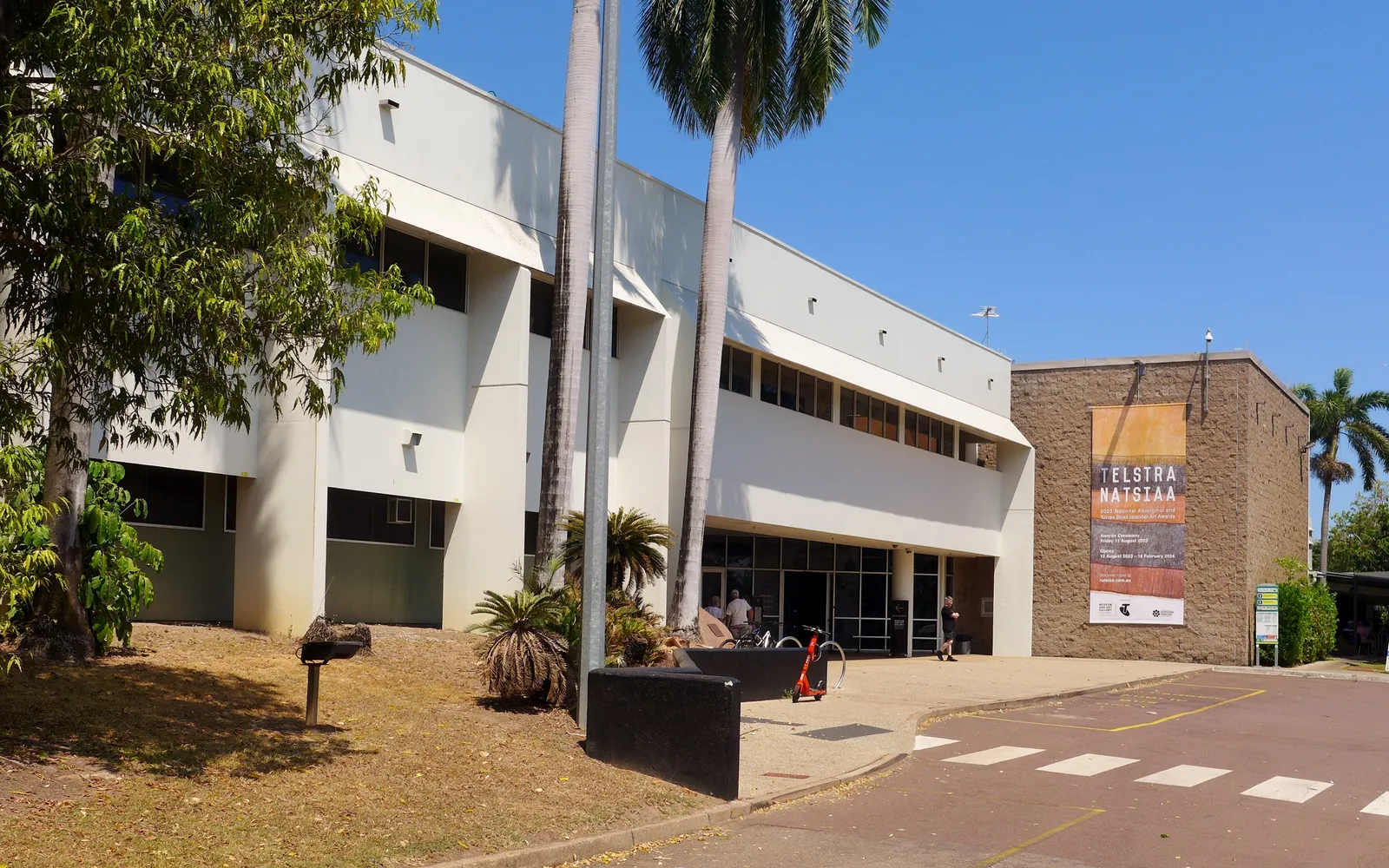
The best free museum in Darwin, holding one of the world's largest collections of contemporary and traditional Aboriginal art. A special gallery tells the story of Cyclone Tracy, the storm that destroyed almost the whole of Darwin on Christmas night in 1974, and there's a display case with the most famous saltwater crocodile in Australia, a 4.8-metre giant. Entry is free throughout, except for special exhibitions — a great choice for a scorching-hot or rainy day.
- Free entry every day, 9am-5pm, except for some special exhibitions.
- Don't miss the Cyclone Tracy room — just standing in the dark listening to the simulated storm is genuinely hair-raising.
- The museum's Cornucopia restaurant looks out over the bay; even just a coffee and a midday rest there is worth it.
Where to stay in Darwin for this trip
A well-located hotel means less commuting and more sightseeing. Here are real, top-rated stays in Darwin — compare Agoda · Booking · Trip.com in one click.
Darwin Waterfront Luxury Suites
Affiliate links — we may earn a commission at no extra cost to you. Details
Vibe Hotel Darwin Waterfront
Affiliate links — we may earn a commission at no extra cost to you. Details
Hilton Darwin
Affiliate links — we may earn a commission at no extra cost to you. Details
DoubleTree by Hilton Esplanade Darwin
Affiliate links — we may earn a commission at no extra cost to you. Details
Tours, tickets & activities in Darwin
Day tours, attraction tickets and travel essentials for Darwin — book ahead on Klook with mobile e-tickets.
Affiliate links — we may earn a commission at no extra cost to you.
Before You Pack
Darwin is most fun in the dry season (May-October), when the weather is cool, comfortable and every park road is open. The wet season (November-April) is very hot and humid and some roads flood, but the waterfalls are at their most beautiful. Plan 4-5 days so you can fit in both Kakadu and Litchfield.