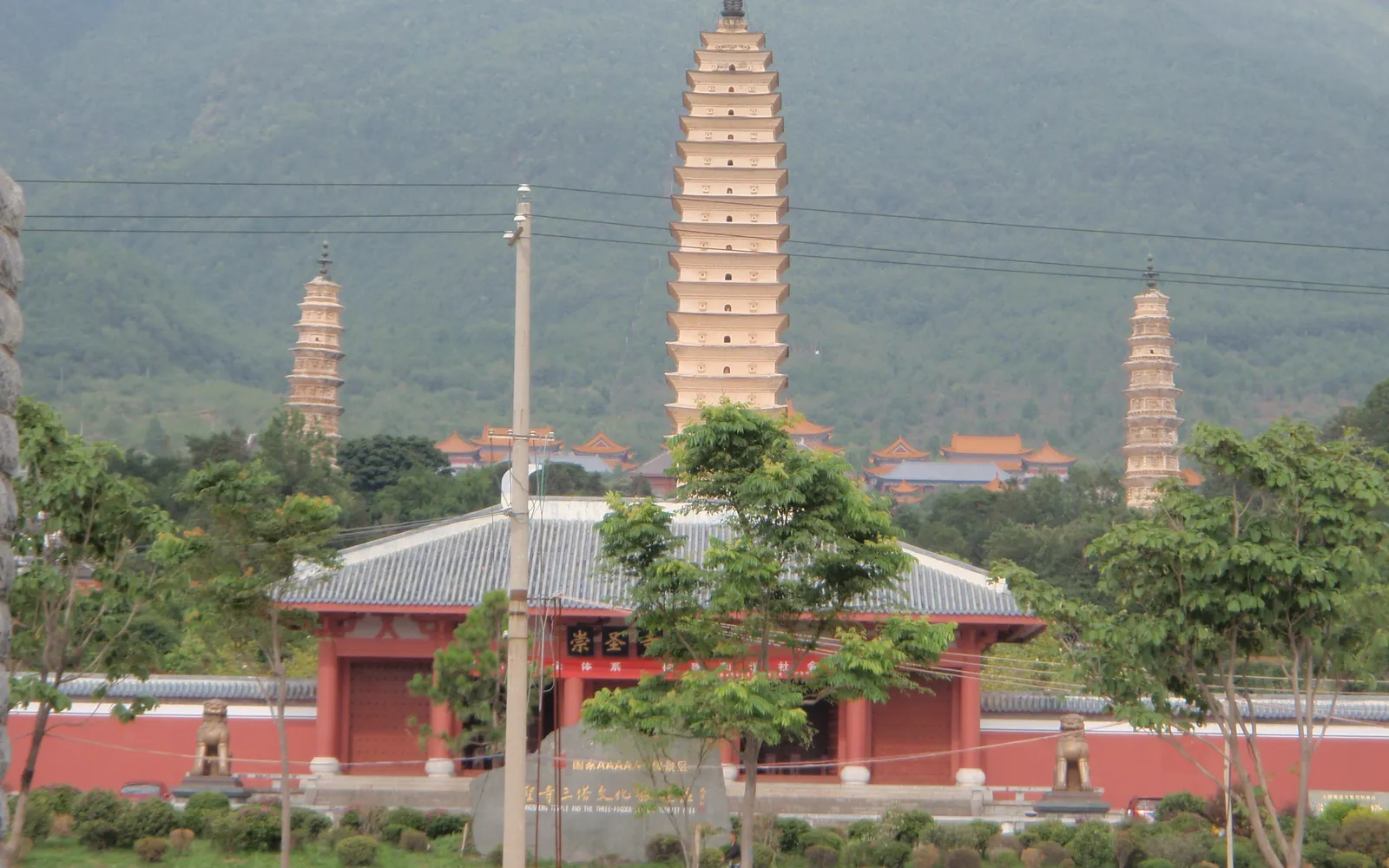
Dali is a dream of a town on the shore of Erhai Lake, sitting on a plateau nearly 2,000 metres high with the 19 peaks of the Cangshan range as its backdrop. The distinctive Bai culture, more than a thousand years old, is still tangible in the old villages and the festivals. That makes Dali a destination where nature, history, and local life come together in one place.
 #1
#1 Dali Old Town (Dali Ancient City)
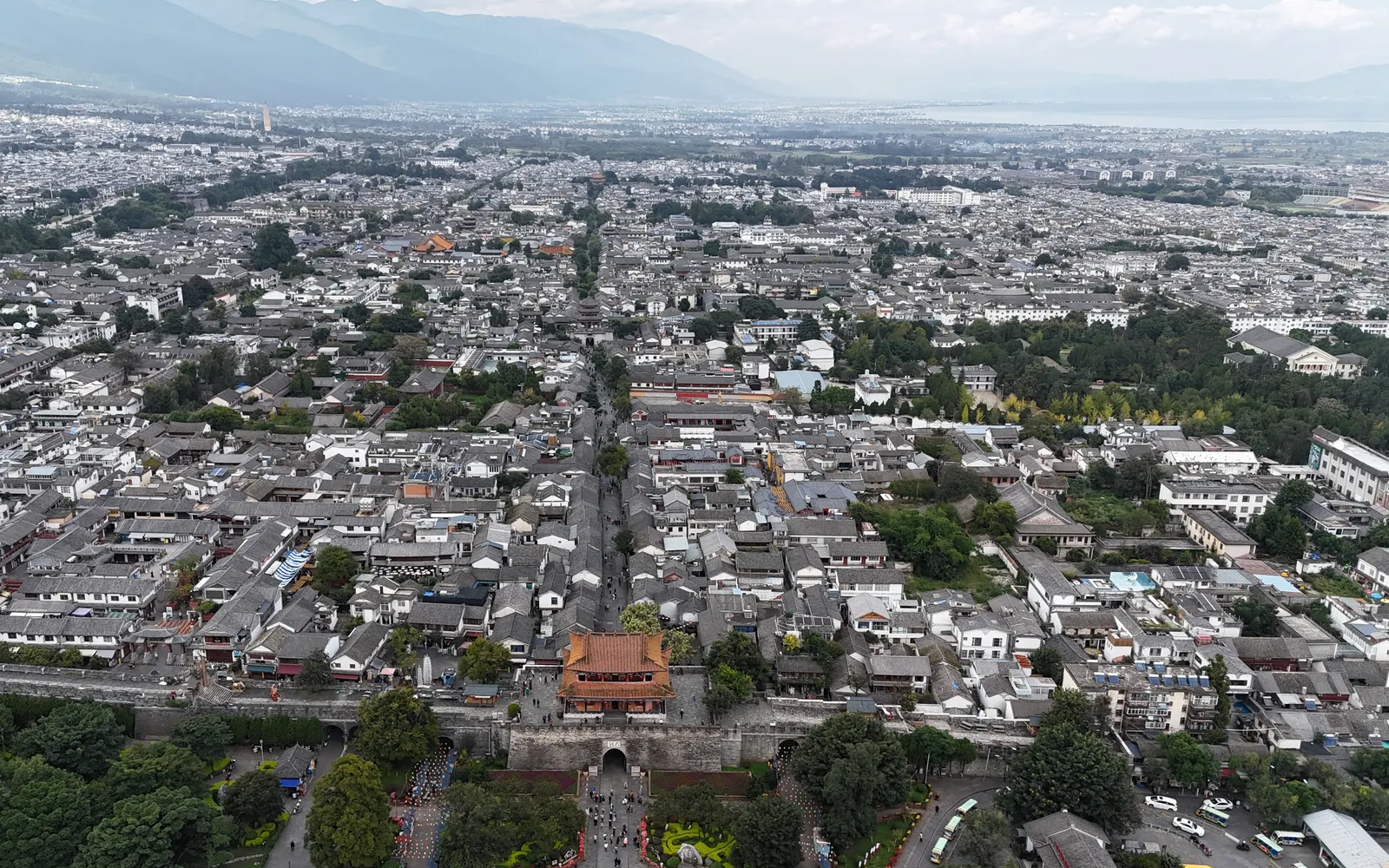
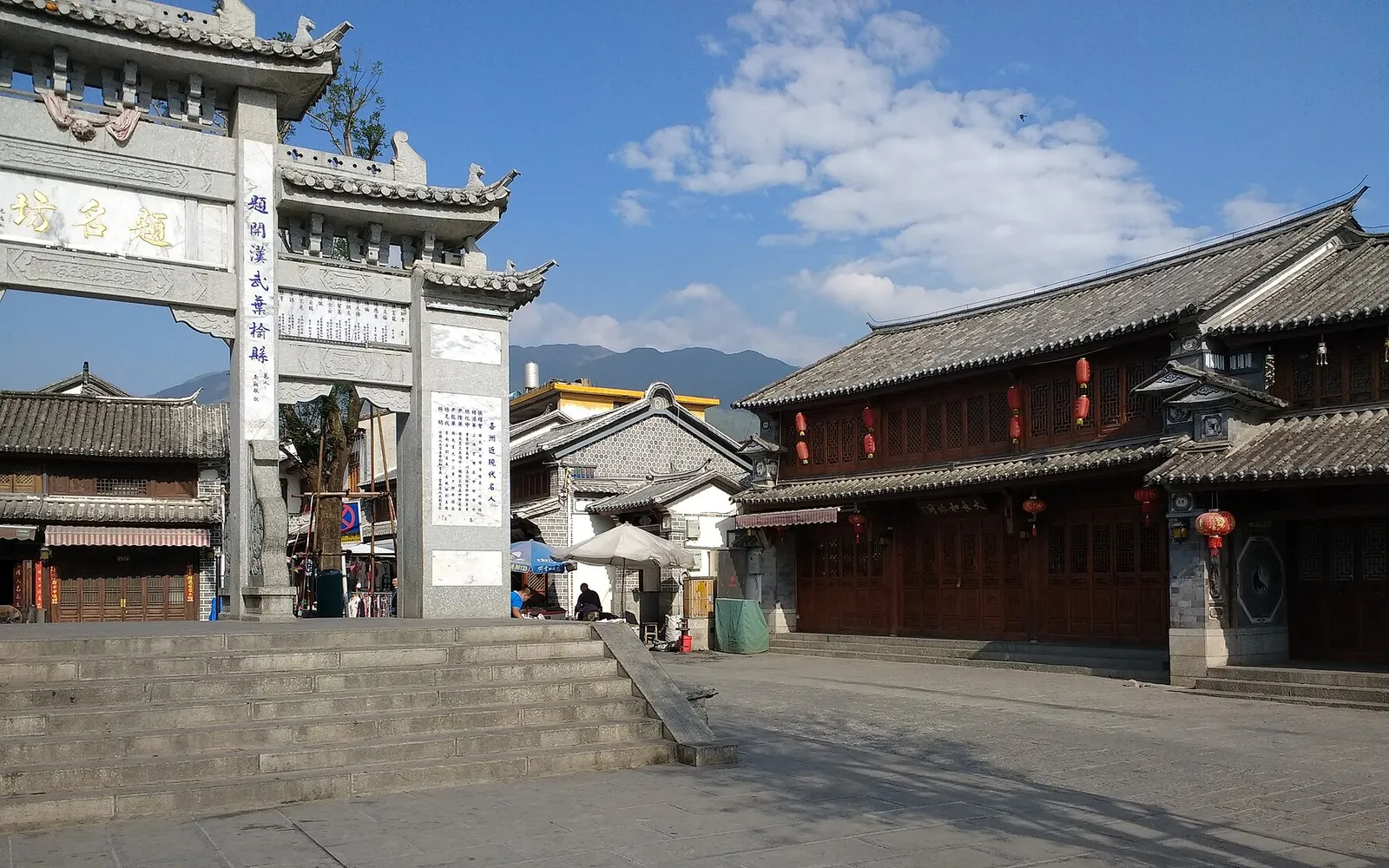
Dali Old Town was the capital of both the Nanzhao Kingdom and the Dali Kingdom, ringed by ancient city walls on four sides. The stone streets and traditional Bai-style buildings are still in good shape, packed with cafes, boutiques, art galleries, and local restaurants. The mood is far more relaxed than Lijiang, ideal for wandering without rushing.
- Walk Fuxing Lu and Yongchun Lu for the most authentic local atmosphere.
- All four city gates are beautiful for photos, especially the South Gate (南门) at night.
- The old town is fully walkable — cars are banned on some routes.
 #2
#2 Erhai Lake
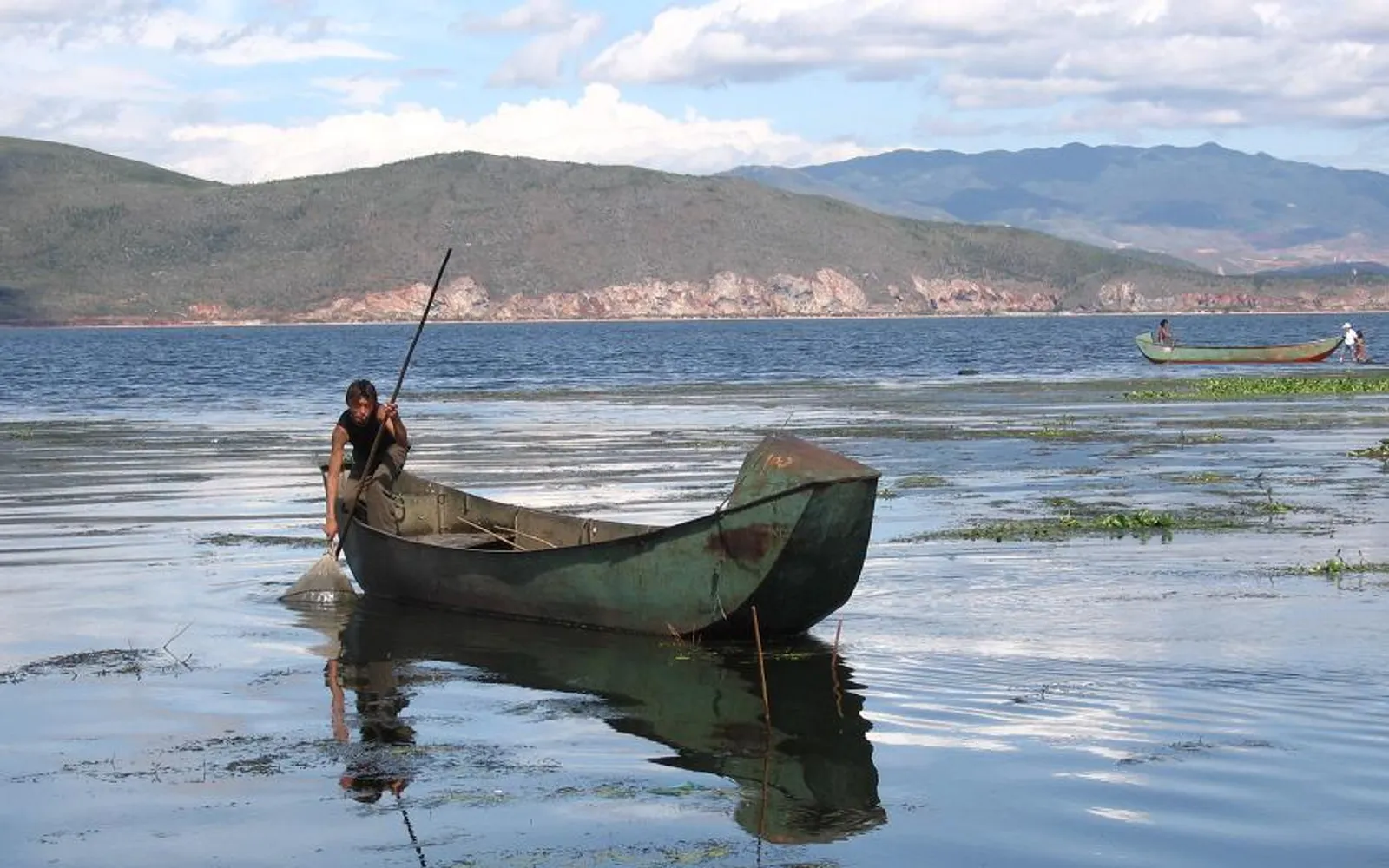
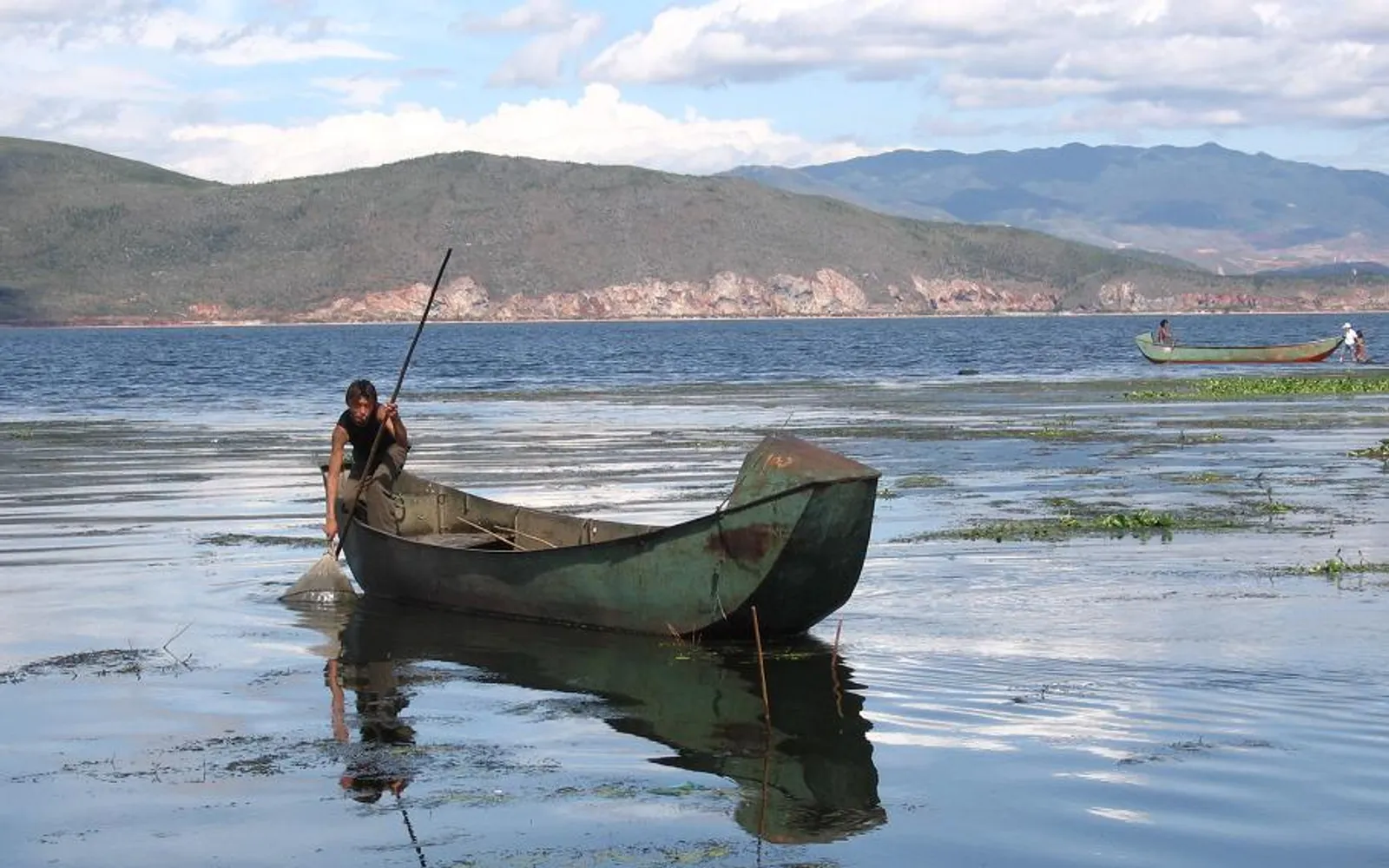
Erhai Lake, the 'Pearl of the Plateau,' is a freshwater lake sitting 1,972 metres above sea level, stretching 40 kilometres long and 3-9 kilometres wide. The popular way to see it is cycling around the lake or taking a boat to watch the sunset. The Bai villages scattered around the shore add to its charm, with daily life that is still traditional.
- Rent a bicycle or electric scooter to ride around the lake — some spots rent all day.
- The best sunset viewpoint is on the west side near the old town.
- Skip the crowded tour boats — a private boat is better.
 #3
#3 Three Pagodas of Chongsheng Temple
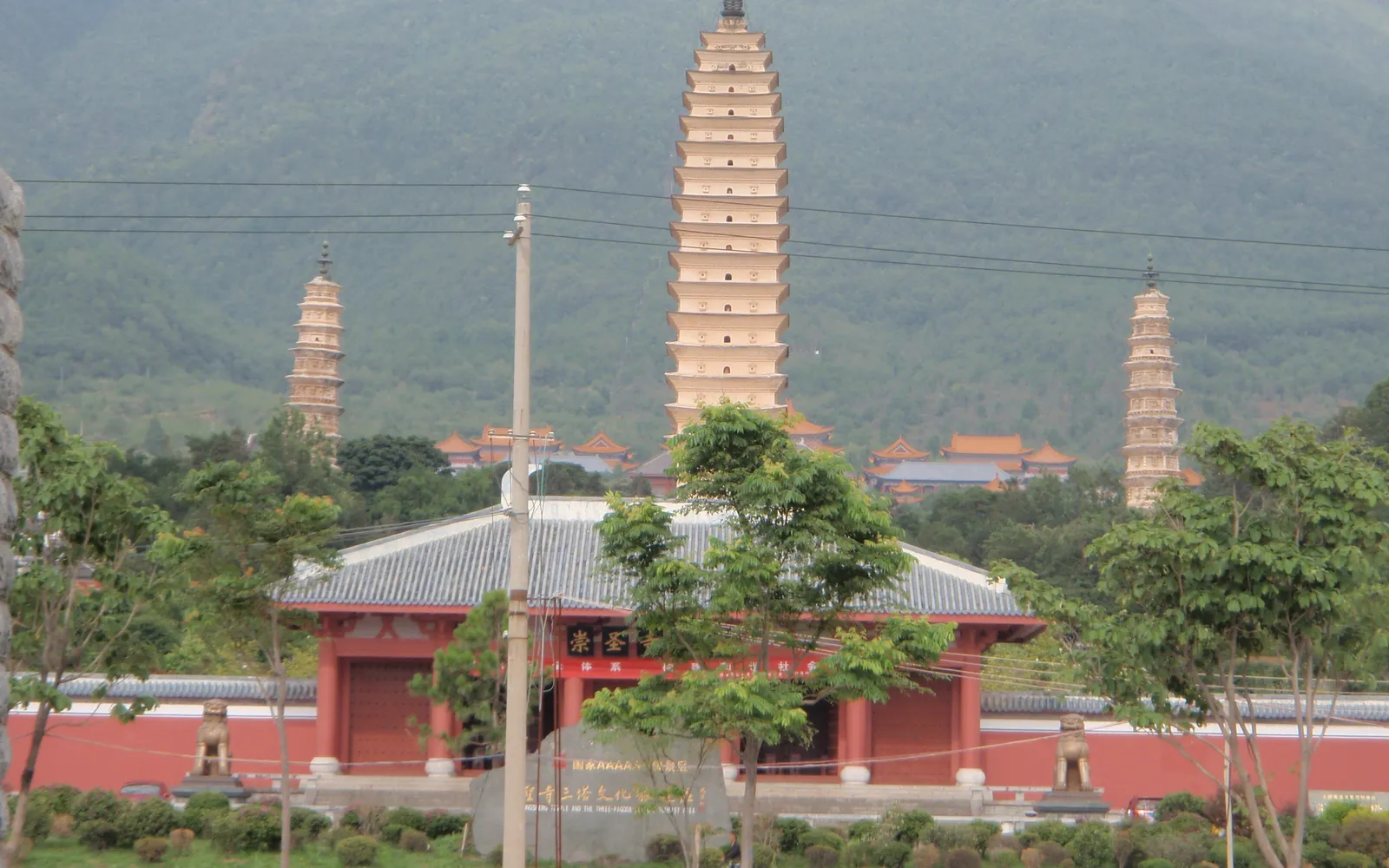
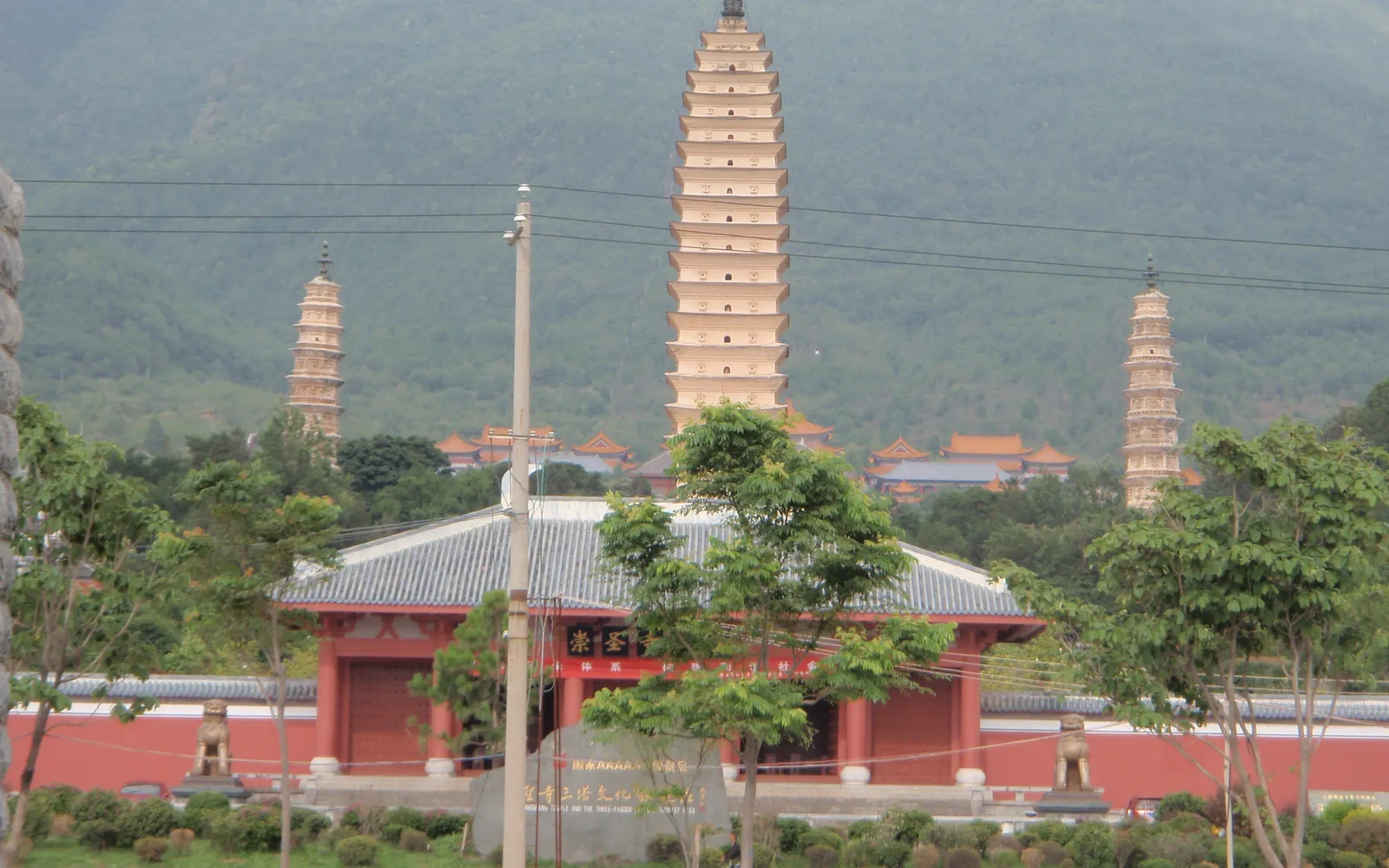
The Three Pagodas are Dali's most famous landmark. The tall central one, named Qianxun Pagoda, was built around 850 CE, stands more than 69 metres high across 16 tiers, and is finished in beautiful white plaster, flanked by two smaller pagodas of 42 metres each. Chongsheng Temple, set behind them, has been rebuilt and feels grand and imposing, especially in the reflection of the pond out front.
- Come early before 8:00 a.m. to take photos with no tourists in the way.
- The entry fee covers both the pagodas and Chongsheng Temple at one price — the temple sells a separate ticket too.
- The reflection in the pond out front is best in the morning when the wind is calm.
 #4
#4 Cangshan Mountain (Diancang Mountain)
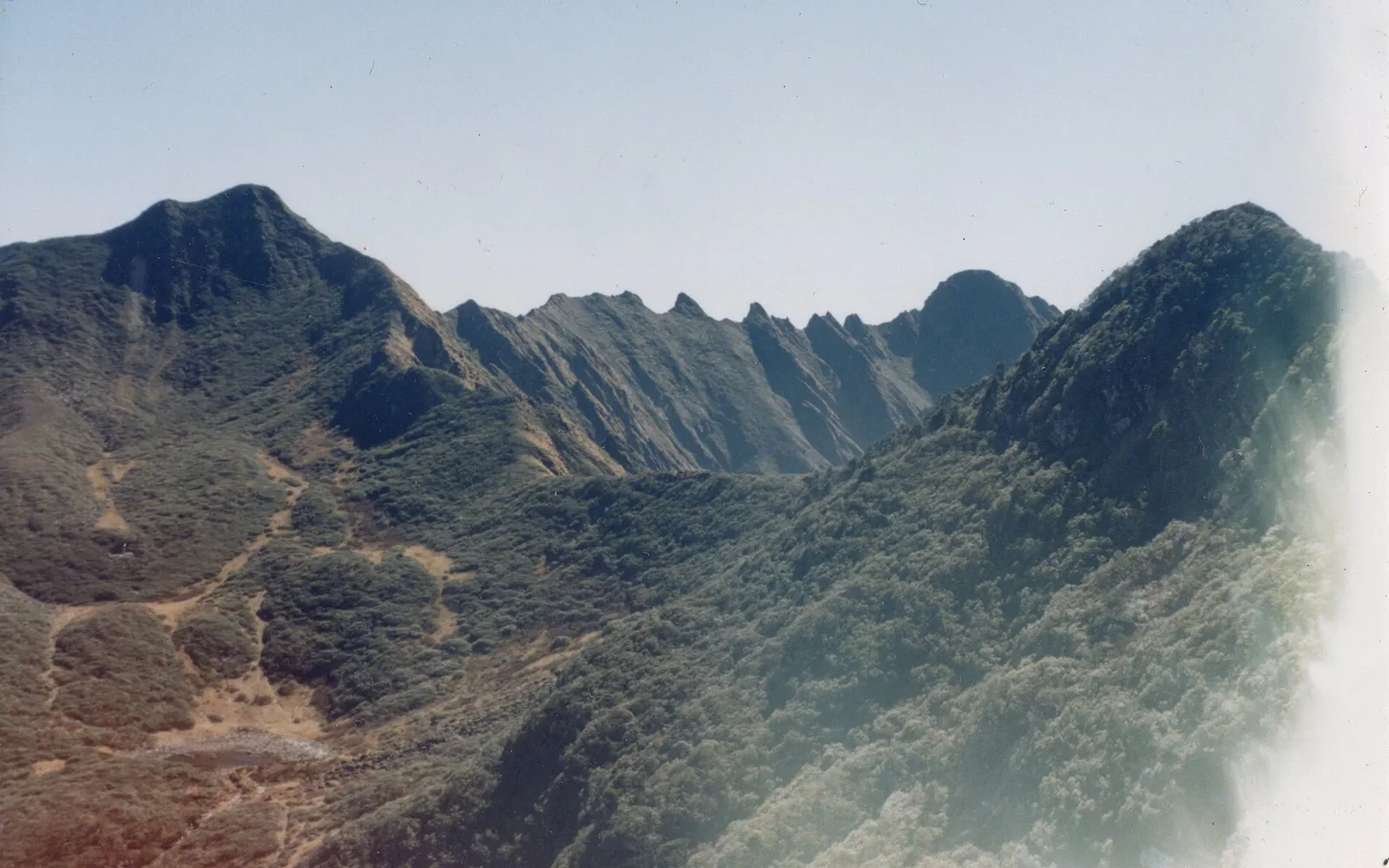
The Cangshan range is made up of 19 peaks stretching 48 kilometres, with the highest, Malong Peak, rising 4,122 metres. Several peaks are snow-capped year-round. There is a cable car and the long Jade Belt Road that runs parallel to the ridge, giving the most beautiful views of Erhai Lake.
- Take the cable car from Dali up to various points to save energy and time.
- The Jade Belt Road trail runs 18 km — you can walk just a section of it.
- Temperatures on the mountain are much lower than in town, so always pack a warm jacket.
 #5
#5 Xizhou Town
Xizhou is one of the quietest and best-preserved ancient Bai villages in Dali, with more than 100 well-kept Bai-style houses from the Ming and Qing dynasties. It is also the birthplace of the famous 'Xizhou baba' flatbread. The mood in the village is far quieter than Dali Old Town, ideal for anyone who likes to soak up local life.
- Try 'Xizhou baba,' the special charcoal-baked homemade flatbread here — find it at the morning market.
- Rent a bicycle to explore the small lanes and alleys of the village.
- If you want to stay overnight, there are Bai homestays that welcome travelers.
 #6
#6 Shuanglang Ancient Town
Shuanglang is known as the 'most beautiful viewpoint' of Dali, because it takes in both the Cangshan range and Erhai Lake together perfectly. This small ancient town has narrow stone alleys, easygoing remote cafes, and an atmosphere that artists and travelers fall for.
- Walk up to the highest point of the town for a 360-degree view.
- The village gets very busy during long holidays — come on a weekday if you prefer quiet.
- There are boats out to a small island offshore called the 'island in the heart of the lake.'
 #7
#7 Butterfly Spring (Hudie Quan)
Butterfly Spring is a small sacred pool with water as clear as glass, ringed by pine trees. During the Butterfly Festival (the 4th lunar month, around May-June), tens of thousands of butterflies gather here into a curtain of color. Bai folk legend says two lovers transformed into butterflies here to be together for eternity.
- During the Butterfly Festival (late May-June) the butterflies gather at their densest.
- Outside butterfly season the mood is quiet and peaceful, good for resting by the pool.
- It is often combined with a visit to Zhoucheng village on the same day.
 #8
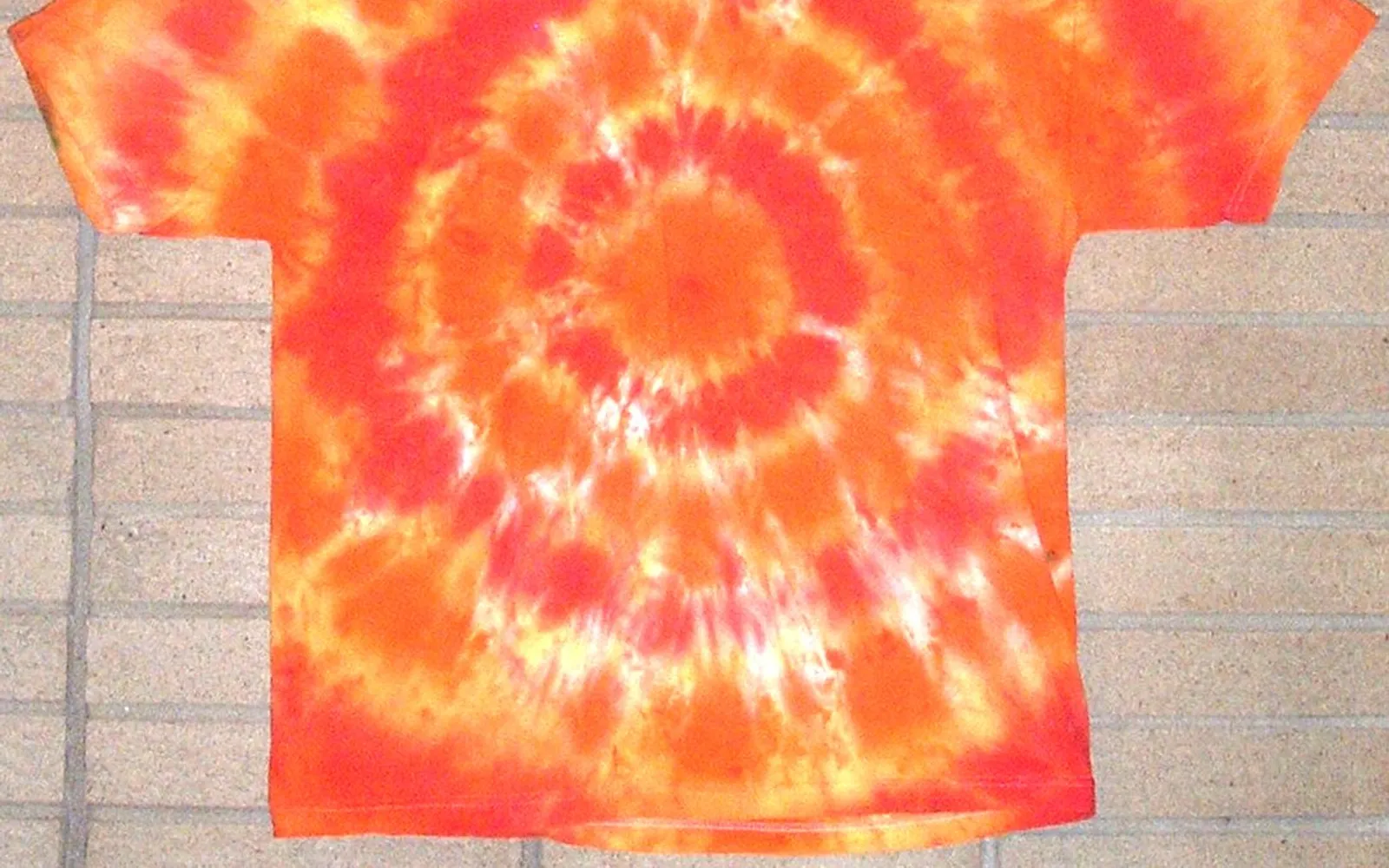
#8 Zhoucheng Village — Bai Tie-Dye
Zhoucheng is nicknamed the 'home of tie-dye art.' The Bai people here have passed down the technique of dyeing cloth with natural indigo for hundreds of years. The blue-and-white tie-dye cloth, with its intricate patterns, is the signature product. At the morning market and local craft shops, travelers can watch demonstrations, try the tie-dye themselves, and buy cloth as a special souvenir.
- Try a tie-dye workshop yourself — craftspeople in the village often teach for a reasonable price.
- Genuine natural indigo cloth fades over time — that is part of the charm of traditional craft.
- Come in the morning to see the production and get better prices than in the afternoon.
Where to stay in Dali for this trip
A well-located hotel means less commuting and more sightseeing. Here are real, top-rated stays in Dali — compare Agoda · Booking · Trip.com in one click.
Courtyard Hotel Dali Ancient City
Affiliate links — we may earn a commission at no extra cost to you. Details
Ronglu Hotel
Affiliate links — we may earn a commission at no extra cost to you. Details
Deer Inn
Affiliate links — we may earn a commission at no extra cost to you. Details
Dali Qingxin Garden Courtyard Hotel
Affiliate links — we may earn a commission at no extra cost to you. Details
Tours, tickets & activities in Dali
Day tours, attraction tickets and travel essentials for Dali — book ahead on Klook with mobile e-tickets.
Affiliate links — we may earn a commission at no extra cost to you.
Before You Pack
Dali deserves at least 3-5 days to explore the old town, the villages around the lake, and the Cangshan climbing routes. The weather is good year-round, so it looks beautiful whenever you go.