Chengdu, the capital of Sichuan province, is one of the most exciting destinations in China. With food that's fiery and world-famous, a tea culture that runs deep, and the giant panda as the city's symbol, this is the first place in Asia that UNESCO named a City of Gastronomy. The sights here range widely, from ancient Buddhist temples and Qing-dynasty alleys to the UNESCO World Heritage Sites that ring the city just beyond its edges.
 #1
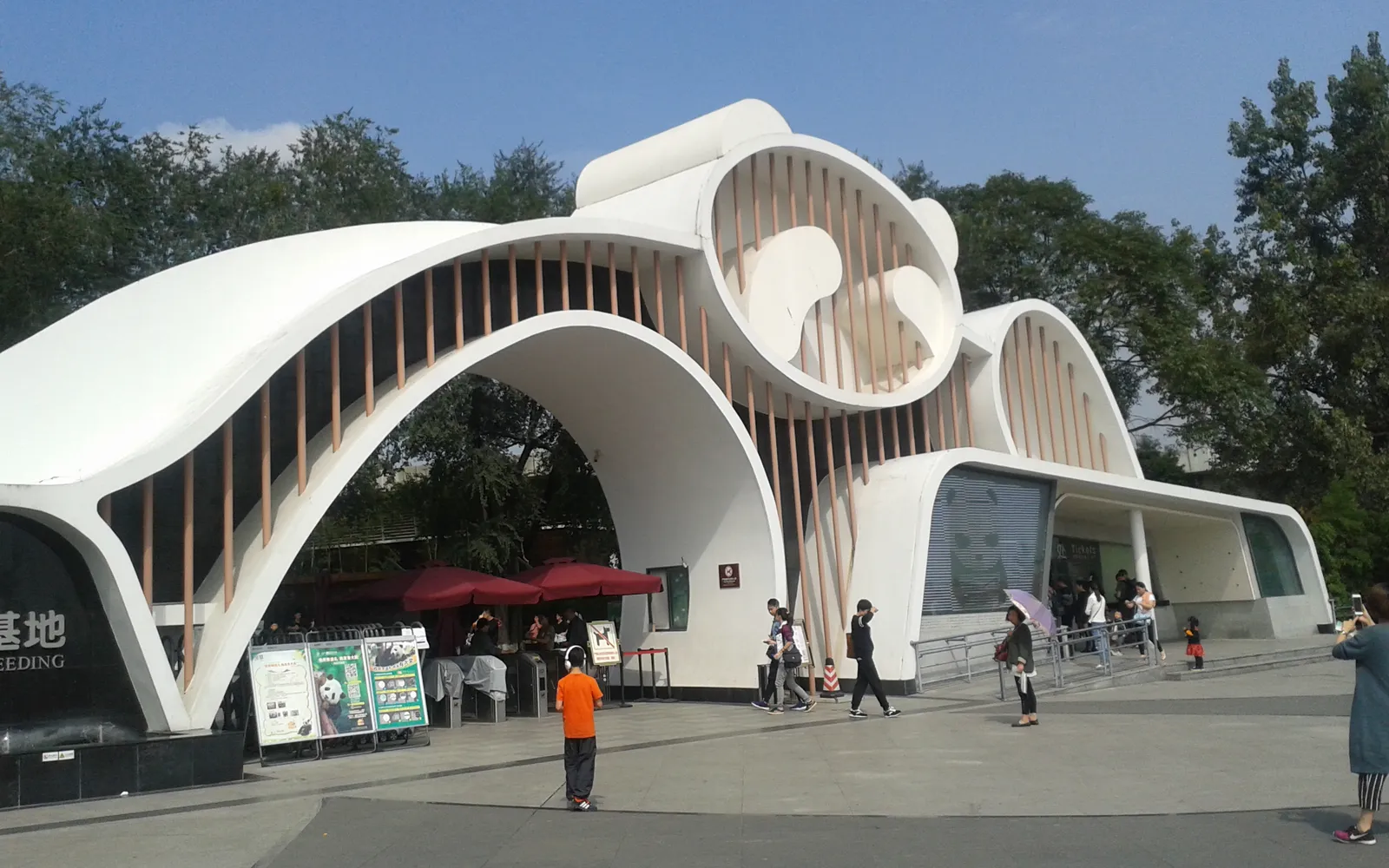
#1 Chengdu Research Base of Giant Panda Breeding
The largest giant panda breeding base in the world, founded in 1987 with just 6 sick pandas. Today it cares for more than 244 pandas across a re-created habitat thick with bamboo forest and lakes, spanning over 3 sq km. It includes a panda museum and a theatre that teaches conservation. Come before 10 a.m. to catch the pandas at their liveliest.
- Arrive early, 8:00-10:00 a.m. — feeding time, when the pandas move around the most
- Allow 4-6 hours to walk the whole base; renting a golf cart inside is a good idea
- Buy tickets online in advance, as daily visitor numbers are capped
 #2
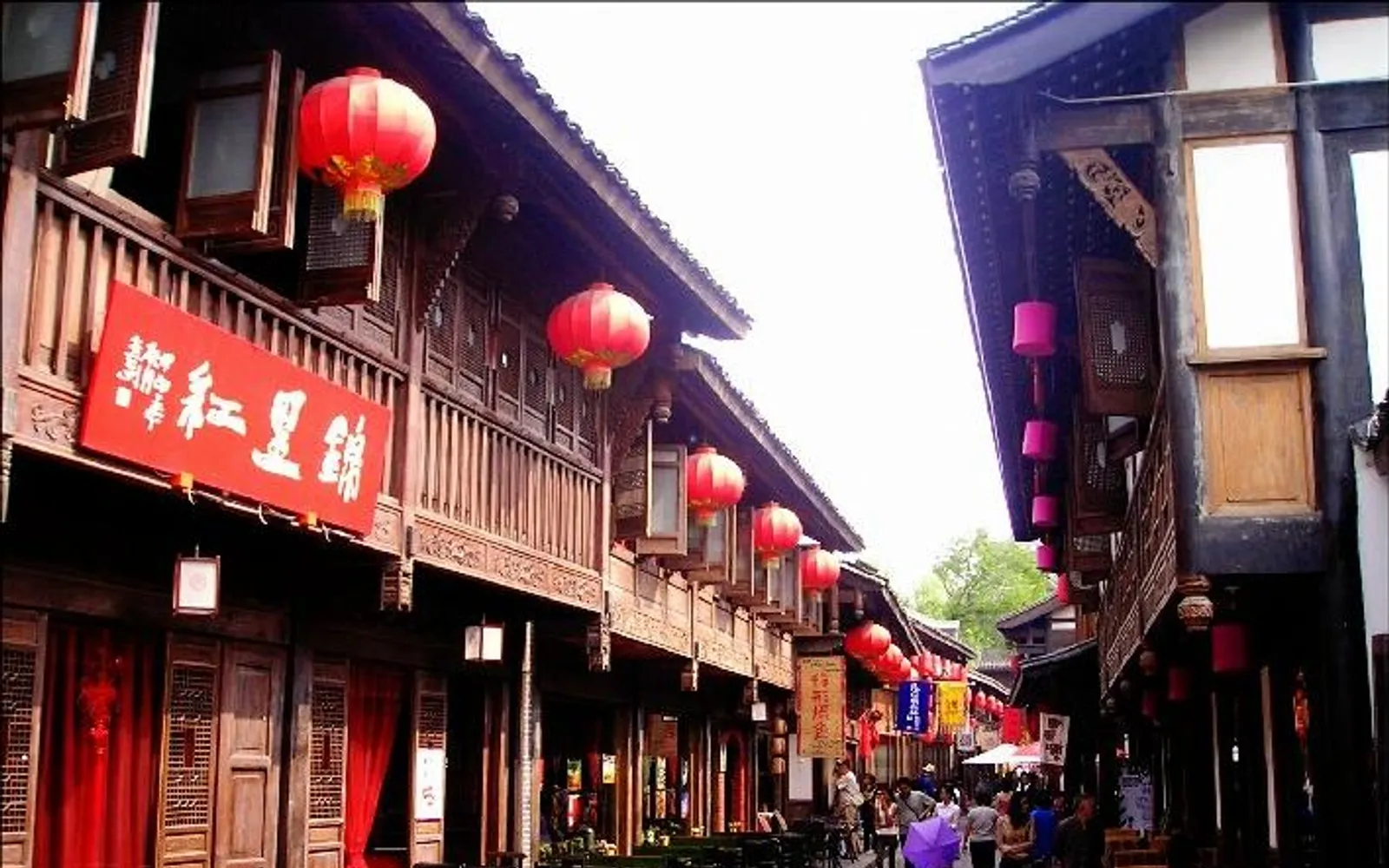
#2 Jinli Ancient Street
A 550-metre ancient street in Ming and Qing dynasty style, once the silk-trading hub of the Shu kingdom. Today it's a walking quarter packed with souvenir shops, local food, shadow-puppet performances and folk arts. After dark the red lanterns glow, and the mood turns very romantic.
- Evening (6:00-9:00 p.m.) is the prettiest, when the lanterns light up
- Try traditional sweets like sugar paintings (糖画) and crispy mochi
- This street runs straight into the Wuhou Shrine, so you can visit both together
 #3
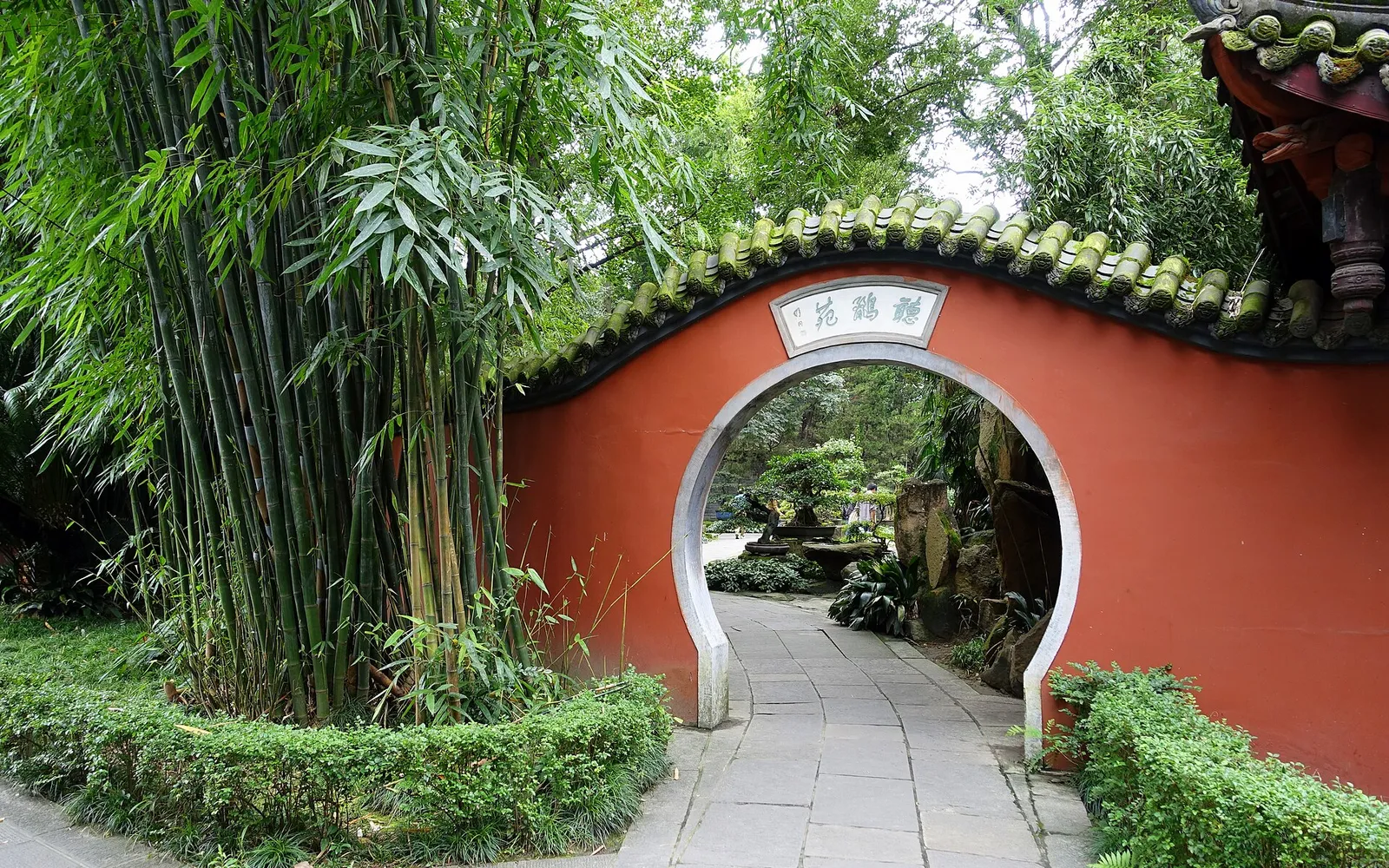
#3 Wuhou Shrine
A shrine built in 223 AD to honour Zhuge Liang (Kongming) and Liu Bei, two heroes of the Three Kingdoms era. It's the only shrine in China that worships both a king and his adviser in the same place. Inside you'll find rare bronze statues and ancient battle maps to study.
- Weekday mornings are quiet, so you can wander in peace
- Hire an English-speaking guide to understand the Three Kingdoms history hidden in every corner
- A combined ticket with Jinli Street is better value
 #4
#4 Kuanzhai Alley
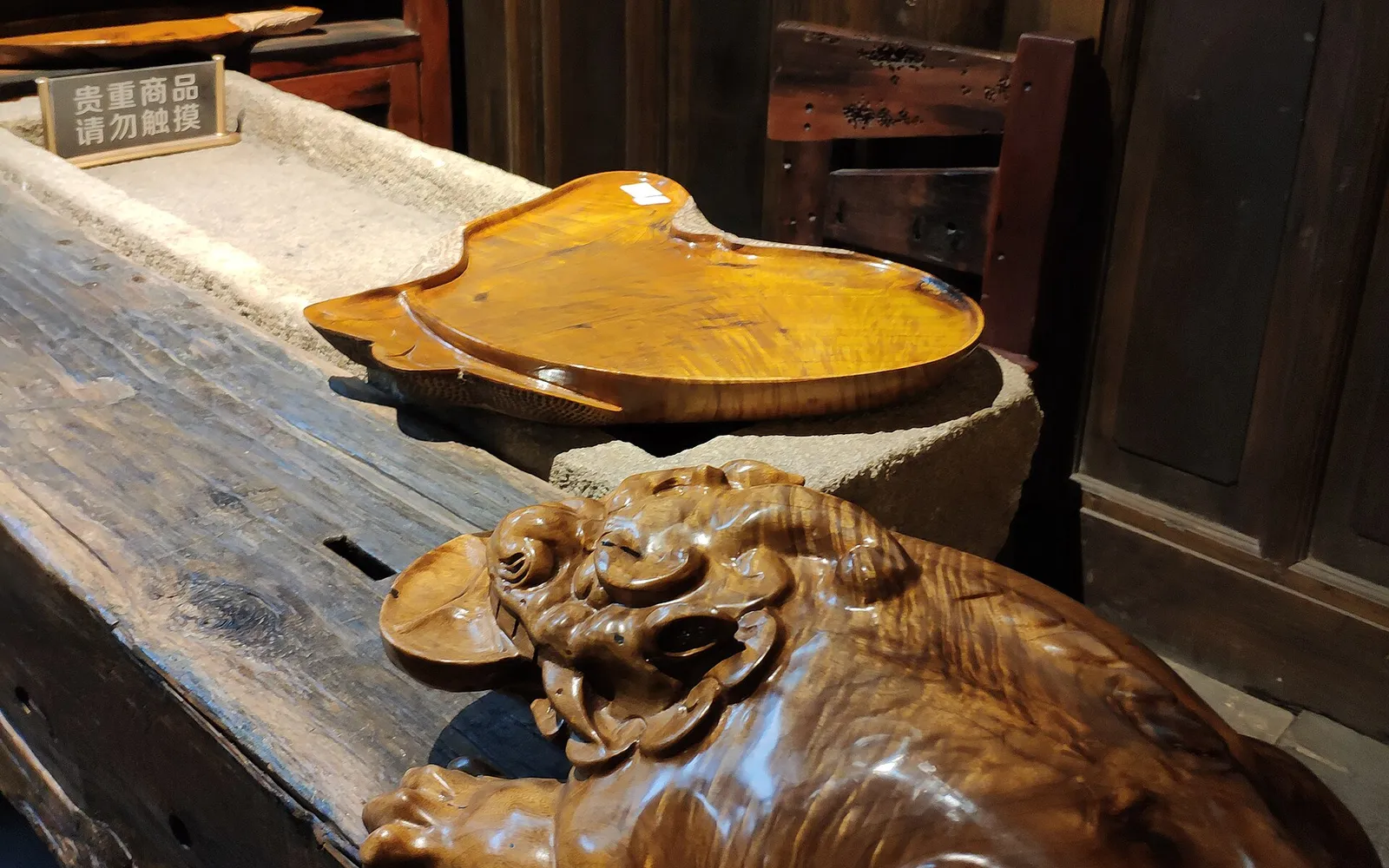
A preserved quarter of Qing-dynasty architecture made up of two lanes — the Wide Alley and the Narrow Alley — with a calmer feel than Jinli. There are tea houses, designer boutiques, restaurants, and old courtyard homes turned into cafes. It's a good place for an easy stroll and good photos.
- The Narrow Alley is quieter, ideal for sitting over tea and taking photos
- Tea houses in the old courtyards serve mapo eggs and jasmine tea
- Midday to 2 p.m. the crowds are thick, so come in the morning
 #5
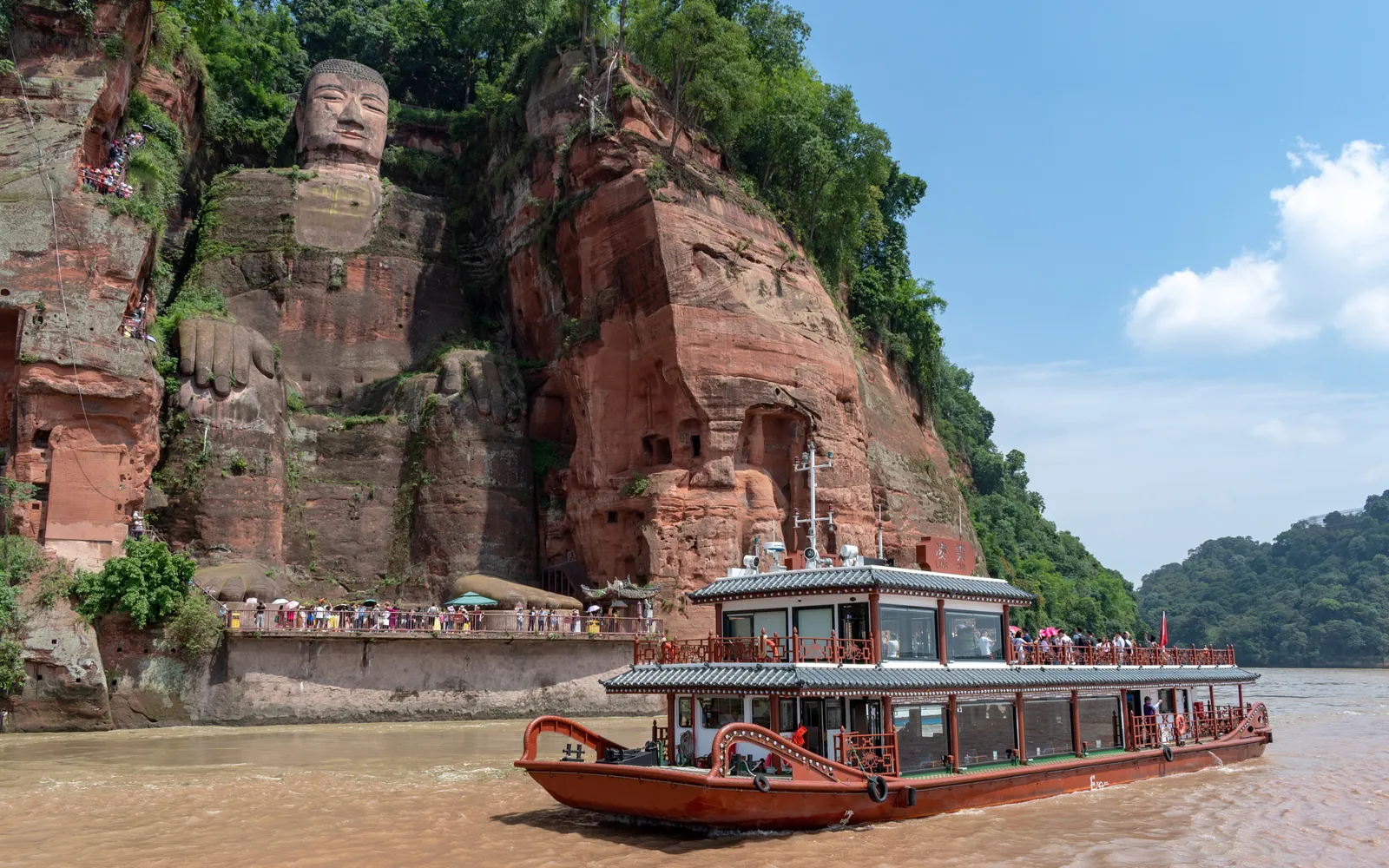
#5 Leshan Giant Buddha
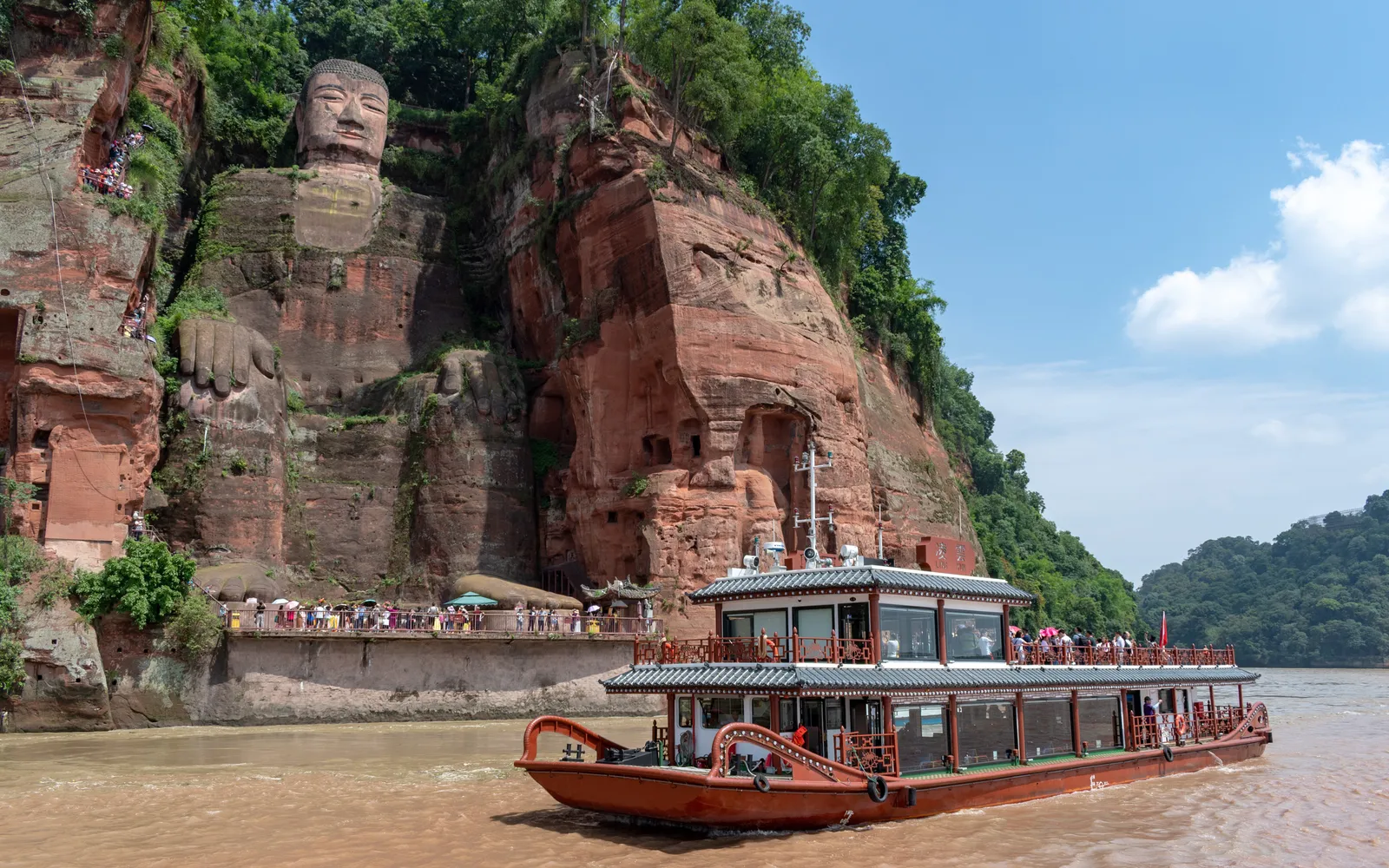
The largest stone-carved Buddha in the world, standing 71 metres tall, built between 713 and 803 AD during the Tang dynasty to protect boatmen from the rushing waters where three rivers meet. Today it's a UNESCO World Heritage Site, and you can see it both from a boat and along the walking path that circles the figure.
- Take a boat to see the Buddha from the river — a grander view than from the bank (1 hour)
- The walking path down to the Buddha's face is very steep; wear comfortable shoes and allow 2-3 hours
- Buy tickets online in advance, as there's a daily visitor quota
 #6
#6 Mount Qingcheng and Dujiangyan Irrigation System
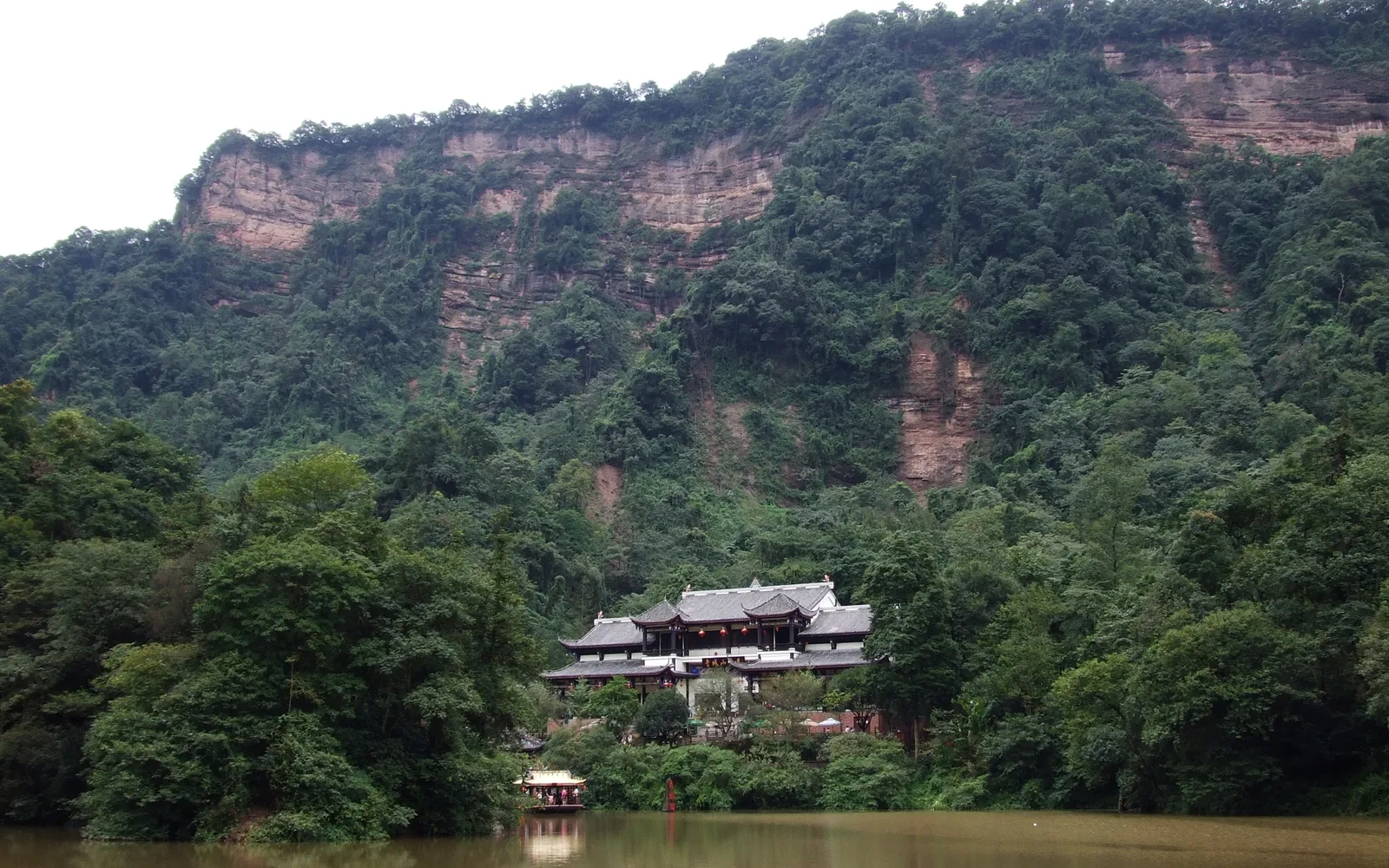
A pair of UNESCO World Heritage Sites. Mount Qingcheng is regarded as the birthplace of Taoism in China, with ancient Taoist temples and forest trails through beautiful scenery. Dujiangyan is a 2,200-year-old irrigation system that still works to this day, built by Li Bing to protect Chengdu from flooding.
- Visit Dujiangyan in the morning and climb Mount Qingcheng in the afternoon — doable in one day
- The cable car to the summit of Mount Qingcheng (reasonably priced) saves your legs if you're short on time
- Pick up a round-faced cat plush or Taoist souvenirs you'll only find here
 #7
#7 People's Park
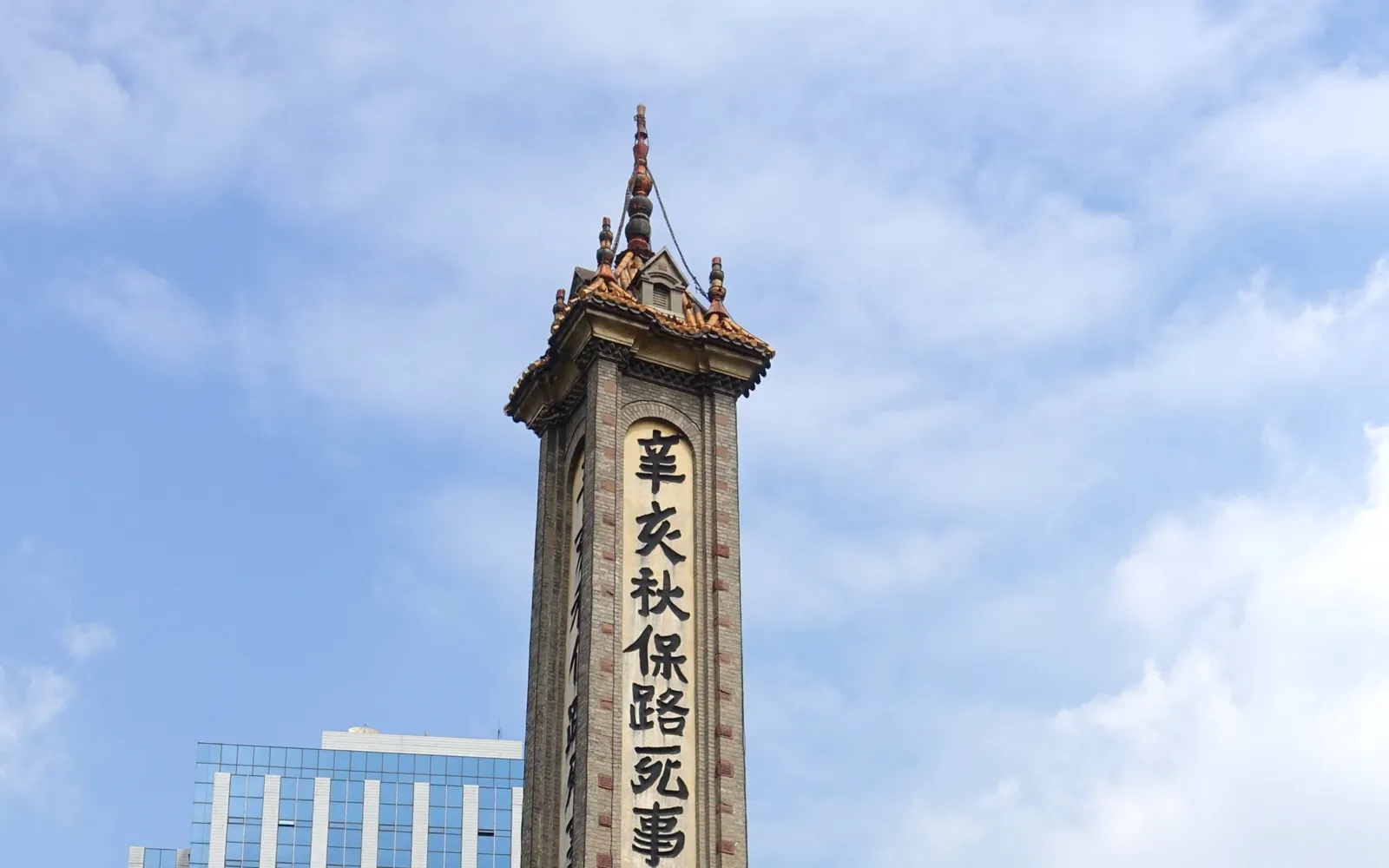
The heart of Chengdu's laid-back culture. This free park is where locals come every day to drink tea, play mahjong, sing, and dance. The century-old Heming Tea House sits by the lake, and it's the best place to feel the real daily life of Chengdu's people.
- Sit with a jasmine tea while watching the mahjong players and listening to folk songs
- The weekend Marriage Market on Saturday and Sunday mornings is a fascinating local custom to watch
- Tea is served in a traditional gaiwan cup and is very cheap, around 15-30 yuan
 #8
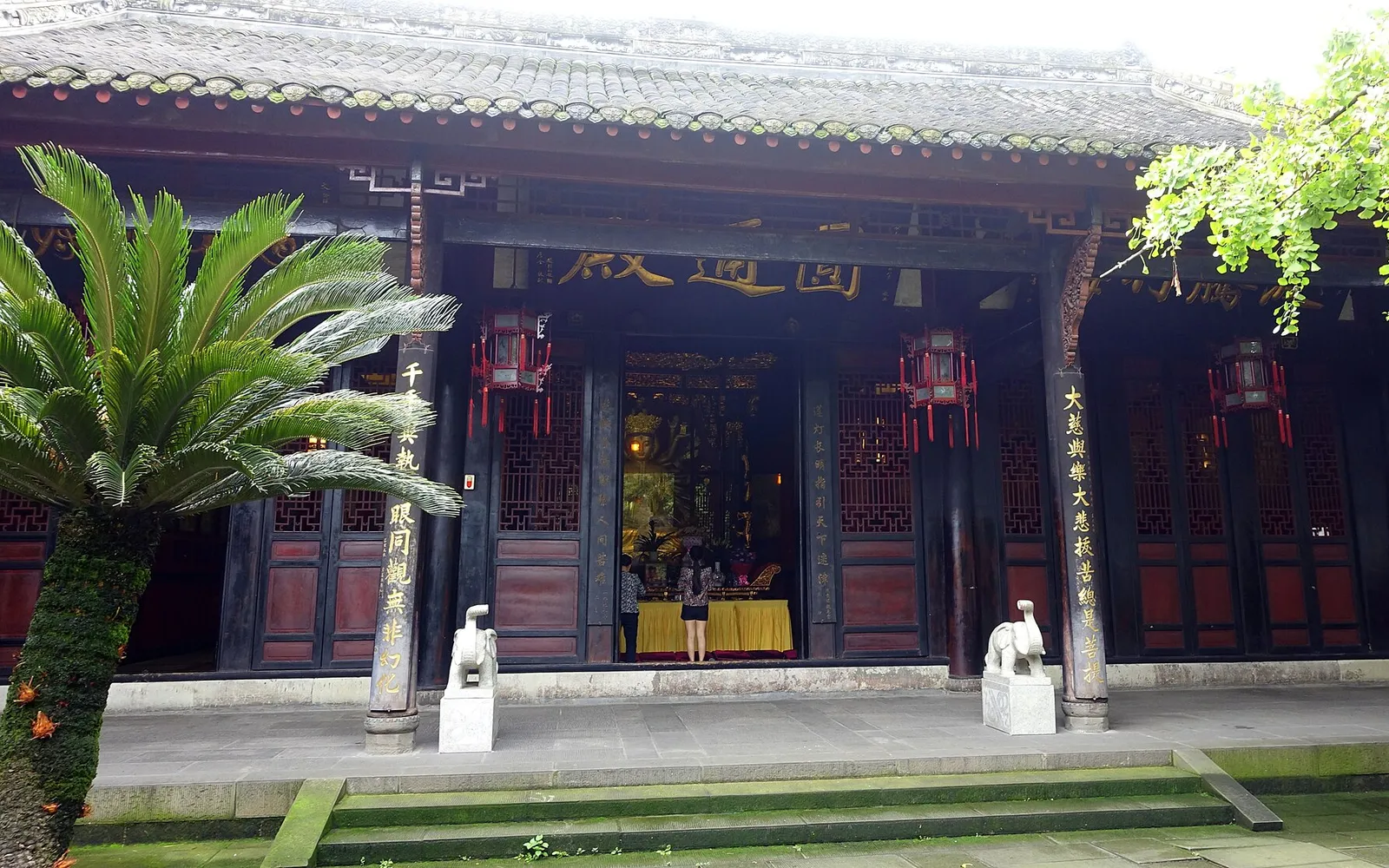
#8 Wenshu Monastery
The largest and best-preserved Zen Buddhist temple in Chengdu, first built during the Sui dynasty (around 605-617 AD). It has five Qing-dynasty halls enshrining more than 300 Buddha images, including a skull relic of the monk Xuanzang. Outside there's a market of Buddhist souvenirs and good vegetarian restaurants.
- Free entry, open 8:00 a.m.-5:00 p.m. daily (last entry 4:30 p.m.)
- The bell-ringing ceremony at 6:30 a.m. and 4:00 p.m. is a moving experience to remember
- The temple's vegetarian restaurant has wonderful food, especially the house-made tofu and vegetable noodles
Where to stay in Chengdu for this trip
A well-located hotel means less commuting and more sightseeing. Here are real, top-rated stays in Chengdu — compare Agoda · Booking · Trip.com in one click.
Fraser Suites Chengdu
Affiliate links — we may earn a commission at no extra cost to you. Details
Niccolo Chengdu
Affiliate links — we may earn a commission at no extra cost to you. Details
Tianfu Square Serviced Suites by Lanson Place
Affiliate links — we may earn a commission at no extra cost to you. Details
Grand Hyatt Chengdu
Affiliate links — we may earn a commission at no extra cost to you. Details
Tours, tickets & activities in Chengdu
Day tours, attraction tickets and travel essentials for Chengdu — book ahead on Klook with mobile e-tickets.
Affiliate links — we may earn a commission at no extra cost to you.
Before You Pack
Chengdu is an easy city to get around thanks to its far-reaching metro system, and most sights in the city are free or very cheap to enter. Plan at least 4-5 days to cover both the city and day trips out of town like Leshan and Mount Qingcheng.