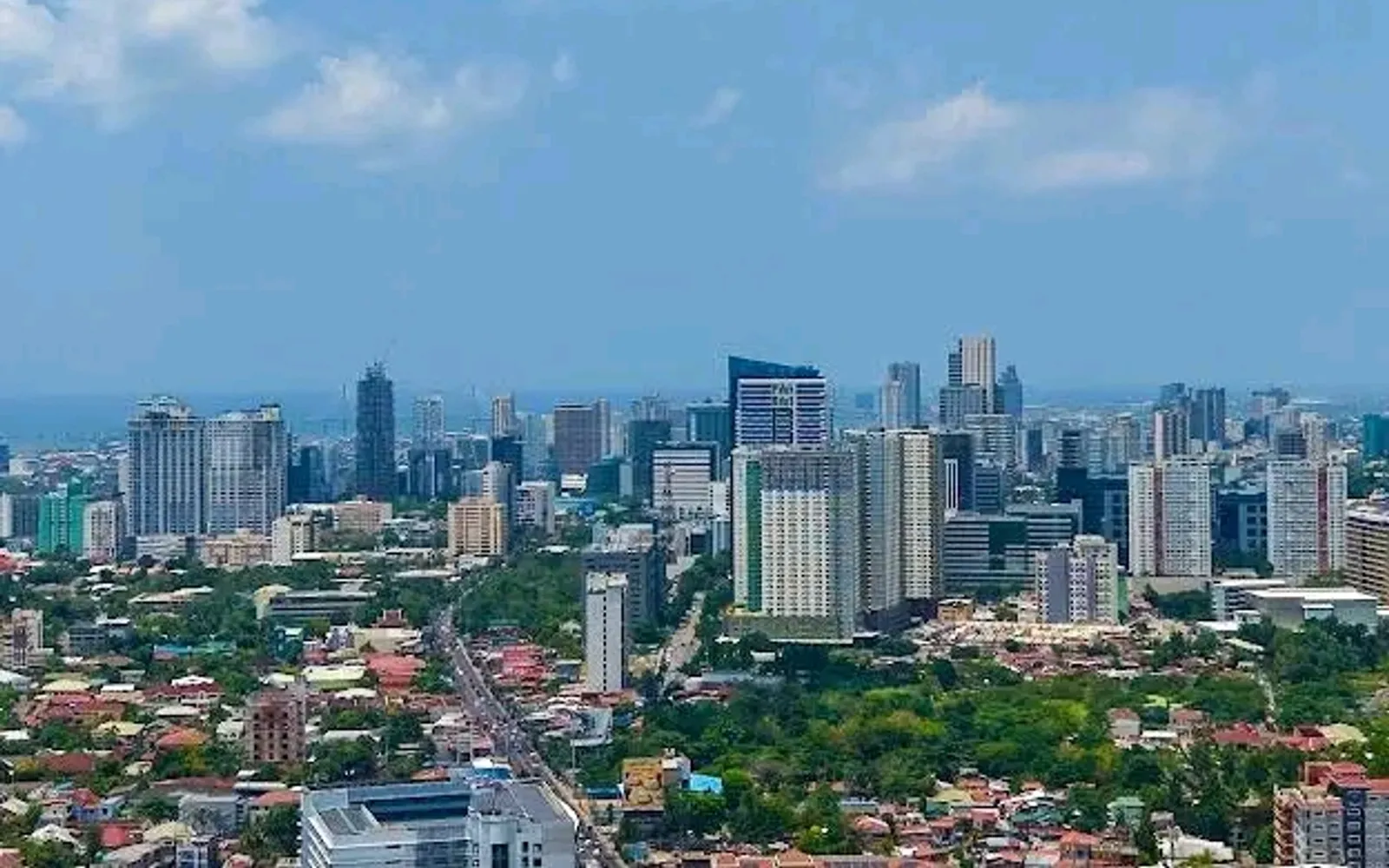
Cebu City is the oldest city in the Philippines, founded by Spain in 1565 on Cebu Island — one of the Visayas islands at the geographic heart of the archipelago. Colonial history, beautiful beaches, and a distinct Cebuano culture all converge here in a single city. Beyond the historic sites downtown, you'll find turquoise waterfalls, hilltop flower gardens, and island-hopping tours around Mactan that make Cebu a genuinely well-rounded destination.
 #1
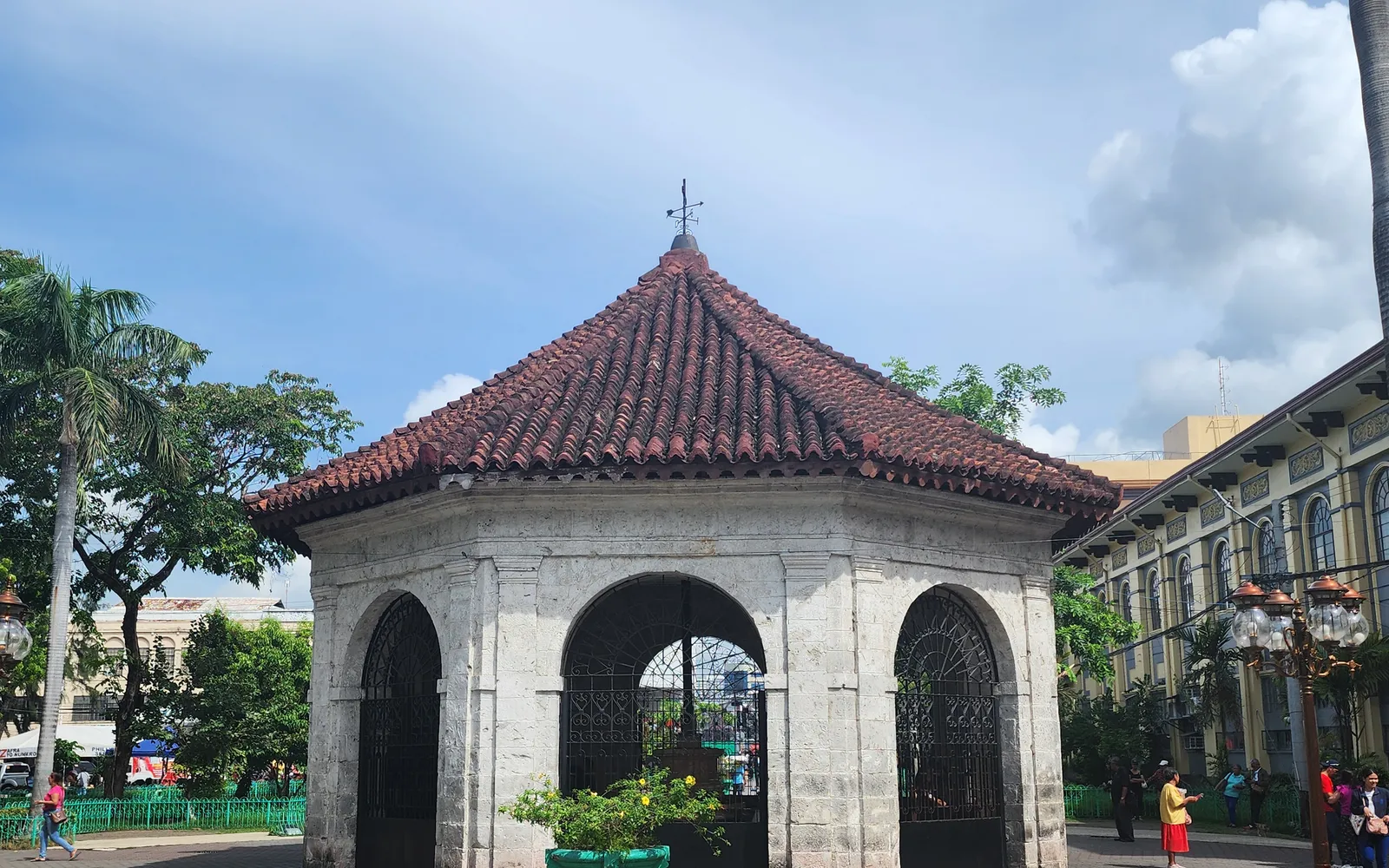
#1 Magellan's Cross
The wooden cross that Ferdinand Magellan planted on 14 April 1521 to mark the baptism of Rajah Humabon and the indigenous people of Cebu — the most significant symbol of Christianity's arrival in the Philippines. The original cross was encased in tindalo wood in 1835 to prevent people from secretly chipping off pieces they believed had miraculous power. The octagonal coral-stone chapel that protects it today is a registered National Cultural Treasure.
- Entry is free; allow 20-30 minutes, and combine it with the Basilica del Santo Niño right next door.
- The chapel ceiling is covered in painted murals telling the story of Magellan and the baptism — look up when you step inside.
- Arriving before 09:00 means far fewer people and calmer conditions for photos than the midday rush.
 #2
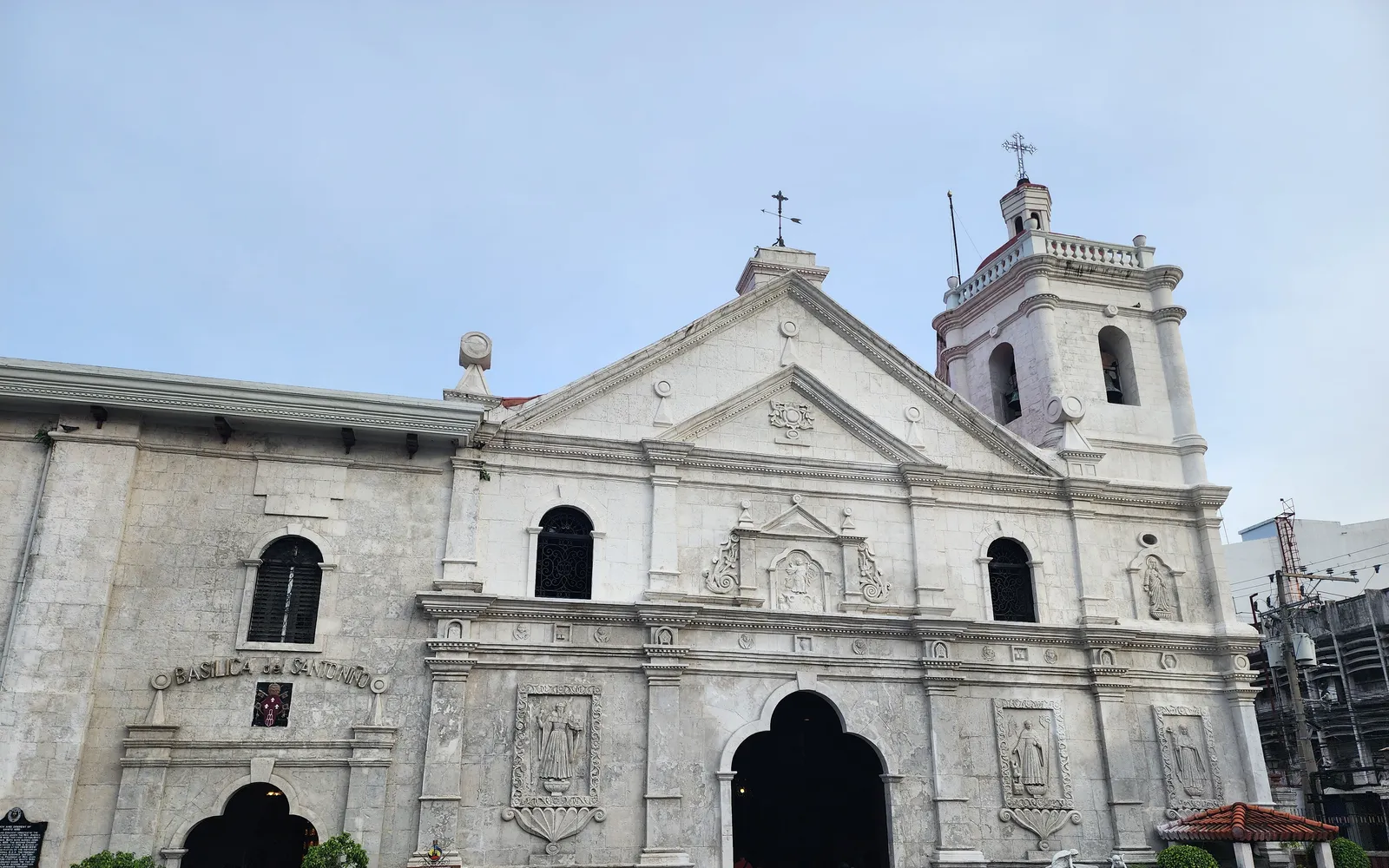
#2 Basilica del Santo Niño
Founded in 1565 by Augustinian friars, this is the <strong>oldest Catholic church in the Philippines</strong>. It enshrines the Santo Niño — the image of the Child Jesus that Magellan presented to the wife of Rajah Humabon in 1521 — a relic deeply venerated across the country. The basilica is the spiritual centre of the Sinulog Festival, held every third Sunday of January and considered one of the grandest festivals in Asia.
- Dress modestly — shoulders and knees must be covered. No sleeveless tops or shorts. Wraps are available at the entrance.
- Mass is held multiple times daily. Check the schedule in advance if you want to witness a full service.
- The museum inside the basilica displays historically significant artifacts; entry is around 100 pesos.
 #3
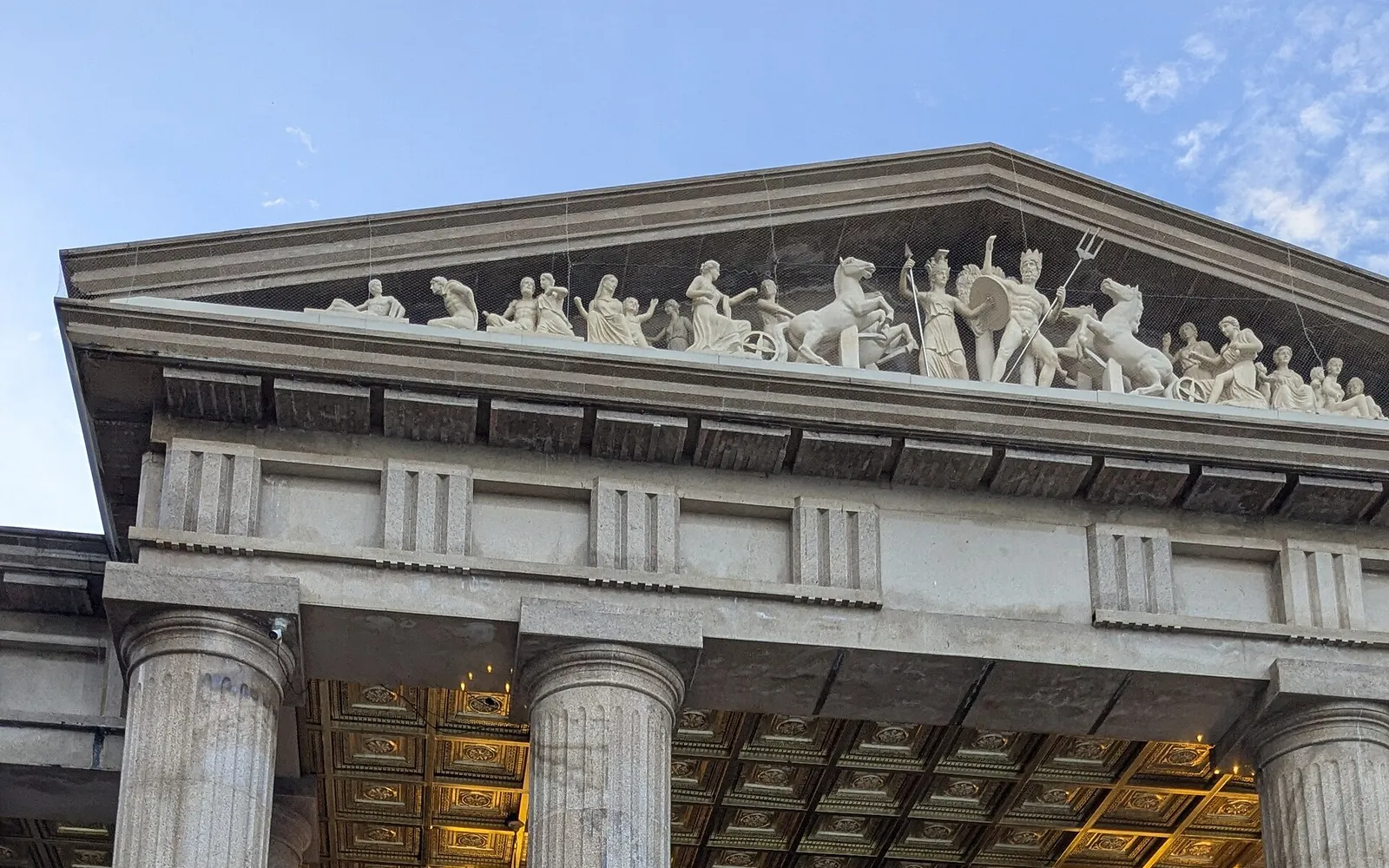
#3 Temple of Leah
Often called the Taj Mahal of Cebu, this structure was built in 2012 by Teodorico Adarna, a wealthy businessman, as a permanent tribute to his wife Leah Villa Albino-Adarna, who died of lung cancer. The Greco-Roman architecture features stone columns, carved pediments, and marble statues set on a hillside with a 360-degree view of Cebu City and the sea. It has become one of the most popular photography and sunset-viewing spots on the island.
- Sunset around 17:30–18:30 is when the view of Cebu City is at its most dramatic.
- Admission is around 50 pesos; open daily 07:00–18:00.
- The staircase is steep — wear comfortable flat shoes, not heels.
 #4
#4 Sirao Flower Garden
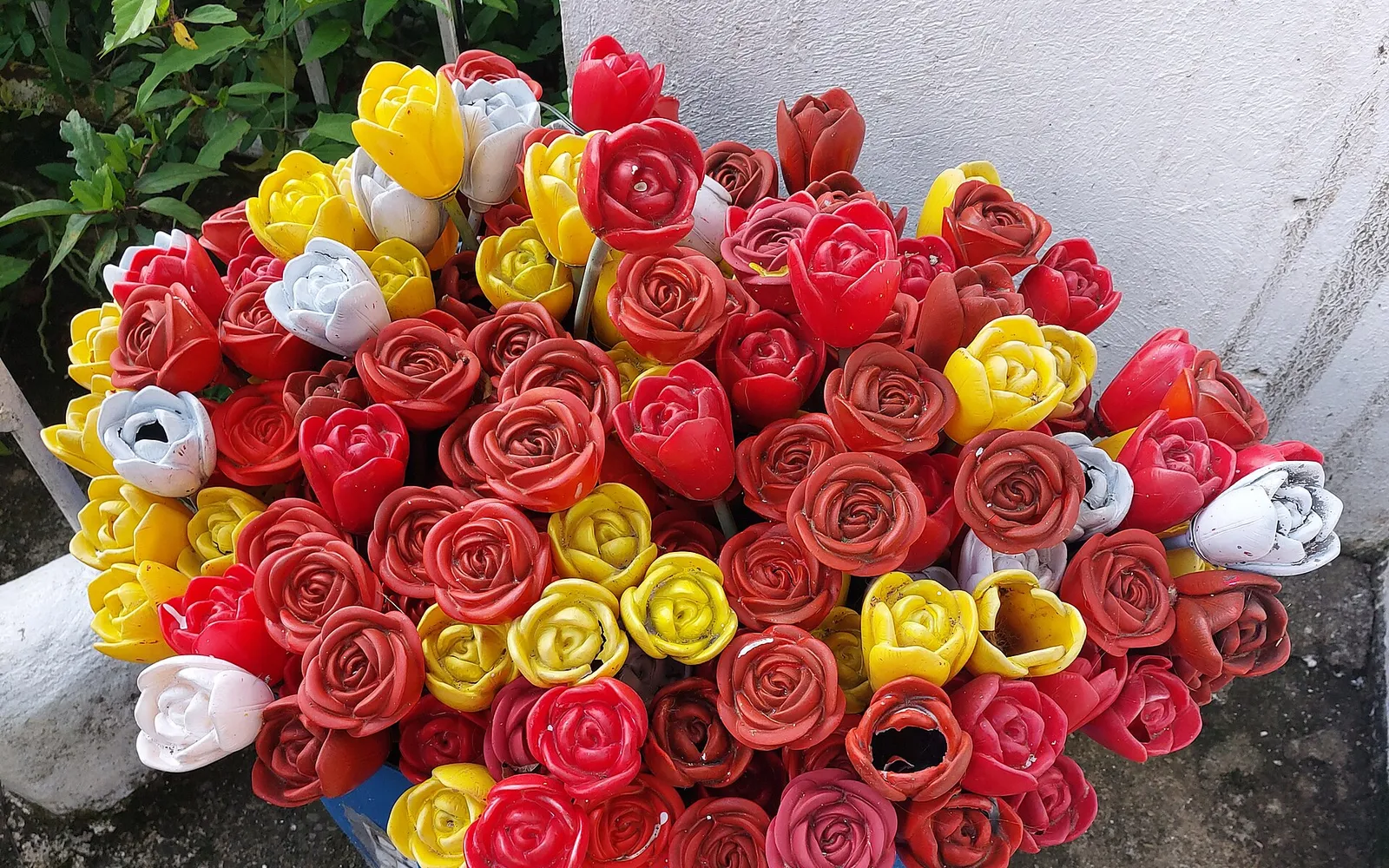
Nicknamed the Little Amsterdam of Cebu, this garden started as a small husband-and-wife farm growing celosia (cockscomb flowers) for the local market. Photographers discovered it, and it grew into a full tourist attraction. The highlight is the sea of flame-like orange-red celosia, complemented by sunflowers and hyacinths, plus creative installations — a giant hand sculpture and windmills that give the hillside a whimsical character suited to every kind of photo.
- Peak bloom is March–May, but the garden is open year-round since crops are rotated continuously.
- Entry is 100 pesos per person; open 06:00–18:30. The early morning light is soft, the temperature is cool, and crowds are thin.
- Most visitors combine this with the Temple of Leah and Tops Lookout, as all three are on the same mountain road.
 #5
#5 Tops Lookout
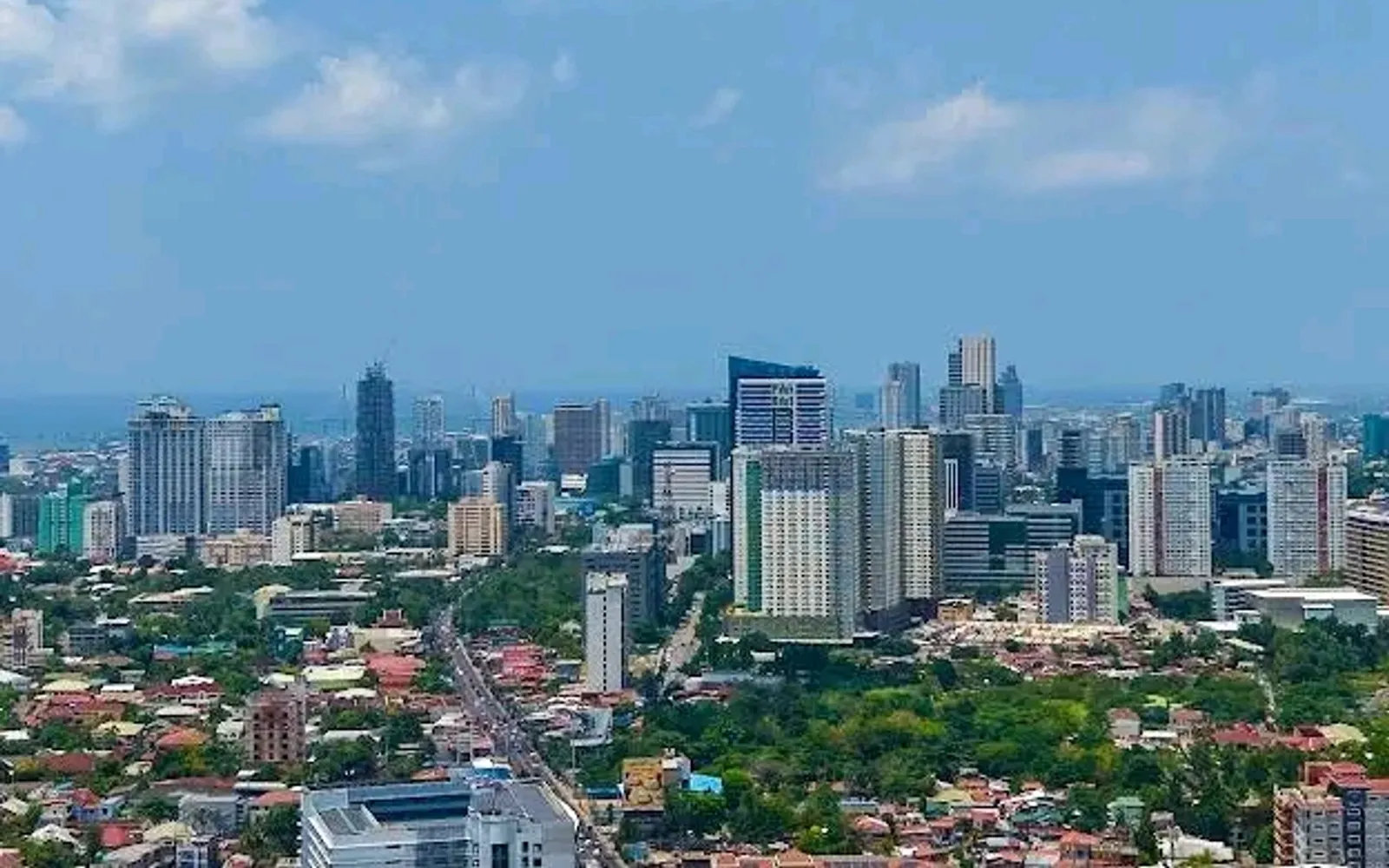
Sitting at 600 metres above sea level on Busay Hill, this is the best elevated viewpoint in Cebu. On a clear day you can see the entire city, Mactan Island, the Marcelo Fernan Bridge, and the surrounding sea in all directions — and sometimes as far as Bohol and Leyte provinces. A small complex of cafés, a bar, and a restaurant occupies a fort-like building on the summit, open 24 hours, making it a viable spot day or night.
- Arrive around 17:30 to watch the sunset and then stay as the city lights come on — two experiences in one visit.
- The summit is noticeably cooler and windier than the city below, even in summer. Bring a light layer.
- Admission is around 50–100 pesos. Parking is available, and habal-habal motorbike taxis serve the spot.
 #6
#6 Fort San Pedro
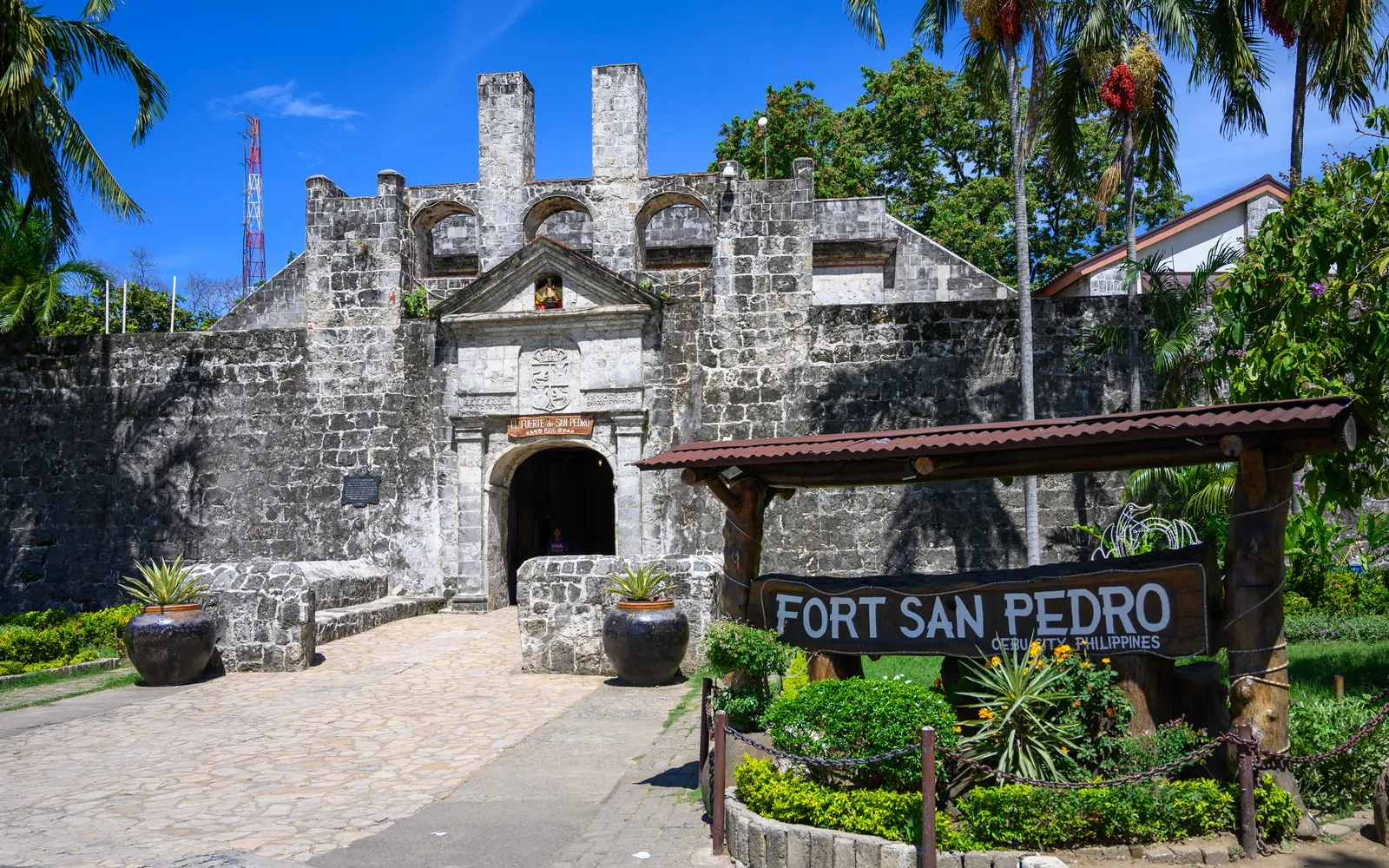
The oldest fort in the Philippines, built by Miguel López de Legazpi in 1565. It has a triangular footprint with three corner bastions, walls standing 6 metres high and 2.4 metres thick, built to defend against raids by Moro pirates. Over the centuries it served as a base for Spanish, Filipino, and American forces. Today it has been restored as an open-air museum with well-kept gardens, historical exhibition halls, and an outdoor amphitheatre.
- Admission for foreign visitors is around 30 pesos; open daily 08:00–18:00.
- The surrounding Plaza Independencia is a pleasant park to walk through — look for the Lapu-Lapu monument honoring the chieftain who defeated Magellan.
- Worth combining with other downtown heritage sites such as the Yap-Sandiego Ancestral House.
 #7
#7 Kawasan Falls
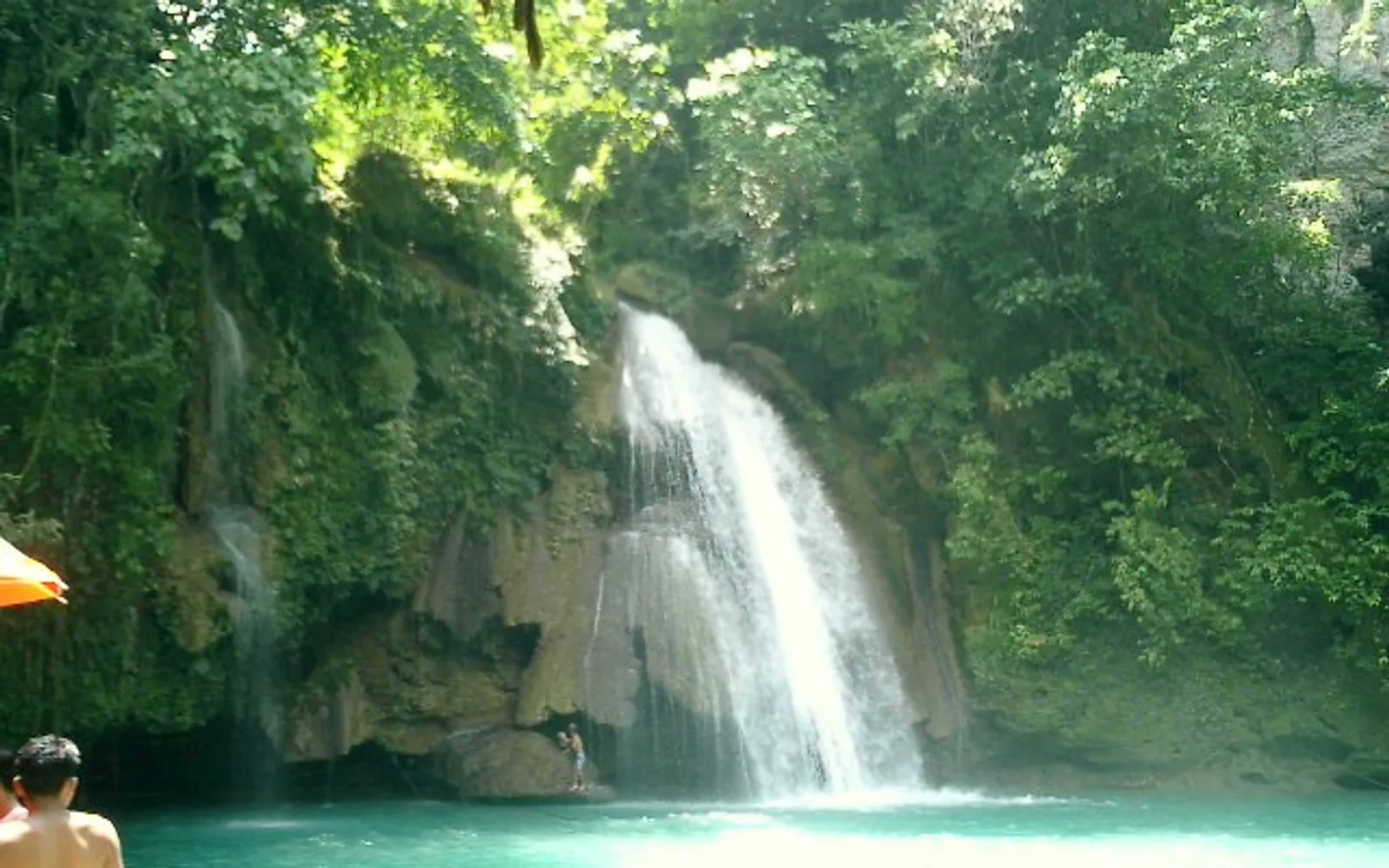
The most striking natural spring waterfall in the Philippines, its water fed by the Kabukalan spring through the Kawasan gorge and into the Matutinao River. The main tier drops approximately 40 metres, and the water's vivid blue-green color comes from dissolved minerals in the spring — not the sea. Adventure travelers do the canyoneering route, a 3-5 hour journey through tropical forest, rock slides, and cliff jumps that ends at the falls. Hikers who prefer a straightforward walk can reach the base in about 15 minutes from the trailhead.
- Skipping canyoneering? The walk-in trail from the parking area takes about 15 minutes; entrance fee is 50 pesos.
- Leave Cebu City between 05:00 and 06:00 to get ahead of the canyoneering tour groups.
- Only reef-safe sunscreen is permitted in the water — this protects the mineral coloring that makes the falls so distinctive.
 #8
#8 Mactan Island Hopping
Mactan Island sits just across the bridge from Cebu City and is the main hub for island-hopping tours in Cebu. A standard tour typically takes in Hilutungan Island (a coral reserve popular for snorkeling), Nalusuan Island (white sand and shallow swimming), and Caohagan Island (a quieter, low-key stop). The main activities are snorkeling among colorful fish, swimming, sunbathing, and a barbecue lunch served on the island.
- Most tours depart from Mactan pier and include hotel pick-up; prices run roughly 800–1,500 pesos per person.
- Bringing your own reef-safe sunscreen and snorkel gear will save money compared to renting from the tour operator.
- For more adventure, ask to extend the trip to Pandanon Island, known for its long stretch of white sandbar.
Where to stay in Cebu for this trip
A well-located hotel means less commuting and more sightseeing. Here are real, top-rated stays in Cebu — compare Agoda · Booking · Trip.com in one click.
ZEN Rooms M. Velez Street
Affiliate links — we may earn a commission at no extra cost to you. Details
Radisson Blu Cebu
Affiliate links — we may earn a commission at no extra cost to you. Details
One Central Hotel & Suites
Affiliate links — we may earn a commission at no extra cost to you. Details
Shejoje Poshtel Hostel
Affiliate links — we may earn a commission at no extra cost to you. Details
Tours, tickets & activities in Cebu
Day tours, attraction tickets and travel essentials for Cebu City — book ahead on Klook with mobile e-tickets.
Affiliate links — we may earn a commission at no extra cost to you.
Before You Pack
Cebu City rewards repeat visits — its historical layers and natural surroundings feel fresh each time. Plan for at least 4-5 days to take in both the downtown sites and the outlying attractions without feeling rushed.