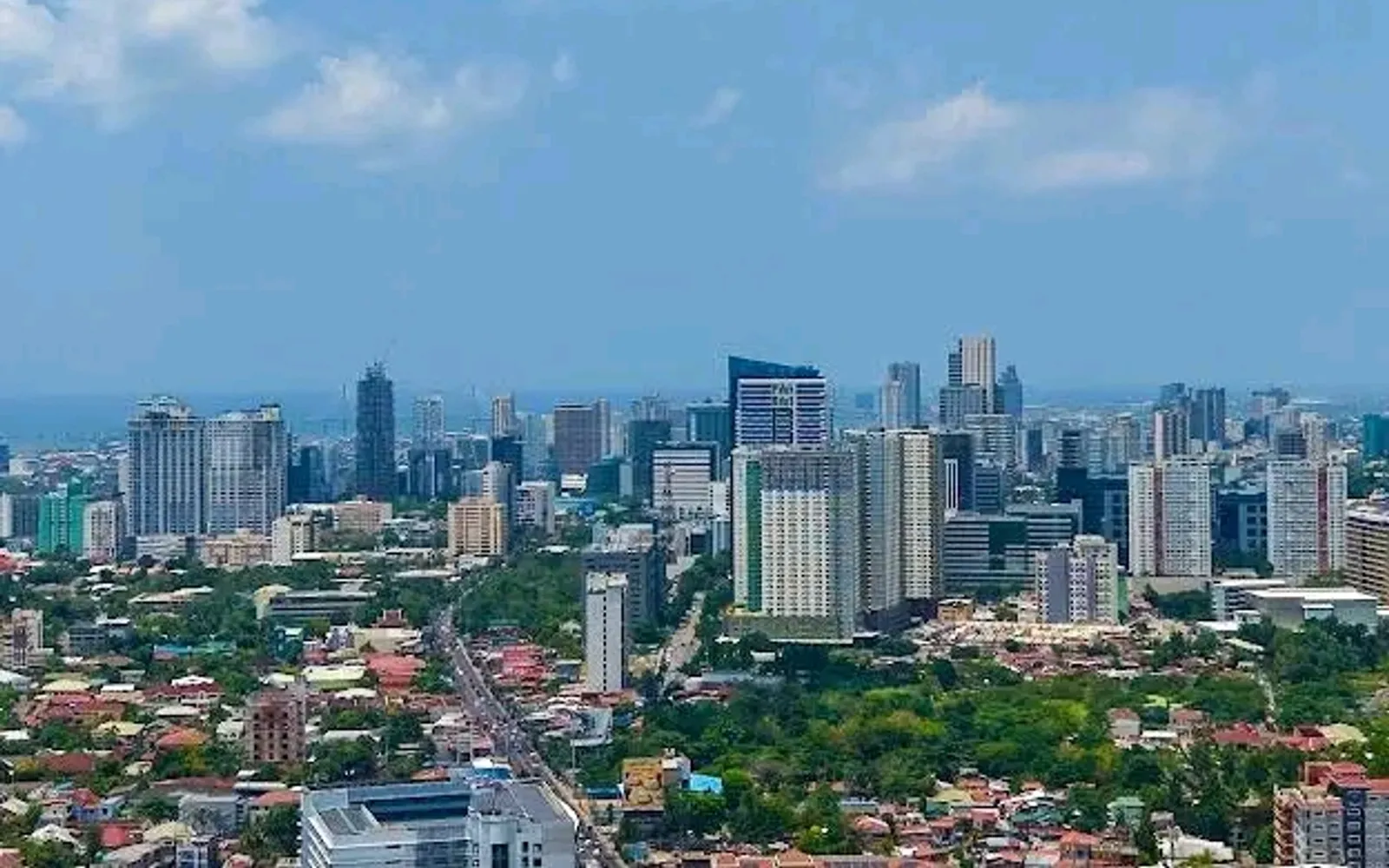
Cebu has a global reputation for food — above all for lechon, the whole-roasted pig that Anthony Bourdain once called the best pig you will ever eat. Beyond that headline dish, the city carries a 400-year-old port culture that produced sutukil seafood (three cooking methods documented by Magellan's chronicler in 1521), palm-woven puso rice eaten straight from the leaf, and street snacks handed down across generations. Come here hungry.
 #1
#1 Cebu Lechon
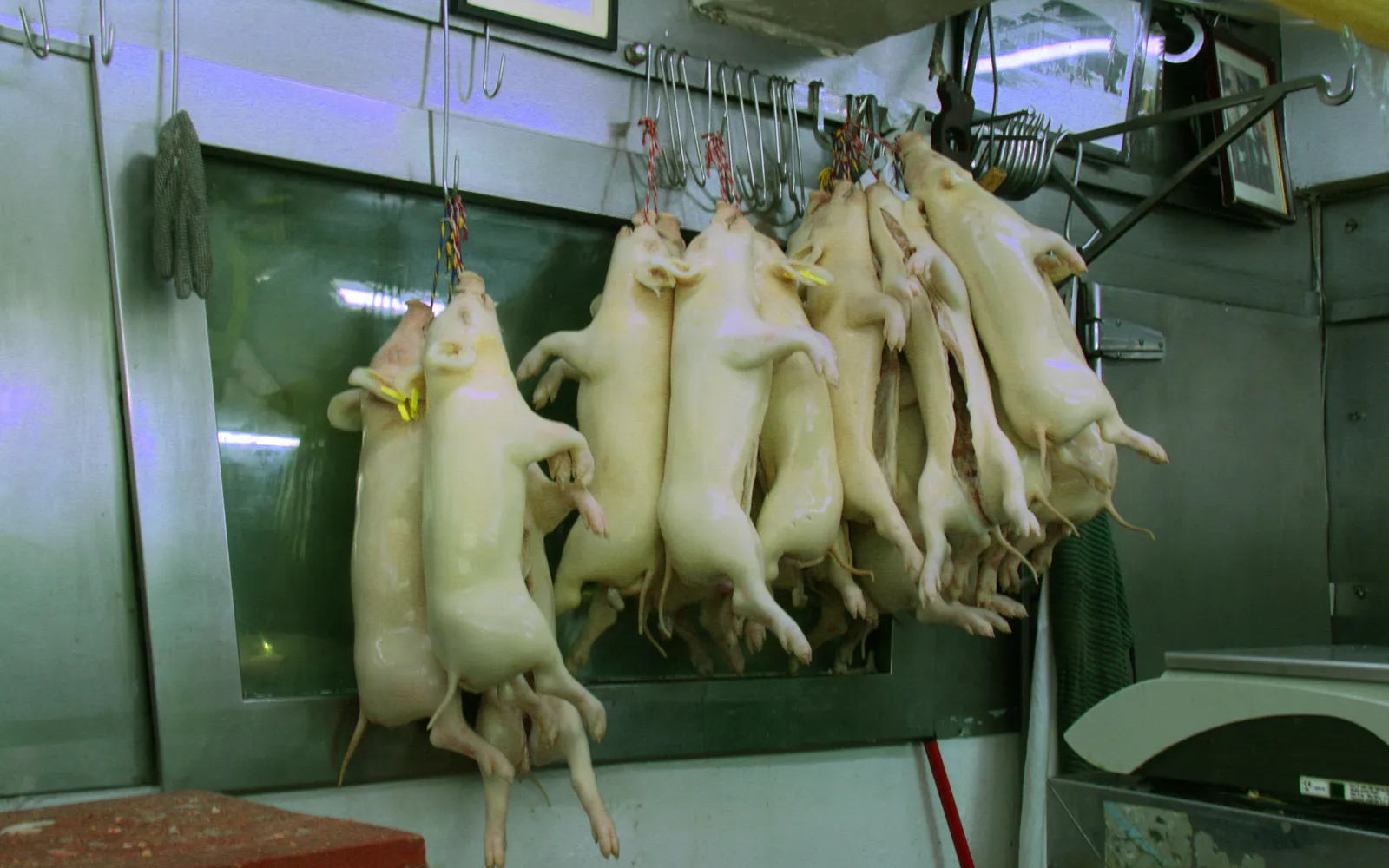
Cebu lechon is the island's proudest food symbol. What sets the Cebu version apart is the marinade stuffed inside the cavity before roasting — lemongrass, garlic, onion, and local herbs — then slow-cooked over charcoal for several hours. The meat stays juicy, the skin shatters with a dry crunch, and the flavor is complete enough that no dipping sauce is needed. That self-sufficient flavor is exactly what led Bourdain to his famous verdict.
- Rico's Lechon sells by the piece, which makes it easy to try a few hundred grams without committing to a whole pig. Expect around 300–500 pesos per kilogram.
- Zubuchon focuses on premium quality and the traditional recipe — better suited for a sit-down meal than a quick takeaway stop.
- Lechon sells out fast, especially at midday. Arrive before noon or call ahead to reserve.
 #2
#2 Sutukil
Sutukil is a portmanteau of three Visayan cooking words: <em>Sugba</em> (grill), <em>Tuwa</em> (broth simmer), and <em>Kilaw</em> (raw-cure in vinegar and citrus, similar to ceviche). All three methods were recorded by Antonio Pigafetta — Magellan's expedition chronicler — in 1521, making this a food tradition over 500 years old. The drill: pick live or fresh seafood displayed at the front of the restaurant, tell the cook which method you want, and it arrives with puso rice on the side.
- Lantaw Floating Native Restaurant in Cordova earned a Michelin Bib Gourmand in 2026. The sunset views over the water are worth the 30-minute drive — book ahead.
- Kilaw is best with very fresh tuna or bangus (milkfish). Order it alongside a grilled piece for a good contrast.
- Carbon Market has no-frills sutukil stalls at a fraction of the restaurant price if you want the street-level version.
 #3
#3 Puso (Hanging Rice)
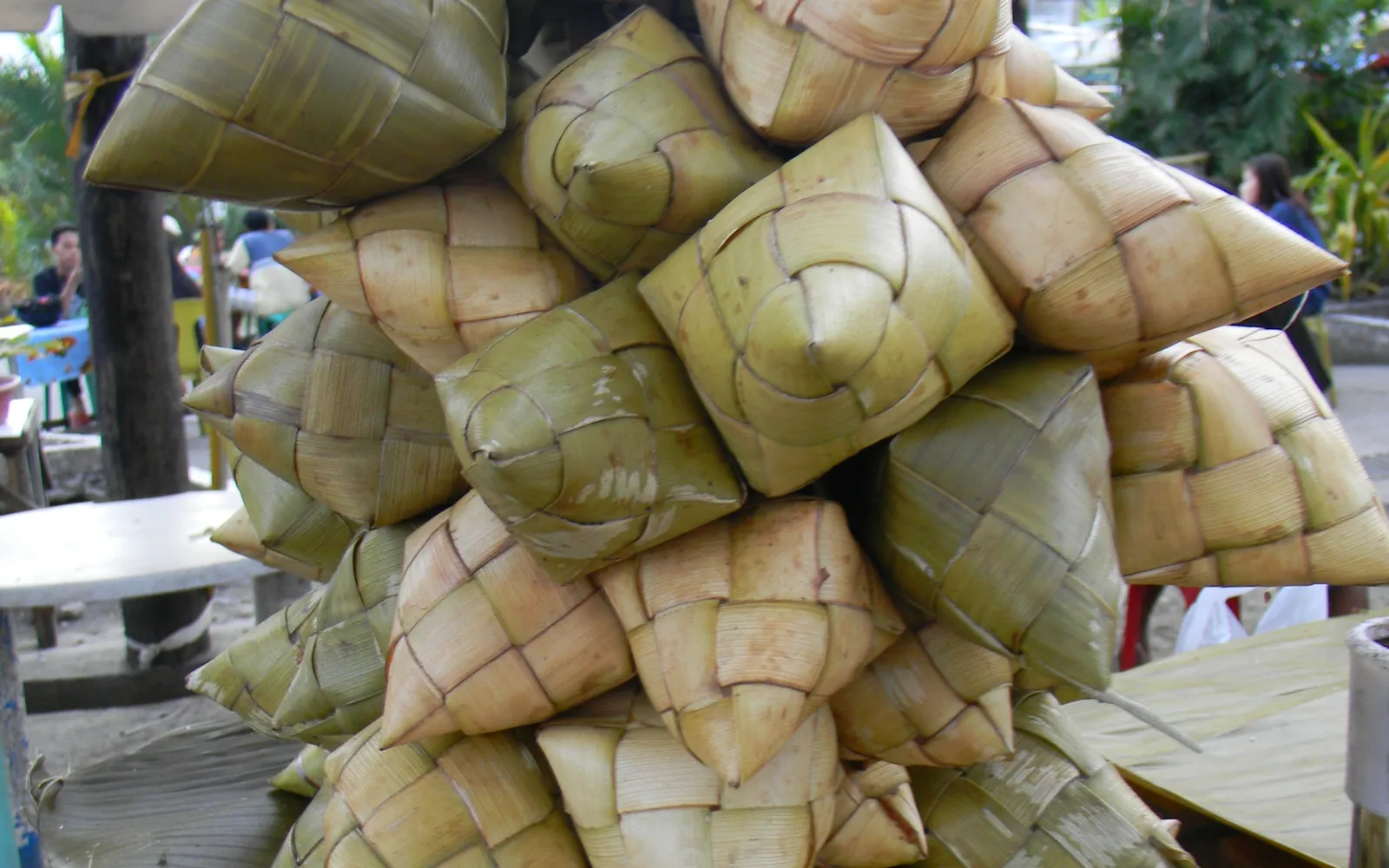
Puso is rice steamed inside coconut palm leaves woven into a tight diamond or square shape. The format originated with Visayan sailors in the pre-colonial era who needed a portable, clean way to carry rice on voyages. To eat: tear the weaving apart to reveal a firm, slightly sticky rice block you can hold in one hand while the other grips grilled meat or lechon — no plate needed. Cebuanos eating puso roadside, one hand for rice and one for barbecue, is as characteristic a scene as the city has.
- Puso costs 5–10 pesos a piece — one of the cheapest carbs you'll find anywhere in Southeast Asia.
- The plain flavor pairs well with anything bold, especially lechon and grilled meats.
- Look at the weave patterns: different weavers use different techniques, a craft passed down over centuries.
 #4
#4 Danggit (Dried Rabbitfish)
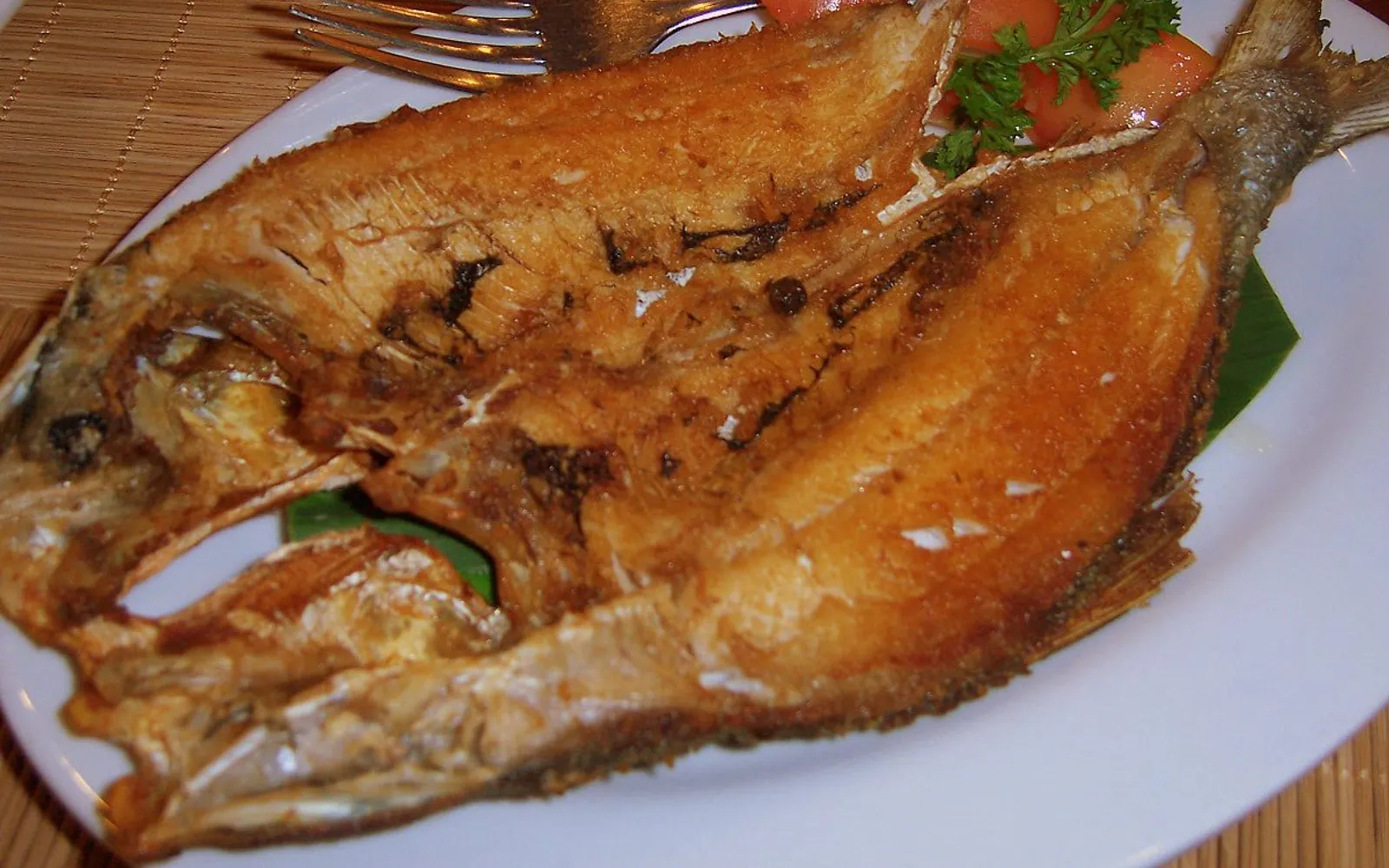
Danggit is rabbitfish (<em>Siganus</em> spp.) butterflied and sun-dried until rigid and brittle. It is Cebu's most popular food souvenir. Taboan Market, on M.C. Briones Street, is the largest dried-seafood market in the Philippines — the smell of the drying fish hits you half a block away. Fried in hot oil the skin turns intensely crisp; eaten with steamed rice, a fried egg, and a splash of spiced vinegar it is the definitive Cebu breakfast.
- Prices at Taboan are negotiable, though they're already reasonable — danggit is sold by the 100g or kilogram.
- If you're taking it home, ask the vendor to vacuum-seal it. The smell in a closed suitcase is powerful.
- A danggit breakfast set (fried danggit, rice, fried egg) at a local eatery near the market runs about 80–120 pesos.
 #5
#5 Otap
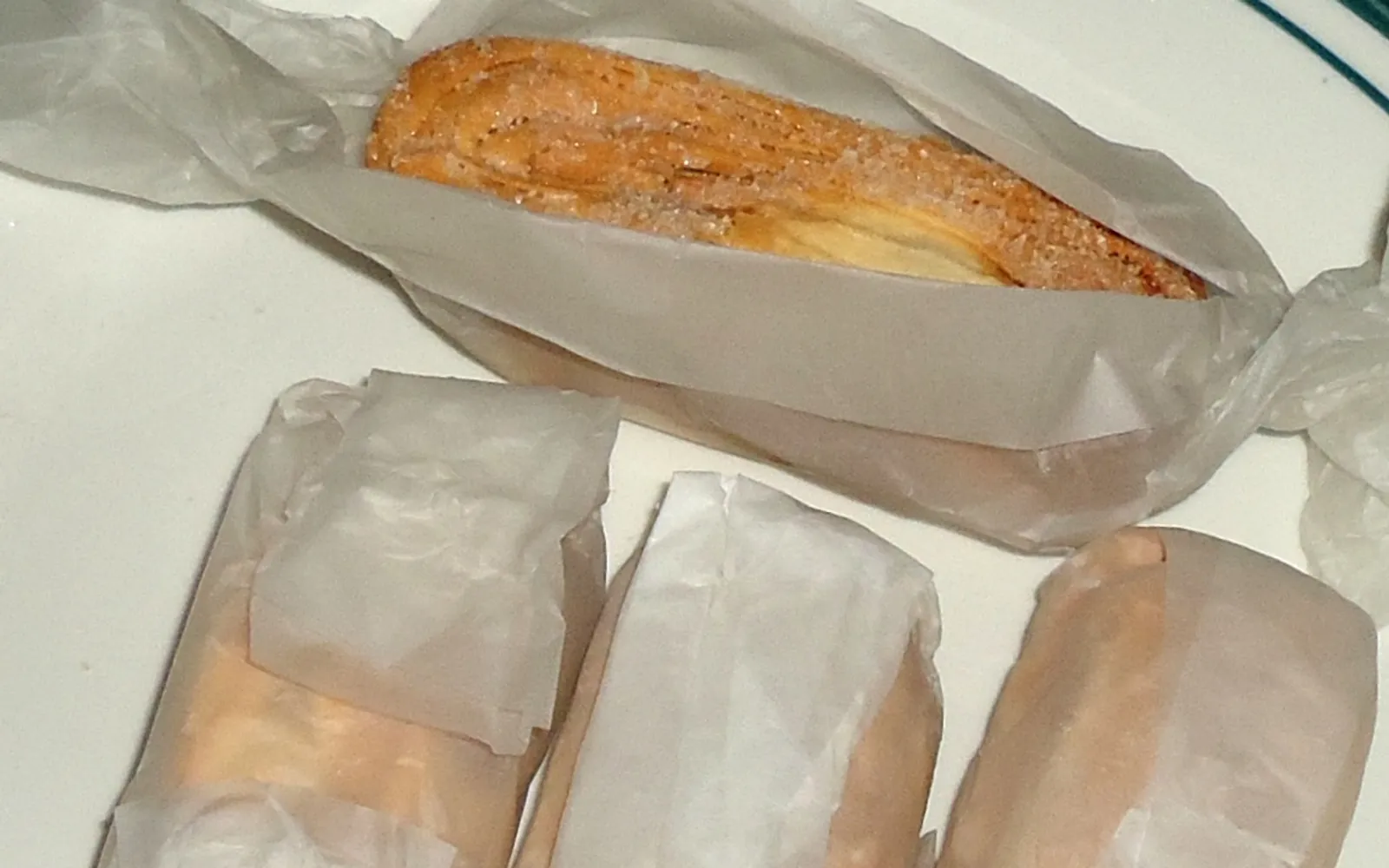
Otap is a thin, oval puff pastry native to Cebu, made from wheat flour, butter, coconut, and sugar. The production involves 11 baking steps to achieve its paper-thin, multi-layered crunch — similar to a French palmier but thinner and more delicate. The flavor is gently sweet with a clean coconut fragrance, good alongside tea or coffee. Each bakery guards a slightly different recipe, and comparing brands is part of the fun of buying it.
- Shamrock Bakery is one of Cebu's oldest otap producers — consistent quality at a fair price.
- Buy a few different brands and compare: some lean sweeter, others push the coconut flavor harder.
- The packaging is a long paper box that travels well, but keep it dry — moisture makes otap go soft.
 #6
#6 Cebu Dried Mangoes
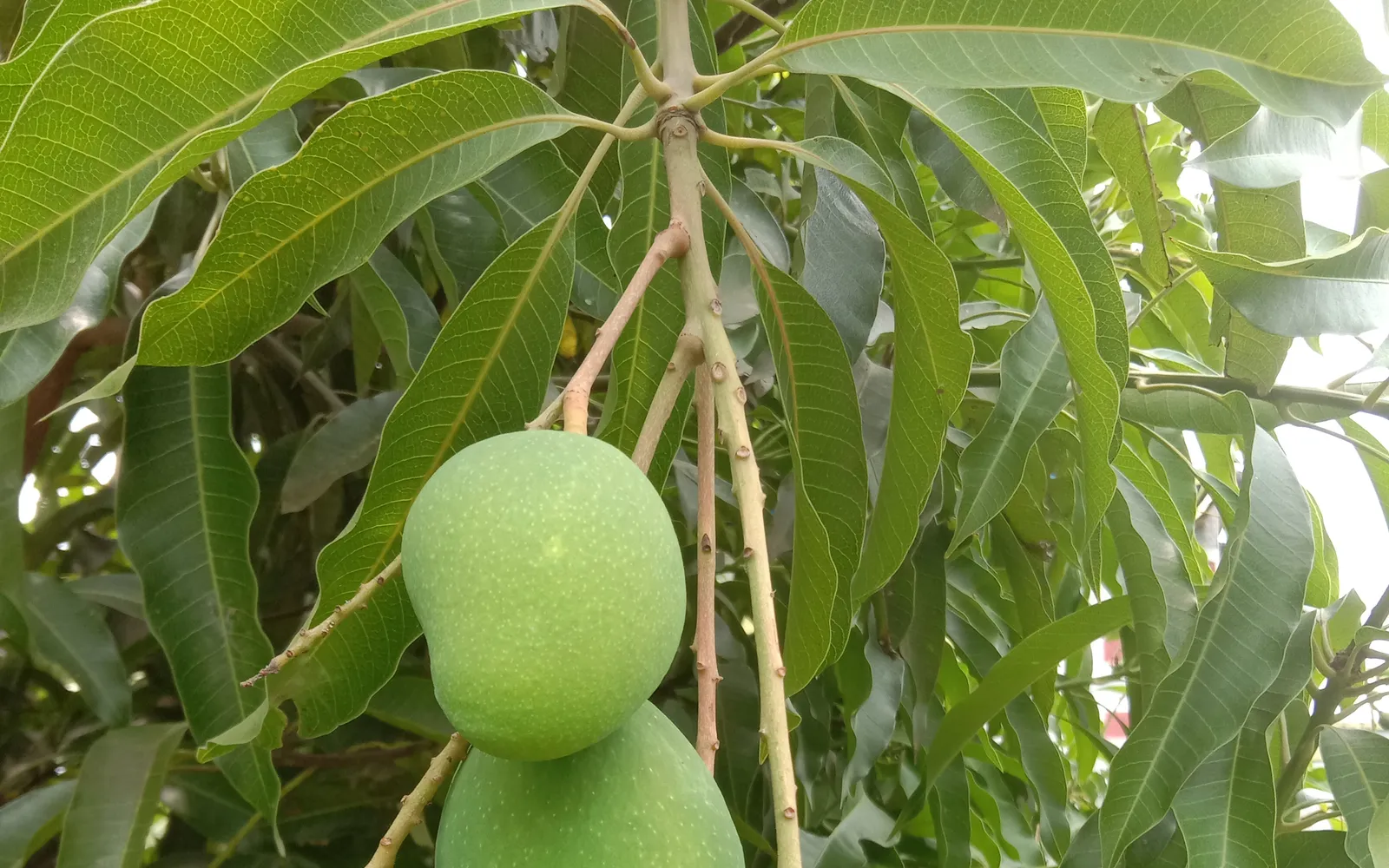
Cebu dried mangoes are the Philippines' best-known food export. They use the carabao mango variety — exceptionally sweet and fleshy — peeled, sliced, and dried at low temperature until chewy and intensely concentrated. The flavor is pure ripe mango with no artificial edge. Options run from standard sweet to low-sugar to a chili-spiked version. Travelers routinely fill an entire bag with these before their flight home.
- Cebu Best and Philippine Fruit are the top commercial brands, but homemade dried mango from Carbon Market tends to taste more natural.
- Buying by the kilo at the market is significantly cheaper than pre-packed bags at the mall. Market price runs around 150–200 pesos per 100 grams.
- Check the color before buying: good dried mango is yellow-orange. An unusually dark-brown color suggests over-drying or age. Ask vendors without clear labels when stock came in.
Where to stay in Cebu for this trip
A well-located hotel means less commuting and more sightseeing. Here are real, top-rated stays in Cebu — compare Agoda · Booking · Trip.com in one click.
ZEN Rooms M. Velez Street
Affiliate links — we may earn a commission at no extra cost to you. Details
Radisson Blu Cebu
Affiliate links — we may earn a commission at no extra cost to you. Details
One Central Hotel & Suites
Affiliate links — we may earn a commission at no extra cost to you. Details
Shejoje Poshtel Hostel
Affiliate links — we may earn a commission at no extra cost to you. Details
Tours, tickets & activities in Cebu
Day tours, attraction tickets and travel essentials for Cebu City — book ahead on Klook with mobile e-tickets.
Affiliate links — we may earn a commission at no extra cost to you.
Before You Pack
Eating in Cebu is a cultural tour compressed into every bite — from the unrepeatable crunch of whole-roasted lechon to the quiet simplicity of puso held roadside in one hand. Set aside at least one full day for market eating and local restaurants; that's when the real character of this city comes through.