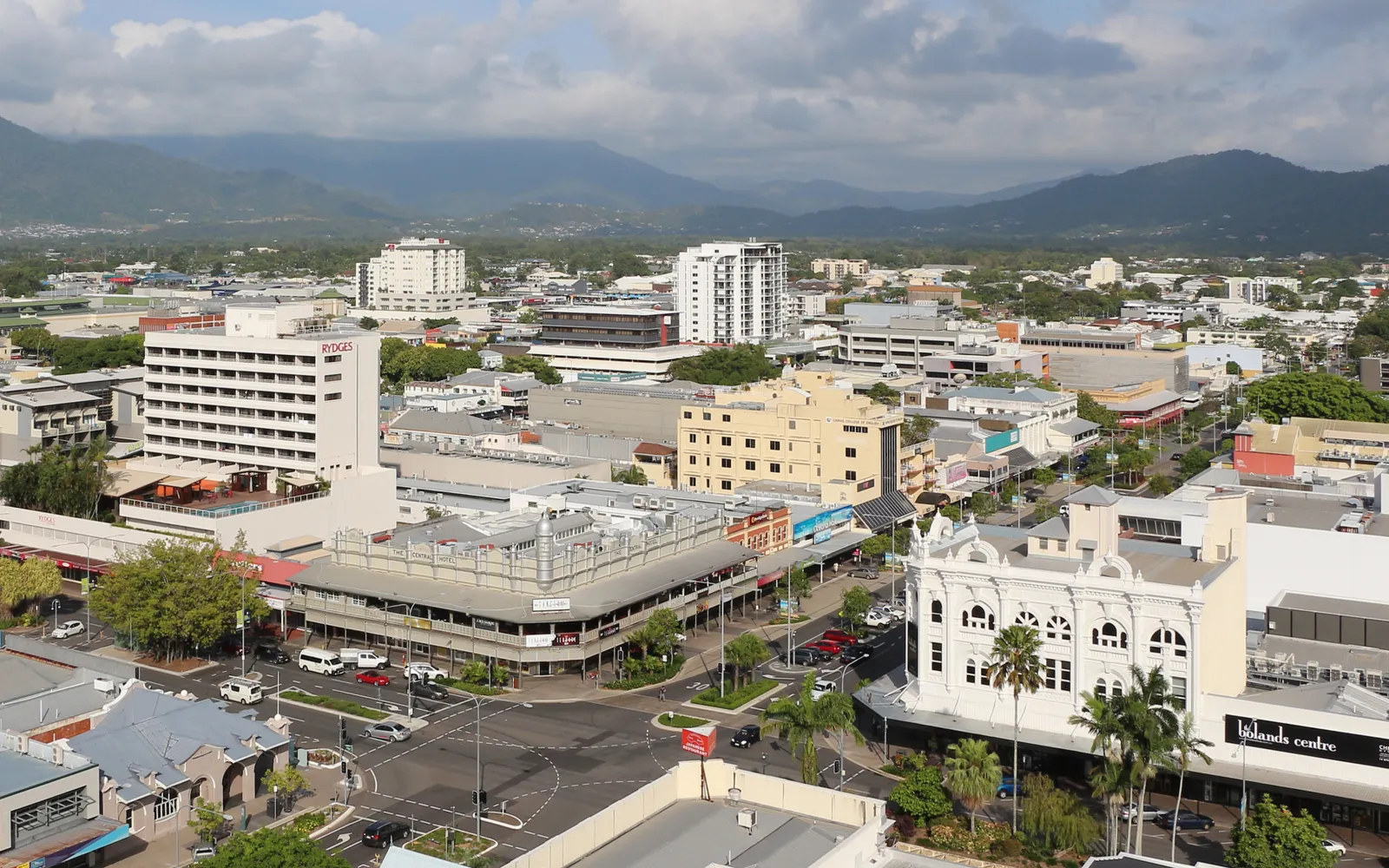
Cairns may not be the prettiest city in Australia, but no city on earth sits between two World Heritage sites at once: the Great Barrier Reef out at sea and the Daintree Rainforest on land. Add a volcanic crater lake, waterfalls in an ancient forest, and a mountain village you reach by a historic railway, and you have it all within a two-hour radius of the city centre.
 #1
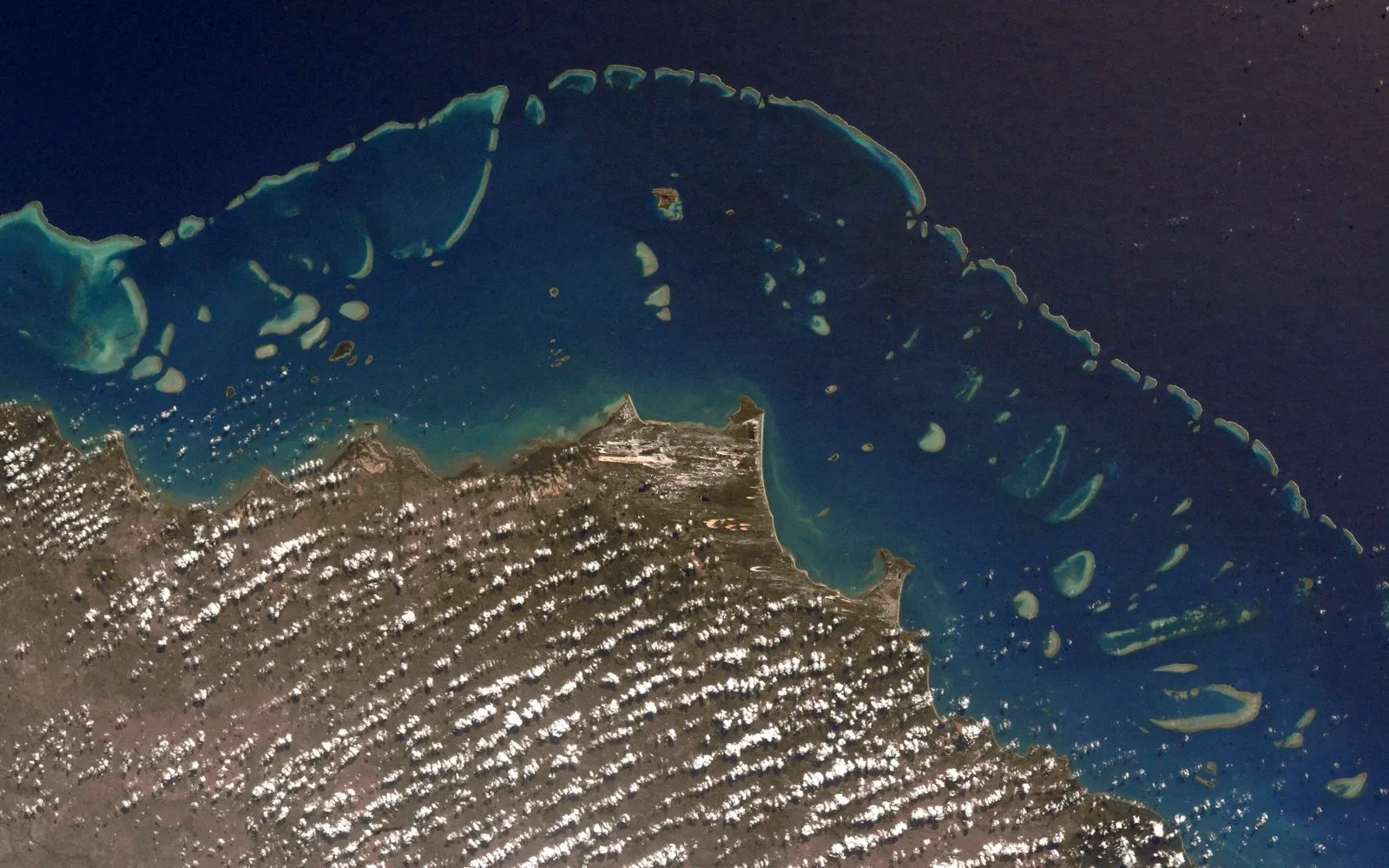
#1 Great Barrier Reef
The largest coral reef system in the world, stretching over 2,300 kilometres, with more than 2,900 individual reefs and over 900 islands. It is a UNESCO World Heritage site with no equal anywhere. From Cairns, fast-boat tours head out to the outer dive sites every morning, a 1.5-2 hour trip. Underwater visibility is excellent in the dry season, and there are both snorkelling and scuba options for every level. Book ahead, especially in high season.
- Pick a tour that runs to the Outer Reef — you'll get clearer water and better coral than the sites close to shore.
- During box jellyfish season (October-May) you must wear a stinger suit every time. Good tour operators hand them out free.
- If you get seasick easily, take medication an hour before departure and sit toward the back near the middle of the boat to reduce the rocking.
 #2
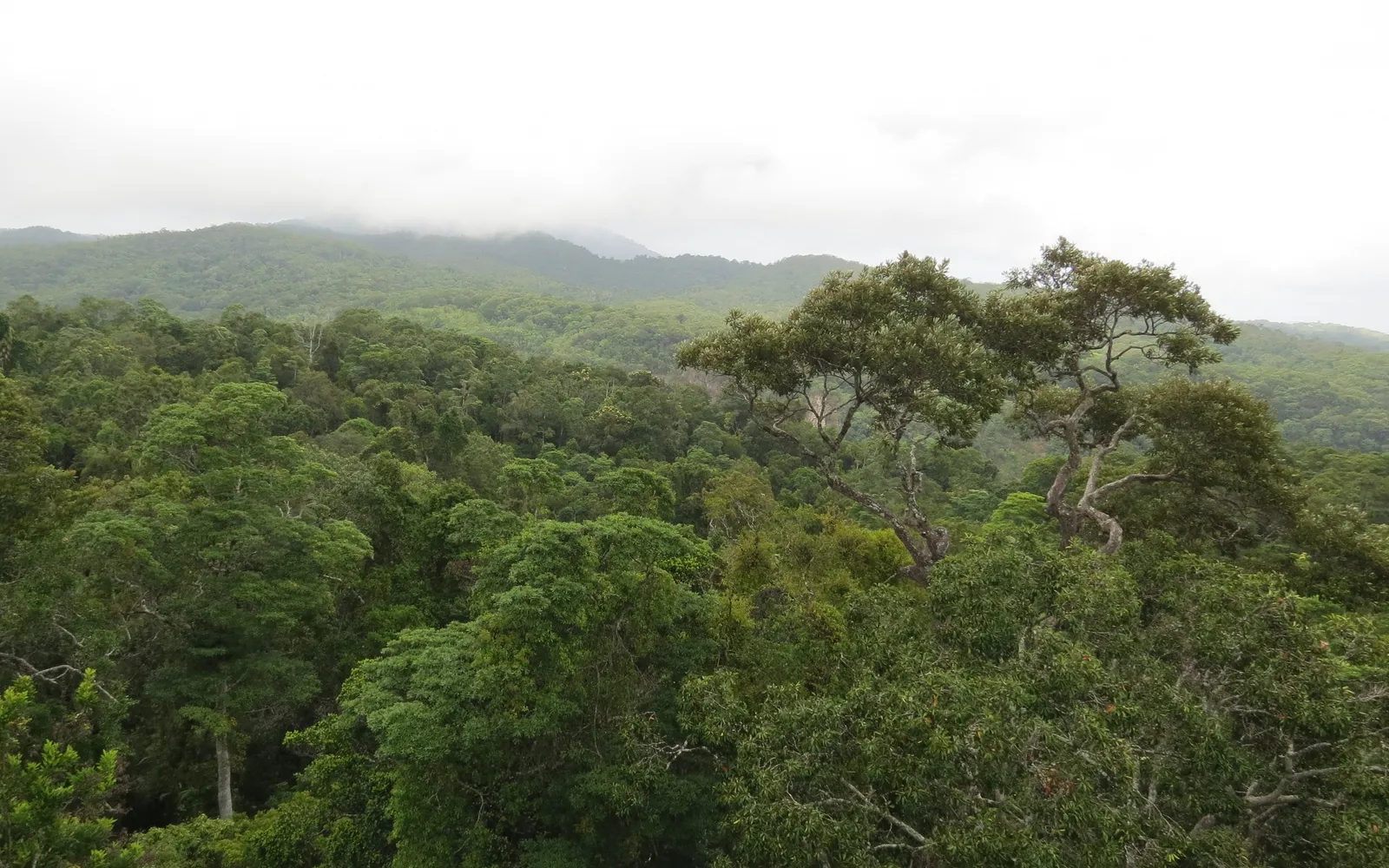
#2 Daintree Rainforest
The oldest tropical rainforest on earth, more than 135 million years old — three times older than the Amazon. It is another of Queensland's UNESCO World Heritage sites, just a few kilometres from the reef. The forest is still home to cassowaries and saltwater crocodiles. Walking in the Daintree requires a licensed guide, and crossing the river on the traditional cable ferry is an experience you won't find anywhere else.
- You'll need a guided tour to reach the main area. Hiking alone without a guide is dangerous and may break the rules in some zones.
- Saltwater crocodiles really do live in the rivers and along the beaches. Do not enter the water anywhere that isn't signed as safe.
- Combine the trip with Cape Tribulation, where the beach meets the rainforest head-on. The scene there is almost too striking to believe it's real.
 #3
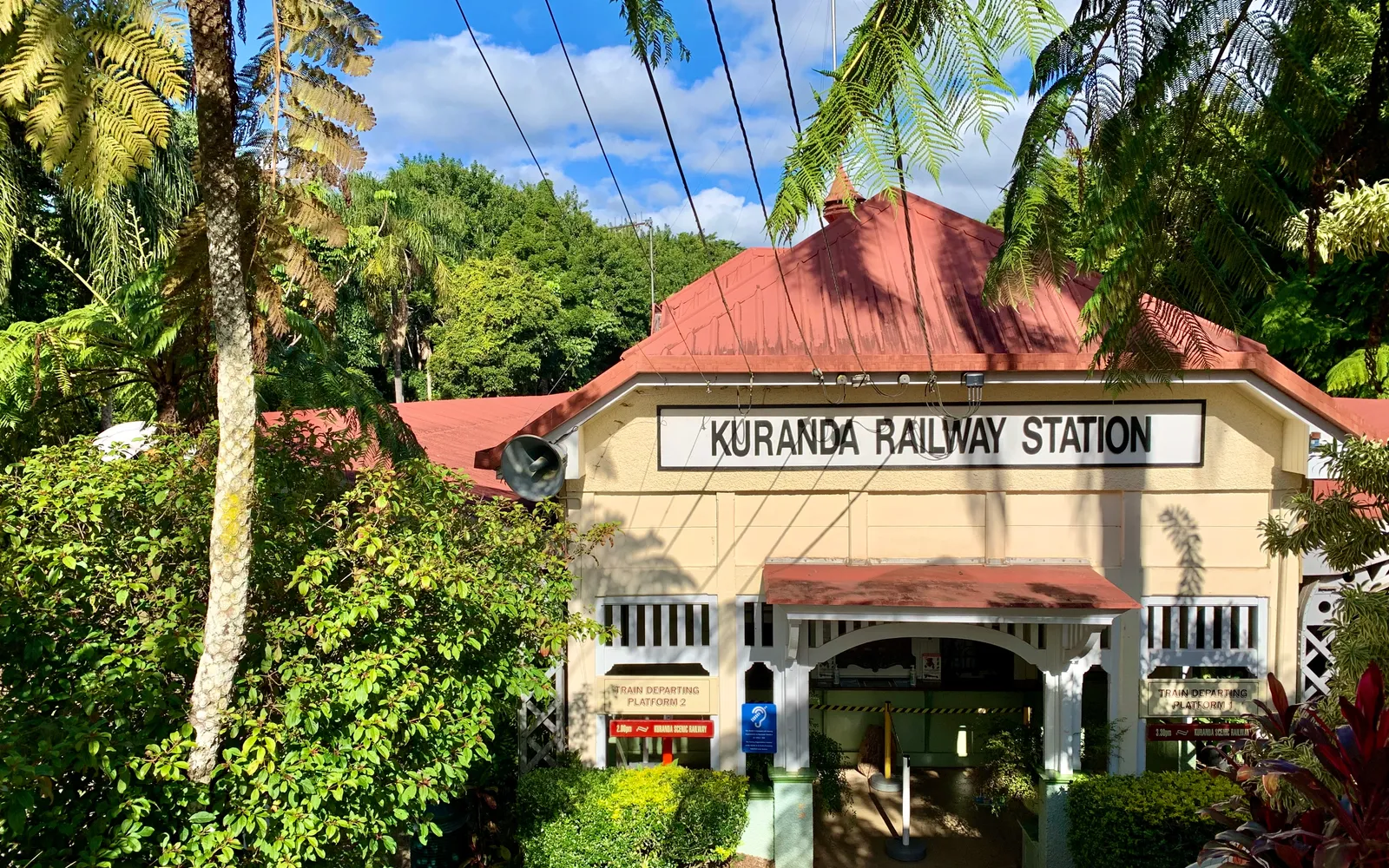
#3 Kuranda
An artists' village up in the mountains reached two classic ways. One is the Kuranda Scenic Railway, a historic line built in 1891 that climbs through waterfalls and ten tunnels. The other is the Skyrail cableway that glides above the rainforest canopy. The village itself has an Indigenous art market, restaurants, and a butterfly sanctuary. It's the most popular half-day trip from Cairns.
- Buy a combined ticket — railway up, cableway down — for the best value, around 100 AUD covering both routes.
- Trains leave Cairns at 8:30 am and 9:30 am. Book ahead online, especially over holidays and long weekends.
- The Kuranda market is open only Wednesday, Friday and Sunday — check the day before you go so you can shop directly from genuine Indigenous artisans.
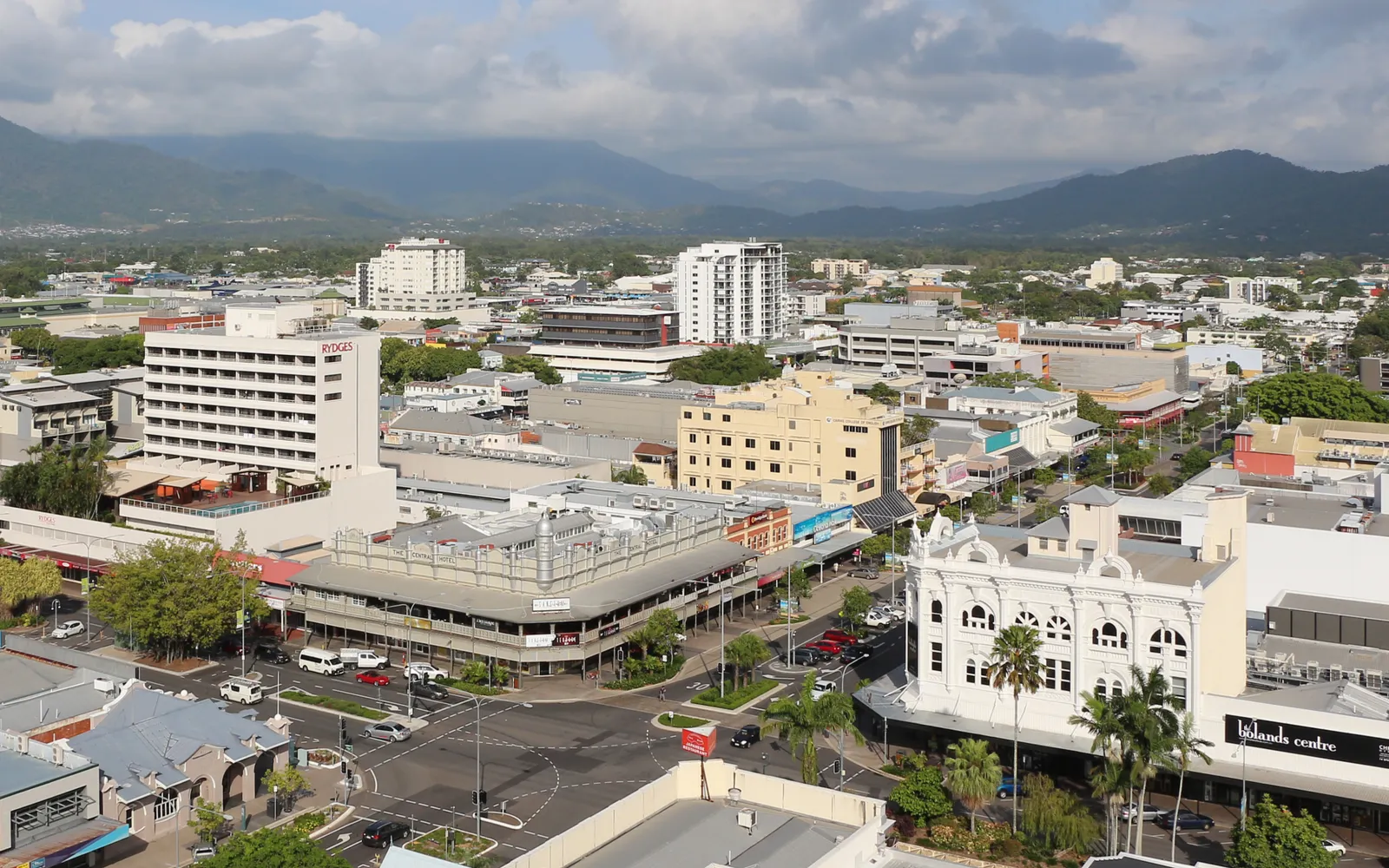 #4
#4 Cairns Esplanade
A 3-kilometre waterfront activity strip that is the heart of life in Cairns. It has a large free public lagoon (open 6:00 am-9:00 pm) for visitors who come to Cairns but don't get out to sea, because the beach in Cairns is muddy and has jellyfish. The playgrounds, cycle paths, and the Friday-Saturday evening food markets are the spots locals love.
- The public lagoon is free for everyone — no entry fee, open all week. Bring your own towel and sunscreen.
- The Night Markets on the Esplanade are open every evening: wander for food, souvenirs, and live music.
- Watch for the mud that appears at low tide. This stretch isn't suitable for swimming in the sea directly — use the public lagoon instead.
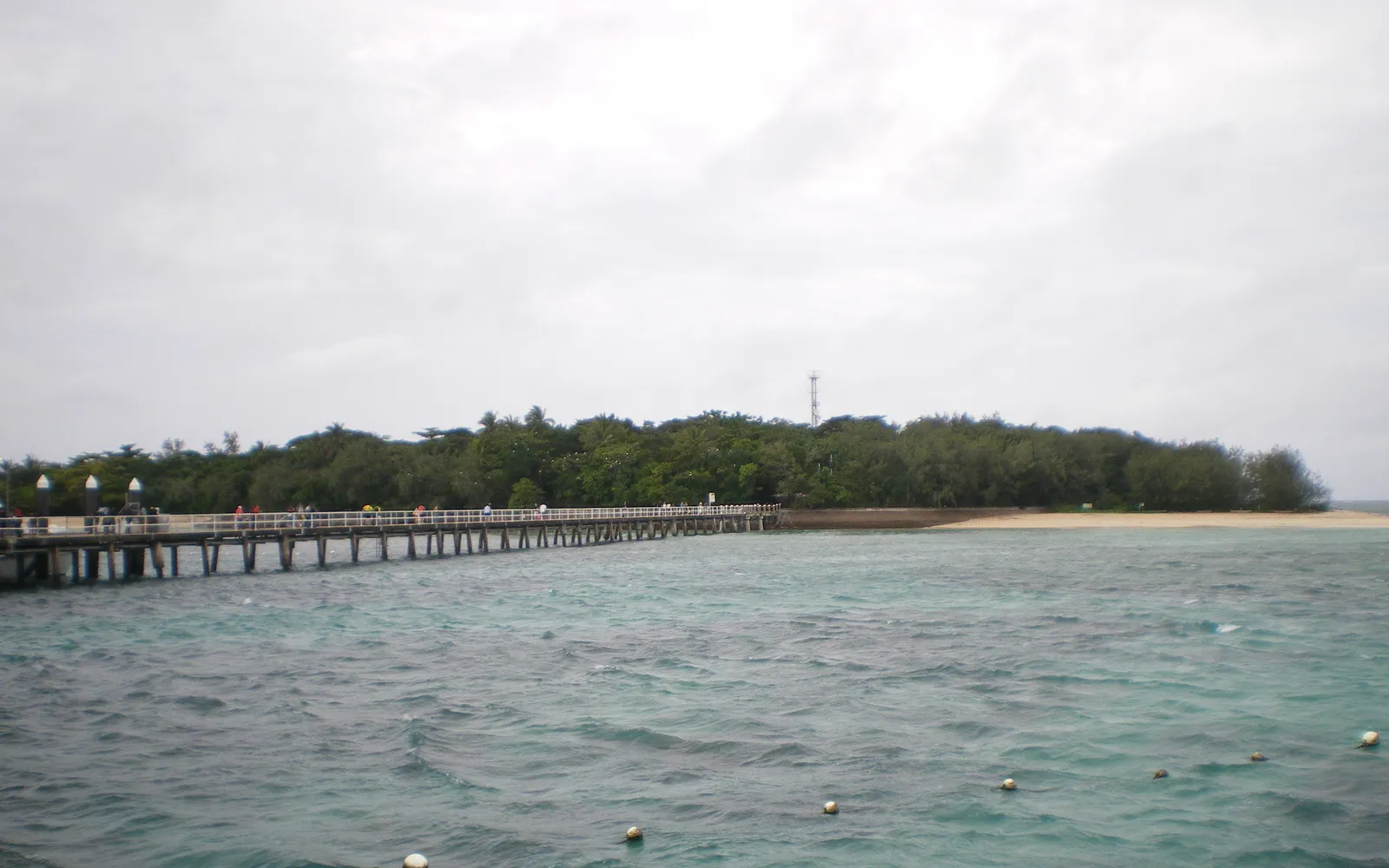 #5
#5 Green Island
The only coral cay on the Great Barrier Reef with both rainforest and a resort on it, a 45-minute trip from Cairns. It suits anyone who wants to experience the reef on a day trip without heading far out by boat. You can snorkel right off the beach all around the island, and there's a dive centre and glass-bottom boat tours of the coral too. Good for families with children.
- The ferry ticket runs 90-120 AUD including snorkelling, but doesn't include scuba gear — that costs extra.
- The southeast beach has the shallowest coral for snorkelling, better than the side facing Cairns.
- Stay overnight at Green Island Resort if your budget allows — the atmosphere in the evening and early morning, after the day-trippers have left, is a very special experience.
 #6
#6 Lake Barrine
A lake in an ancient volcanic crater on the Atherton Tablelands, 1.2 kilometres across, its clear emerald water ringed by rainforest that has never been cleared. The 5-kilometre track around the lake passes giant Kauri Pines more than 1,000 years old, and there are boat tours to watch crocodiles and waterbirds on the lake. The Atherton Tablelands overall has coffee farms, the Millaa Millaa waterfall, and rural Australian scenery completely different from the coast.
- The track around the lake takes 1.5-2 hours. The ground is flat and suits every age, but wear closed shoes.
- Combine the trip with Lake Eacham and the Millaa Millaa waterfall for a full day on the Tablelands — better value than driving up for just one lake.
- Up on the Tablelands the air is 5-8 degrees cooler than Cairns. Pack a light layer even if you're travelling in summer.
Where to stay in Cairns for this trip
A well-located hotel means less commuting and more sightseeing. Here are real, top-rated stays in Cairns — compare Agoda · Booking · Trip.com in one click.
Pullman Reef Hotel Casino
Affiliate links — we may earn a commission at no extra cost to you. Details
Shangri-La The Marina, Cairns
Affiliate links — we may earn a commission at no extra cost to you. Details
Cairns Central YHA
Affiliate links — we may earn a commission at no extra cost to you. Details
DoubleTree by Hilton Cairns
Affiliate links — we may earn a commission at no extra cost to you. Details
Tours, tickets & activities in Cairns
Day tours, attraction tickets and travel essentials for Cairns — book ahead on Klook with mobile e-tickets.
Affiliate links — we may earn a commission at no extra cost to you.
Before You Pack
Cairns is good to visit year-round, but May-October brings dry, comfortable weather, the best underwater visibility, and no box jellyfish. November-April is the wet season; the sea can be a little murky and you should wear a stinger suit every time you enter the water along the coast. Plan at least 4-5 days to cover both the sea and the forest.