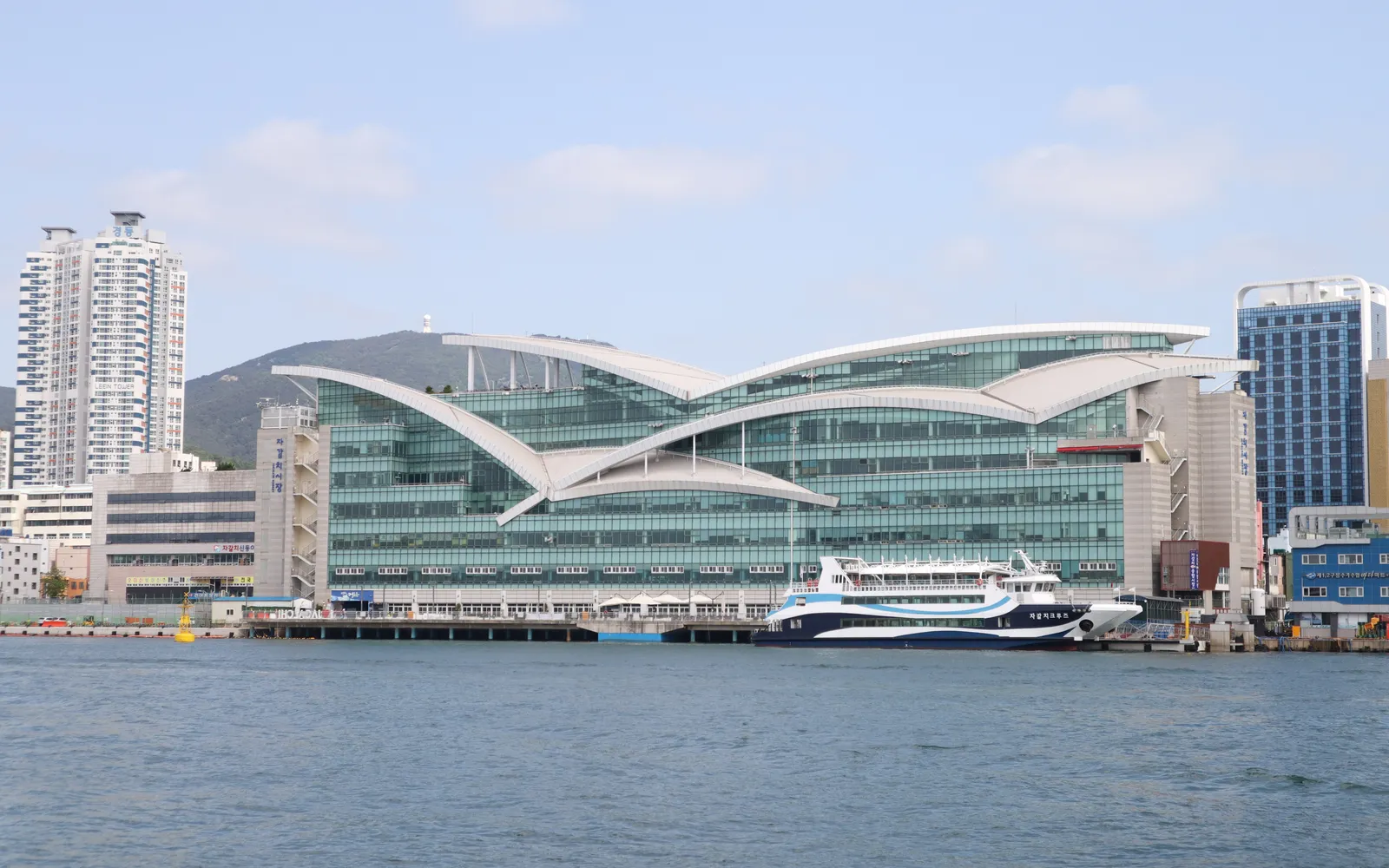
Busan is more than a pretty coastal city — it is one of South Korea's most exciting food destinations. The dishes here mirror the history of a working port: ultra-fresh seafood pulled directly from the sea, pork bone soup that developed during the Korean War, and street snacks that exist nowhere else in the country. Every plate has a story as deep as its flavor.
 #1
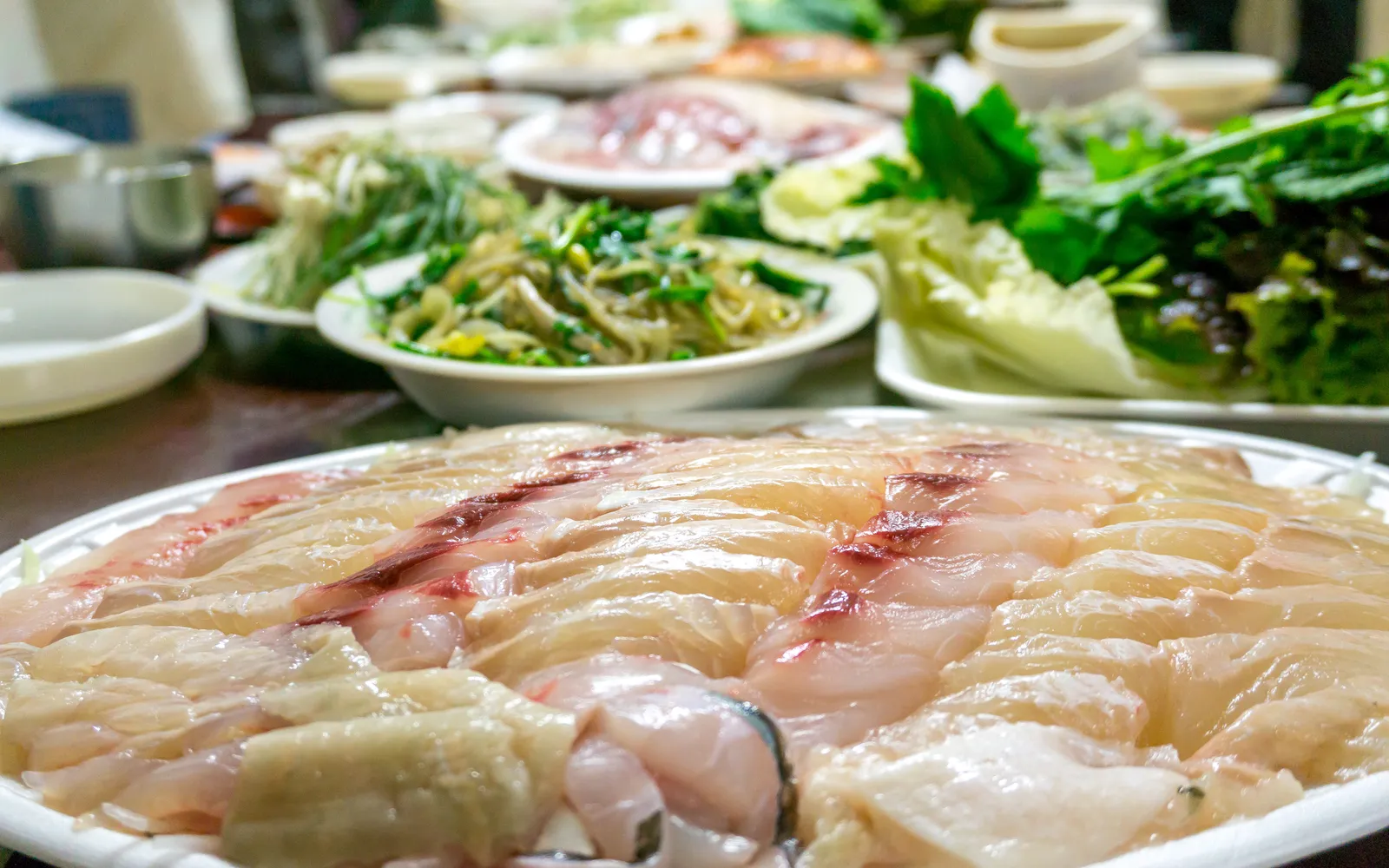
#1 Saengseonhoe (Korean Raw Fish)
Korean raw fish (saengseonhoe) is different from Japanese sashimi — the slices are cut thicker, and you typically wrap them in perilla leaves or lettuce with doenjang chili paste and raw garlic before eating. Busan is the most popular city in Korea for eating raw fish because the catch comes straight from the sea a few metres away: the flesh is sweet and springy. It arrives alongside a hot fish-head soup and a spread of side dishes.
- At Jagalchi Market, choose your fish from the vendors on the ground floor, then take it upstairs to the second-floor restaurants to have it prepared fresh in front of you.
- Order 'modeumhoe' to get several varieties of fish on a single plate — the best option for first-time visitors.
- Pair it with soju (Korean distilled spirit) or makgeolli (rice wine) as locals do.
 #2
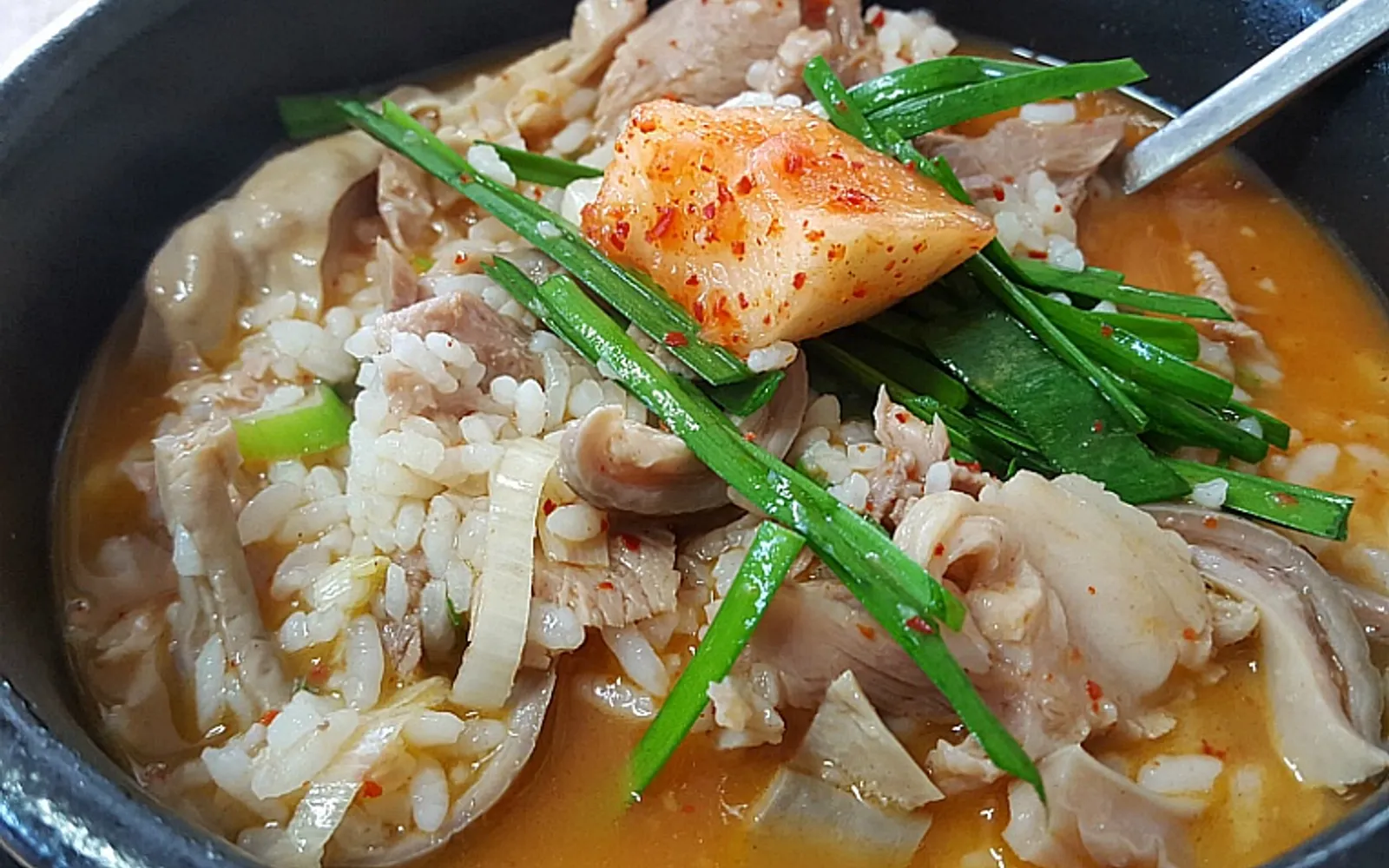
#2 Dwaeji Gukbap (Pork Bone Soup with Rice)
The dish that defines Busan. Pork bones are simmered for hours until the broth turns thick and white with a deep, rich aroma, then served with sliced pork and a bowl of steamed rice. You customize the flavor yourself — kimchi, sliced chives, or chili paste all work. The soup was born during the Korean War, when refugees sheltering in Busan made broth from inexpensive pork bones to survive. Today it is a city institution that locals eat daily, whether for breakfast or a late-night meal.
- Restaurants on Dwaeji Gukbap Street in Seomyeon are open 24 hours — ideal for eating after midnight.
- Stir your rice directly into the broth the way Koreans do; the flavor integrates far better than eating them separately.
- Add red pepper powder to taste, though the traditional version is not very spicy — the focus is on the rich, milky bone flavor.
 #3
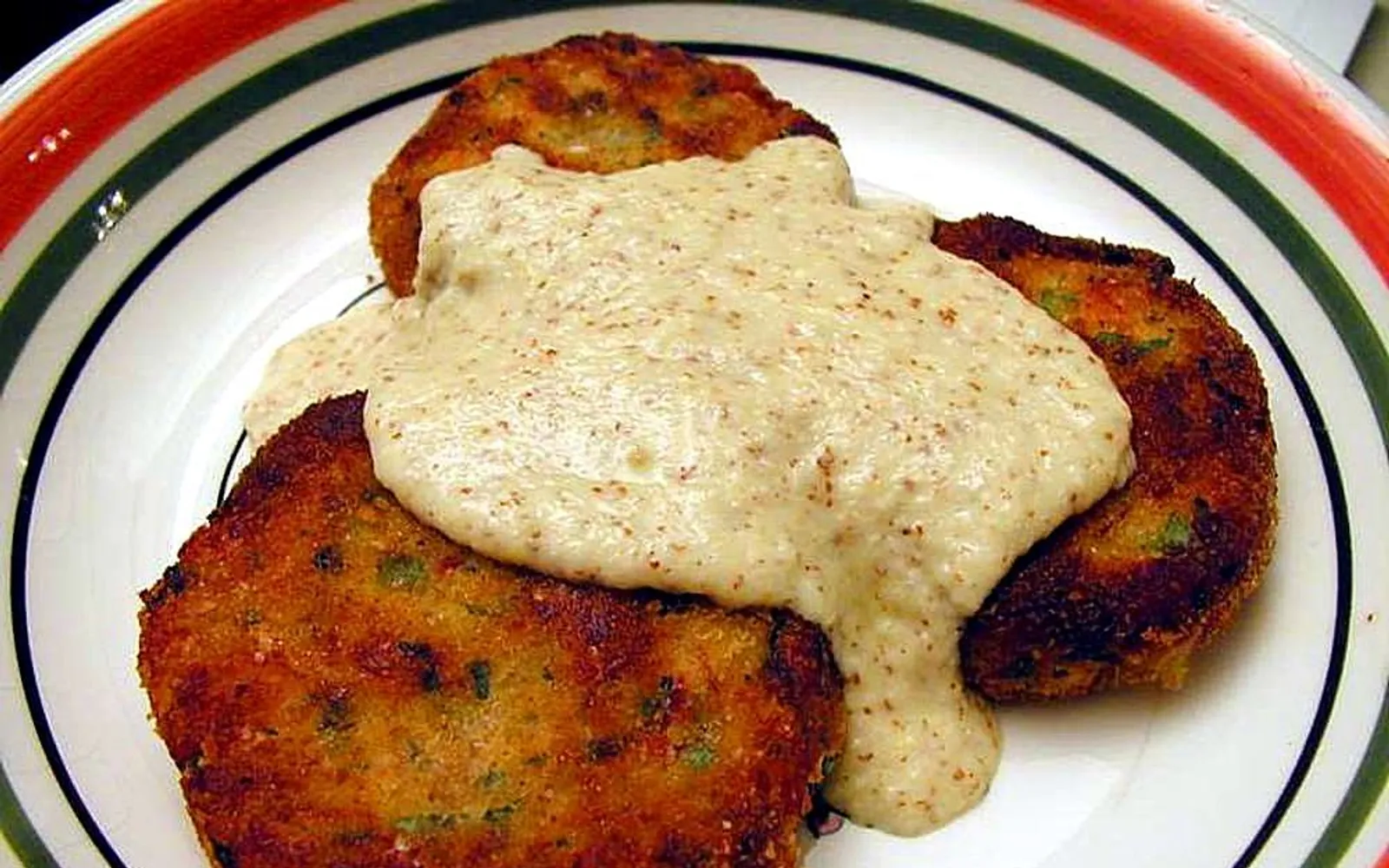
#3 Eomuk (Fish Cake Skewer)
Busan's most famous street snack. Ground fish mixed with a small amount of flour is shaped and rolled onto long skewers, then slow-cooked in a broth of dried kelp and fish — slightly sweet and clean-tasting. It is unlike fish cakes elsewhere. Busan has been making eomuk for nearly 100 years, and the local recipe uses a higher ratio of fish to flour, which gives it a more pronounced flavor than what you find in Seoul.
- Ask for a small cup of the cooking broth — it is served hot alongside the skewers at no extra charge.
- Gukje Market has several well-known eomuk stalls; try a few varieties including spicy, sweet, and the traditional plain version.
- Vacuum-packed frozen eomuk from Gijang Haesoo Eomuk or other market shops make good souvenirs to bring home.
 #4
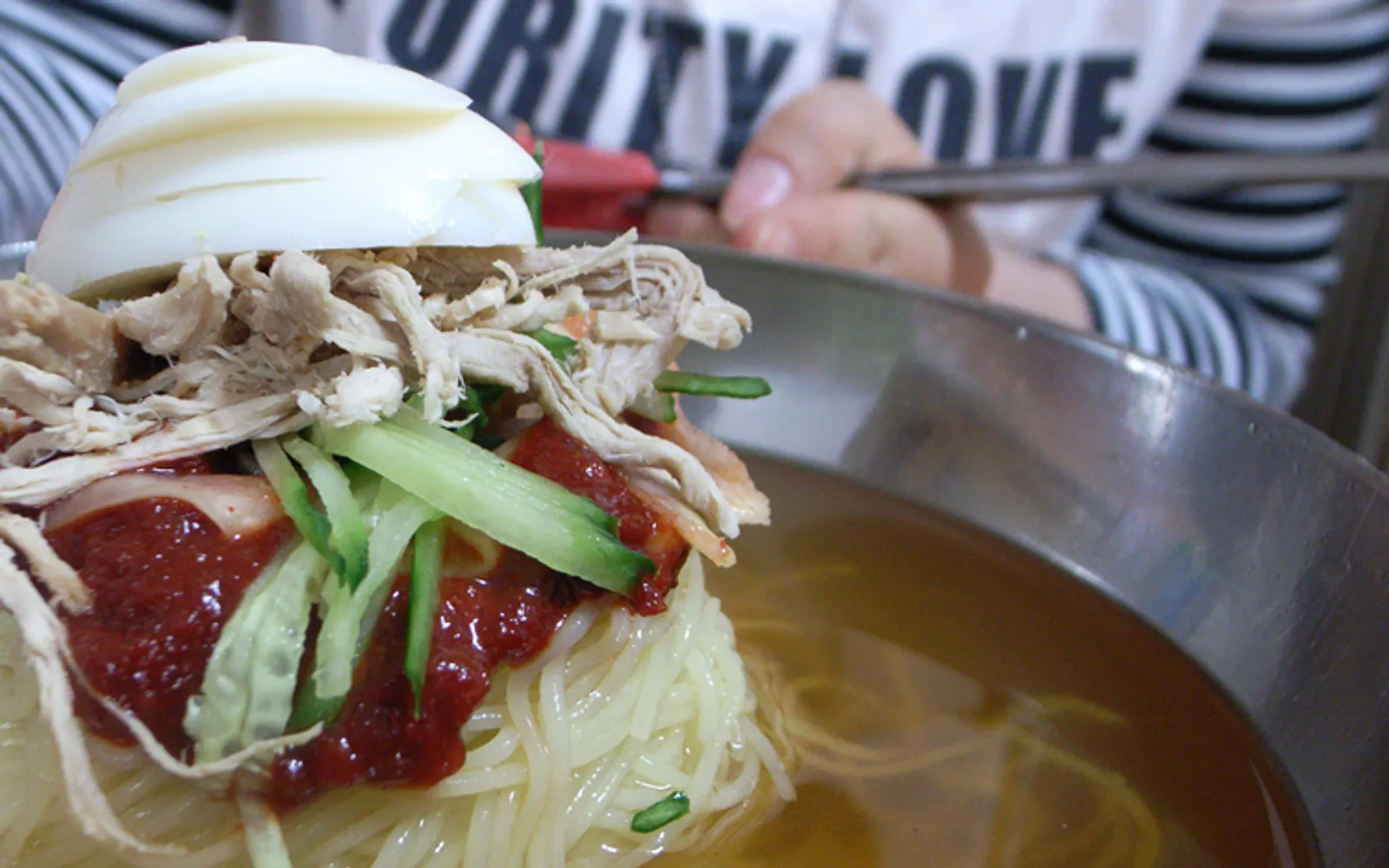
#4 Milmyeon (Cold Wheat Noodles)
Busan's own cold noodle tradition. Unlike other versions of naengmyeon, milmyeon uses wheat flour instead of buckwheat — giving the noodles a chewy, springy texture in a light, refreshing cold beef broth. It arrives with sliced cucumber, pickled radish, and a halved boiled egg. The switch to wheat flour happened during the Korean War, when buckwheat was scarce in Busan and easier-to-source wheat took over. Today it is the dish Busan locals say they miss most when they leave the city.
- Ask for extra yangnyeom chili sauce on the side and stir it in before eating for a sweet-spicy kick.
- Order alongside eomandu (fish dumpling) — they are commonly served as a set and widely popular among Koreans.
- The renowned Haeundae Milmyeon restaurant in the Haeundae district has been open since 1966; expect a queue, but it is worth it.
 #5
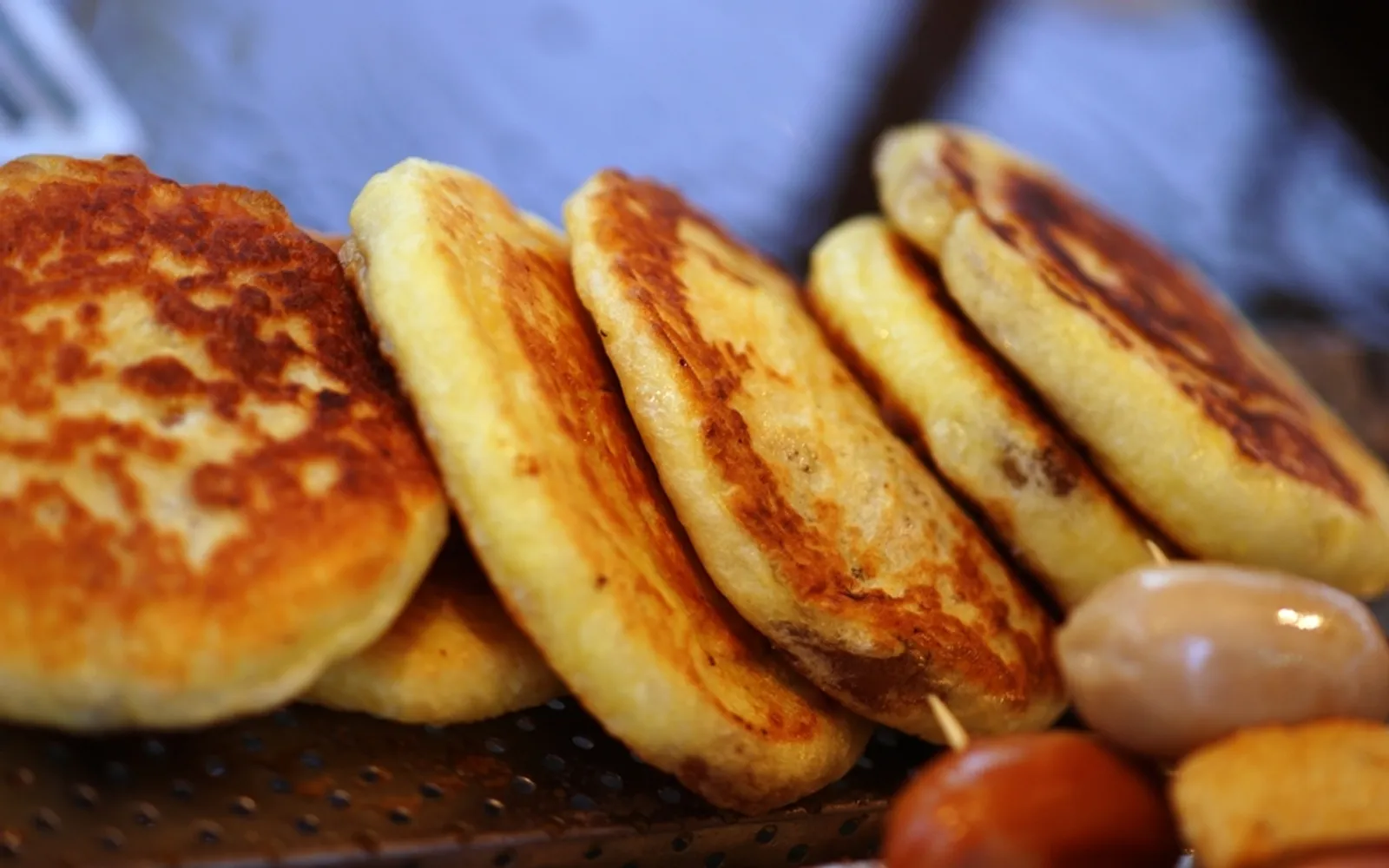
#5 Ssiat Hotteok (Seed-Stuffed Pancake)
Busan's version of the hotteok pancake, and it is meaningfully different from the standard sold across Korea. The dough is fried in oil until the outside turns crisp, then split open to reveal a dark caramel filling packed with sunflower seeds, pumpkin seeds, peanuts, walnuts, and sesame — sweet and crunchy in a single bite. <em>Ssiat</em> (씨앗) means seeds in Korean, and the recipe was created by a Busan vendor who wanted to give the original hotteok something extra. It has since become a street snack unique to this city.
- Eat it immediately while it is hot — the caramel filling flows when you bite in.
- Be careful on the first bite: the sugar filling is very hot. Let it cool for 1-2 minutes after you receive it.
- Find it at the main entrance of Gukje Market and from street dessert vendors throughout the Nampo-dong area.
 #6
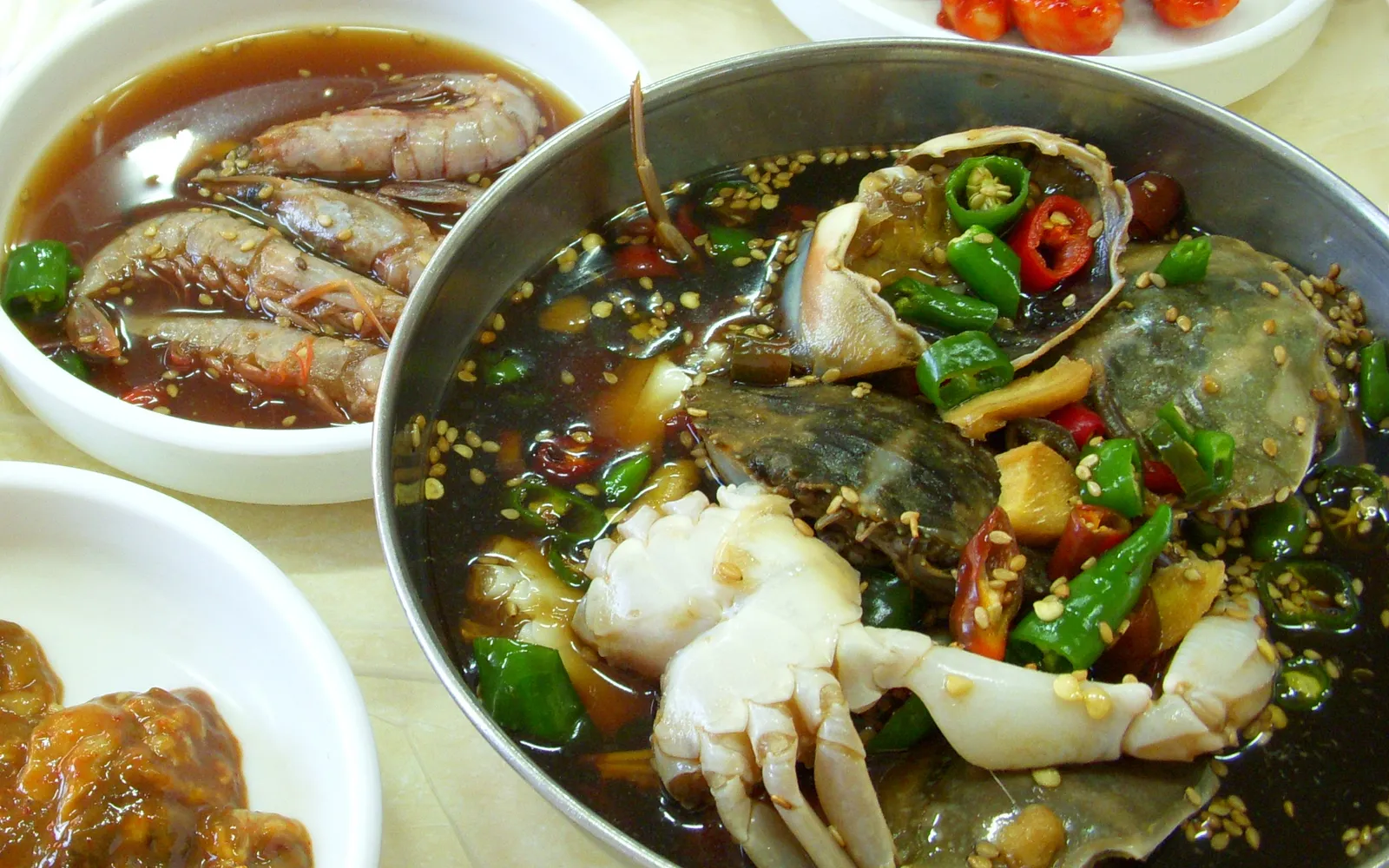
#6 Ganjang Gejang (Soy-Marinated Raw Crab)
Raw crab marinated in a traditional soy sauce recipe. Koreans call this dish the 'rice thief' because the crab's intense umami makes you finish an entire bowl of rice without noticing. The crab is marinated for days to weeks in soy sauce with garlic, ginger, and red pepper — the flesh stays tender while the flavor deepens through the process. Busan's proximity to the sea means the crab quality here is exceptional, and the marinade reflects that.
- Order it with a bowl of hot steamed rice and eat the crab meat and rice together in each mouthful.
- The remaining soy marinade in the bowl can be poured over rice — it is intensely savory.
- Seek out restaurants that make their own marinade in-house rather than serving a pre-made commercial version.
Where to stay in Busan for this trip
A well-located hotel means less commuting and more sightseeing. Here are real, top-rated stays in Busan — compare Agoda · Booking · Trip.com in one click.
Park Hyatt Busan
Affiliate links — we may earn a commission at no extra cost to you. Details
Signiel Busan
Affiliate links — we may earn a commission at no extra cost to you. Details
Grand Josun Busan
Affiliate links — we may earn a commission at no extra cost to you. Details
Paradise Hotel Busan
Affiliate links — we may earn a commission at no extra cost to you. Details
Tours, tickets & activities in Busan
Day tours, attraction tickets and travel essentials for Busan — book ahead on Klook with mobile e-tickets.
Affiliate links — we may earn a commission at no extra cost to you.
Before You Pack
Busan is a city where eating is an experience worth remembering. Take the restaurant owner's recommendation when you can, and keep in mind that small roadside shops often hide the best flavors of all.