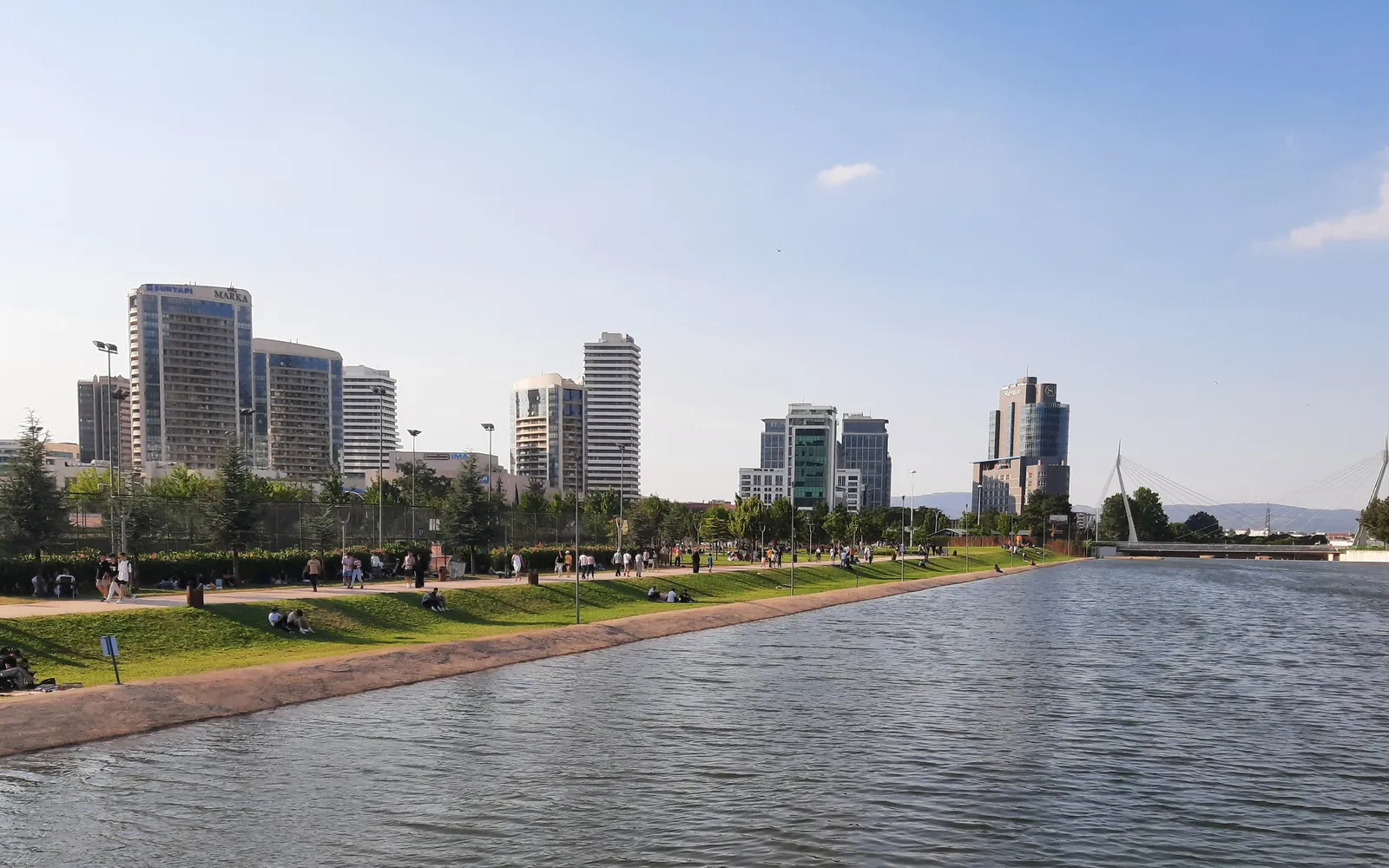
Bursa is not Istanbul — and that is exactly the point. This city, the first capital of the Ottoman Empire, has held on to its mosques, tombs, and ancient bazaars in extraordinary condition without being swamped by tour groups. Uludağ mountain frames every view from the city below, and the Ottoman village of Cumalıkızık, untouched for centuries, is just a short ride away. If you want to understand Turkey before Istanbul made it famous, Bursa is the answer.
 #1
#1 Grand Mosque of Bursa
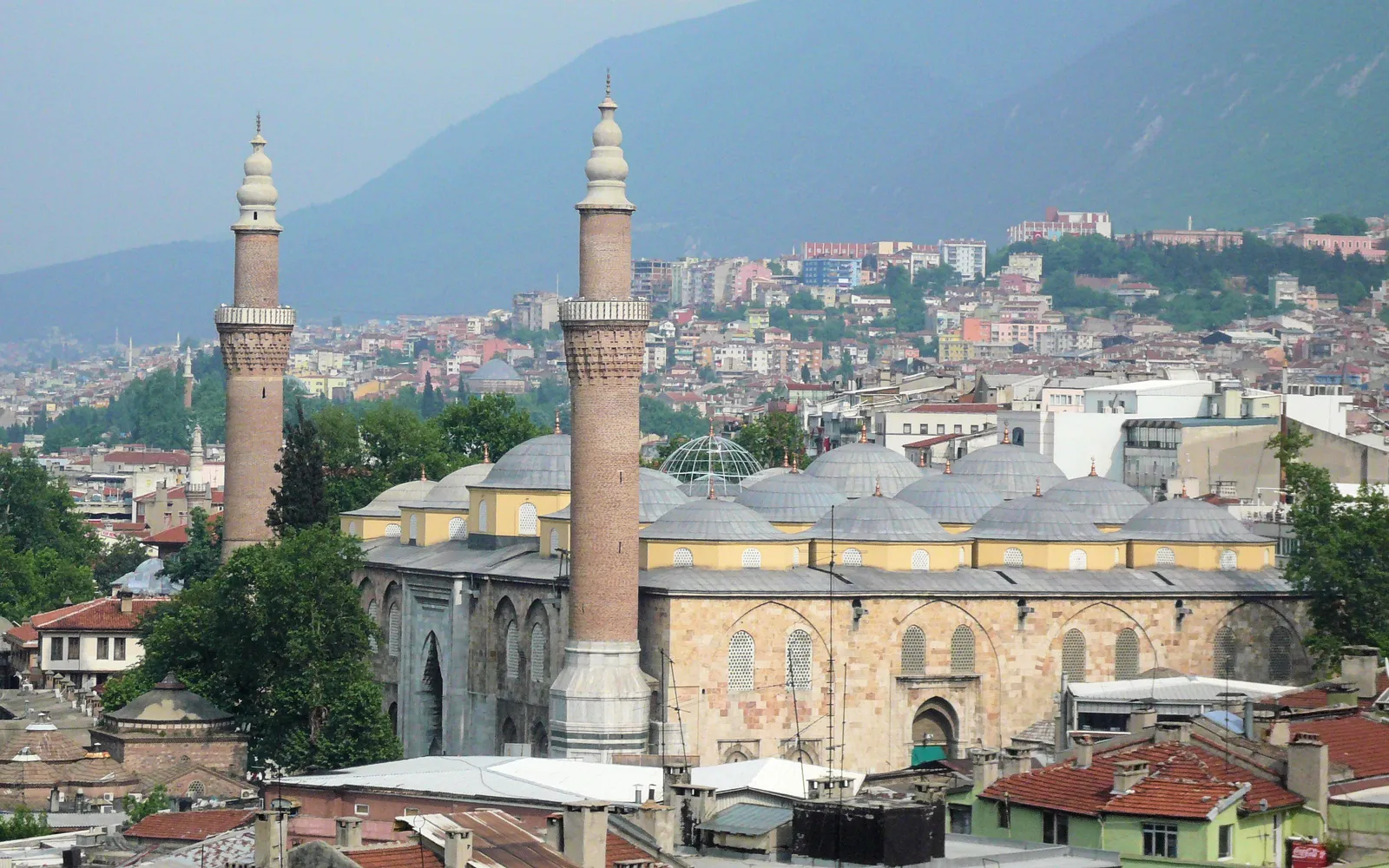
One of the finest Ottoman mosques in Turkey, completed in 1399 under Sultan Yıldırım Bayezid. The roof is a grid of 20 domes arranged 4×5, while the interior holds 2 minarets and a central ablution fountain (şadırvan) open to natural light from above. Every wall is covered in large hand-calligraphed Arabic inscriptions. Visitors must remove shoes and dress modestly; the mosque welcomes visitors every day between prayer times.
- Entry is free — avoid Friday midday prayers, when the mosque closes temporarily.
- Women should bring a headscarf; scarves are sometimes available at the entrance but supply is inconsistent.
- Before 9 am, light streaming through the domes is at its best and crowds are at their thinnest.
 #2
#2 Green Tomb (Yesil Türbe)
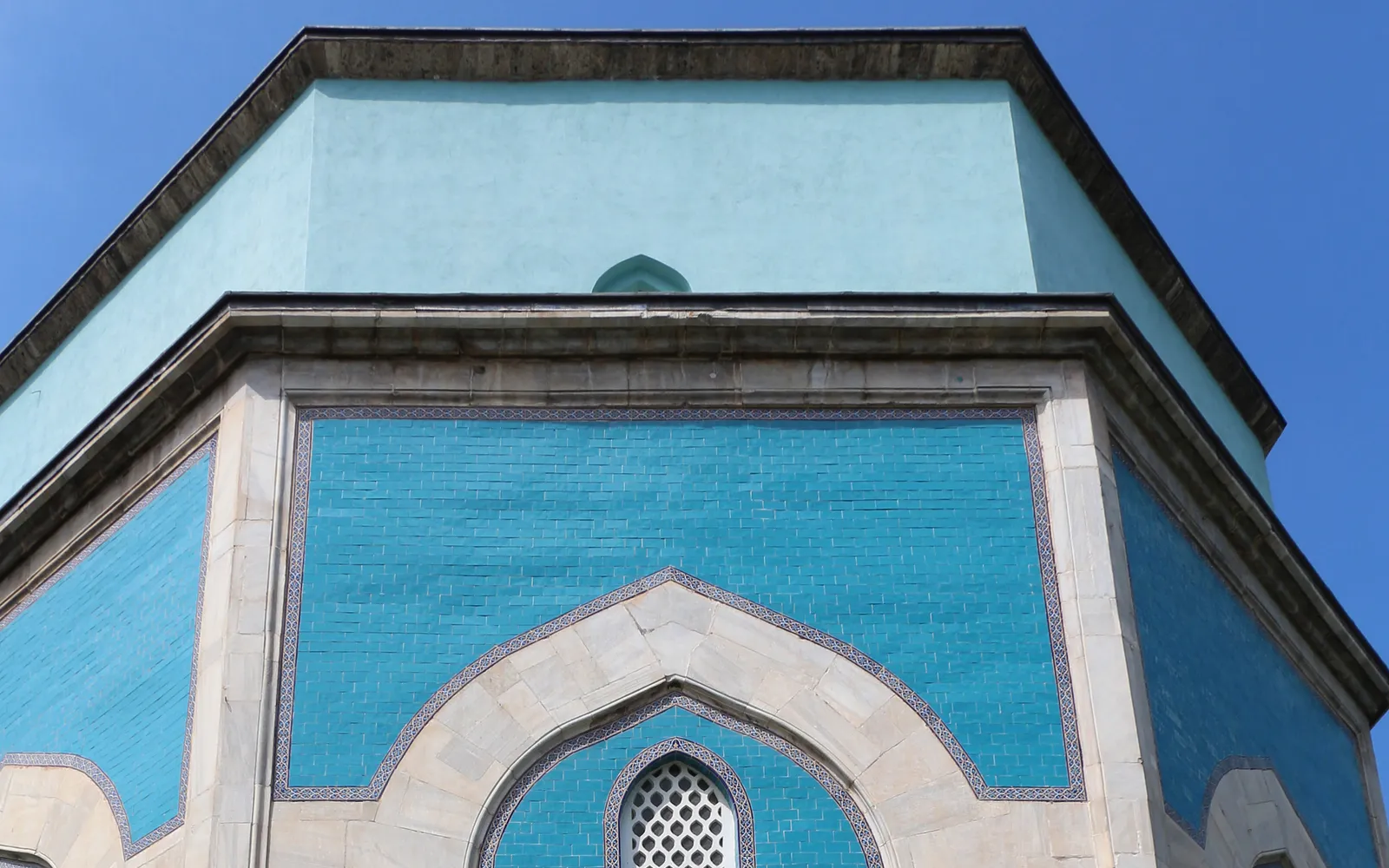
One of the most beautiful early Ottoman buildings in Turkey, raised in 1421 as the mausoleum of Sultan Mehmed I. The emerald ceramic tiles covering both the exterior and interior were made in İznik (ancient Nicaea), the region's celebrated ceramic centre. Inside, the marble sarcophagus is inlaid with coloured glass and fine floral patterns. The tomb is part of the UNESCO World Heritage listing for Bursa's historic core.
- Entry fee is low (around 20–30 Turkish lira at the time of writing) but increases yearly — check current pricing before you go.
- Yeşil Mosque sits just below the tomb in the same courtyard; you can visit both without walking far.
- The green tiles look their most vivid in direct afternoon sun, especially on a clear day.
 #3
#3 Bursa Covered Bazaar (Kapalıçarşı)
A covered bazaar with more than 600 years of continuous trading, dating to the early Ottoman period. Bursa was the first city in the empire where Silk Road silk was traded systematically, which is why the market contains several hans (caravanserais), including the particularly beautiful Koza Han — the silk-cocoon market. Today it still sells silk, towels, Turkish gifts and spices of noticeably better quality than Istanbul's Grand Bazaar, at prices 30–50% lower.
- Koza Han (Cocoon Court), inside the bazaar, is a handsome Ottoman building with a central courtyard fountain — free to enter and excellent for photography.
- Bursa silk and towels run 30–50% cheaper than Istanbul; bargaining works in private shops but prices in the hans tend to be fixed.
- The bazaar gets crowded on Turkish public holidays — weekday mornings are the quietest.
 #4
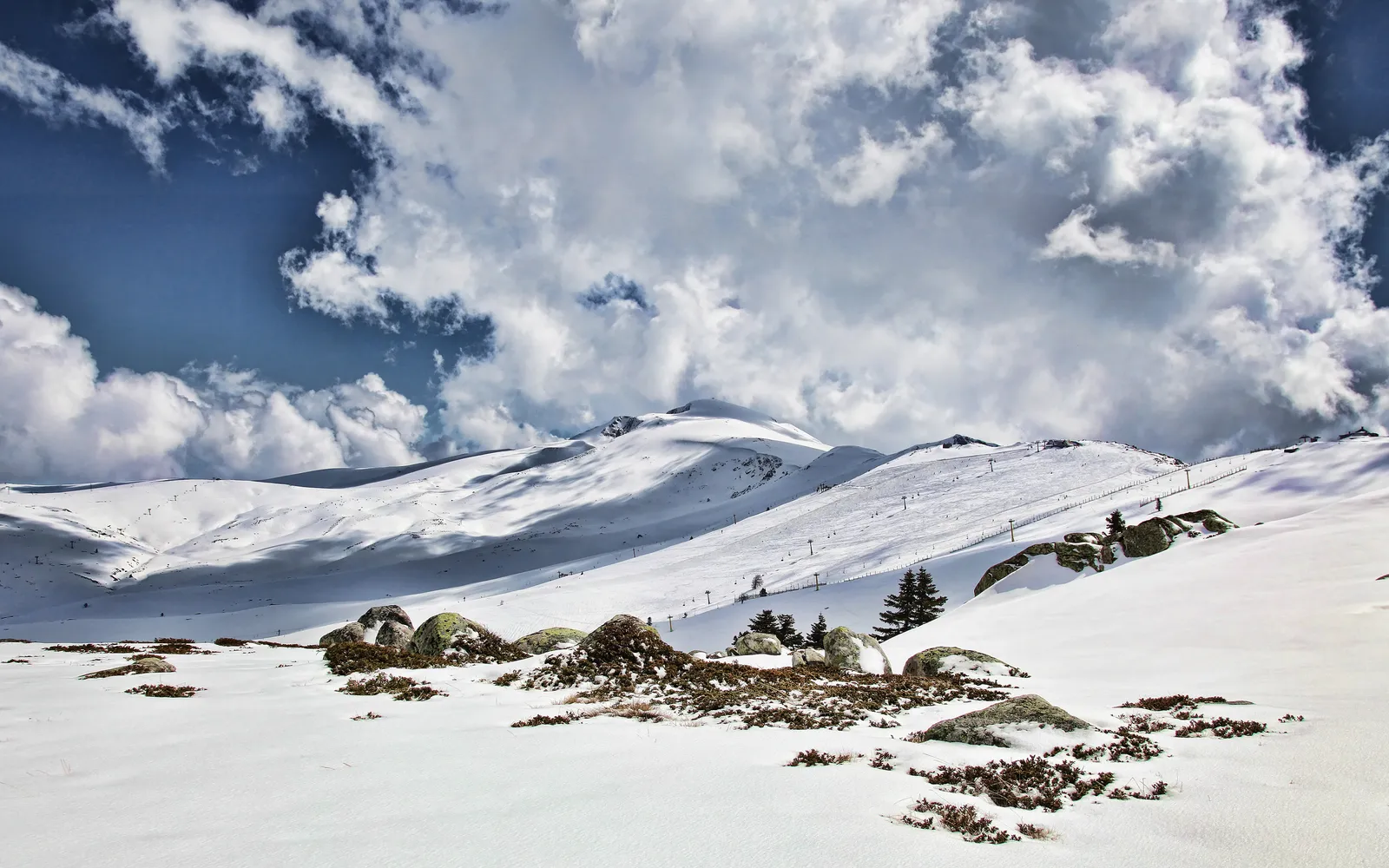
#4 Uludağ
The highest mountain in western Turkey at 2,543 metres — what the ancient Greeks called Olympos of Bithynia. In winter it is Turkey's most popular ski resort, with runs for every level and dozens of hotels on the slopes. In summer the mountain turns green and is ideal for hiking and panoramic views across Bursa and the Sea of Marmara on clear days. The cable car (teleferik) from the city centre to the summit is an experience worth taking in its own right.
- The Bursa Teleferik departs from Teferrüç station in the city and takes 16 minutes to the top — views along the way are excellent. Return fare runs around 200–250 Turkish lira.
- In winter, book mountain hotels at least 1–2 months ahead; rooms sell out quickly over Kurban Bayramı and Ramazan Bayramı.
- In summer, bring a windproof layer even on hot city days — the summit can be 10–15°C cooler.
 #5
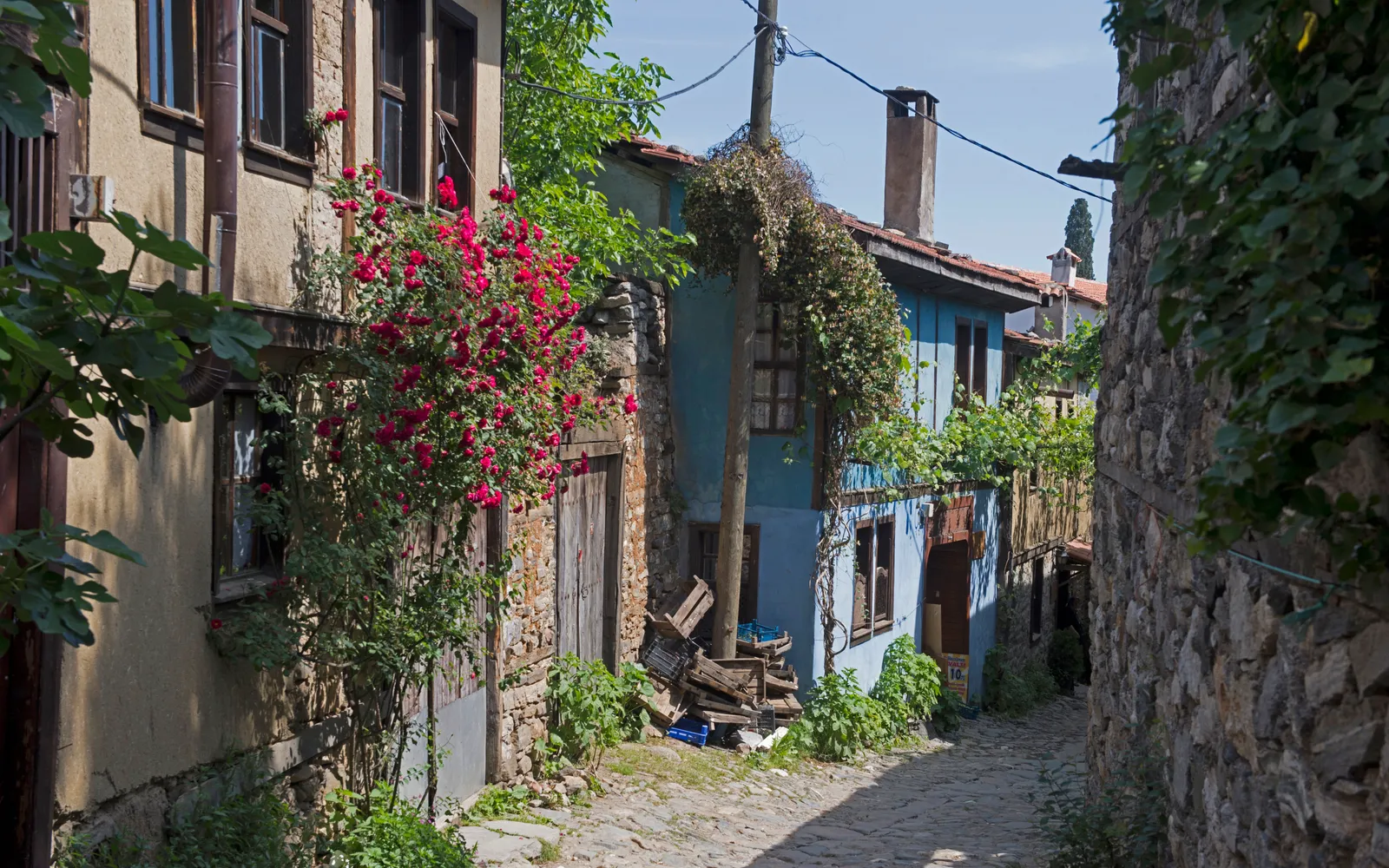
#5 Cumalıkızık
A living Ottoman village founded in the 14th century that has changed remarkably little over the centuries. More than 270 half-timbered Ottoman houses still stand in neat rows along narrow stone streets, some up to 700 years old and still occupied by residents today. UNESCO added it to the World Heritage List in 2014, together with Bursa's historic core. On weekends a village market brings locals out to sell fresh produce and homemade food.
- The Saturday–Sunday morning market is the most lively time to visit, though it draws bigger crowds than weekdays.
- Walking through the old houses is free; some have been converted into small cafés or mini-museums with a 20–30 lira entry fee.
- The village is small enough to walk completely in 1–2 hours — slow down and have tea at one of the doorstep stalls run by local residents.
 #6
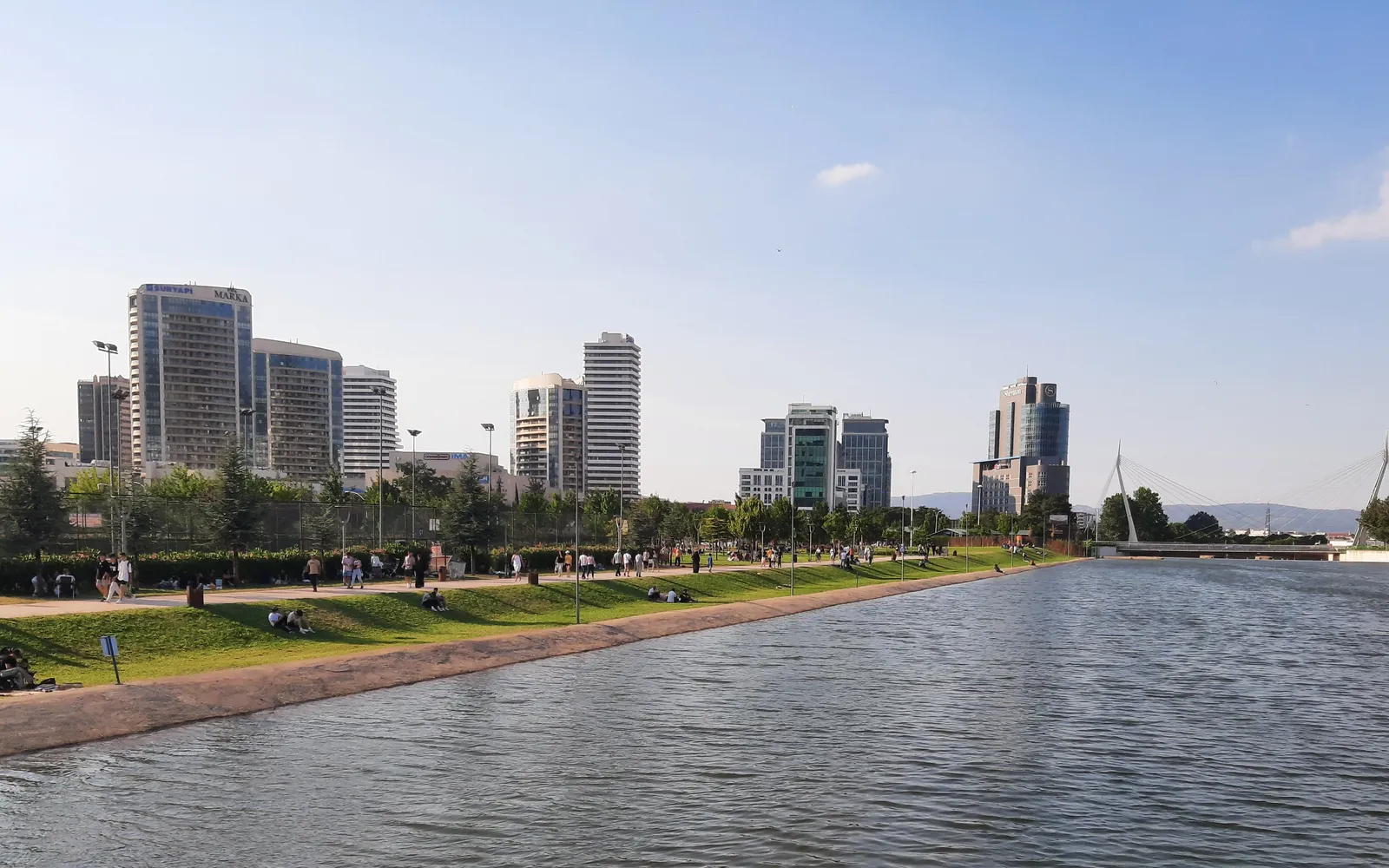
#6 Tophane Historic Quarter
The high ground where Bursa's earliest fortress stood — and where Osman Gazi (founder of the Ottoman dynasty) and Orhan Gazi (the second sultan) are buried. The shaded public park holds cedar and tamarind trees over a hundred years old, an Ottoman clock tower stands at the centre, and locals come daily to sit and drink tea from the garden tea houses. From here you see the whole city with Uludağ behind it — the view is at its finest at sunset.
- The tombs of Osman and Orhan are free to enter and contain marble sarcophagi and beautiful İznik tiles.
- The park tea houses open from 8:00 am — sitting with a glass of Turkish tea while watching the city wake up is what locals do here every morning.
- Golden hour runs roughly 6:00–7:30 pm in summer; light at that angle catches the mosque domes and minarets beautifully.
Where to stay in Bursa for this trip
A well-located hotel means less commuting and more sightseeing. Here are real, top-rated stays in Bursa — compare Agoda · Booking · Trip.com in one click.
Bursa Suites Apart Otel
Affiliate links — we may earn a commission at no extra cost to you. Details
Holiday Inn Bursa - City Centre
Affiliate links — we may earn a commission at no extra cost to you. Details
Lena Central Flats
Affiliate links — we may earn a commission at no extra cost to you. Details
Green Prusa Hotel
Affiliate links — we may earn a commission at no extra cost to you. Details
Tours, tickets & activities in Bursa
Day tours, attraction tickets and travel essentials for Bursa — book ahead on Klook with mobile e-tickets.
Affiliate links — we may earn a commission at no extra cost to you.
Before You Pack
Bursa is comfortable in 2–3 days — compact enough to cover easily, yet deep enough to reward a slower pace. In winter (December–March) Uludağ opens for skiing; in spring (April–June) the city fills with flowers and the air stays pleasantly cool. Avoid Turkish public holidays when domestic visitors pour in and mountain accommodation becomes hard to find.