Bordeaux spent decades being written off as a stuffy old wine city stuck in its own traditions — then the past decade happened. Six kilometres of riverfront were transformed into a world-standard promenade, and the Cité du Vin, the most ambitious wine museum on earth, opened in 2016. Today Bordeaux is arguably the single French city that best combines history, food, and serious wine in one walkable package.
 #1
#1 Place de la Bourse and Miroir d'Eau
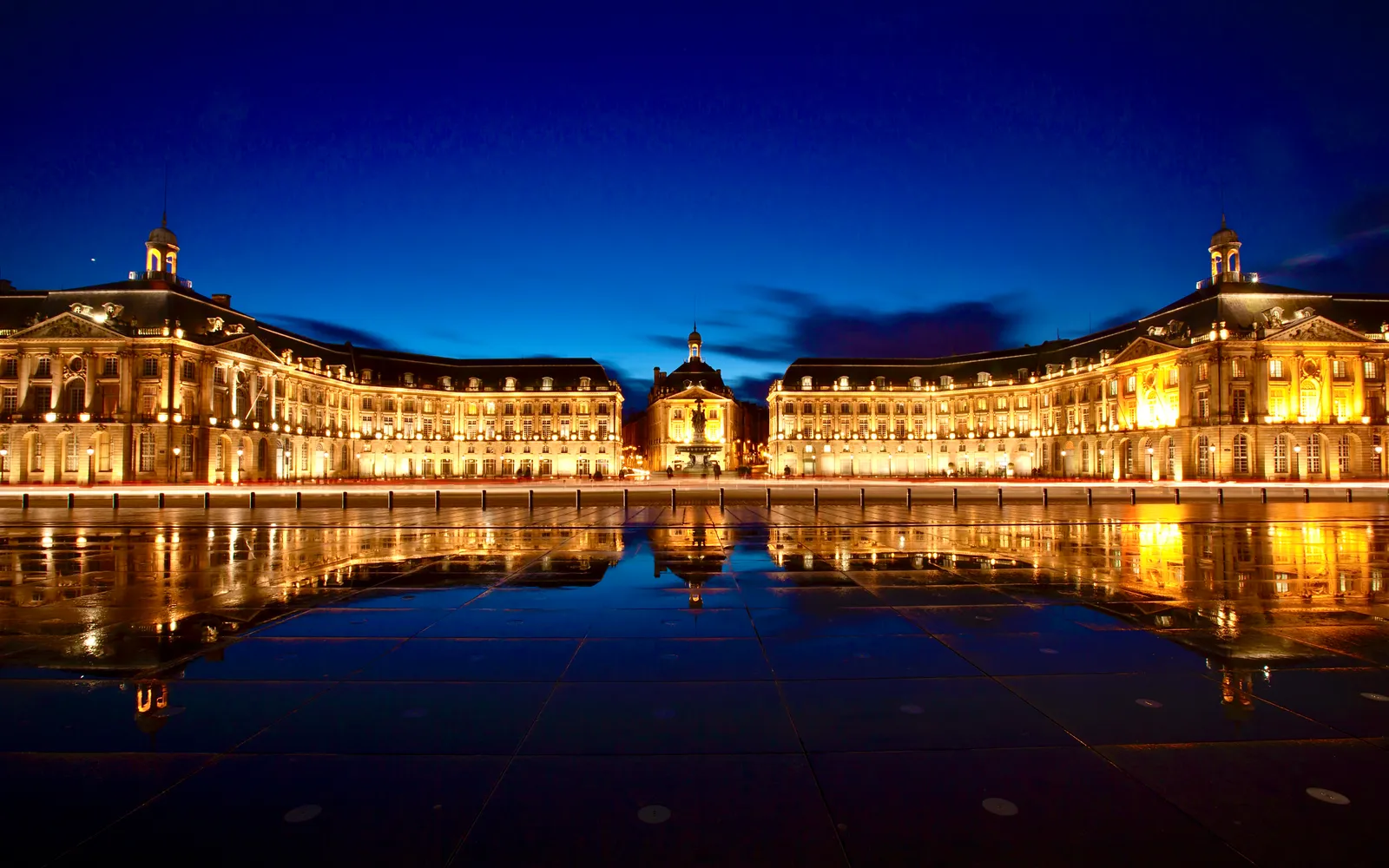
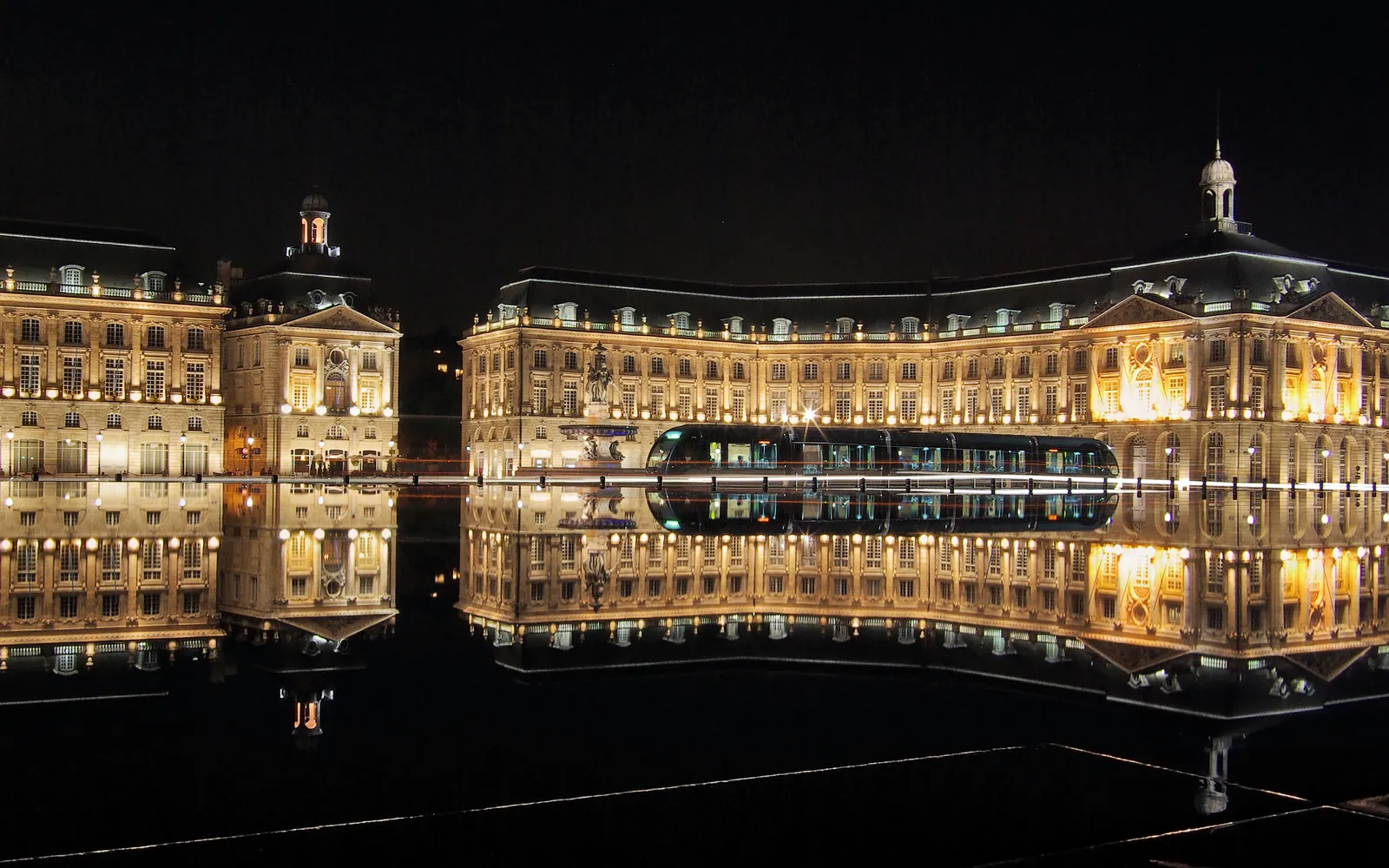
The unmissable centrepiece of Bordeaux and every visitor's first photograph. The square was built in the 18th century under Louis XV and stands as one of the finest examples of neo-classical architecture in France. In front of it sits the Miroir d'Eau — a reflective water mirror just 2 centimetres deep that reproduces the surrounding buildings with such clarity you'll struggle to tell the real from the reflection. Mist jets fire at intervals, and the whole scene turns romantic when the late-afternoon sun turns everything gold.
- The mist jets cycle every 23 minutes — wait for them if you want that white-fog shot
- Arrive an hour before sunset for the best golden-hour light
- The water mirror runs April through October; it may be closed for maintenance in winter, so check ahead
 #2
#2 Cité du Vin
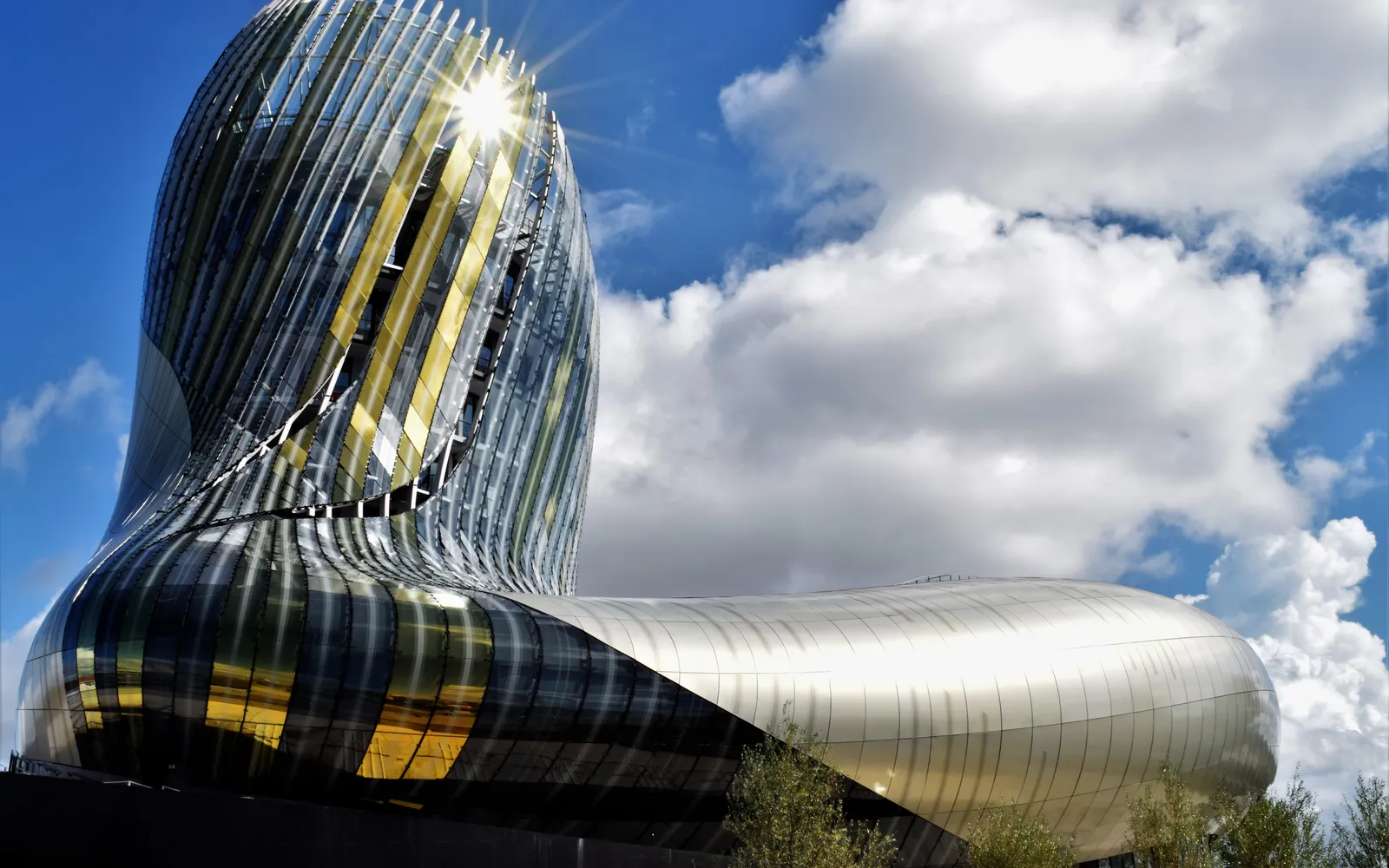
The most ambitious and visually striking wine museum in the world, opened in 2016 at a construction cost of over €81 million. The building's coiling form was designed to evoke wine turning in a glass. Inside, 20 themed zones take visitors through every dimension of wine via all five senses — 8,000 years of history, vineyards from every continent, the aesthetics of tasting. The top floor holds a 360-degree panoramic bar over Bordeaux, with one glass of wine included in the admission price.
- Buy tickets online in advance — they sell out fast in high season. Admission is around €22
- Allow at least 3 hours to cover all the zones properly, including the rooftop bar
- The English audio guide is worth buying — especially for the winemaking production zone, where context makes a real difference
 #3
#3 Saint-Émilion
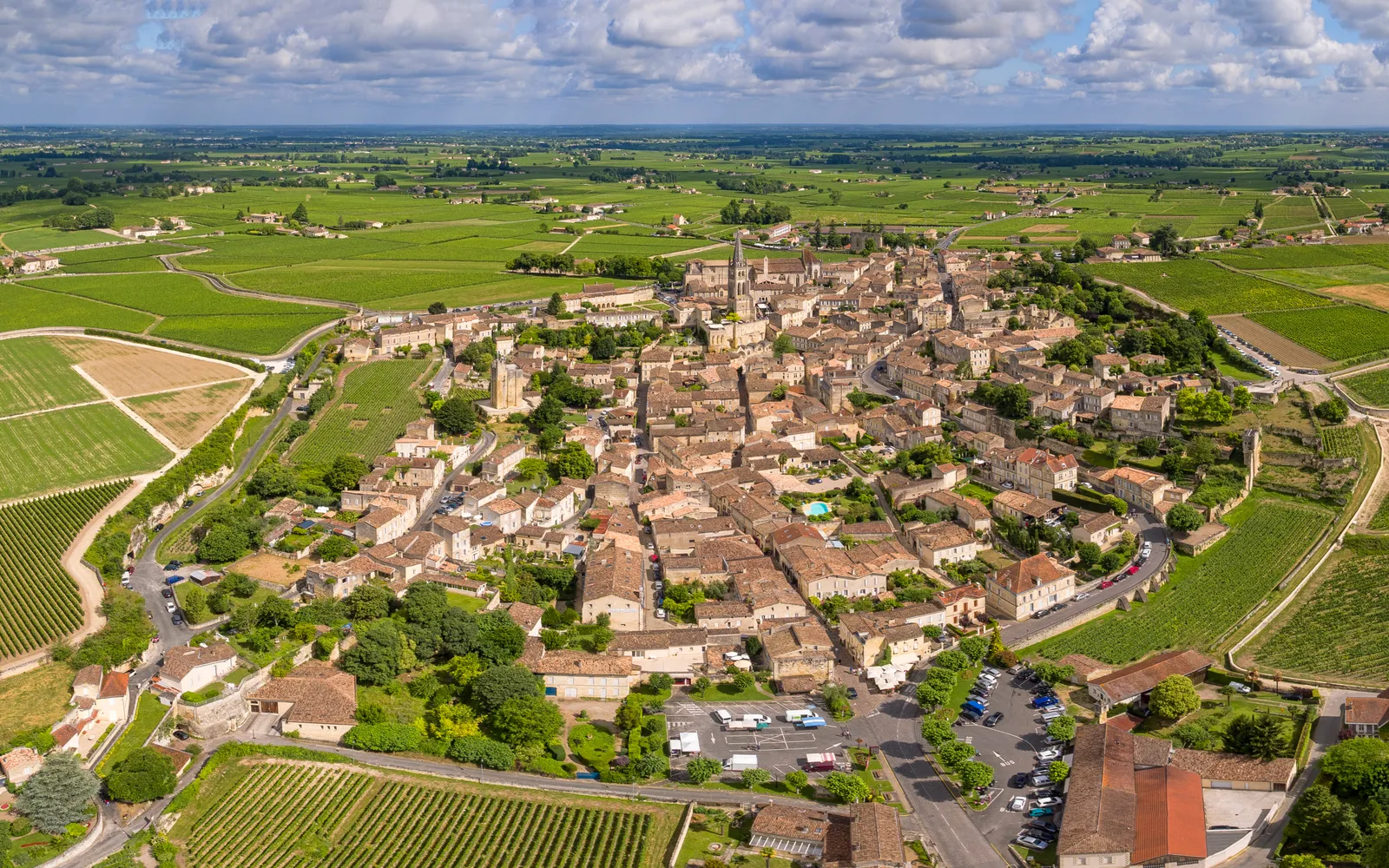
The most beautiful wine village in France and a UNESCO World Heritage Site since 1999 — the designation covers the entire cultural landscape, vineyards and all. Narrow cobblestone streets are lined with wine shops, tasting cellars, and excellent restaurants. The village sits on limestone riddled with more than 200 kilometres of underground tunnels, used for wine storage and as wartime shelters. Top estates such as Château Ausone and Château Cheval Blanc are in the immediate area.
- Book château tastings at least a week ahead — some of the famous names require a month's notice or more
- September and October are the vendange (harvest) season — the vineyards are at their most beautiful and festivals are common
- The village is very crowded during peak season; arrive by 9 or 10 am before the tour coaches pull in
 #4
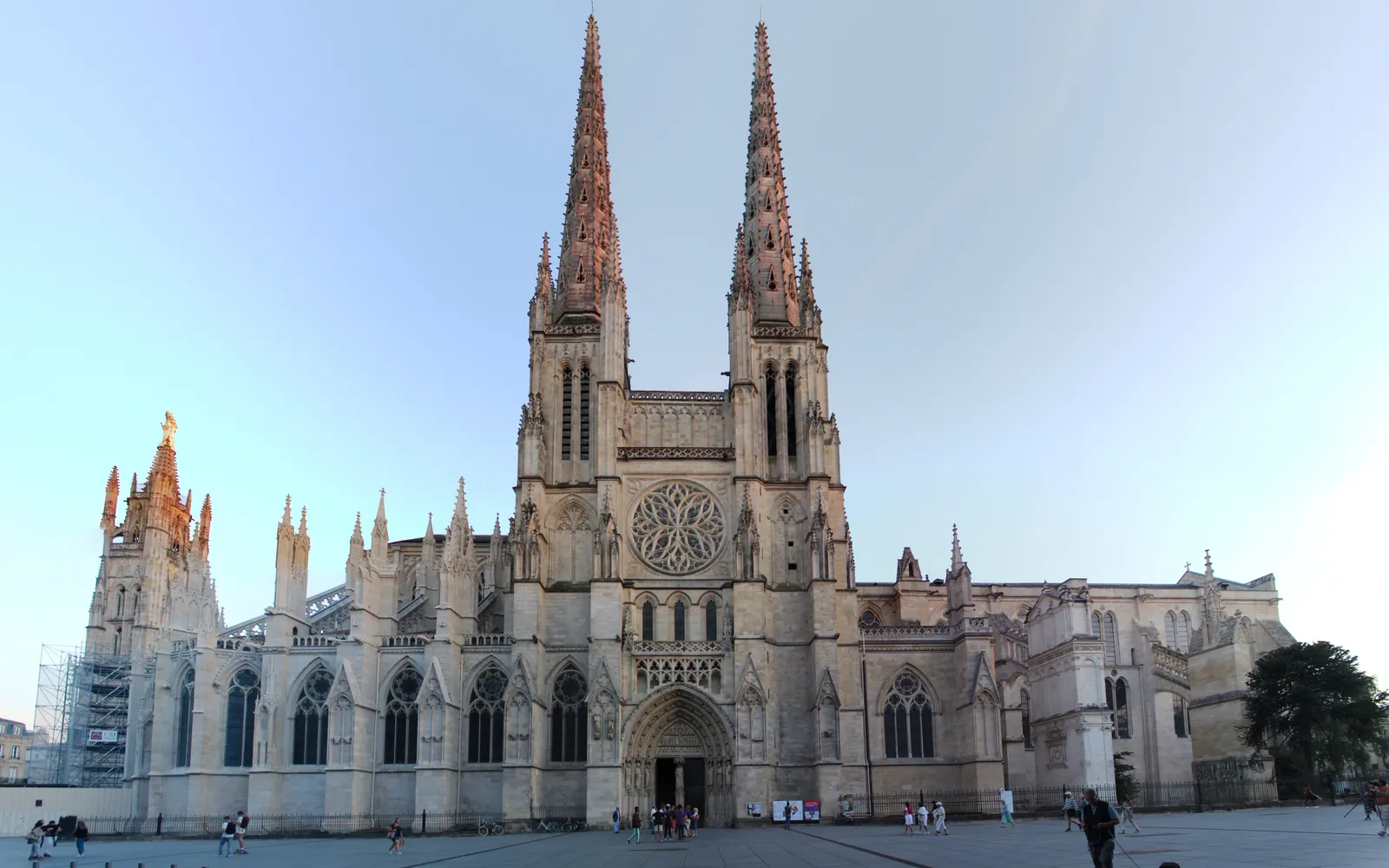
#4 Bordeaux Cathedral and Tour Pey-Berland
A Gothic cathedral more than 1,000 years old, and the venue where Louis VII married Eleanor of Aquitaine in 1137. The building is part of the UNESCO World Heritage listing and sits on the Santiago de Compostela pilgrimage route. Adjacent — and deliberately freestanding, following a southern French architectural tradition — is the Tour Pey-Berland bell tower, 66 metres tall. Climb 230 steps for a panoramic view across the whole city.
- The cathedral is free to enter; climbing Tour Pey-Berland costs around €7
- Sunday morning Mass draws local worshippers — the atmosphere is genuinely moving
- The Tour Pey-Berland staircase is narrow and steep; not recommended for anyone with claustrophobia or a fear of heights
 #5
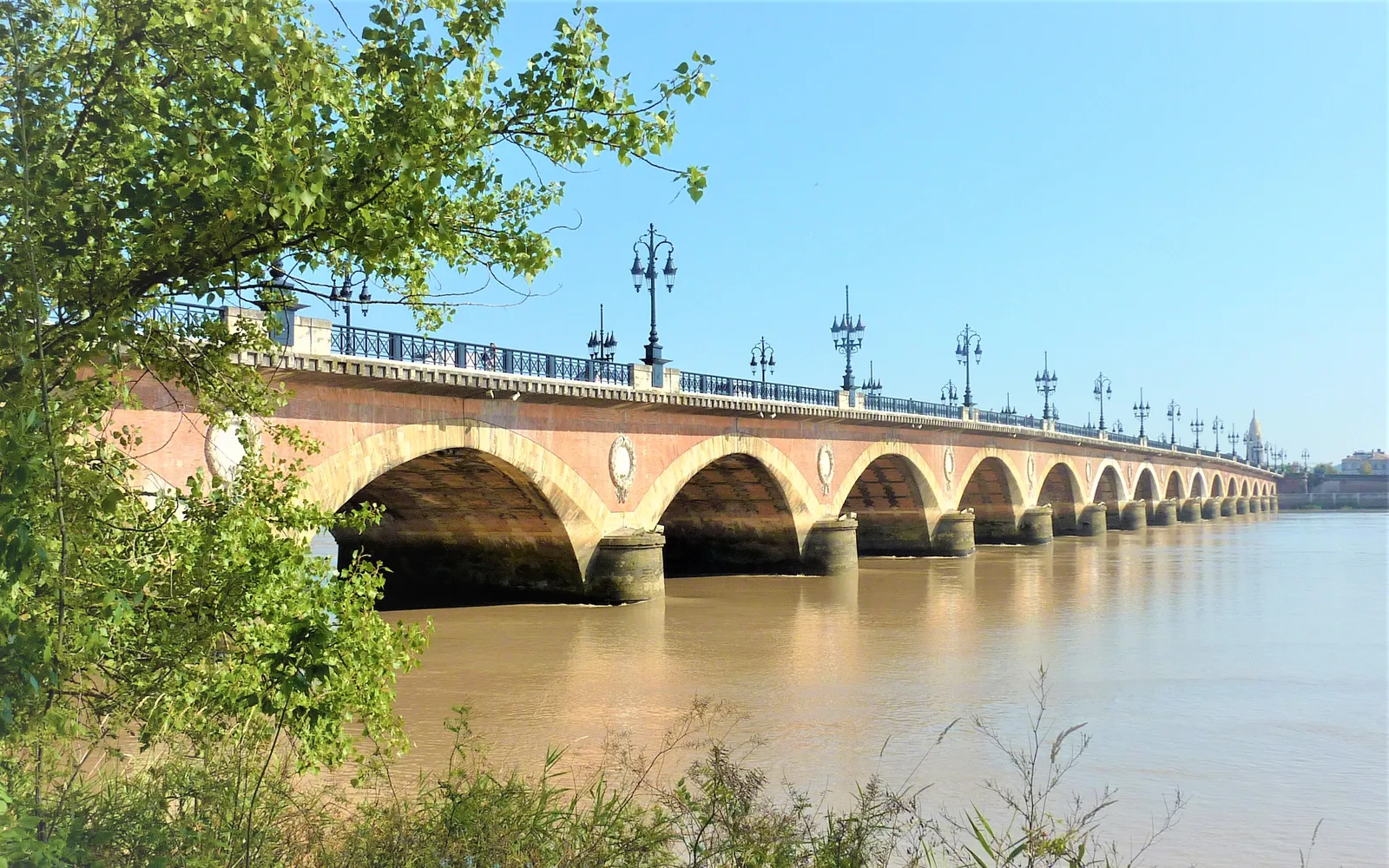
#5 Pont de Pierre
Bordeaux's oldest and most handsome stone bridge, built on Napoleon's orders between 1810 and 1822 for use during the Peninsular War. The bridge has 17 arches — widely believed to correspond to the 17 letters in the name Napoléon Bonaparte. Walking across it gives you the best view of the quai and the UNESCO-listed waterfront facade stretching along the western bank. The eastern bank leads into the La Bastide neighbourhood, with its cafés, market, and park.
- Cross from the city side to La Bastide for the best angle on the river's heritage facades
- The Marché des Quais morning market runs every Sunday under the bridge, selling local produce and cheese
- The Saint-Michel district just south of the bridge has vintage shops, bistros, and a genuinely multicultural community — real Bordeaux, not just the tourist circuit
 #6
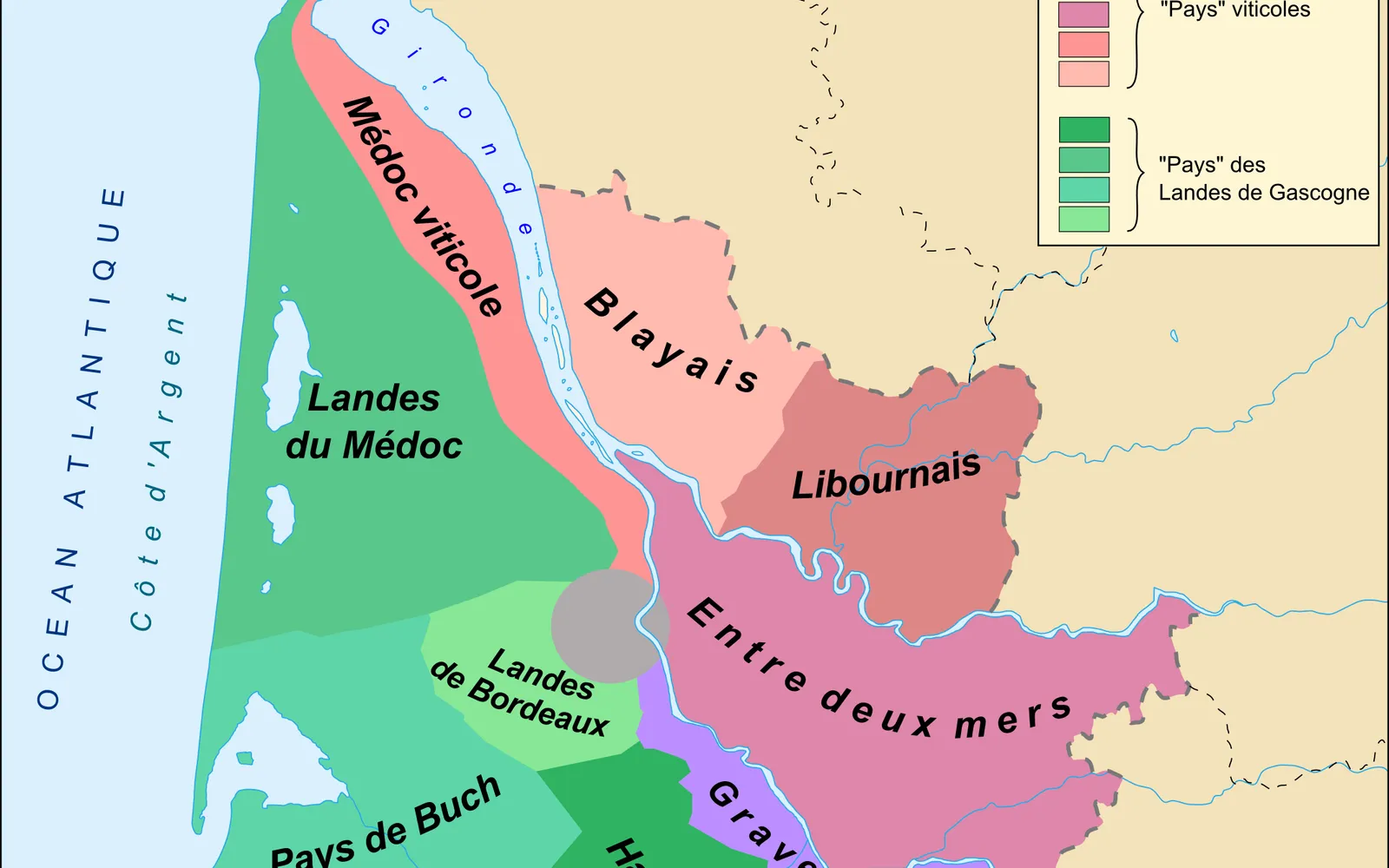
#6 Médoc Wine Route
The Médoc peninsula is the heart of Bordeaux's most celebrated wine production. More than 60 Grand Cru Classé châteaux here produce bottles that sell for thousands of euros each. Along the D2 road — the Route des Châteaux — you can stop for tastings at estates that receive visitors, including Château Margaux and Château Beychevelle. The landscape alternates between working vineyards and château buildings that look more like small palaces than farms.
- Book château visits in advance on each estate's own website — many do not accept walk-ins, particularly the famous names
- Hire a car or book a driver (one who isn't drinking) — public transport through this area is very limited
- During the vendange harvest in September–October, some estates let visitors join the grape picking — a rare experience
Where to stay in Bordeaux for this trip
A well-located hotel means less commuting and more sightseeing. Here are real, top-rated stays in Bordeaux — compare Agoda · Booking · Trip.com in one click.
La Halte Montaigne
Affiliate links — we may earn a commission at no extra cost to you. Details
Duplex Saint Jean – SuperBordeaux
Affiliate links — we may earn a commission at no extra cost to you. Details
Best Western Plus Gare Saint-Jean
Affiliate links — we may earn a commission at no extra cost to you. Details
All Suites Appart Hotel Bordeaux Marne
Affiliate links — we may earn a commission at no extra cost to you. Details
Tours, tickets & activities in Bordeaux
Day tours, attraction tickets and travel essentials for Bordeaux — book ahead on Klook with mobile e-tickets.
Affiliate links — we may earn a commission at no extra cost to you.
Before You Pack
Bordeaux works year-round, but autumn (September–October) is the grape harvest — the vineyards are at their most beautiful and wine festivals fill the calendar. Plan at least 3 to 4 days to cover the city properly and still fit in a day trip to Saint-Émilion or the Médoc.