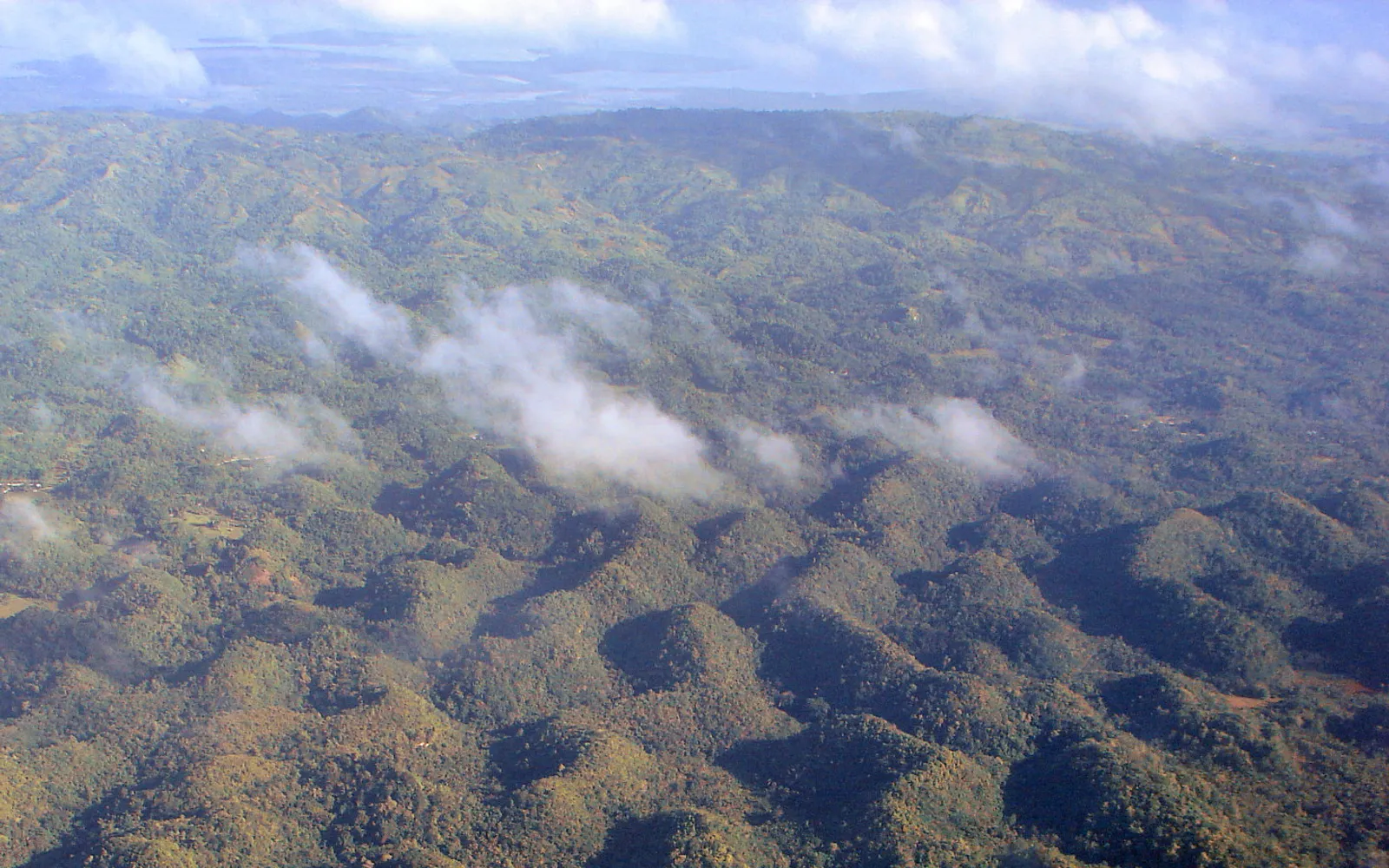
Bohol's food tells you exactly where you are. Kalamay — the stretchy sticky sweet packed into a split coconut shell — comes from Jagna and is the province's most beloved take-home gift. Peanut Kisses, cone-shaped cookies modeled on the Chocolate Hills, are the edible symbol of the island. Fresh seafood from the Cebu Sea arrives on the table grilled over charcoal, steamed with calamansi, or simmered in ginger broth. Travelers who come to dive Alona Beach tend to leave with at least one box of sweets tucked in their luggage.
 #1
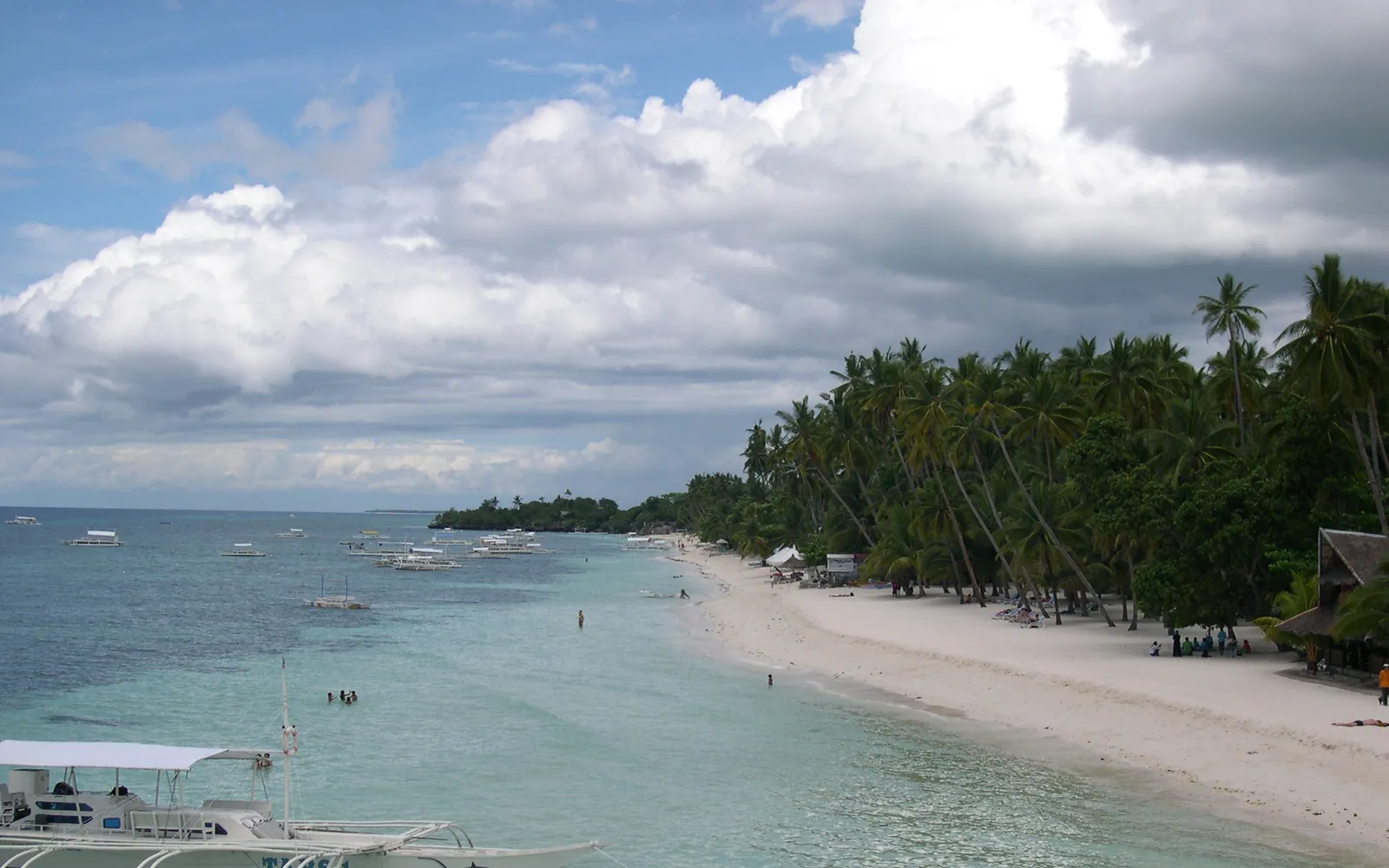
#1 Alona Beach Fresh Grilled Seafood
The heart of eating in Panglao is its seafood — fishermen head out every morning, and the beachfront restaurants along Alona have live tanks where you pick your fish, prawns, crab, squid, or shellfish before it's cooked. The most popular preparations are charcoal grilling, calamansi steaming, and ginger-broth soup, served with rice and a side of sigang dipping sauce — calamansi juice with fish sauce, purely Filipino.
- Always ask the per-kilo price before ordering — rates vary significantly between species.
- Oasis Restaurant and Seafood Kingdom on Alona Beach have held consistently strong reviews.
- For dinner, the beach fills up fast — arrive or reserve by 5:30 pm for a good table.
 #2
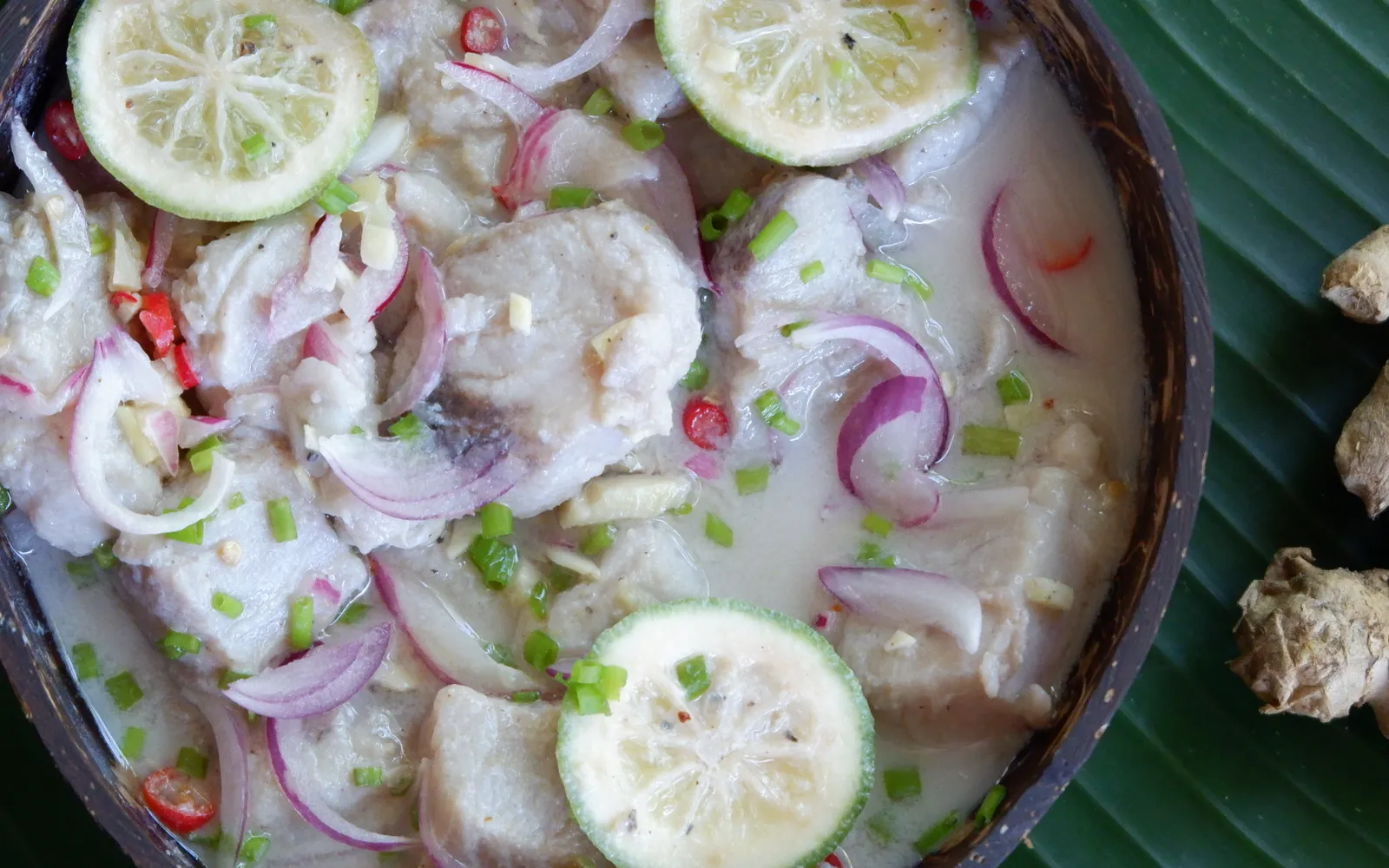
#2 Kinilaw
The Filipino take on ceviche, with a history stretching back over a thousand years. Fresh fish cut into small pieces is 'cooked' by coconut vinegar and calamansi juice, then mixed with ginger, onion, chilli, and coconut cream. The result is sour-forward with a gentle heat — remarkably refreshing in the island heat. In Bohol, tanigue (Spanish mackerel) is the preferred fish for kinilaw.
- Kinilaw is best when the fish is at its freshest — order at lunch or early dinner when the kitchen has just opened.
- Not comfortable with raw fish? Ask them to marinate it for an extra 15–20 minutes; the acid firms the flesh considerably.
- It's typically served as a starter or a beer companion — San Miguel is the local pairing of choice.
 #3
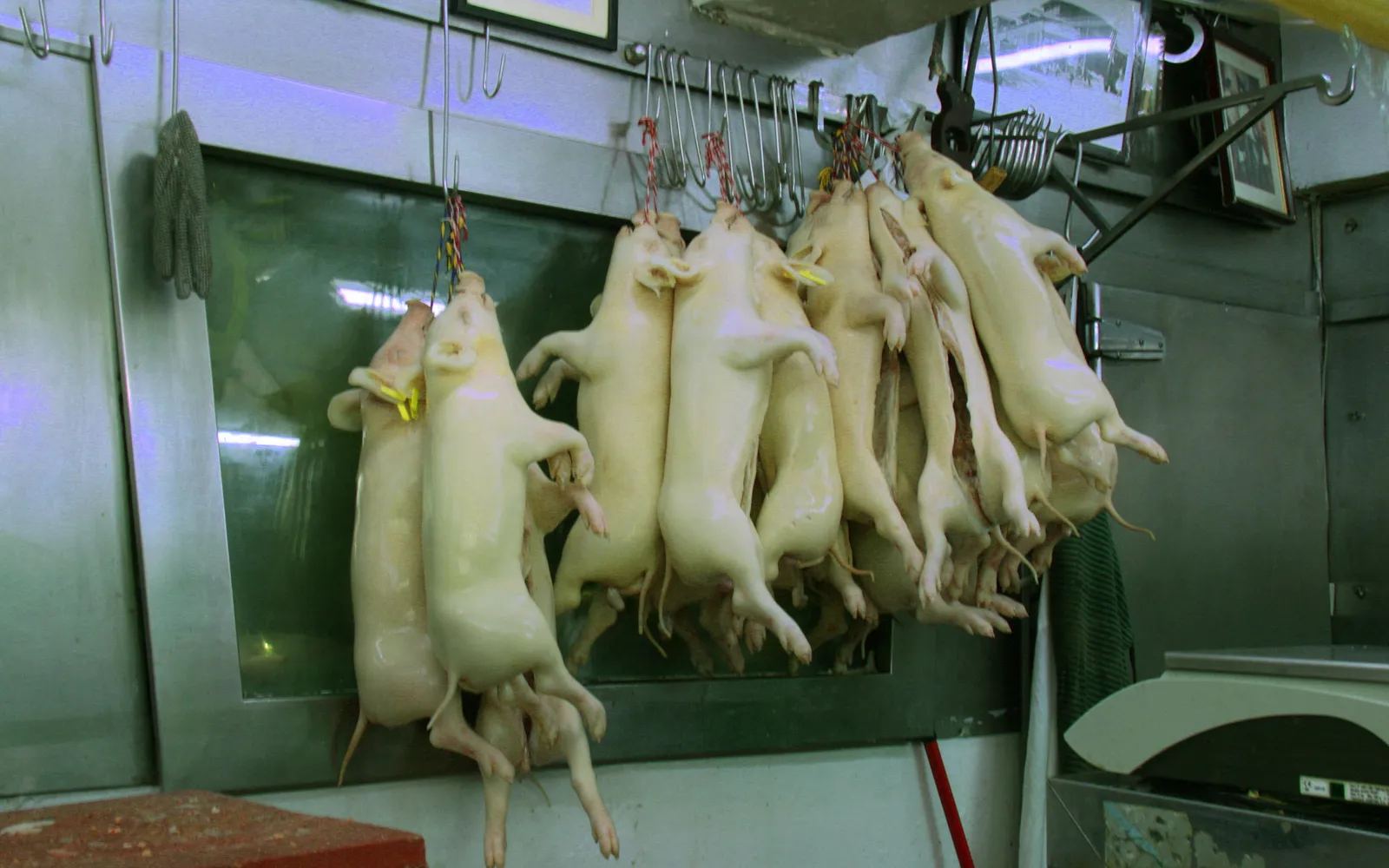
#3 Lechon
Lechon is a whole pig slow-roasted on bamboo over hardwood charcoal, and in the Philippines it signals celebration. The Visayas version — which includes Bohol — is distinctive for its stuffing of lemongrass, garlic, bay leaves, and black pepper, giving the meat an aromatic depth and the skin an exceptional crackle. In Tagbilaran, dedicated lechon shops sell it by weight; during fiesta season it appears at outdoor stalls across the island.
- The crispy skin and belly meat are the most fought-over cuts — go for those first.
- Tagbilaran lechon shops often sell out before noon; arrive in the morning.
- Pair it with lechon sauce (made from pork liver) or a vinegar-garlic dip.
 #4
#4 Kalamay (Calamay)
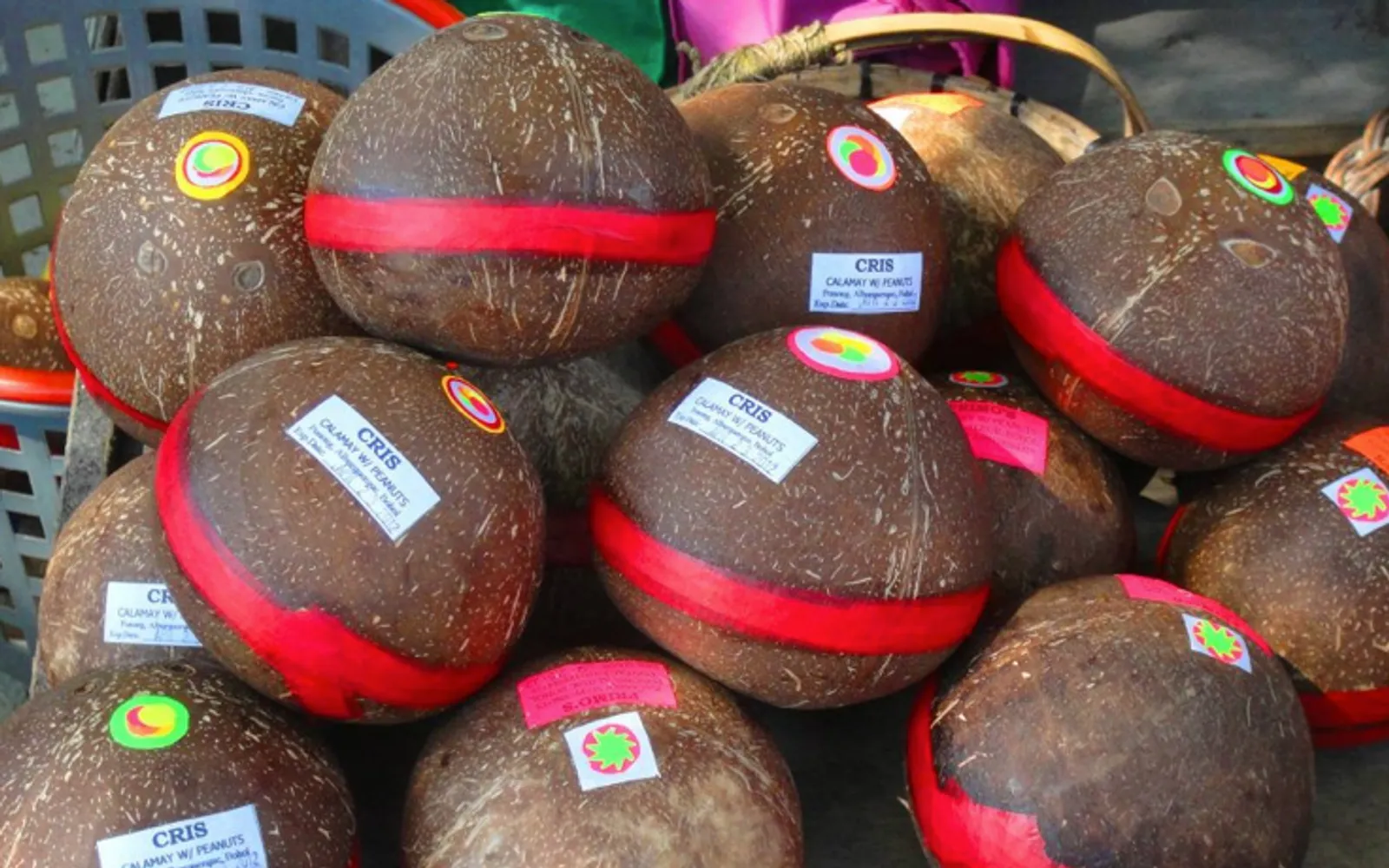
Kalamay is a dense, chewy sweet made from ground glutinous rice, fresh coconut cream, and muscovado sugar, stirred continuously over heat for up to 4 hours to develop its signature elastic texture. It's packed into halved coconut shells and sealed with red paper — the essential Bohol take-home gift. The flavor is rich, sweet, and gently milky. The original recipe traces back to Jagna, mid-19th century.
- Genuine Jagna kalamay stretches like taffy — versions made with corn starch have far less pull.
- It keeps for several weeks at room temperature, which makes it ideal to pack home.
- Airport prices run higher — buy at the Jagna market or a town shop for better value.
 #5
#5 Peanut Kisses
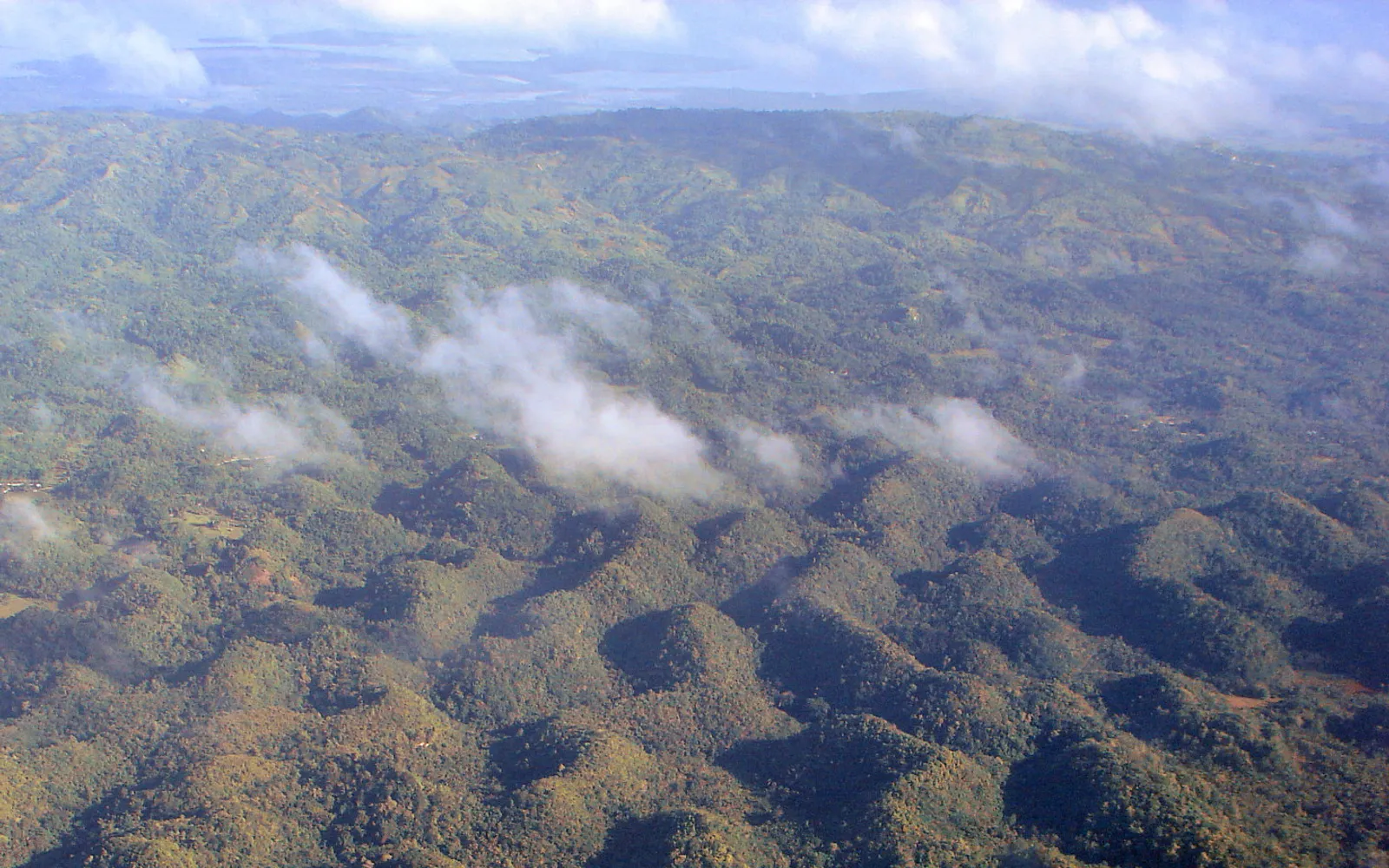
Bite-sized cone cookies deliberately shaped to echo the Chocolate Hills. Made from finely ground peanuts, egg whites, and sugar, baked until the outside is crisp and the center stays soft. The peanut flavor is toasty and sweet without being heavy. They've become Bohol's edible icon and the most popular pasalubong (trip souvenir) on the island, available plain or chocolate-dipped.
- Buy from Be-U (or Bohol Quality Mall) — the original producer with the strongest reputation.
- Airtight plastic packaging keeps them crisp for 2–3 weeks.
- You can also pick them up at the Chocolate Hills viewpoint — same price as town shops.
 #6
#6 Sikwate (Filipino Hot Chocolate)
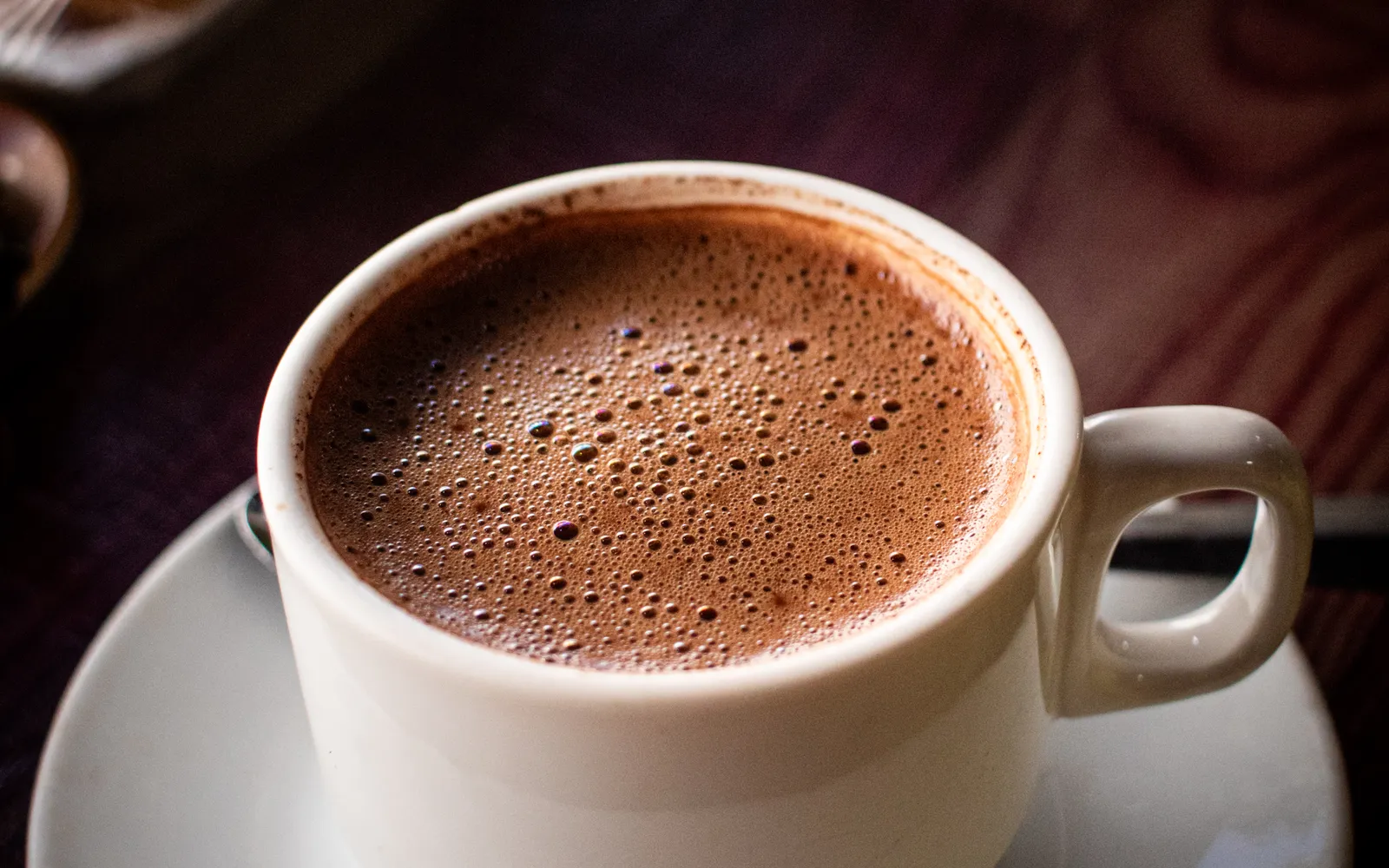
Sikwate is the traditional Filipino hot chocolate, made from tablea — dried discs of ground pure cacao — dissolved in hot water and whisked with a traditional wooden stirrer called a batirol until a thick foam forms. The flavor is intensely chocolatey with a pleasant edge of bitterness. It's typically paired with bibingka (rice cake with banana) for breakfast or the mid-afternoon merienda snack.
- Bohol Bee Farm in Dauis serves sikwate alongside organic ice cream in unusual flavors — worth the stop.
- Ask for sugar on the side; some kitchens sweeten heavily, others not at all.
- The morning market in Tagbilaran sells sikwate in clay cups at the lowest prices — and the most traditional flavor.
Where to stay in Bohol & Panglao for this trip
A well-located hotel means less commuting and more sightseeing. Here are real, top-rated stays in Bohol & Panglao — compare Agoda · Booking · Trip.com in one click.
Amarela Resort
Affiliate links — we may earn a commission at no extra cost to you. Details
Amorita Resort
Affiliate links — we may earn a commission at no extra cost to you. Details
Bohol Beach Club
Affiliate links — we may earn a commission at no extra cost to you. Details
Henann Premier Coast Resort
Affiliate links — we may earn a commission at no extra cost to you. Details
Tours, tickets & activities in Bohol & Panglao
Day tours, attraction tickets and travel essentials for Bohol & Panglao — book ahead on Klook with mobile e-tickets.
Affiliate links — we may earn a commission at no extra cost to you.
Before You Pack
Bohol's food is unpretentious and honest — every dish relies on local ingredients and recipes passed down across generations. Walk the markets, pull up a plastic chair at a roadside stall, and you'll find flavors that don't exist anywhere else.