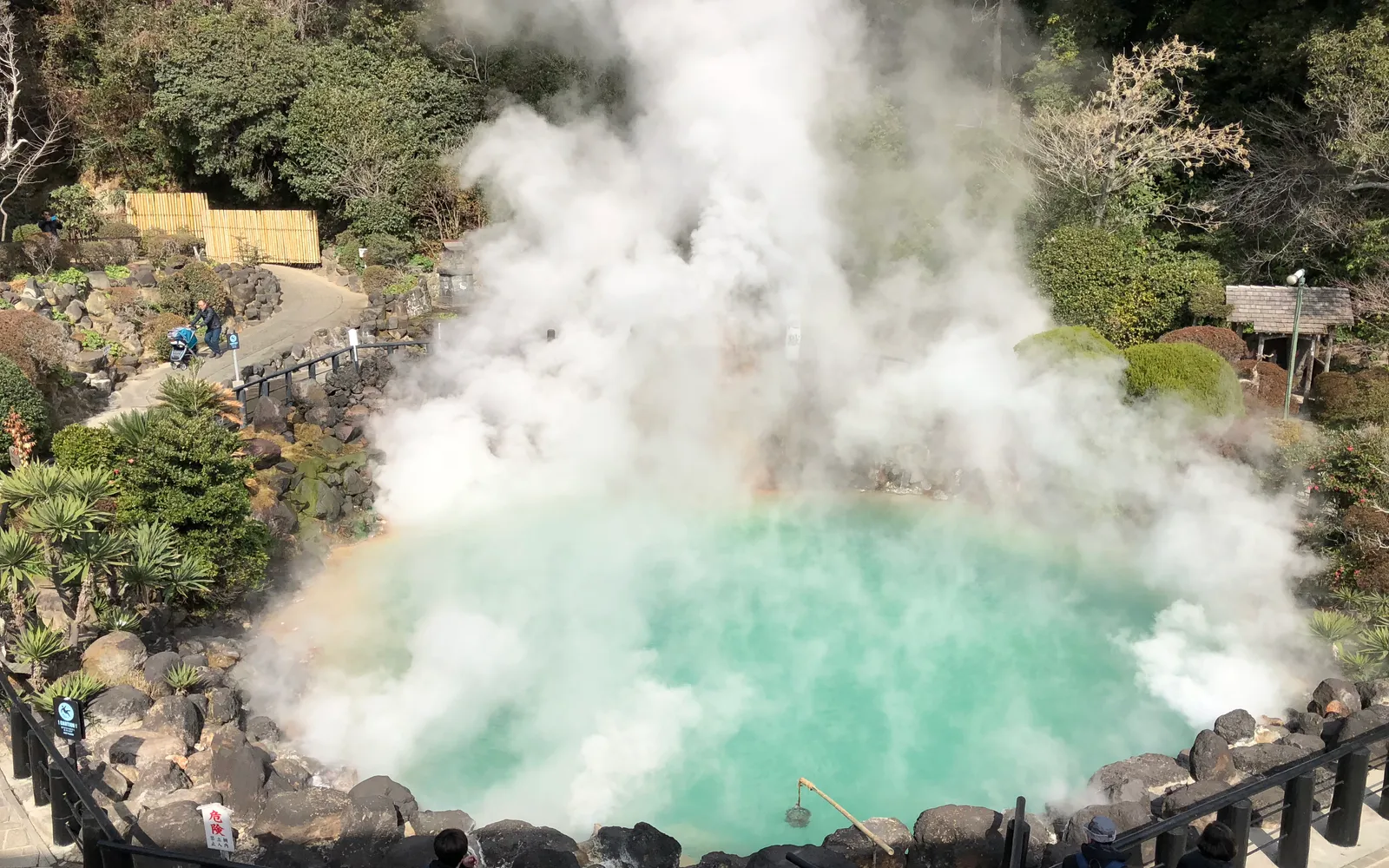
In Beppu, geothermal energy seeps into every corner of daily life — including what ends up on your plate. Jigoku-mushi is a steaming technique that uses natural 100°C steam venting straight from the earth, something you simply cannot replicate at home. Beyond that, there's toriten — Oita-style chicken tempura — and reimen cold noodles that were born right here in Beppu. Together they make this city a genuine eating destination, not just a spa stop.
 #1
#1 Jigoku-mushi (Hell Steaming)
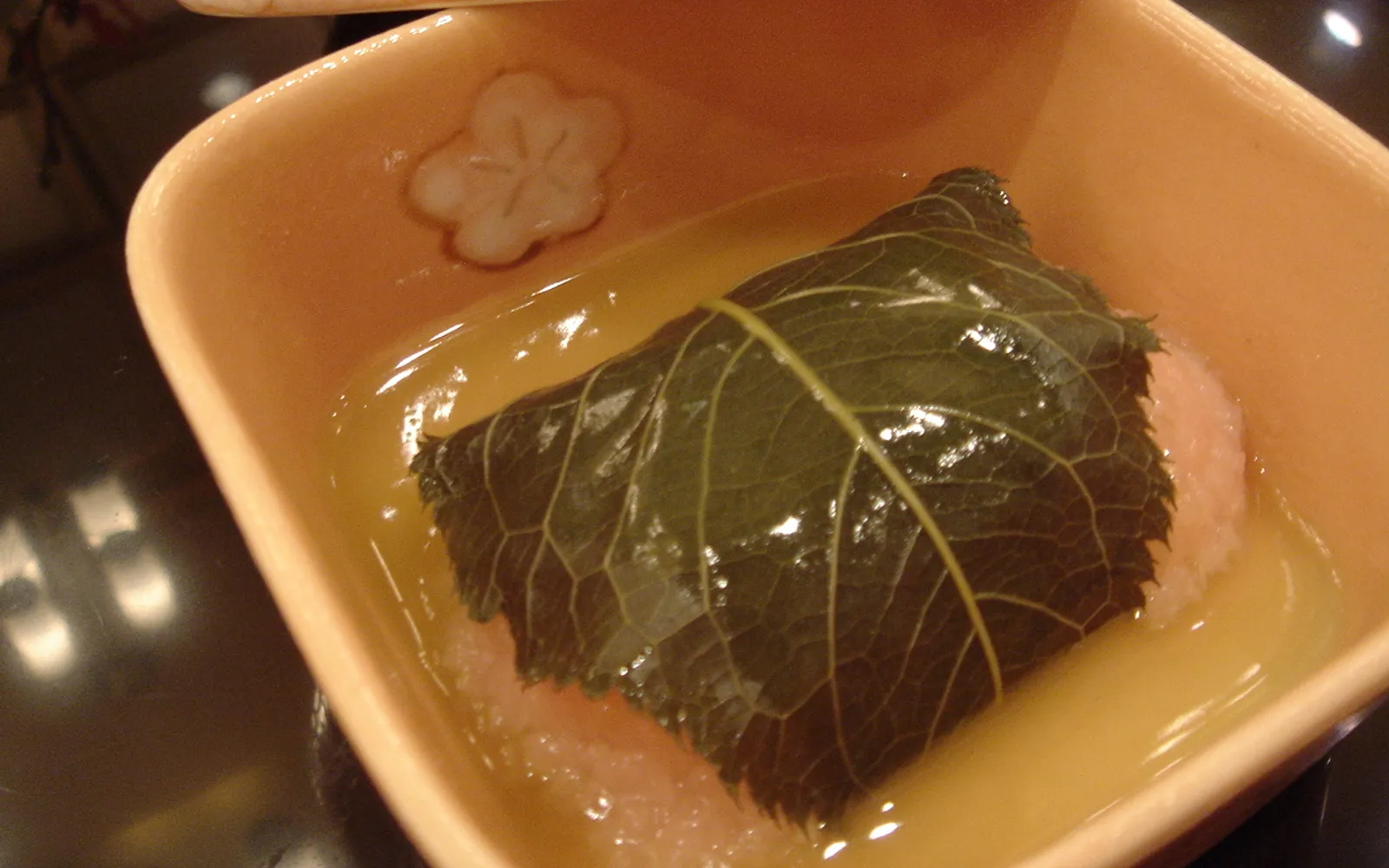
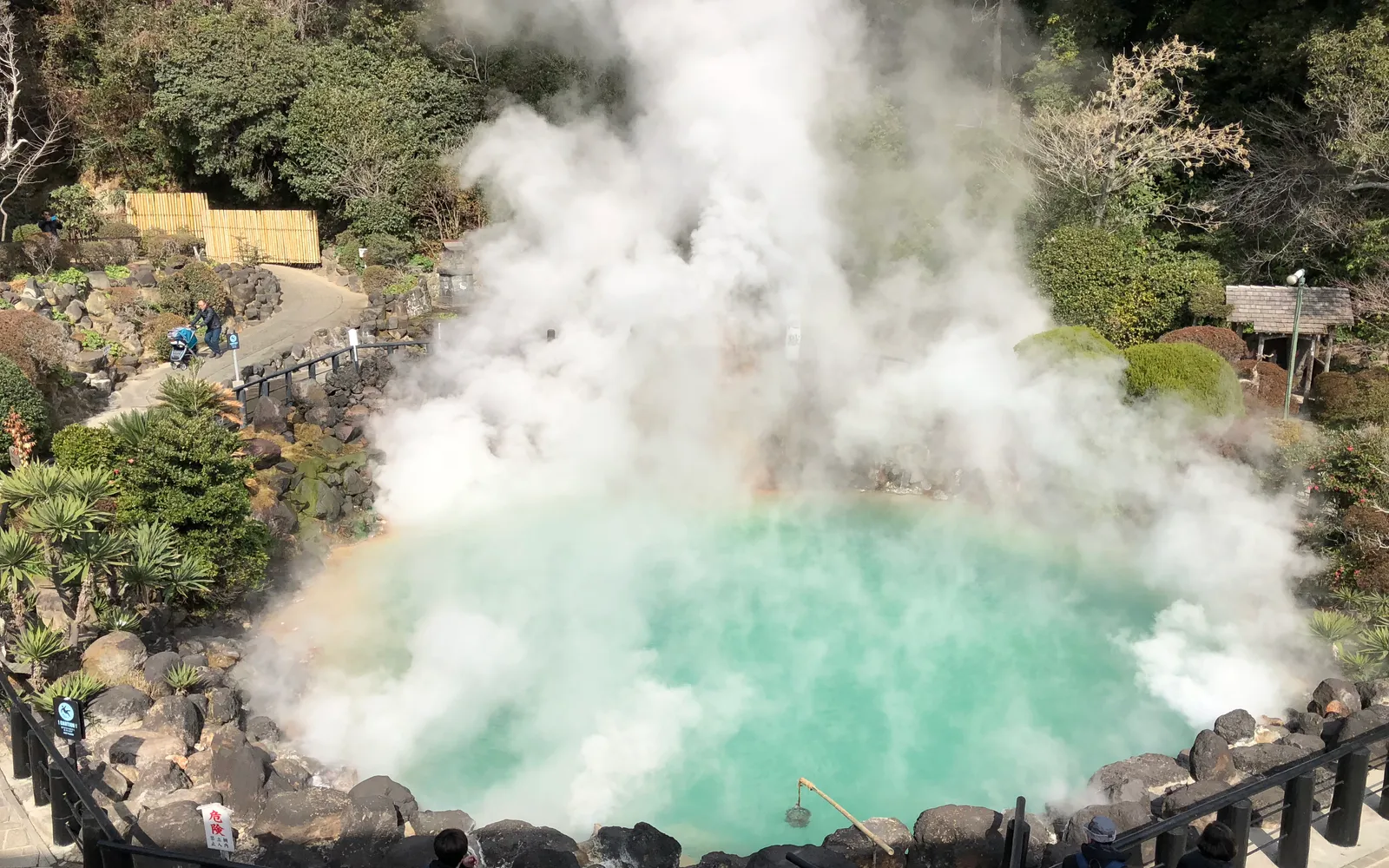
Jigoku-mushi means cooking food in the natural steam that pushes up directly from the ground at temperatures reaching 100°C. No oil, no gas — the heat does everything. The most popular items are seasonal vegetables, chicken, eggs, prawns, and pork. Unlike boiling, the moisture from the steam keeps meat juicy and vegetables crisp.
- Try cooking yourself at Jigokumushi Kobo Kannawa, the DIY steaming centre open to visitors
- Order onsen tamago (jigoku-mushi eggs) as a cheap and filling snack
- Vegetables and seafood benefit most from this method
 #2
#2 Toriten (Oita Chicken Tempura)
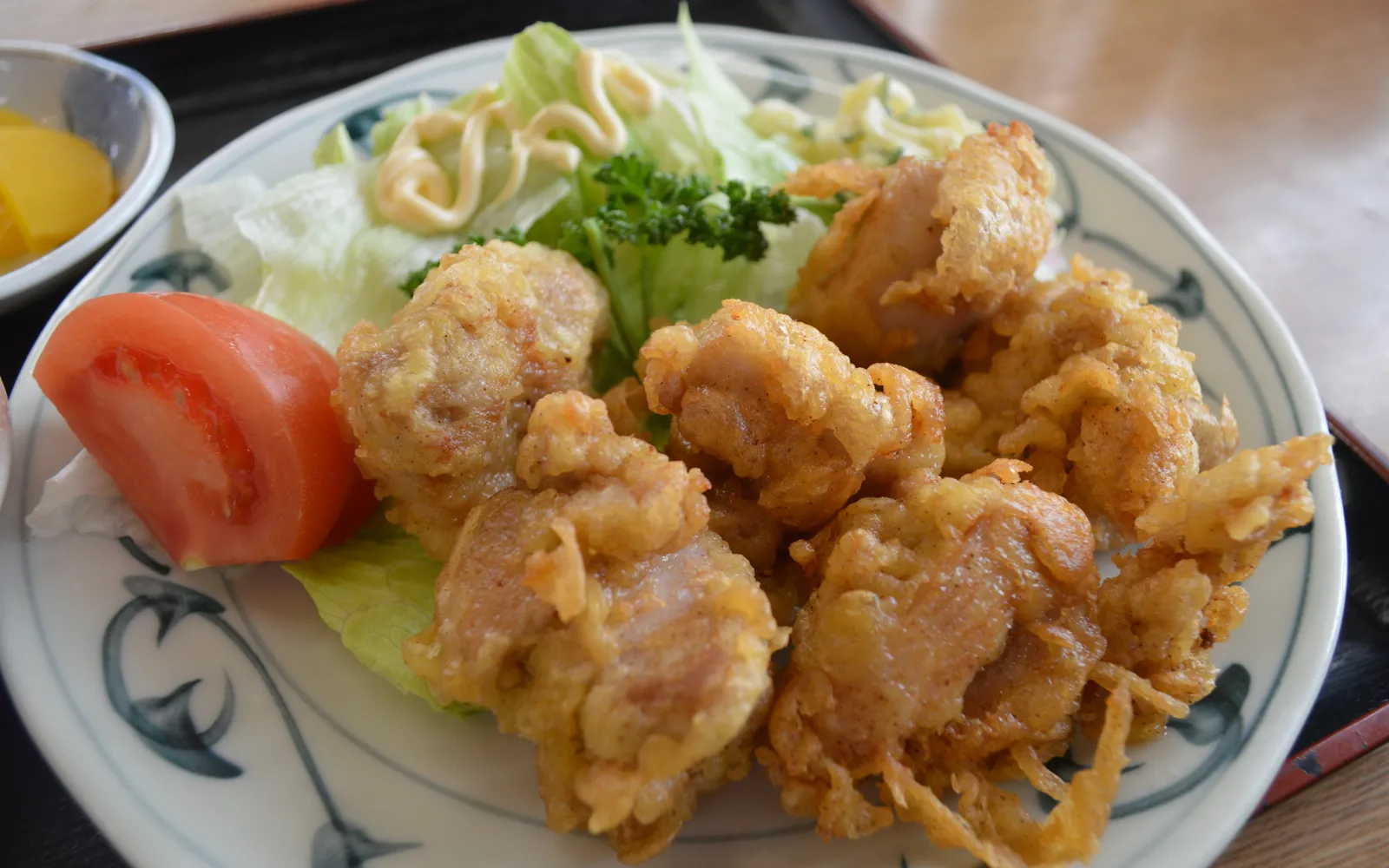
Toriten is marinated chicken coated lightly in wheat flour and fried until crispy outside and tender inside. You'll find it across Oita Prefecture. What sets it apart is the dipping sauce — ponzu made from soy sauce and fresh kabosu citrus, a variety grown in Oita, which gives a bright, acidic cut against the richness of the fried chicken.
- Dip in ponzu with a small amount of mustard, the local way
- Available at local restaurants, izakayas, and even convenience stores around Oita
- Oita is the prefecture that consumes the most chicken per capita in Japan — toriten is the heart of that
 #3
#3 Beppu Reimen (Cold Noodles)
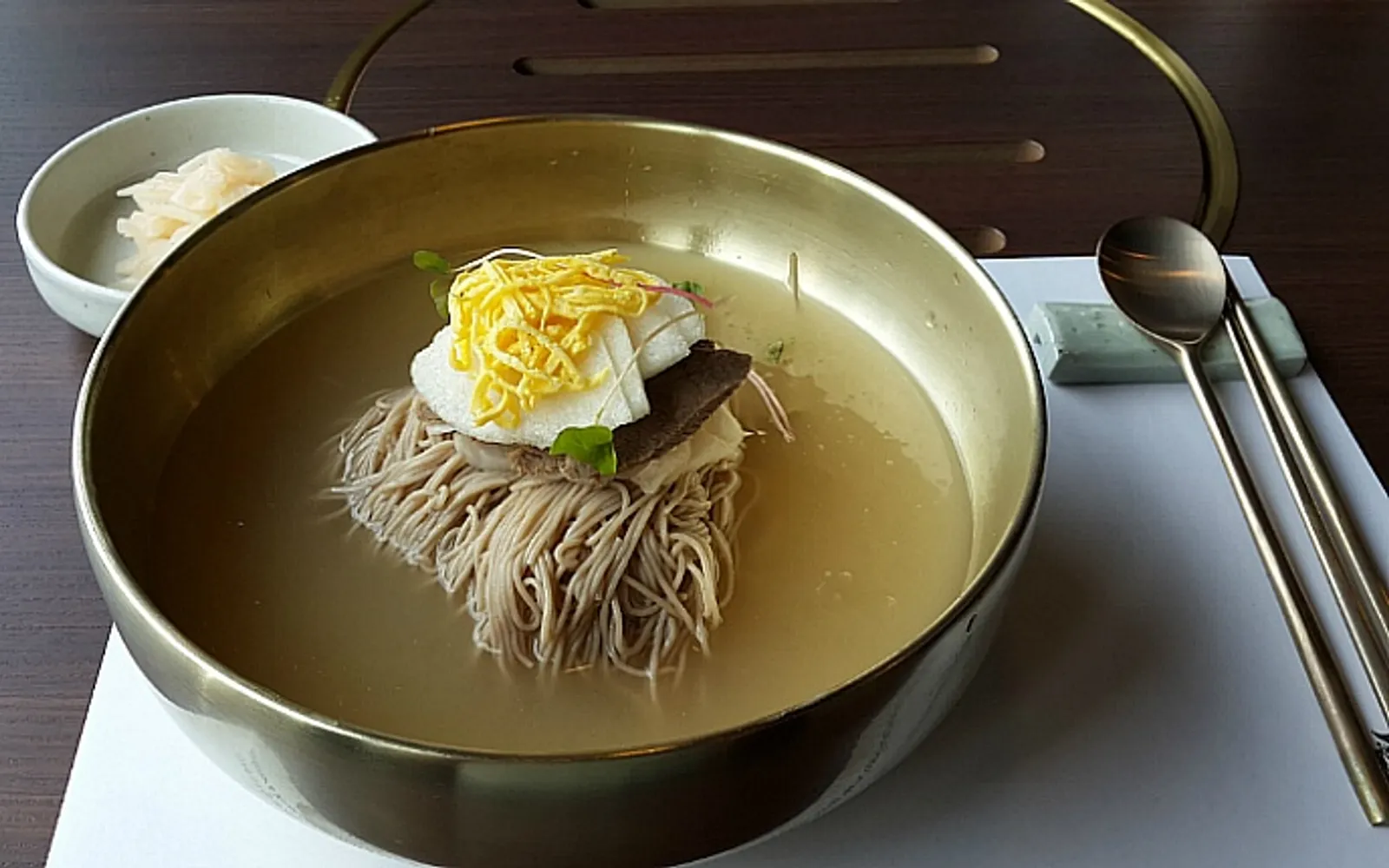
Beppu reimen dates to 1950, when a chef adapted a Korean noodle recipe to suit Japanese tastes. The noodles are made from buckwheat flour — thicker and chewier than soba — served in clear, ice-cold broth topped with kimchi, chashu pork, and a boiled egg. It became the go-to dish for Beppu locals to eat after bathing in an onsen, the cold broth cooling them down after the heat.
- There are over 60 reimen shops in Beppu, each with its own broth recipe
- You can specify the spice level of the kimchi
- Best enjoyed right after getting out of an onsen to cool off
 #4
#4 Dango-jiru (Flat Dumpling Soup)
Dango-jiru is a homestyle dish tied to Oita for hundreds of years. Thick, flat wheat noodles are simmered with vegetables, shiitake mushrooms, dried iriko fish, and miso broth. Originally an economical meal made when rice was scarce, it has become the kind of warming comfort food that Oita residents still reach for on cold days. Many local restaurants offer it as a set lunch.
- The dango noodles here are savory — not the same as sweet dango sweets; think udon but flatter
- Pair with white rice or toriten as a set lunch
- Some restaurants add chicken or pork for extra protein
 #5
#5 Seki-aji & Seki-saba (Premium Horse Mackerel & Mackerel)
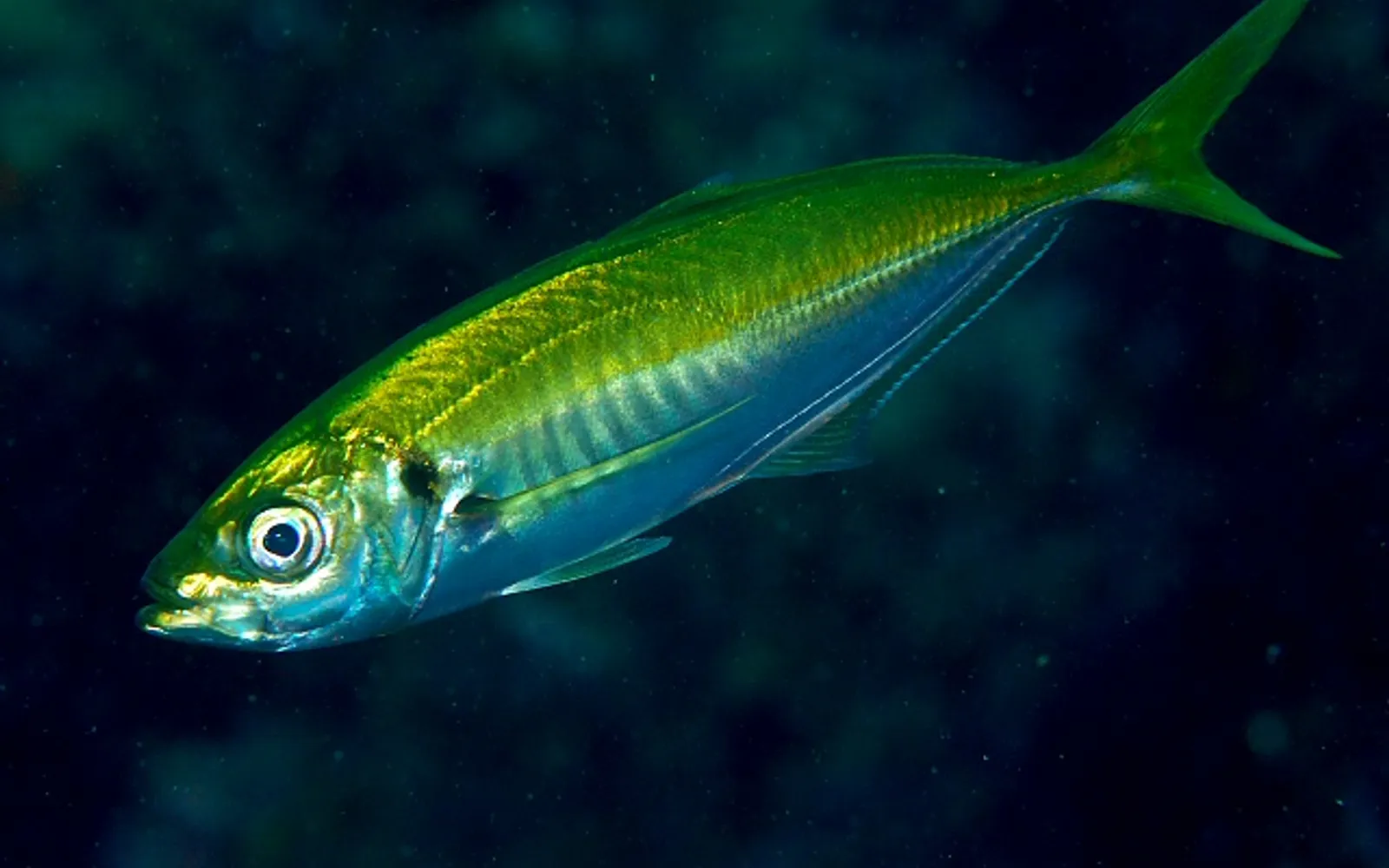
Seki-aji (horse mackerel) and seki-saba (mackerel) from the Saganoseki fishing port are considered the most expensive and most prized fish in Japan. They're caught on single lines in the fast currents of the Hoyo Strait, which gives them firmer, fattier flesh than fish caught by net. In 1996 they became the first fishery products in Japan to receive a Geographical Indication (GI) certification. Eat them as sashimi or sushi — that's where the quality shows.
- Kamesho conveyor-belt sushi near Kamikawa Station gets fresh seki-aji daily
- Prices run 3–5 times higher than ordinary fish, but the quality justifies it
- The morning fish market in Oita lets you buy directly from the fishermen
 #6
#6 Onsen Tamago & Jigoku-steamed Pudding
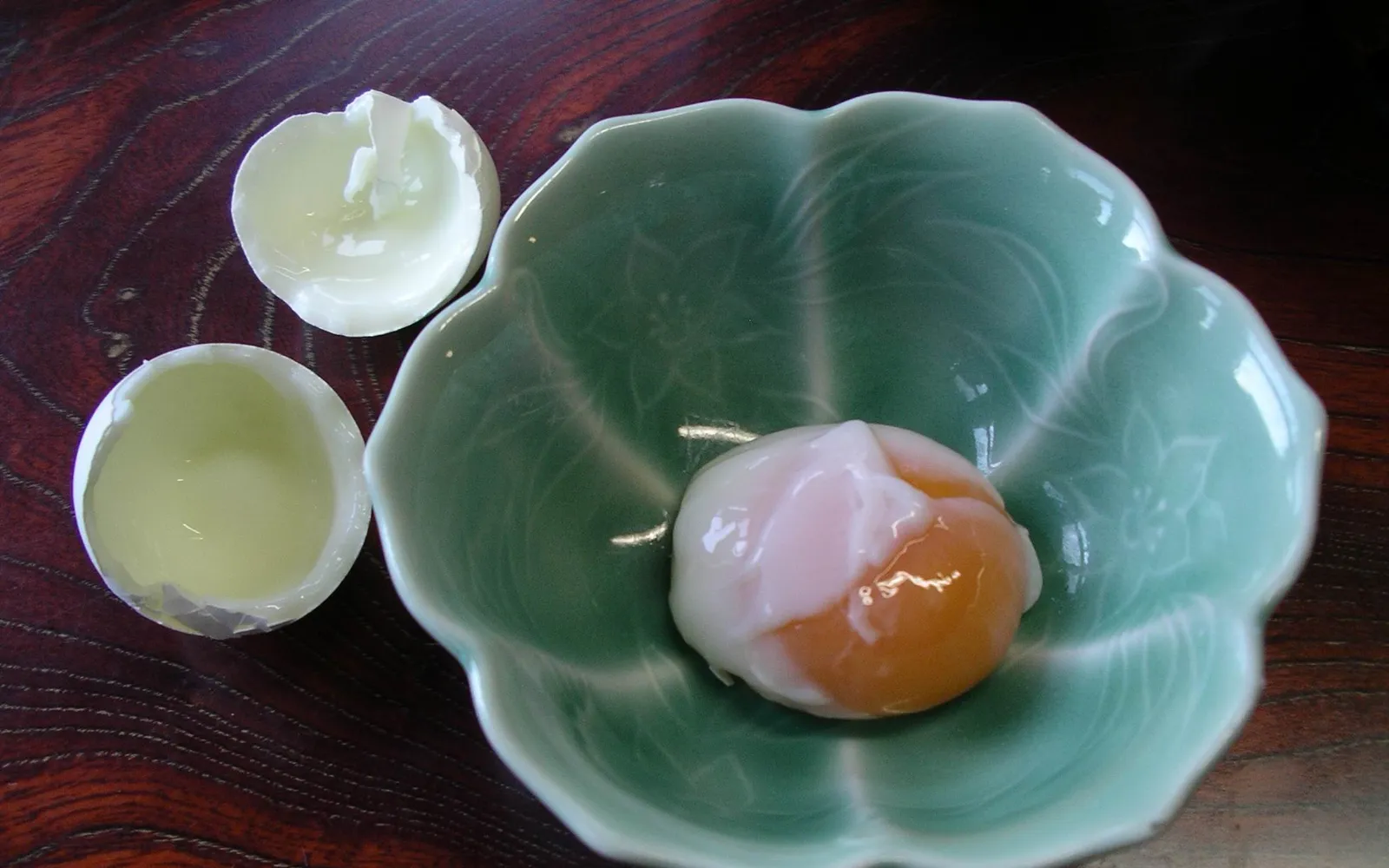
Onsen tamago are eggs cooked slowly in natural hot spring water at a steady temperature around 70°C. That precise heat produces whites softer than a regular poached egg but a yolk that stays creamy — a texture impossible to replicate on a stovetop. You can buy them cheaply at the hell ponds as a snack. On the sweeter side, jigoku mushi pudding — steamed in geothermal steam, dense, and scented with vanilla — is one of Beppu's most recognisable souvenirs.
- Buy onsen tamago at Umi Jigoku, where they're cooked in the actual hell pond water
- Jigoku Mushi Pudding is sold at souvenir shops in the Kannawa area
- Book a steaming session at Jigokumushi Kobo to make your own onsen tamago by hand
Where to stay in Beppu for this trip
A well-located hotel means less commuting and more sightseeing. Here are real, top-rated stays in Beppu — compare Agoda · Booking · Trip.com in one click.
Yufuin Sansou Murata (Sanso Murata)
Affiliate links — we may earn a commission at no extra cost to you. Details
ANA InterContinental Beppu Resort & Spa
Affiliate links — we may earn a commission at no extra cost to you. Details
Hoshino Resorts KAI Beppu
Affiliate links — we may earn a commission at no extra cost to you. Details
Kannawaen (Traditional Ryokan)
Affiliate links — we may earn a commission at no extra cost to you. Details
Tours, tickets & activities in Beppu
Day tours, attraction tickets and travel essentials for Beppu — book ahead on Klook with mobile e-tickets.
Affiliate links — we may earn a commission at no extra cost to you.
Before You Pack
Beppu's food reflects the geothermal city it is, from ingredients cooked in natural steam to fish pulled from the fast tidal straits nearby. Try everything at least once before you leave.