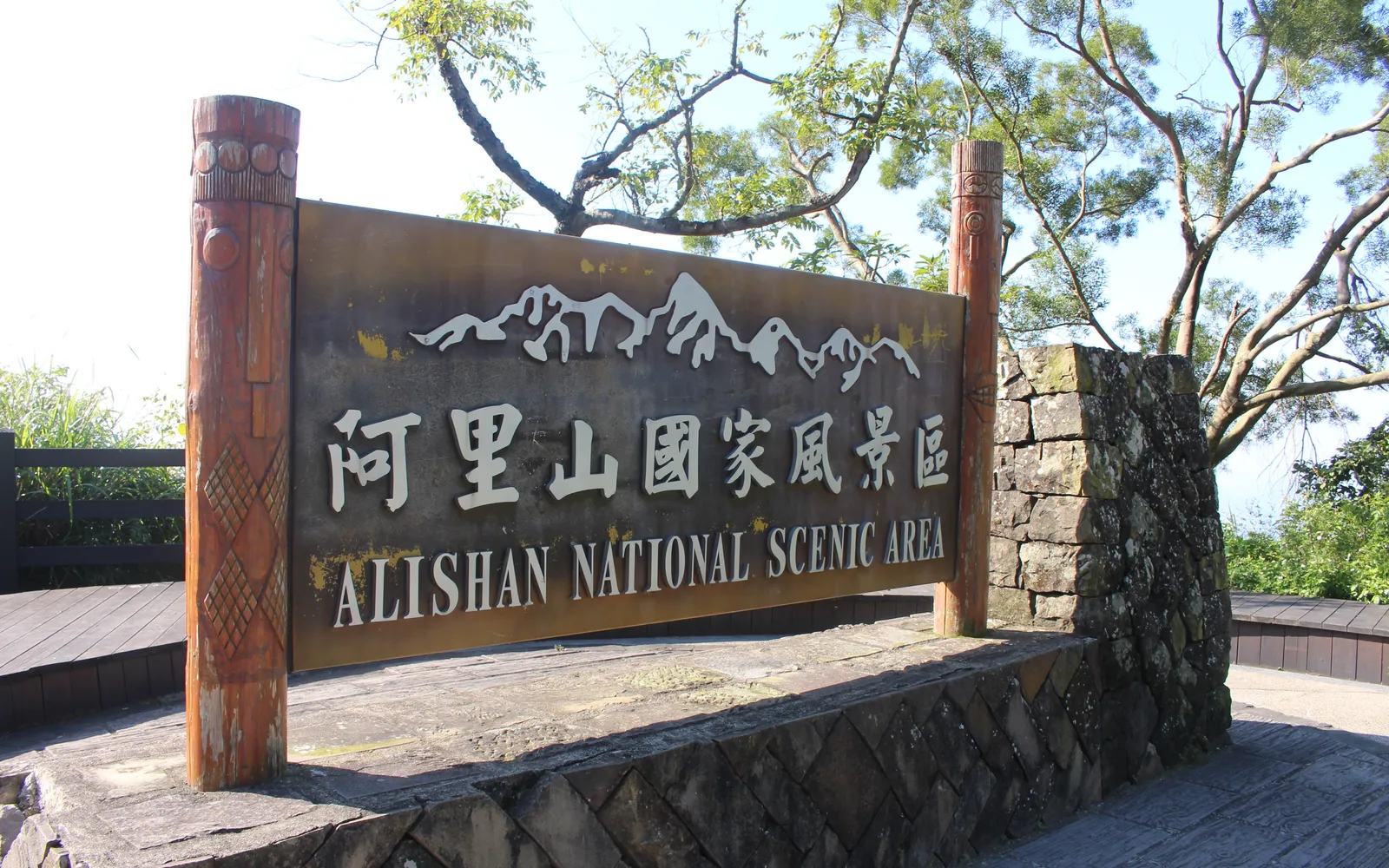
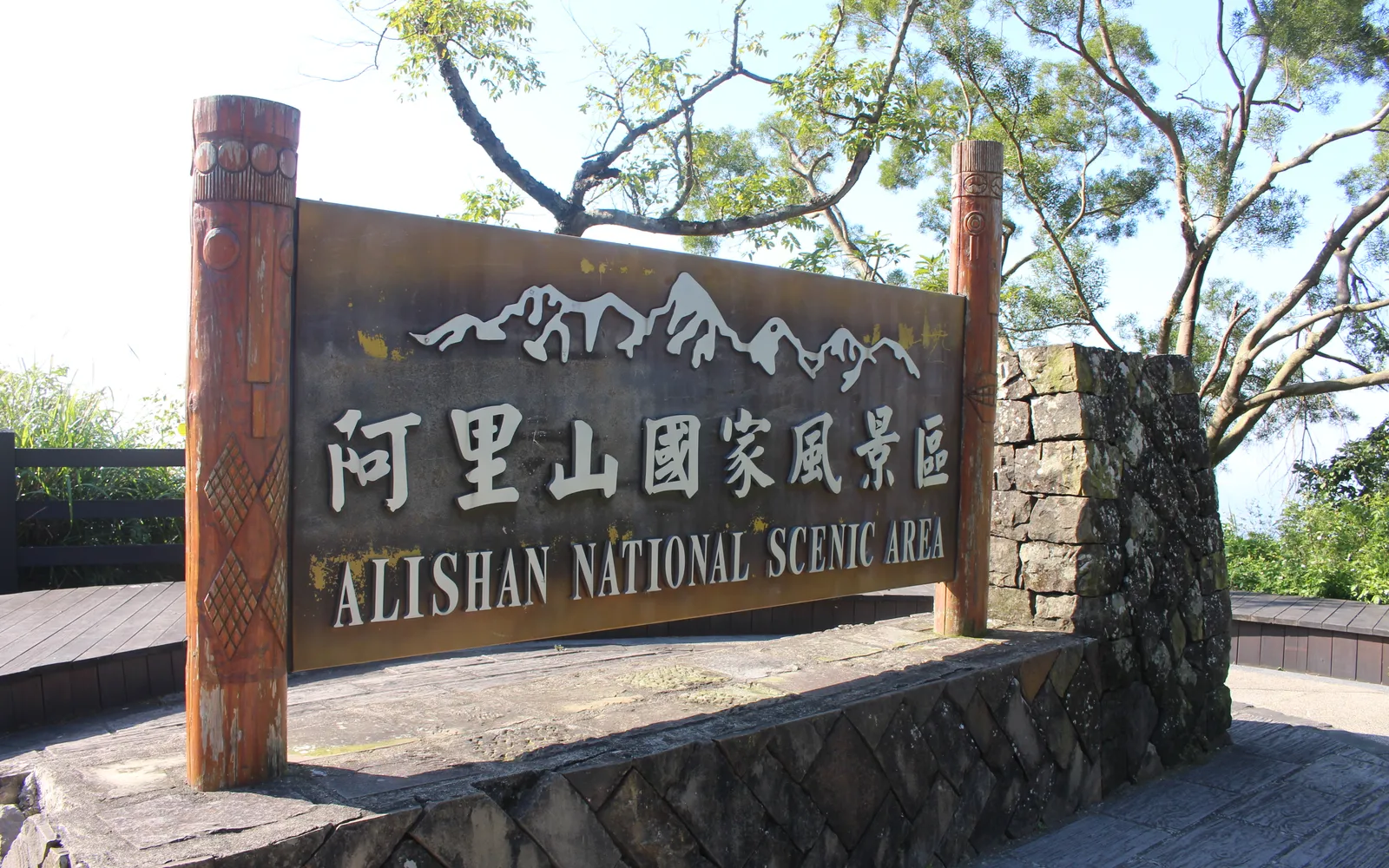
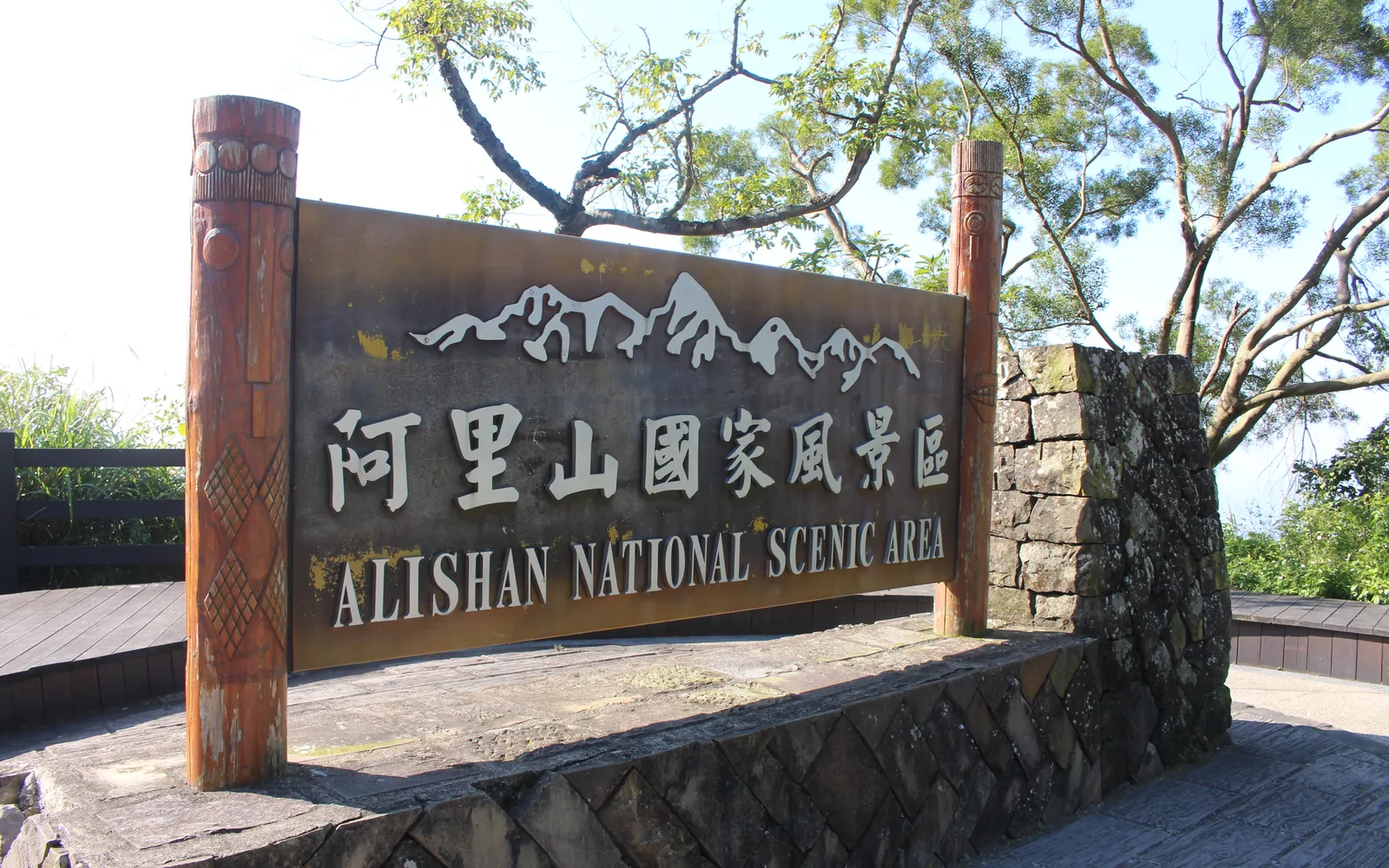
Alishan, in Chiayi County in central Taiwan, is a natural area celebrated for its Five Wonders: sunrise, sea of clouds, sunset, ancient cedar forests, and a forest railway that has been running for over 100 years. At elevations above 2,000 metres, the air stays cool year-round — a complete contrast to the heat of the lowland cities. The area is also home to the Tsou indigenous people, whose culture and food are entirely their own and well worth experiencing.
 #1
#1 Zhushan Sunrise Observation Deck
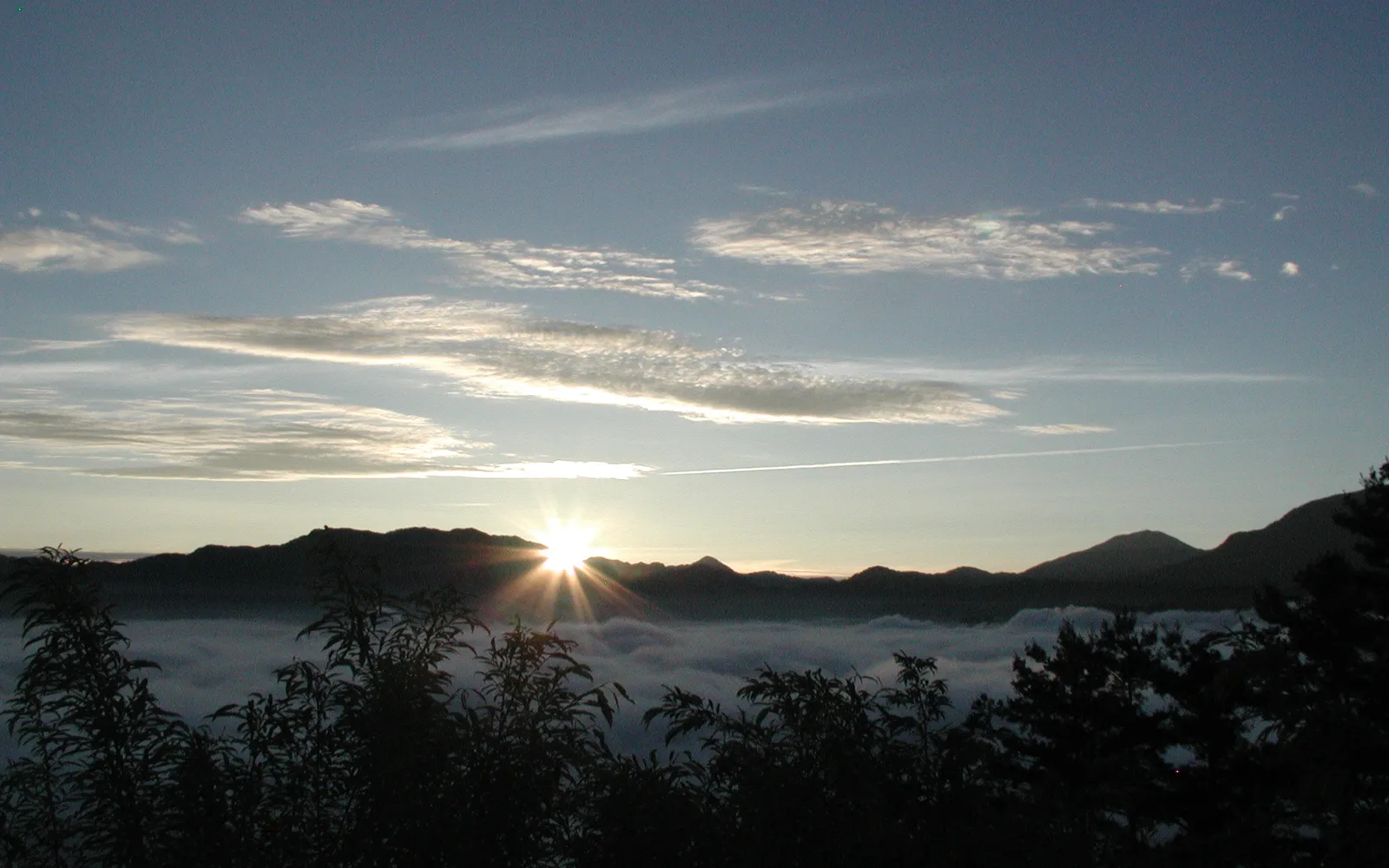
The most famous sunrise spot in Alishan. Travelers board the Zhushan Line train before dawn to reach the observation platform at 2,451 metres — and the moment the sun clears the ridge and turns the sea of clouds gold and copper is the kind of memory that stays with you. The sea of clouds is thickest between December and February, making winter the most dramatic season for this spectacle.
- Wake up before 04:00 to catch the Zhushan train, which departs around 04:30–05:00 depending on the season.
- Dress very warmly — morning temperatures can drop below 10°C even in summer.
- Buy train tickets in advance via the AFRCH website or at the station counter; seats are limited.
 #2
#2 Alishan Forest Railway
A 762 mm narrow-gauge railway built by the Japanese during the colonial era more than 100 years ago to haul cedar logs — now one of Alishan's defining symbols and a world-class cultural heritage site. The 86 km route climbs from 30 metres above sea level at Chiayi to 2,216 metres at Alishan, threading through more than 50 tunnels, 77 wooden bridges, and breathtaking switchbacks. There is nowhere else on earth quite like it.
- Book tickets for the main Chiayi–Alishan line several weeks ahead, especially around public holidays.
- Sit on the right side going up for valley views; switch to the left side on the way down.
- Tickets for the in-park lines (Zhushan Line, Chaoping Line) are sold directly at Alishan Station.
 #3
#3 Chaoping Giant Tree Trail
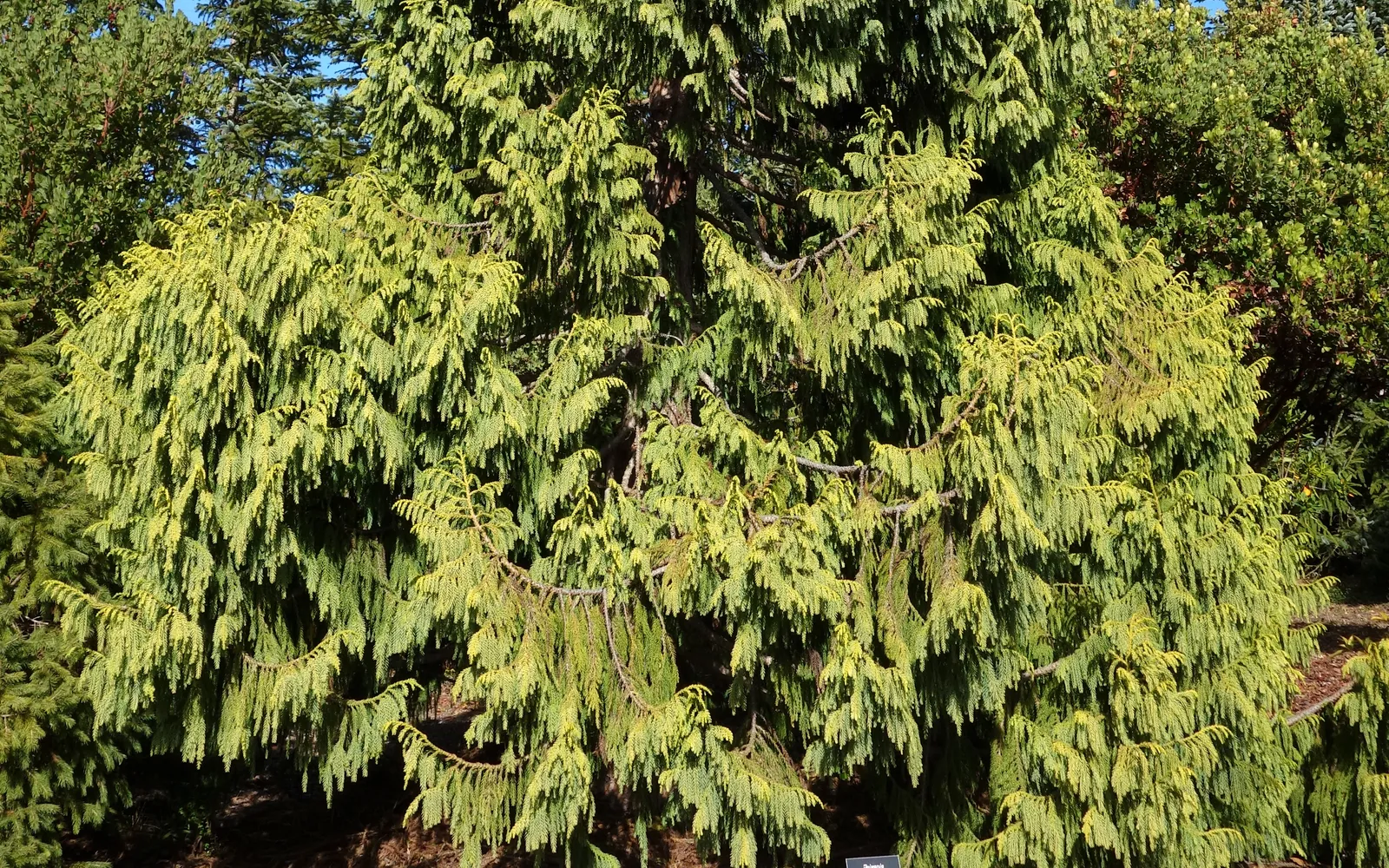
A boardwalk trail that winds through Japanese Hinoki cypress and Taiwania trees ranging from 1,000 to 2,300 years old — the atmosphere is like stepping into a fairy-tale forest. Wisps of mist drift past the deep-green giants throughout the day. Highlights include the Alishan Sacred Tree site, where the original sacred cedar once stood, and the new generation cedar chosen by public vote to carry on its legacy.
- Alight at Chaoping Station and walk back to Alishan Station along the trail — the loop takes roughly 1–2 hours.
- Just after sunrise, once you return from Zhushan, is when the mist on this trail looks its most beautiful.
- Wear shoes with grip — the wooden boards get slippery when wet.
 #4
#4 Shizhuo Tea Plantation
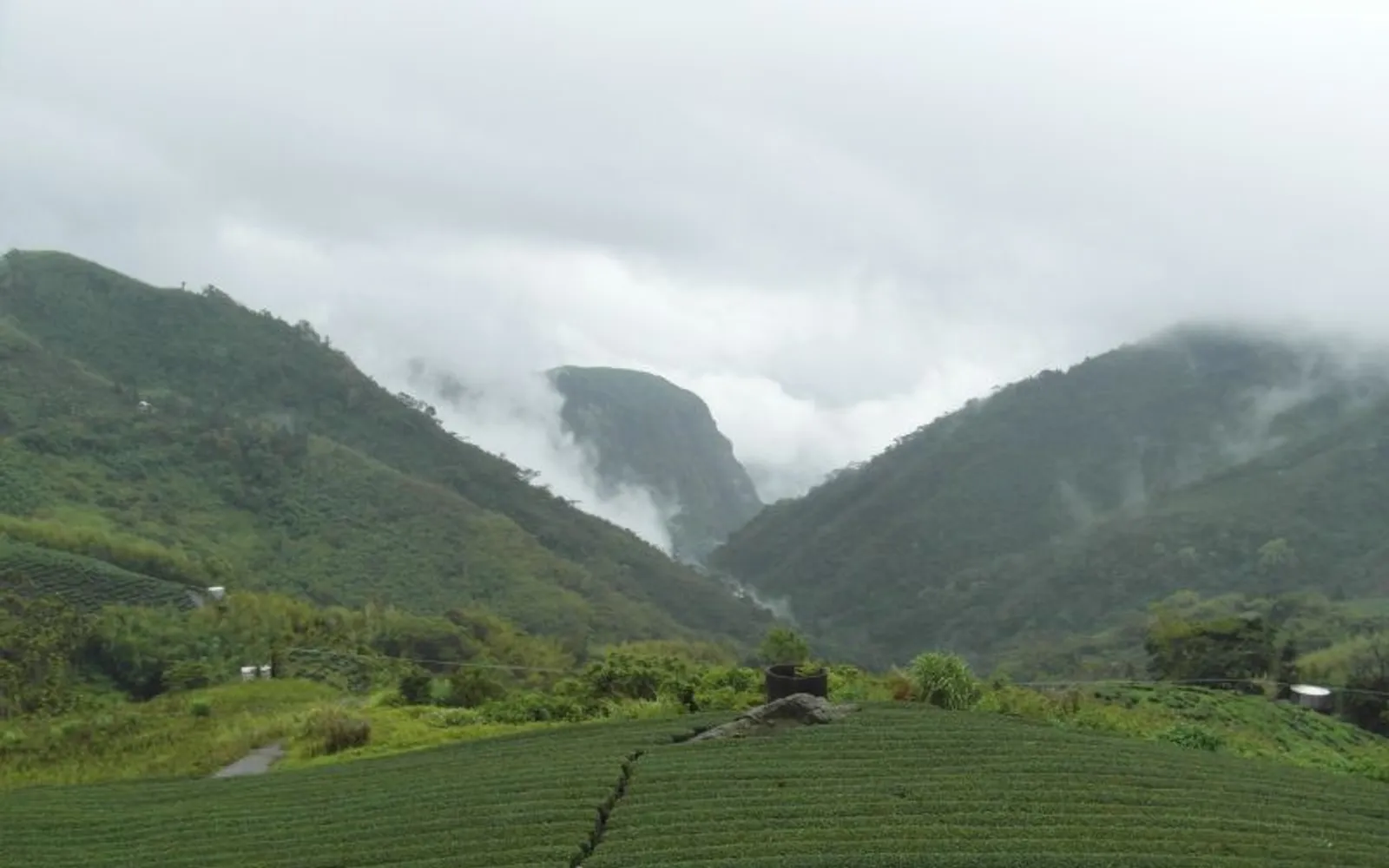
The village of Shizhuo, sitting at 1,200–1,500 metres, is home to Taiwan's most renowned Alishan oolong. The high-mountain tea grown here is widely regarded as the Champagne of Taiwanese oolong — cool temperatures year-round, near-constant mist, and fertile soil produce leaves that are thick, gently fragrant, and carry a natural sweetness in the finish. Visitors can tour the plantations and learn the full production process.
- Pick up genuine Alishan high-mountain oolong from village shops — prices run roughly 500–2,000 NTD per 150 g.
- April–May and October–November are harvest seasons; you can ask to watch or join in the picking.
- The Sunset Glow Trail viewpoint in the tea fields at dusk rivals Zhushan for sheer beauty.
 #5
#5 Dabang Tsou Indigenous Village
The Tsou are the original inhabitants of the Alishan mountain range, living in these highlands for centuries before Han settlement. Dabang is one of the Tsou communities that has best preserved its traditions and language. The village hosts the Mayasvi — a sacred war-and-peace ceremony open to outside visitors on certain occasions — along with indigenous restaurants and handmade crafts.
- Check the dates of the Mayasvi before you go; it is held once a year and attendance is limited.
- Tsou restaurants in the village serve rice cooked in bamboo tubes and wild boar sausage — both are excellent.
- Buy handcrafted souvenirs directly from Tsou artisans; the income goes straight to the community.
 #6
#6 Danayigu Ecological Park
Danayigu means 'the place where all worries are forgotten' in the Tsou language. Residents of Shanmei village began restoring the river ecosystem here in 1989; today the water is mirror-clear and alive with freshwater fish of many species, all visible from the 228-metre Danayigu suspension bridge above. It stands as a genuine success story of community-led conservation.
- Walk across the 228-metre suspension bridge for an overhead view of the fish moving through the water below.
- The park is open 08:30–17:00; entry is around 100 NTD.
- The water is clearest during the dry season (November–April), when visibility is much better than in the rainy months.
 #7
#7 Fenqihu Old Street
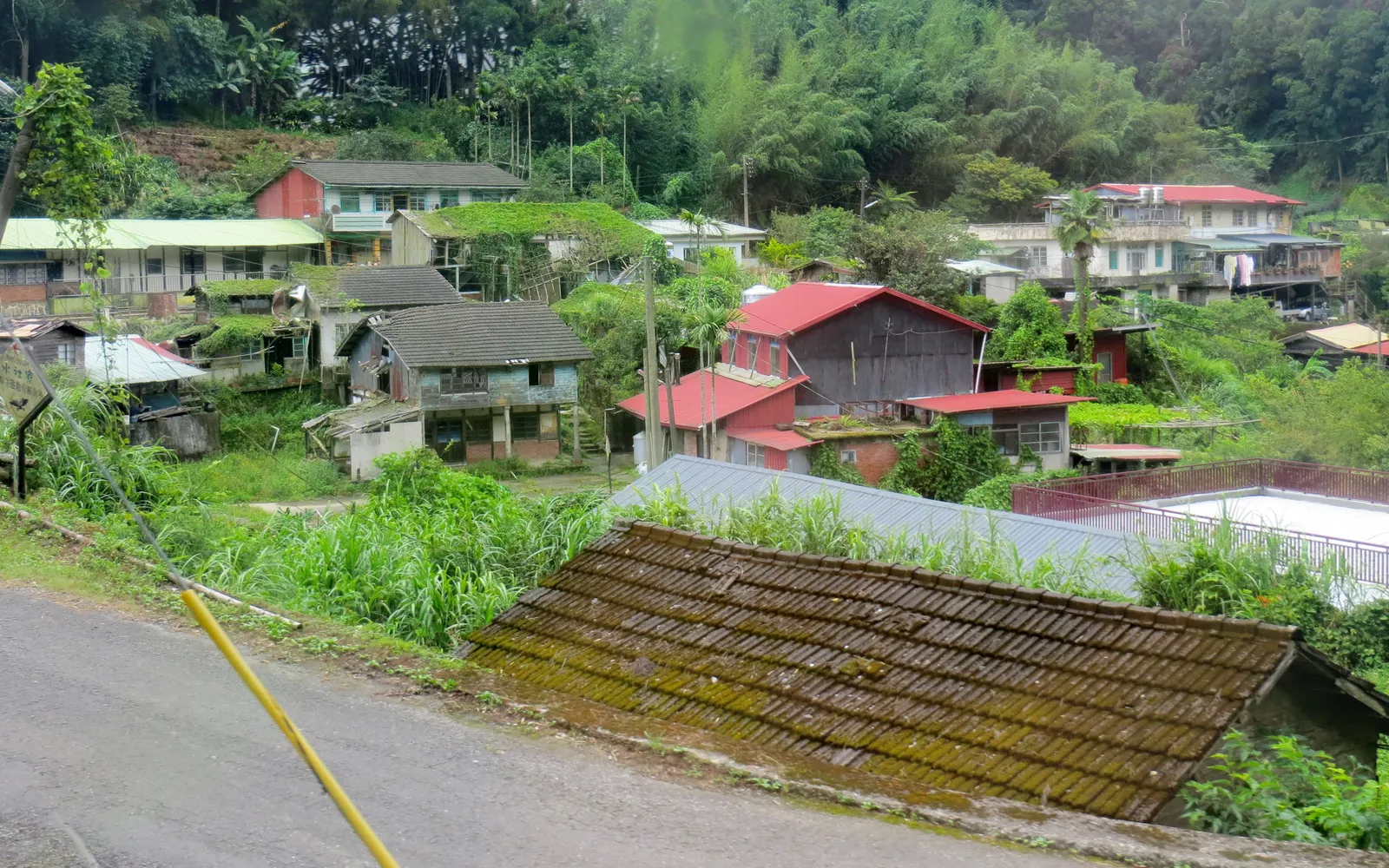
Fenqihu sits on the Alishan Forest Railway line at 1,405 metres and once served as a maintenance stop during the Japanese era. Today the old stone-paved street is lined with small shops, tea houses, and the village's famous railway bento stalls. The atmosphere is lively yet nostalgic, bamboo forest flanks the settlement, and on certain evenings in season fireflies drift through the trees.
- The Fenqihu Bento — a wooden-box lunch sold at the station — is the village's signature dish and worth trying before you leave.
- Walk the bamboo forest trail behind the old street; the loop takes 30–60 minutes and is cool and shaded.
- May–June brings fireflies out at night in the surrounding forest.
 #8
#8 Mianyue Line Forest Walk
The Mianyue loop is the main walking circuit within the Alishan forest reserve — manageable in a single morning or afternoon. The trail passes the Three-Generation Tree, where an original fallen cedar became the nurse log for a second-generation tree, which in turn supported a third. The walk is quiet throughout: birdsong, wind through the canopy above, and cool, clean air at every step.
- The circular route is about 5 km and takes 1.5–2 hours at a comfortable pace — suitable for all ages.
- No guide needed; signage is clear throughout. Pick up a free map at the park entrance.
- Wait until after 08:00 for the mist to thin a little, so the forest comes into clearer view.
Where to stay in Alishan for this trip
A well-located hotel means less commuting and more sightseeing. Here are real, top-rated stays in Alishan — compare Agoda · Booking · Trip.com in one click.
Alishan Shermuh International Tourist Hotel
Affiliate links — we may earn a commission at no extra cost to you. Details
Alishan House
Affiliate links — we may earn a commission at no extra cost to you. Details
Dafeng Hotel
Affiliate links — we may earn a commission at no extra cost to you. Details
Chin Shan Hotel
Affiliate links — we may earn a commission at no extra cost to you. Details
Tours, tickets & activities in Alishan
Day tours, attraction tickets and travel essentials for Alishan — book ahead on Klook with mobile e-tickets.
Affiliate links — we may earn a commission at no extra cost to you.
Before You Pack
Alishan rewards a 2–3 day trip: enough time to take in the sunrise, the ancient forest, and the daily life of the indigenous communities without feeling rushed. Book accommodation well in advance — especially for spring and winter, when the area is busy.