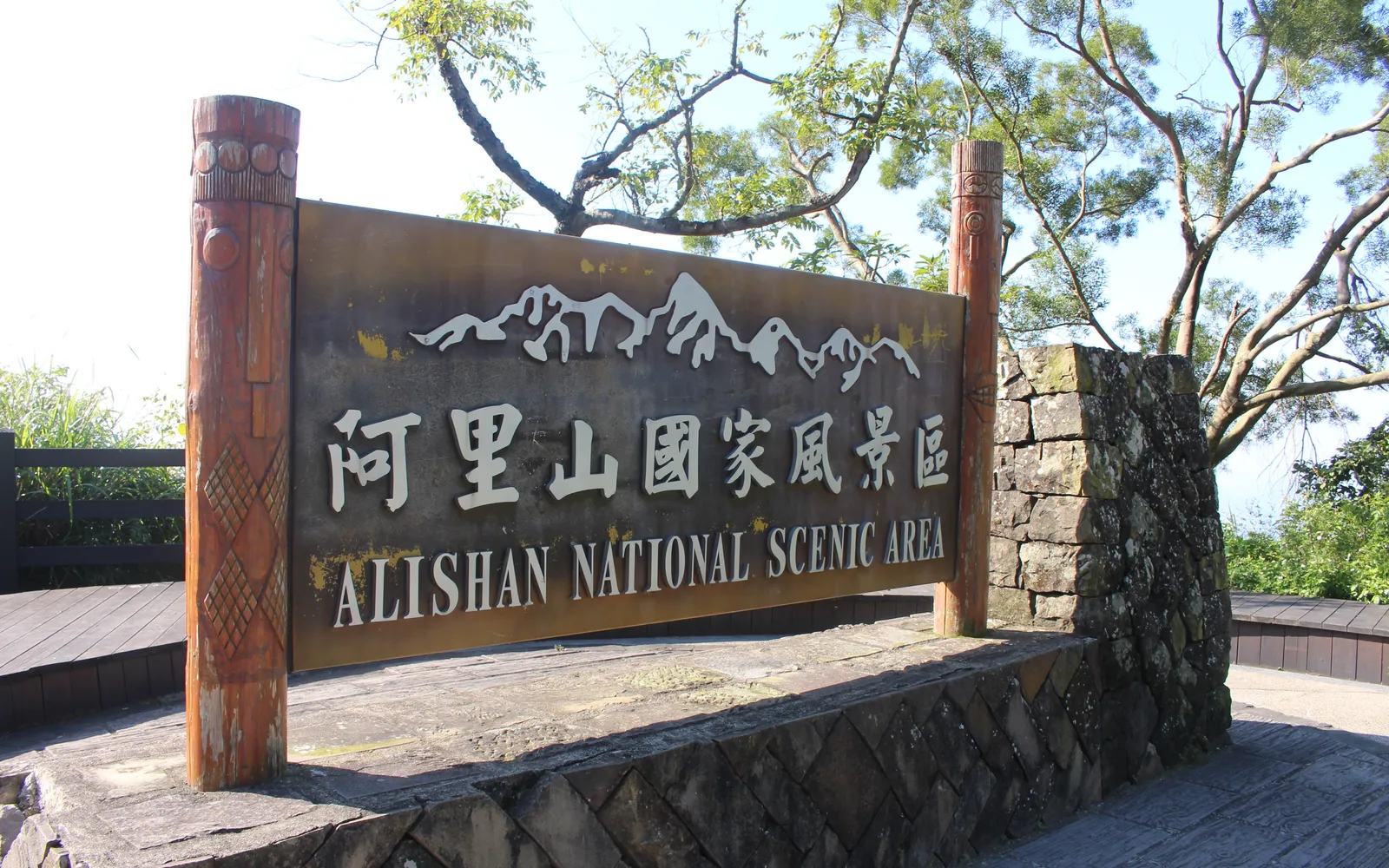
Alishan's food draws from two main traditions: Tsou indigenous cooking, which relies on forest and mountain ingredients like wild boar and glutinous rice packed into bamboo tubes, and tea-farm products transformed into both drinks and dishes such as tea noodles. Sitting at 2,000 metres, the local vegetables and ingredients have a flavor intensity you simply don't get at lower elevations. Eating a meal surrounded by mist and ancient cypress trees is an experience that belongs entirely to this mountain.
 #1
#1 Alishan High Mountain Oolong Tea
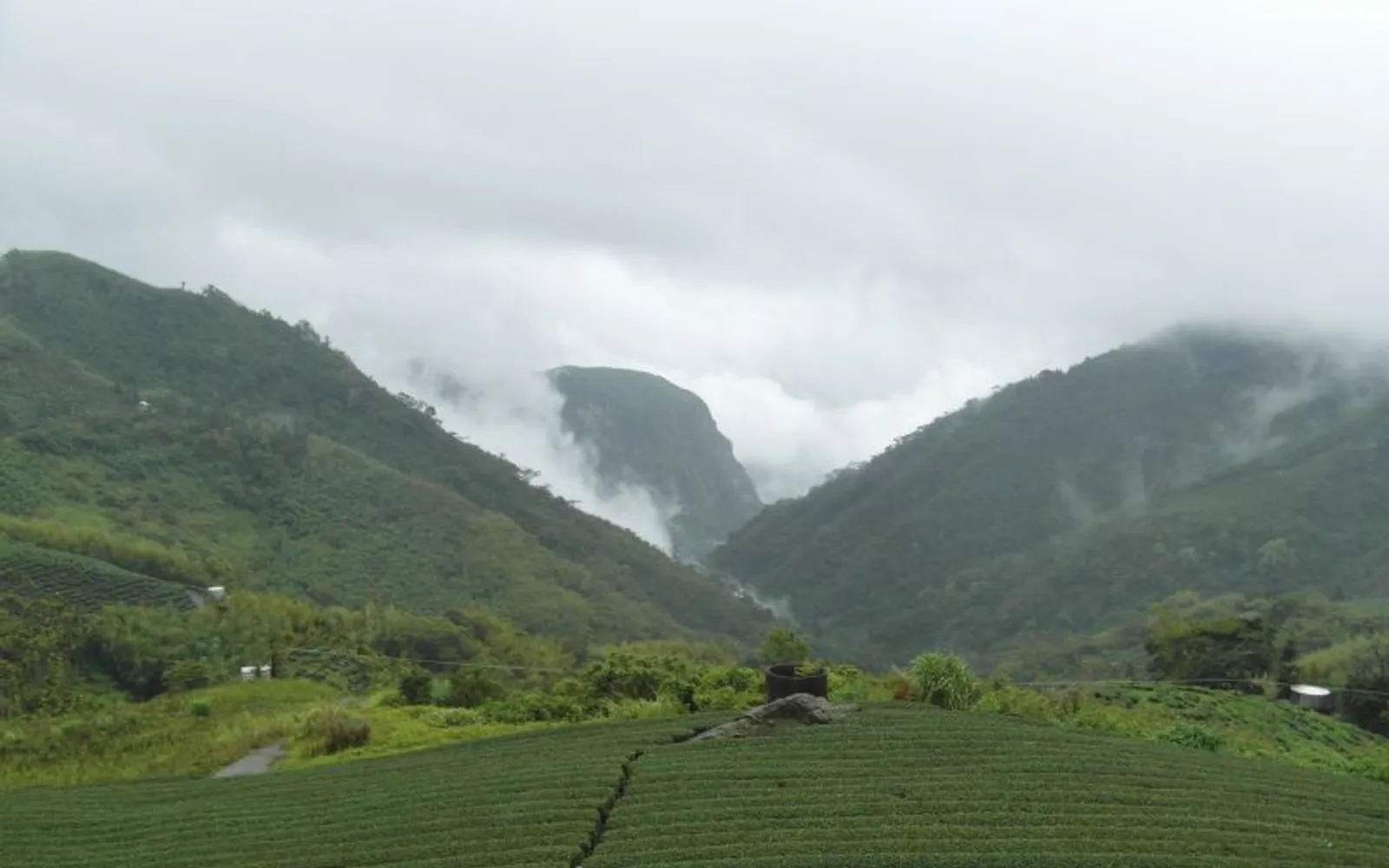
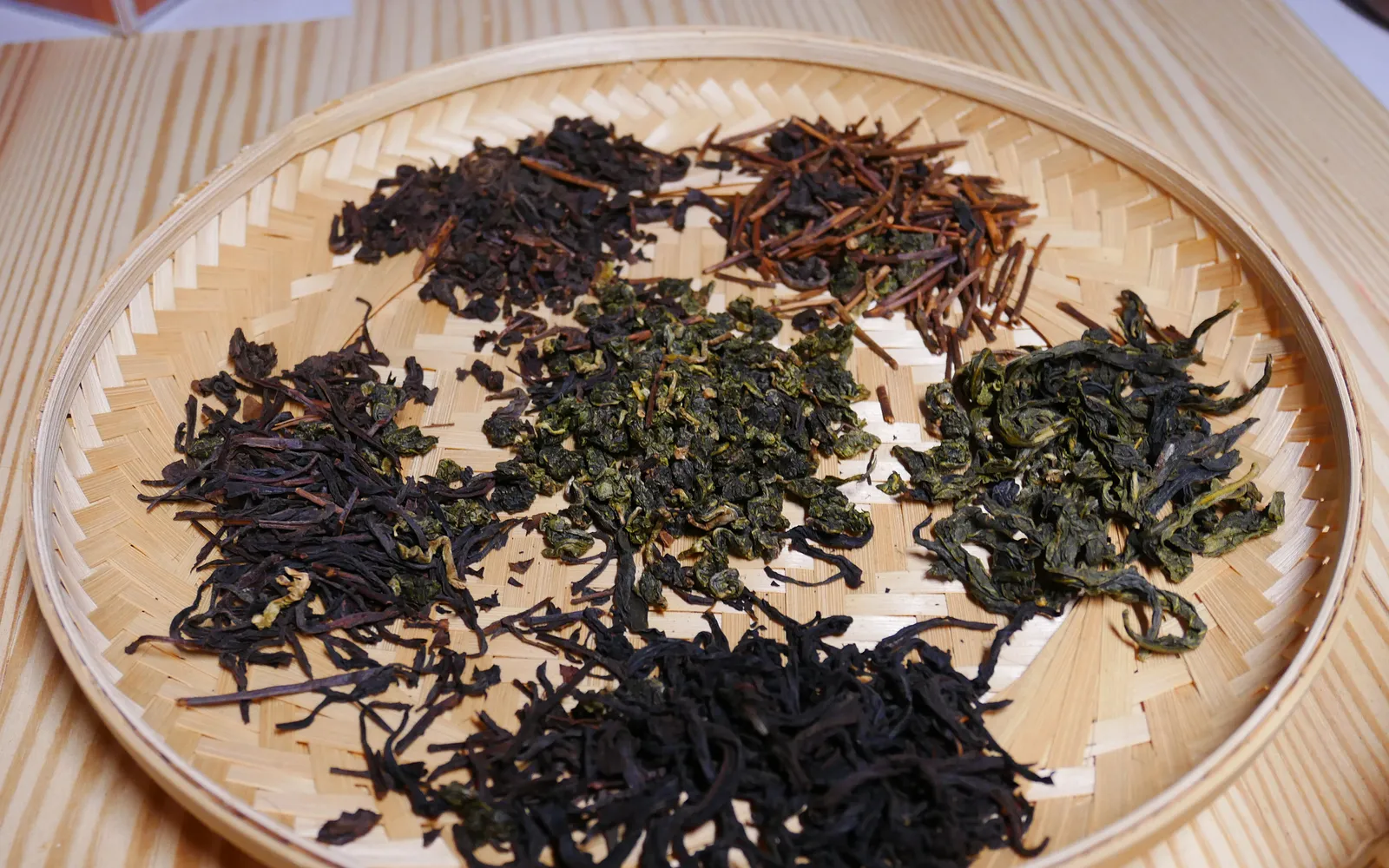
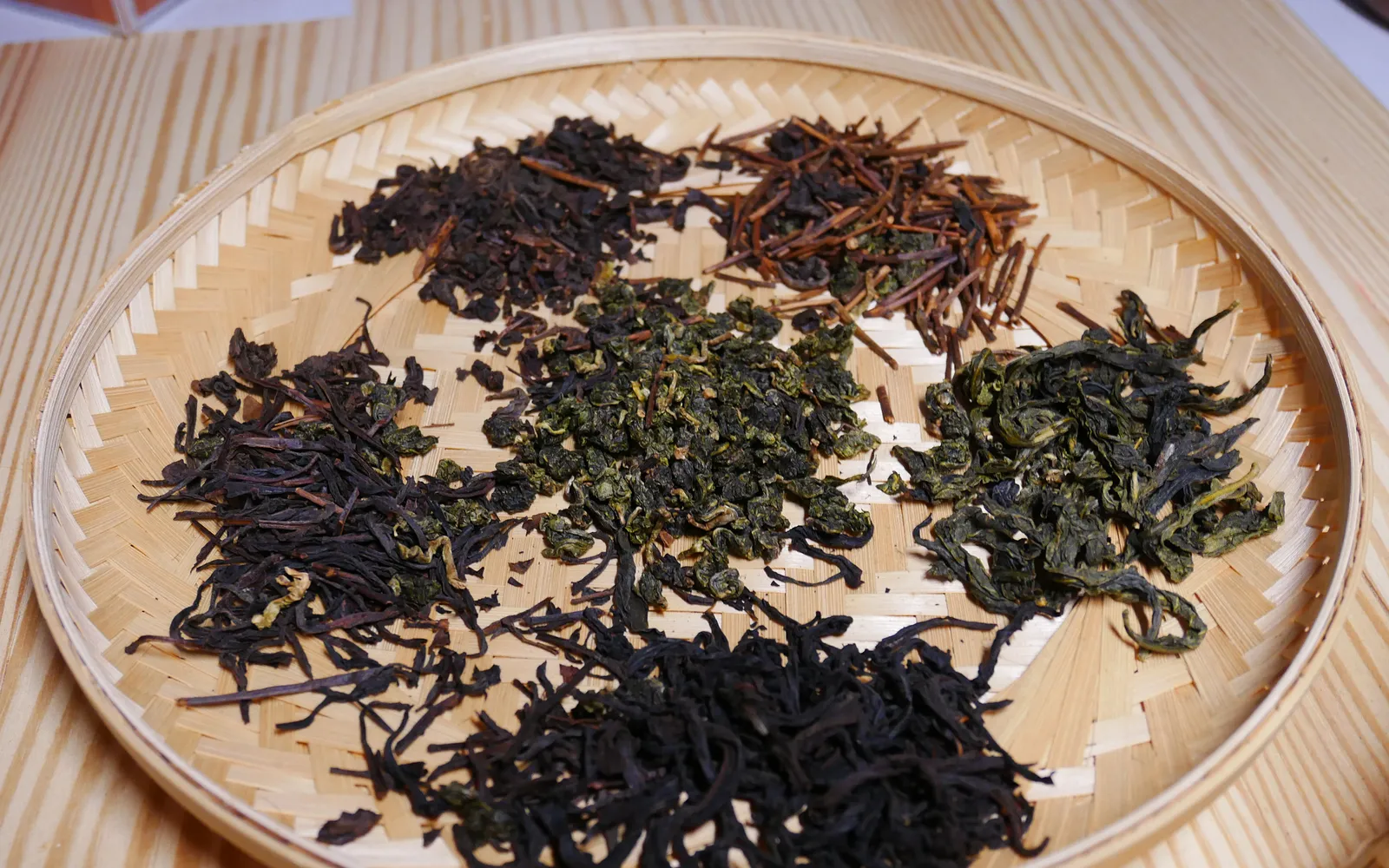
Alishan oolong is a High-Mountain Oolong grown at 1,000–1,600 metres. The year-round cool air, persistent mist, and rich soil produce thick, dense leaves with a subtle floral fragrance, a gentle sweetness that lingers, and no bitterness — earning it the nickname the Champagne of Taiwanese tea. You can buy it to take home at tea shops in Shizhuo Village or at Alishan Station.
- Always taste before you buy — a good shop will happily brew a sample.
- Quality tea runs about 500–2,000 NTD per 150 g; be wary of suspiciously cheap tourist-grade offerings.
- Store in an airtight container away from sunlight and strong odors — the tea keeps well for over a year.
 #2
#2 Bamboo Tube Rice
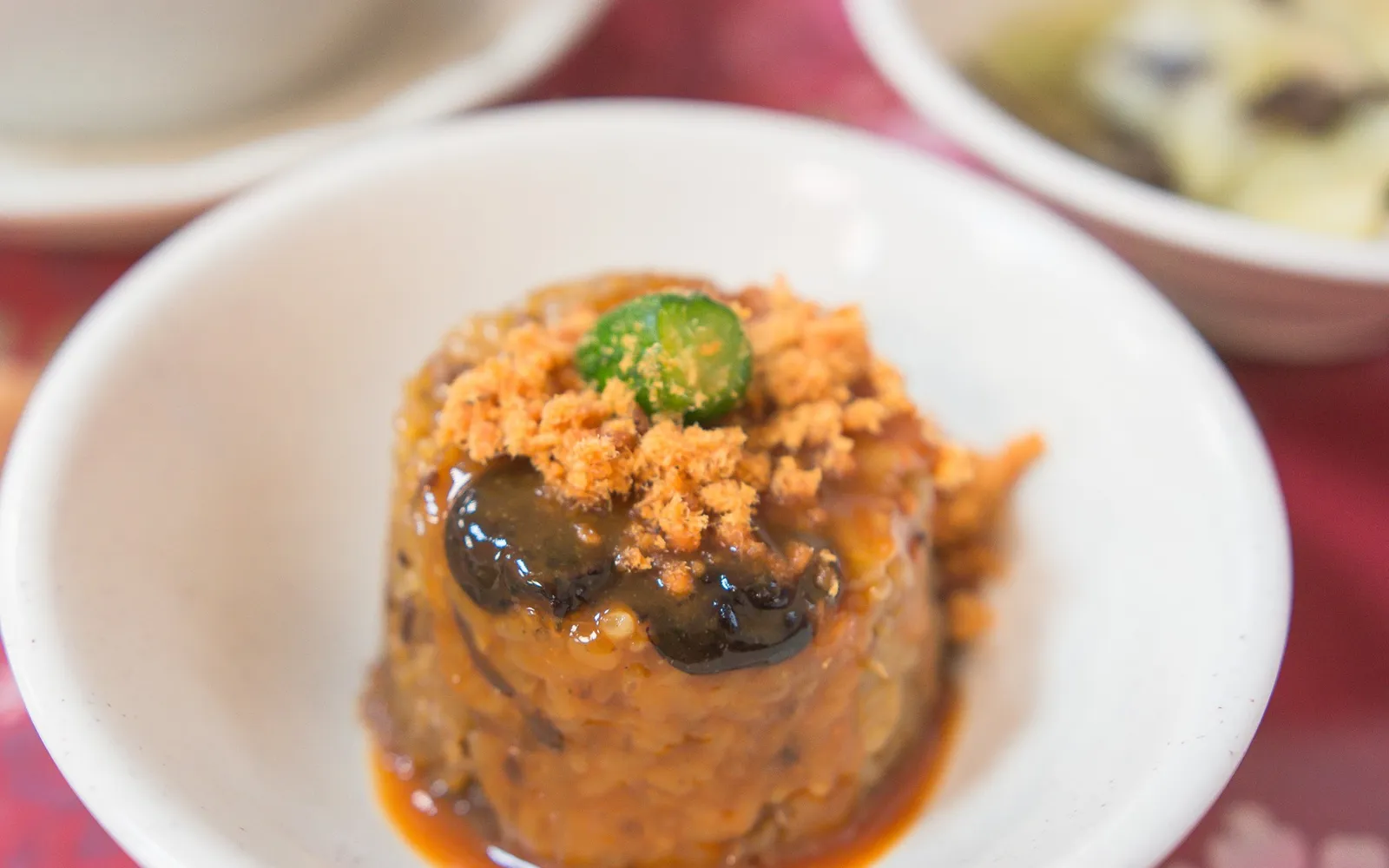
A traditional dish of Taiwan's indigenous peoples — particularly the Tsou of Alishan — bamboo tube rice is made by soaking glutinous rice, pressing it into a fresh bamboo section, sealing it with aromatic leaves, then grilling over charcoal or steaming until the rice is fragrant with bamboo scent. The flavor is simple but wholly distinctive. Some shops add black beans or marinated pork. Eat it straight from the tube while it's still hot — that's when it's at its best.
- Tsou restaurants in Dabang and Shanmei follow the most traditional methods.
- Eat it immediately when served; once it cools, both the taste and texture change noticeably.
- Some shops run workshops on making bamboo tube rice yourself, priced around 200–300 NTD.
 #3
#3 Wild Boar Sausage
Wild boar carries deep cultural significance for the Tsou people — it represents both sustenance and strength. Wild boar sausage is made from coarsely ground meat mixed with mountain herbs and local spices, then smoked or grilled until the skin is crisp. The flavor is notably stronger and richer than domestic pork, with a smoky fragrance and a balanced salty-sweet finish. It's usually served alongside rice and fresh vegetables.
- Ask whether the shop uses genuine wild boar or domestic pork — some places use the same label for both.
- If buying fresh to take home, refrigerate immediately and consume within 2–3 days.
- Dry-smoked versions keep longer and travel well as a souvenir.
 #4
#4 Fenqihu Railway Bento Box
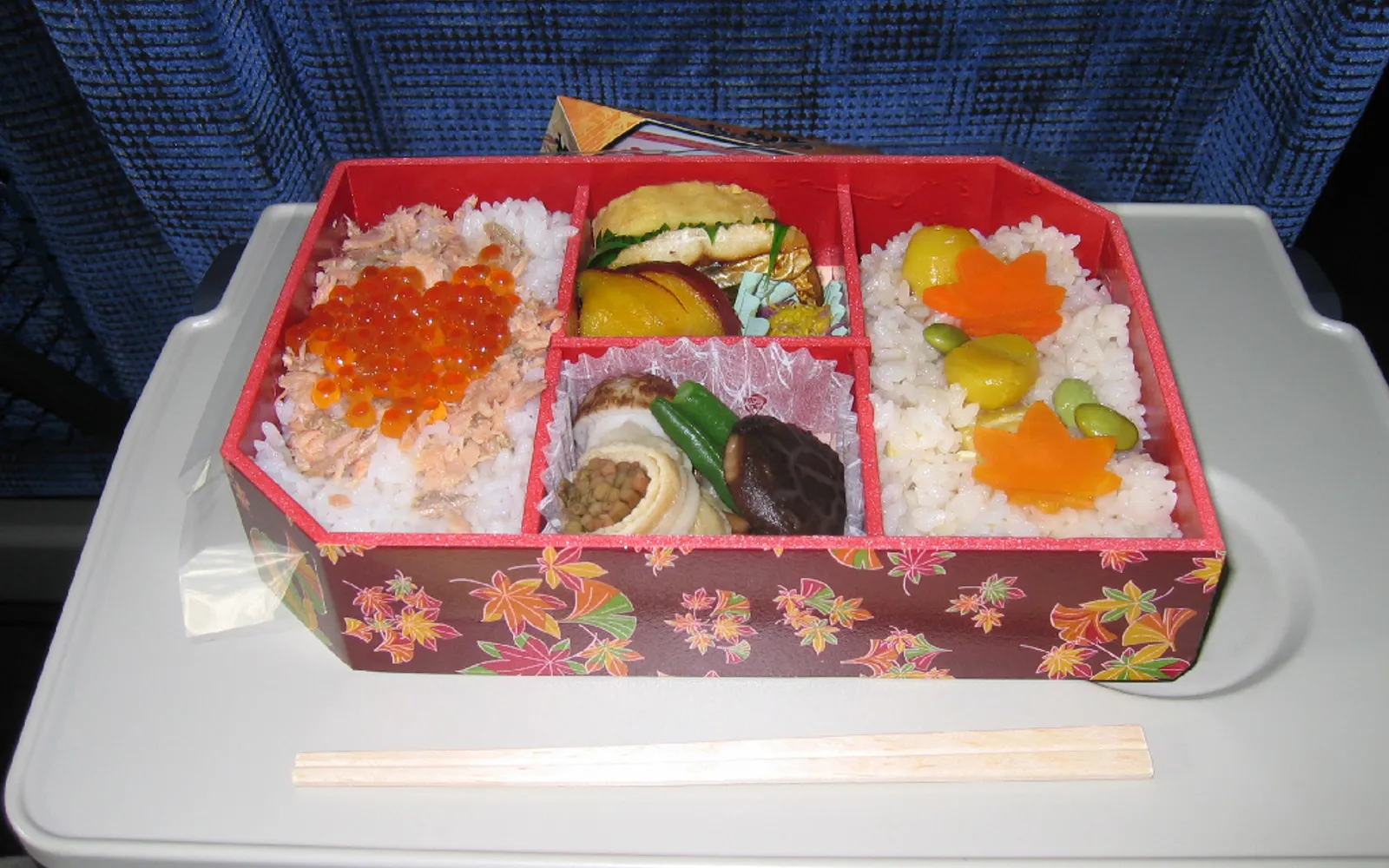
The Fenqihu railway bento is a piece of Taiwanese food history, dating back to the days when this station served as a maintenance stop on the forest railway. Steaming white rice arrives alongside soy-braised pork belly, a marinated tea egg, pickled vegetables, and tofu — all packed into the station's signature flat wooden or metal box. Eat it right at the platform or, even better, on the train itself for full classic atmosphere.
- Arrive by lunchtime — popular stalls sell out by 13:00.
- Prices run around 100–150 NTD per box, reasonable value for a mountain lunch.
- The wooden box doubles as a souvenir; some shops sell the empty boxes separately.
 #5
#5 Alishan Mountain Coffee and Tea Drinks
Alishan grows more than just tea. Mountain coffee cultivated at similar elevations produces a gently acidic, distinctively aromatic cup. Cafés on the mountain serve both mountain coffee and Alishan tea in formats like lattes, matcha green tea, and cold-brew oolong. Sitting with a hot drink at a window that looks out onto a sea of clouds ranks among the most memorable moments travelers take away from this mountain.
- Popular cafés line the main streets in Alishan and Fenqihu and open from early morning.
- Cold-brew oolong is the right call on a sunny afternoon — smooth, never bitter.
- Whole-leaf tea or coffee beans make light, easy souvenirs to carry home.
 #6
#6 Mountain Bamboo Shoots and Pickled Vegetables
The mountain bamboo shoots the Tsou call Jiao Gao Sun are a seasonal local ingredient with a firm, crisp texture and a flavor that is at once slightly sweet and faintly bitter — very different from ordinary bamboo shoots. They are stir-fried, simmered into soups, or pickled in brine. All pickled mountain vegetables in Alishan carry a characteristic sweet-sour edge, because the cool air pushes the sugar content in mountain produce higher than at lower elevations. They're served as a side dish or sold in bags to take home.
- In-season shoots (roughly April–June) are considerably more tender than the year-round pickled version.
- Vacuum-packed pickled vegetables at Alishan Station travel well and pack easily.
- Ask whether the vegetables are local mountain-grown or brought up from the plains — it makes a real difference in flavor.
Where to stay in Alishan for this trip
A well-located hotel means less commuting and more sightseeing. Here are real, top-rated stays in Alishan — compare Agoda · Booking · Trip.com in one click.
Alishan Shermuh International Tourist Hotel
Affiliate links — we may earn a commission at no extra cost to you. Details
Alishan House
Affiliate links — we may earn a commission at no extra cost to you. Details
Dafeng Hotel
Affiliate links — we may earn a commission at no extra cost to you. Details
Chin Shan Hotel
Affiliate links — we may earn a commission at no extra cost to you. Details
Tours, tickets & activities in Alishan
Day tours, attraction tickets and travel essentials for Alishan — book ahead on Klook with mobile e-tickets.
Affiliate links — we may earn a commission at no extra cost to you.
Before You Pack
Plan your Alishan meals to cover at least three things: a pot of high-mountain oolong, a Tsou indigenous spread, and a railway bento box at Fenqihu. Three sittings, and you'll have tasted the full range of what this mountain does with food.